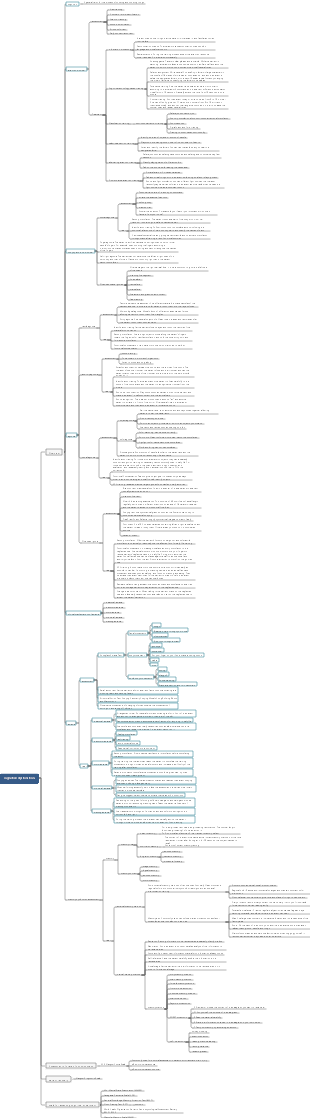
MindMap Gallery Manual examination of the main muscles of the upper limbs (1)
This is some content on rehabilitation assessment technology. You can take a look. The level of logic is clear and the content is practical. Interested friends can save it~
Edited at 2024-10-19 21:06:32루미 : 영적 각성의 10 차원. 당신이 자신을 찾는 것을 멈출 때, 당신은 당신이 찾고있는 것이 당신을 찾고 있기 때문에 우주 전체를 찾을 것입니다. 당신이 매일 인내하는 것은 당신의 영의 깊이의 문을 열 수 있습니다. 침묵 속에서 나는 비밀 영역으로 미끄러 져 내 주변의 마법을 관찰하기 위해 모든 것을 즐겼으며 어떤 소음도 만들지 않았습니다. 날개로 태어 났을 때 왜 기어 다니는 것을 좋아합니까? 영혼은 그 자체의 귀를 가지고 있으며 마음이 이해할 수없는 것들을들을 수 있습니다. 모든 것에 대한 답을 내면으로 찾으십시오. 우주의 모든 것이 당신 안에 있습니다. 연인들은 어딘가에서 만나지 않으며이 세상에는 이별이 없습니다. 상처는 빛이 당신의 마음에 들어가는 곳입니다.
만성 심부전은 심박수 속도의 문제가 아닙니다! 심근 수축 및 이완기 기능의 감소로 인해 심장 출력이 불충분하여 폐 순환에서 정체와 체계 순환의 혼잡을 유발합니다. 원인, 유도에서 보상 메커니즘에 이르기까지, 심부전의 병리 생리 학적 과정은 복잡하고 다양합니다. 부종을 제어하고, 심장의 전선 및 애프터로드를 줄이고, 심장 안락함 기능을 향상시키고, 기본 원인을 예방하고 치료함으로써, 우리는이 도전에 효과적으로 대응할 수 있습니다. 심부전의 메커니즘과 임상 증상을 이해하고 마스터 링 방지 및 치료 전략을 이해함으로써 우리는 심장 건강을 더 잘 보호 할 수 있습니다.
허혈-재관류 손상은 기관이나 조직이 혈액 공급을 회복시킨 후 세포 기능 및 대사 장애 및 구조적 손상이 악화 될 것이라는 현상입니다. 주요 메커니즘에는 증가 된 자유 라디칼 생성, 칼슘 과부하 및 미세 혈관 및 백혈구의 역할이 포함됩니다. 심장과 뇌는 흔한 손상 기관이며 심근 대사 및 초 구조적 변화, 심장 기능 감소 등으로 나타납니다. 예방 및 제어 조치에는 자유 라디칼 제거, 칼슘 과부하 감소, 신진 대사 개선 및 저 나트륨, 저온, 저압 등과 같은 재관류 조건을 제어하는 것이 포함됩니다. 이러한 메커니즘을 이해하면 효과적인 치료 옵션을 개발하고 허혈성 손상을 완화시키는 데 도움이 될 수 있습니다.
루미 : 영적 각성의 10 차원. 당신이 자신을 찾는 것을 멈출 때, 당신은 당신이 찾고있는 것이 당신을 찾고 있기 때문에 우주 전체를 찾을 것입니다. 당신이 매일 인내하는 것은 당신의 영의 깊이의 문을 열 수 있습니다. 침묵 속에서 나는 비밀 영역으로 미끄러 져 내 주변의 마법을 관찰하기 위해 모든 것을 즐겼으며 어떤 소음도 만들지 않았습니다. 날개로 태어 났을 때 왜 기어 다니는 것을 좋아합니까? 영혼은 그 자체의 귀를 가지고 있으며 마음이 이해할 수없는 것들을들을 수 있습니다. 모든 것에 대한 답을 내면으로 찾으십시오. 우주의 모든 것이 당신 안에 있습니다. 연인들은 어딘가에서 만나지 않으며이 세상에는 이별이 없습니다. 상처는 빛이 당신의 마음에 들어가는 곳입니다.
만성 심부전은 심박수 속도의 문제가 아닙니다! 심근 수축 및 이완기 기능의 감소로 인해 심장 출력이 불충분하여 폐 순환에서 정체와 체계 순환의 혼잡을 유발합니다. 원인, 유도에서 보상 메커니즘에 이르기까지, 심부전의 병리 생리 학적 과정은 복잡하고 다양합니다. 부종을 제어하고, 심장의 전선 및 애프터로드를 줄이고, 심장 안락함 기능을 향상시키고, 기본 원인을 예방하고 치료함으로써, 우리는이 도전에 효과적으로 대응할 수 있습니다. 심부전의 메커니즘과 임상 증상을 이해하고 마스터 링 방지 및 치료 전략을 이해함으로써 우리는 심장 건강을 더 잘 보호 할 수 있습니다.
허혈-재관류 손상은 기관이나 조직이 혈액 공급을 회복시킨 후 세포 기능 및 대사 장애 및 구조적 손상이 악화 될 것이라는 현상입니다. 주요 메커니즘에는 증가 된 자유 라디칼 생성, 칼슘 과부하 및 미세 혈관 및 백혈구의 역할이 포함됩니다. 심장과 뇌는 흔한 손상 기관이며 심근 대사 및 초 구조적 변화, 심장 기능 감소 등으로 나타납니다. 예방 및 제어 조치에는 자유 라디칼 제거, 칼슘 과부하 감소, 신진 대사 개선 및 저 나트륨, 저온, 저압 등과 같은 재관류 조건을 제어하는 것이 포함됩니다. 이러한 메커니즘을 이해하면 효과적인 치료 옵션을 개발하고 허혈성 손상을 완화시키는 데 도움이 될 수 있습니다.
Manual examination of the major muscles of the upper limbs
scapula adduction
agonist muscle
Middle trapezius muscle fibers. Rhomboid muscle
fixed position
thorax
Assessment method
Anti-gravity position. Prone position
Gravity-free position. Sitting position, with upper limbs abducted 90 degrees and placed on the table.
Scapula abduction and upward rotation
agonist muscle
serratus anterior
fixed position
thorax
Assessment method
Antigravity position. Supine position
Gravity-free position, sitting position, upper limbs bent forward 90 degrees and placed on the table
scapula lift
agonist muscle
Upper trapezius muscle fibers, levator scapulae
fixed position
Pelvis and lower limbs
Assessment method
antigravity position, sitting position
Degravity position, prone position
forward flexion of shoulder joint
agonist muscle
anterior deltoid muscle fibers
fixed position
shoulder blade
Assessment method
antigravity position, sitting position
Degravity position, lateral decubitus position, upper limbs placed on a smooth flat surface
Shoulder extension
agonist muscle
posterior deltoid muscle fibers
fixed position
shoulder blade
Assessment method
antigravity position, sitting position
Degravity position, lateral decubitus position, upper limbs placed on a smooth flat surface.
shoulder abduction
agonist muscle
Middle deltoid muscle fibers, supraspinatus
fixed position
shoulder blade
Assessment method
antigravity position, sitting position
Degravity position, supine position.
shoulder internal rotation
agonist muscle
teres major, pectoralis major
fixed position
distal upper arm
Assessment method
Antigravity position, prone position
Gravity-free position, prone position, with the examinee's entire upper limb hanging outside the edge of the bed
shoulder external rotation
agonist muscle
Infraspinatus, teres minor
fixed position
distal upper arm
Assessment method
Antigravity position, prone position
Remove the weight from the body position and lie prone, so that the entire upper limb of the person being examined hangs outside the edge of the bed.
elbow flexion
agonist muscle
biceps brachii
fixed position
Shoulders
Assessment method
Anti-gravity position, supine position, slight shoulder abduction, shoulder and forearm supination
degravity position
Lie on your back, abduct the shoulder joint 90 degrees and externally rotate, so that the entire upper limb is placed on the bed
Seat, with shoulders flexed 90° forward on a smooth tabletop, with forearms in a neutral position
elbow extension
agonist muscle
triceps brachii, anconeus
fixed position
Shoulders
Assessment method
Anti-gravity position: prone position, shoulder joint abducted 90 degrees, forearm hanging on the edge of the bed
degravity position
Lying on the side, place the upper limbs on a smooth flat surface, flex the elbow joint in the full range, and place the entire upper limbs on the bed.
Sitting, bend the shoulder forward 90 degrees and place it on a smooth table, allowing the elbow joint to flex in the full range and the forearm in a neutral position