MindMap Gallery Rehabilitation Assessment
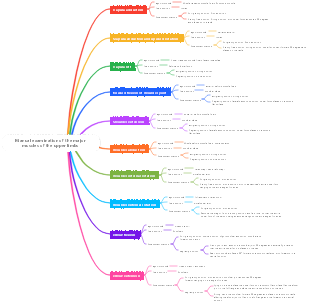
This is a mind map about rehabilitation assessment. The main content includes: muscle strength. Rehabilitation assessment: divided into clinical assessment and functional assessment, which is a qualitative and quantitative description of the functional status and level of sick, injured and disabled patients. , and the process of making reasonable explanations for its results. Rehabilitation assessment: a medical discipline that studies the functional status of patients' physical, psychological, social and environmental conditions.
Edited at 2024-10-17 23:29:28Rumi: 10 dimensiones del despertar espiritual. Cuando dejes de buscarte, encontrarás todo el universo porque lo que estás buscando también te está buscando. Cualquier cosa que haga perseverar todos los días puede abrir una puerta a las profundidades de su espíritu. En silencio, me metí en el reino secreto, y disfruté todo para observar la magia que me rodea y no hice ningún ruido. ¿Por qué te gusta gatear cuando naces con alas? El alma tiene sus propios oídos y puede escuchar cosas que la mente no puede entender. Busque hacia adentro para la respuesta a todo, todo en el universo está en ti. Los amantes no terminan reuniéndose en algún lugar, y no hay separación en este mundo. Una herida es donde la luz entra en tu corazón.
¡La insuficiencia cardíaca crónica no es solo un problema de la velocidad de la frecuencia cardíaca! Es causado por la disminución de la contracción miocárdica y la función diastólica, lo que conduce al gasto cardíaco insuficiente, lo que a su vez causa congestión en la circulación pulmonar y la congestión en la circulación sistémica. Desde causas, inducción a mecanismos de compensación, los procesos fisiopatológicos de insuficiencia cardíaca son complejos y diversos. Al controlar el edema, reducir el frente y la poscarga del corazón, mejorar la función de comodidad cardíaca y prevenir y tratar causas básicas, podemos responder efectivamente a este desafío. Solo al comprender los mecanismos y las manifestaciones clínicas de la insuficiencia cardíaca y el dominio de las estrategias de prevención y tratamiento podemos proteger mejor la salud del corazón.
La lesión por isquemia-reperfusión es un fenómeno que la función celular y los trastornos metabólicos y el daño estructural empeorarán después de que los órganos o tejidos restauren el suministro de sangre. Sus principales mecanismos incluyen una mayor generación de radicales libres, sobrecarga de calcio y el papel de los leucocitos microvasculares y. El corazón y el cerebro son órganos dañados comunes, manifestados como cambios en el metabolismo del miocardio y los cambios ultraestructurales, disminución de la función cardíaca, etc. Las medidas de prevención y control incluyen eliminar los radicales libres, reducir la sobrecarga de calcio, mejorar el metabolismo y controlar las condiciones de reperfusión, como baja sodio, baja temperatura, baja presión, etc. Comprender estos mecanismos puede ayudar a desarrollar opciones de tratamiento efectivas y aliviar las lesiones isquémicas.
Rumi: 10 dimensiones del despertar espiritual. Cuando dejes de buscarte, encontrarás todo el universo porque lo que estás buscando también te está buscando. Cualquier cosa que haga perseverar todos los días puede abrir una puerta a las profundidades de su espíritu. En silencio, me metí en el reino secreto, y disfruté todo para observar la magia que me rodea y no hice ningún ruido. ¿Por qué te gusta gatear cuando naces con alas? El alma tiene sus propios oídos y puede escuchar cosas que la mente no puede entender. Busque hacia adentro para la respuesta a todo, todo en el universo está en ti. Los amantes no terminan reuniéndose en algún lugar, y no hay separación en este mundo. Una herida es donde la luz entra en tu corazón.
¡La insuficiencia cardíaca crónica no es solo un problema de la velocidad de la frecuencia cardíaca! Es causado por la disminución de la contracción miocárdica y la función diastólica, lo que conduce al gasto cardíaco insuficiente, lo que a su vez causa congestión en la circulación pulmonar y la congestión en la circulación sistémica. Desde causas, inducción a mecanismos de compensación, los procesos fisiopatológicos de insuficiencia cardíaca son complejos y diversos. Al controlar el edema, reducir el frente y la poscarga del corazón, mejorar la función de comodidad cardíaca y prevenir y tratar causas básicas, podemos responder efectivamente a este desafío. Solo al comprender los mecanismos y las manifestaciones clínicas de la insuficiencia cardíaca y el dominio de las estrategias de prevención y tratamiento podemos proteger mejor la salud del corazón.
La lesión por isquemia-reperfusión es un fenómeno que la función celular y los trastornos metabólicos y el daño estructural empeorarán después de que los órganos o tejidos restauren el suministro de sangre. Sus principales mecanismos incluyen una mayor generación de radicales libres, sobrecarga de calcio y el papel de los leucocitos microvasculares y. El corazón y el cerebro son órganos dañados comunes, manifestados como cambios en el metabolismo del miocardio y los cambios ultraestructurales, disminución de la función cardíaca, etc. Las medidas de prevención y control incluyen eliminar los radicales libres, reducir la sobrecarga de calcio, mejorar el metabolismo y controlar las condiciones de reperfusión, como baja sodio, baja temperatura, baja presión, etc. Comprender estos mecanismos puede ayudar a desarrollar opciones de tratamiento efectivas y aliviar las lesiones isquémicas.
Rehabilitation Assessment
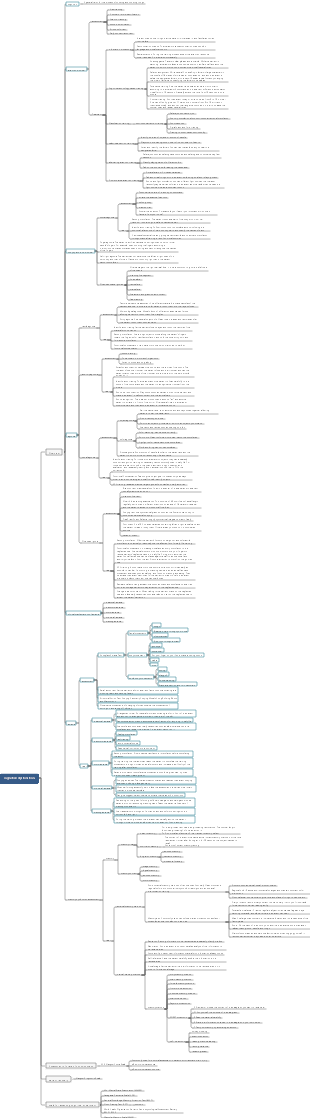
Rehabilitation assessment: a medical discipline that studies patients’ physical, psychological, social and environmental functional conditions
Rehabilitation assessment: It is divided into clinical assessment and functional assessment. It is a process of qualitatively and quantitatively describing the functional status and level of sick, injured and disabled patients, and making reasonable explanations for the results.
clinical rehabilitation Target patients: patients with acute, chronic diseases and critical illness, patients with functional impairment, illness, injury and disability The condition is complex and changeable, relatively stable and has little fluctuation. Purpose: Find the cause, understand the pathological process, and understand whether there is any functional impairment Inspection methods: mainly laboratory instruments, mainly measurement, inquiry, and field testing Treatment: drugs and surgery, functional training, compensation, and environmental modification
The difference between ICIDH and ICF
1. Changes in classification terms
2. Additional factors have been added to the classification: considering the impact of environmental factors and individual factors on the body, that is, situational factors
3. Expanded the meaning of classification: ICIDH mainly focuses on the classification of disease consequences, while ICF also includes the classification of disabilities with “health components”. ICIDH is for people with disabilities, ICF is for everyone
4. Mutual transformation of disability classifications: All components of the ICF classification interact in two directions, while in ICIDH there is mainly one-way influence.
5. The application scope of ICF has been significantly expanded, and it can be used as a statistical work
Classification of disabilities: vision, hearing, speech, intelligence, physical, mental and multiple disabilities
The significance of rehabilitation assessment
1. Patient’s perspective: deepen patients’ understanding of their own disease, appropriate treatment goals, and enhance confidence
2. From the perspective of rehabilitation doctors and therapists: comprehensive, systematic and accurate assessment to make up for the deficiencies in medical history
3. From a social perspective: problems in social rehabilitation
effect
1. Grasp the functional impairment
Understand the nature of the dysfunction
Understand the scope of dysfunction
subtopic
Understand the degree of dysfunction
2. Develop a rehabilitation plan
3. Evaluate the treatment effect
Evaluate treatment effectiveness
Find more effective treatments
4. Help determine prognosis
5. Analyze the efficiency of use of health resources
Classification of rehabilitation assessment
1. Qualitative assessment: To solve the problem of "whether the object is there or not", it is to use induction and deduction, analysis and synthesis, abstract and summary conversation, questionnaire survey and naked eye observation on the collected data. These are commonly used qualitative assessments in rehabilitation assessment. method
2. Quantitative assessment
1. Quantitative assessment of grade data: The content described in the qualitative assessment is graded. Commonly used: manual muscle strength test, Brannstrom, Barthel index, FIM
2. Evaluation of calculated data: measurement of data obtained, analysis of quantitative results. Commonly used rehabilitation evaluation methods: interviews, questionnaires, observations, scale evaluations, equipment testing
Principles to be followed in rehabilitation assessment
1. Choose the correct assessment method: select the assessment method for the purpose of assessment, select the assessment method based on reliability and validity, select the assessment method based on obstacles, combine comprehensiveness with pertinence, and select based on objective conditions
2. Determine the appropriate time for assessment
3. Create a good assessment environment
4. Implement professional inspection and assessment
5. Strengthen close cooperation between doctors and patients
Evaluate SOAP content
Subjective data(S): medical history: chief complaint, history of present illness, functional history, past history, systematic review, personal history, social history, occupational history, family history
Objective information (O): Physical examination: vital signs and general condition, skin and lymph, head and facial features, neck, chest, heart and peripheral vascular system, abdomen, genitourinary system and rectum, musculoskeletal system, nervous system auxiliary examination: Experimental diagnosis, cardiopulmonary examination, neuroelectrophysiological examination, imaging evaluation, other clinical methods (urodynamic examination, cerebrospinal fluid examination, bone marrow puncture, pathological examination)
Functional assessment (A): cognition, swallowing, sensation, speech, movement, activities of daily living, occupational abilities, environment and non-environmental assessment Three levels of impairment: assessment of impairment, assessment of activity limitations, participation restrictions
Rehabilitation Plan (P)
muscle strength
Muscle strength: refers to the maximum force produced by muscle contraction, also known as absolute muscle strength
Muscle explosive power: refers to the maximum force produced by muscle contraction in a certain short period of time
Muscle endurance: The ability of muscles to continuously maintain isometric contractions of a certain intensity or perform multiple isotonic (fast) contractions of a certain intensity is called muscle endurance.
Sarcomere: the most basic structural and functional unit of muscle fiber. It is the basic unit of muscle contraction and relaxation.
Muscle contraction: The muscle fibers are stimulated by ATP and Ca2 to couple myosin and actin, resulting in muscle contraction.
Muscle fiber classification
Type 1 muscle fiber: Also known as slow-twitch (red muscle) fiber or slow-twitch oxidative fiber, it contains fewer myofibrils, more mitochondria and myogenin, smaller neurons, abundant surrounding capillaries, and oxidative enzymes. It has high activity and low glycolytic enzyme activity. It relies on aerobic metabolism for energy. It contracts slower, produces lower tension, lasts longer, and is less prone to fatigue. It is the main driving force for maintaining posture during low-intensity exercise and rest.
Type II muscle fibers: also known as fast-twitch muscle fibers, IIb fibers, also known as fast-twitch glycolytic fibers, contain more myofibrils and less mitochondria and myogenin, which is the opposite of the above. Type IIa (also known as fast-twitch oxidative glycolytic fiber) is between the two and has the characteristics of both (white muscle)
Mechanical classification of skeletal muscles: prime movers (agonist muscles, accessory muscles), antagonists, fixation muscles, and neutralizer muscles. Accessory muscles, fixation muscles, and neutralization muscles are collectively called synergistic muscles.
form of muscle contraction
isotonic contraction
Isotonic concentric contraction: When a muscle contracts, the starting and ending points of the muscles are close to each other. The concentric contraction of the biceps brachii can flex the elbow.
Isotonic eccentric contraction: When a muscle contracts, the starting and ending ends of the muscle move away from each other to control the falling speed of the limb.
Isometric contraction: static contraction (increased muscle tone)
Isokinetic contraction: When a muscle contracts, the muscle tension changes
Isotonic eccentric contraction>Isometric contraction>Isotonic concentric contraction
Factors affecting muscle strength
physiological cross section of muscle
initial length of muscle
Muscle recruitment
The relationship between the direction of muscle fibers and the long axis of tendons
Leverage efficiency
Coordination of regulatory functions of the central nervous system
purpose of assessment
Determine the extent of muscle weakness
Assist in the localization and diagnosis of certain neuromuscular diseases
Prevent injuries and deformities caused by muscle imbalance
Evaluate the effectiveness of muscle strengthening training
Manual muscle strength assessment
In specific postures, standard movements are completed under conditions of reduced gravity, anti-gravity and resistance. The tester also determines muscle strength by touching the muscle belly, observing the movement of the muscles, the range of joint activities, and the ability to overcome resistance. size
subtopic
Things to note
Do appropriate mobilization
Must strictly follow the test specifications and operating requirements
It is not appropriate to conduct muscle strength tests in an environment where the subjects are tired or full, or where the subject is easily disturbed.
Use with caution in the elderly, frail and cardiovascular disease patients
In cases of poor fracture healing, severe pain, bone and joint tumors, etc., it is not appropriate to conduct muscle strength tests.
Indications and Contraindications
Indications: lower motor neuron damage, bone marrow damage (not available during spasticity), primary myopathy, bone and joint diseases