マインドマップギャラリー データとコンピューティング
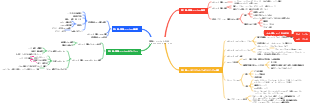
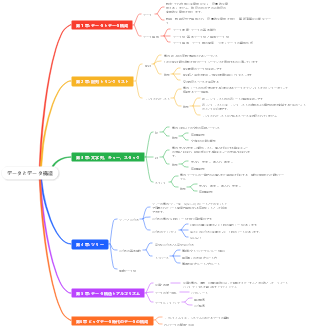
データとコンピューティングに関するマインド マップです。主な内容は、第 5 章: 人工知能とアプリケーション、第 4 章: データ処理とアプリケーション、第 3 章: アルゴリズムのプログラム実装、第 2 章: アルゴリズムと問題解決、第 1 章:データと情報。
2024-02-13 18:52:01 に編集されましたThis is a flowchart illustrating the process of archiving monthly failure analysis reports and tracking the implementation of improvement measures. The diagram is structured into five main steps, each with specific tasks and sub-tasks.Monthly Report Collection & Organization: This step involves collecting failure analysis reports from various departments, reviewing them for completeness, and categorizing them by product, failure mode, and severity. Root Cause Analysis & Statistics: Here, the focus is on categorizing causes, analyzing trends, identifying root causes, and compiling statistics on high-frequency failure modes and key components. Improvement Measure Formulation & Assignment: This step includes formulating improvement measures, assigning responsibilities, and setting timelines for implementation.Measure Implementation Tracking & Verification: It involves tracking the progress of implementation, verifying effectiveness, and confirming issue closure.Knowledge Base Update & Monthly Report Output: The final step covers archiving reports, updating the knowledge base, and compiling monthly summaries.This template can be easily reused and adapted using tools like EdrawMind to suit different organizational needs.

This is a timeline infographic detailing the annual product certification acquisition countdown process, structured into four sequential phases. The first phase, Certification Planning & Initiation, encompasses goal setting, timeline planning, resource preparation, defining specific certification objectives such as CCC/CE/FCC, formulating an annual plan with key milestones, and allocating necessary budget, personnel, and sample resources. Following this, the Application & Testing Phase involves material submission, coordination with certification agencies, core testing procedures, preparation of technical documents, application forms, and samples, selection of the appropriate certification agency, and execution of critical safety, EMC, and RF tests. The subsequent Rectification & Acquisition Phase focuses on addressing and rectifying any identified issues, re-verification processes, acquisition of the certificate, analysis of test issues, implementation of necessary fixes, and modification of samples for supplemental testing. Finally, the Countdown Monitoring phase emphasizes tracking progress, managing risks, monitoring remaining days and key milestones, managing time, technical, and cost risks, and maintaining effective internal and external communication throughout the process. This comprehensive template can be readily reused and adapted using tools like EdrawMind to meet diverse organizational requirements.
This is a flowchart detailing the weekly update and review plan for technical documents. The process is divided into six main stages, each with specific tasks and responsibilities. It begins with Weekly Planning, where the document scope is defined, update objectives are set, and schedules are arranged. Next, Document Updates involve maintaining various documents such as hardware design documents, test specifications, and BOM tables, alongside version control and archiving. Internal Review Preparation follows, focusing on compiling review materials, identifying participants, and setting agendas. The Review Meeting stage includes document examination, problem discussion, decision recording, and responsibility allocation. After the meeting, Review Feedback Processing takes place, involving issue tracking, document modification, quality checks, and closure verification. Finally, Output Deliverables are prepared, including official release versions, release notifications, review reports, and plans for the next week. This structured approach ensures systematic and efficient management of technical documents, and the template can be easily adapted using tools like EdrawMind.
This is a flowchart illustrating the process of archiving monthly failure analysis reports and tracking the implementation of improvement measures. The diagram is structured into five main steps, each with specific tasks and sub-tasks.Monthly Report Collection & Organization: This step involves collecting failure analysis reports from various departments, reviewing them for completeness, and categorizing them by product, failure mode, and severity. Root Cause Analysis & Statistics: Here, the focus is on categorizing causes, analyzing trends, identifying root causes, and compiling statistics on high-frequency failure modes and key components. Improvement Measure Formulation & Assignment: This step includes formulating improvement measures, assigning responsibilities, and setting timelines for implementation.Measure Implementation Tracking & Verification: It involves tracking the progress of implementation, verifying effectiveness, and confirming issue closure.Knowledge Base Update & Monthly Report Output: The final step covers archiving reports, updating the knowledge base, and compiling monthly summaries.This template can be easily reused and adapted using tools like EdrawMind to suit different organizational needs.
This is a timeline infographic detailing the annual product certification acquisition countdown process, structured into four sequential phases. The first phase, Certification Planning & Initiation, encompasses goal setting, timeline planning, resource preparation, defining specific certification objectives such as CCC/CE/FCC, formulating an annual plan with key milestones, and allocating necessary budget, personnel, and sample resources. Following this, the Application & Testing Phase involves material submission, coordination with certification agencies, core testing procedures, preparation of technical documents, application forms, and samples, selection of the appropriate certification agency, and execution of critical safety, EMC, and RF tests. The subsequent Rectification & Acquisition Phase focuses on addressing and rectifying any identified issues, re-verification processes, acquisition of the certificate, analysis of test issues, implementation of necessary fixes, and modification of samples for supplemental testing. Finally, the Countdown Monitoring phase emphasizes tracking progress, managing risks, monitoring remaining days and key milestones, managing time, technical, and cost risks, and maintaining effective internal and external communication throughout the process. This comprehensive template can be readily reused and adapted using tools like EdrawMind to meet diverse organizational requirements.
This is a flowchart detailing the weekly update and review plan for technical documents. The process is divided into six main stages, each with specific tasks and responsibilities. It begins with Weekly Planning, where the document scope is defined, update objectives are set, and schedules are arranged. Next, Document Updates involve maintaining various documents such as hardware design documents, test specifications, and BOM tables, alongside version control and archiving. Internal Review Preparation follows, focusing on compiling review materials, identifying participants, and setting agendas. The Review Meeting stage includes document examination, problem discussion, decision recording, and responsibility allocation. After the meeting, Review Feedback Processing takes place, involving issue tracking, document modification, quality checks, and closure verification. Finally, Output Deliverables are prepared, including official release versions, release notifications, review reports, and plans for the next week. This structured approach ensures systematic and efficient management of technical documents, and the template can be easily adapted using tools like EdrawMind.
データとコンピューティング
第 1 章: データと情報
1.1: 感覚データ
データ: コンピュータに入力し、コンピュータ プログラムによって処理できるすべてのシンボルの総称。コンピュータに入力されて処理される、何らかの意味を持つ数字、文字、記号、アナログ量の総称です。
1.2: データの情報と知識
情報: ランダムな不確実性を排除するために使用されるもの。 (キャリア依存性、適時性、共有性、処理性、信頼性、価値)
知識; 人間が社会的実践において得た理解と経験の合計。
知恵:それは優れた判断に反映される、より高いレベルの総合的な能力です。
1.3: データの収集とコーディング
データ収集: センサー
デジタル化
アナログ信号、デジタル信号
アナログからデジタルへの変換: サンプリング、量子化、エンコード
コーディング
1.4: データ管理とセキュリティ
データ管理: フォルダー
データセキュリティ
メディア: ディスクアレイ、データバックアップ、オフサイト災害復旧
データ自体は安全です: データ暗号化、データ検証
1.5: データとビッグデータ
ビッグデータ: 膨大なデータ量、高速、多くのデータ型、低い値密度
ビッグデータの考え方: データ全体、複雑さ、相関関係
第 2 章: アルゴリズムと問題解決
2.1: アルゴリズムの概念と説明: 有限性、実現可能性、確実性、入力と出力...
2.2: アルゴリズムの構造: シーケンシャル構造、分岐構造、ループ構造
2.3: アルゴリズムを使用して問題を解決するプロセス
第 3 章: アルゴリズムのプログラム実装
3.1: コンピュータープログラミングを使用して問題を解決する一般的なプロセス
3.2: Python 言語プログラミング
3.3: 単純なアルゴリズムとそのプログラム実装
第 4 章: データの処理とアプリケーション
4.1: よく使用されるテーブルデータの処理
データ整理、データ計算
4.2: ビッグデータ処理 (分割統治思考)
バッチコンピューティング、ストリームコンピューティング、グラフコンピューティング
4.3: ビッグデータの典型的な用途
第 5 章: 人工知能とその応用
5. 人工知能の出現と発展
広く学際的であり、複数の分野を含む最先端の科学: 概念
手動で知識ベースを構築、推論: 象徴主義
エキスパートシステム
ニューラル ネットワーク: コネクショニズム
ディープラーニング、xx認識
インタラクションを通じた継続的な学習: 行動主義
掃除ロボット、試行錯誤学習
5.2: 人工知能の応用
ワトソン、ディープ ブルー: ドメイン人工知能
AlphaGo: クロスドメイン人工知能
Da Vinci 手術ロボット: ハイブリッド拡張知能
5.3: 人工知能が社会に与える影響
グラフデータ
ストリーミングデータ
静的データ