マインドマップギャラリー 4. 教育と社会
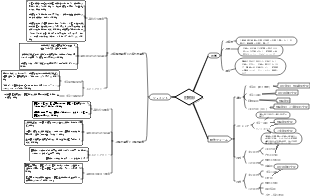
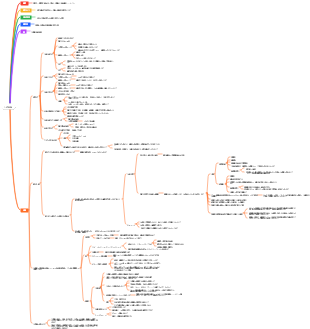
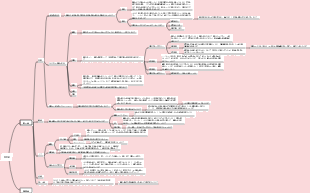
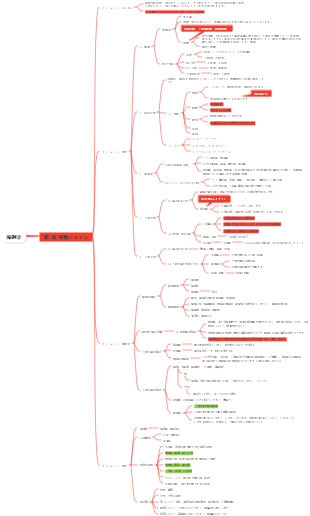
これは「4.教育と社会」についてのマインドマップです。社会は教育に制限や影響を与えますが、この制限や影響は教育が社会の政治的、経済的なコピーになることを意味するものではありません。
2024-02-12 23:10:08 に編集されましたThis is a flowchart illustrating the process of archiving monthly failure analysis reports and tracking the implementation of improvement measures. The diagram is structured into five main steps, each with specific tasks and sub-tasks.Monthly Report Collection & Organization: This step involves collecting failure analysis reports from various departments, reviewing them for completeness, and categorizing them by product, failure mode, and severity. Root Cause Analysis & Statistics: Here, the focus is on categorizing causes, analyzing trends, identifying root causes, and compiling statistics on high-frequency failure modes and key components. Improvement Measure Formulation & Assignment: This step includes formulating improvement measures, assigning responsibilities, and setting timelines for implementation.Measure Implementation Tracking & Verification: It involves tracking the progress of implementation, verifying effectiveness, and confirming issue closure.Knowledge Base Update & Monthly Report Output: The final step covers archiving reports, updating the knowledge base, and compiling monthly summaries.This template can be easily reused and adapted using tools like EdrawMind to suit different organizational needs.
This is a timeline infographic detailing the annual product certification acquisition countdown process, structured into four sequential phases. The first phase, Certification Planning & Initiation, encompasses goal setting, timeline planning, resource preparation, defining specific certification objectives such as CCC/CE/FCC, formulating an annual plan with key milestones, and allocating necessary budget, personnel, and sample resources. Following this, the Application & Testing Phase involves material submission, coordination with certification agencies, core testing procedures, preparation of technical documents, application forms, and samples, selection of the appropriate certification agency, and execution of critical safety, EMC, and RF tests. The subsequent Rectification & Acquisition Phase focuses on addressing and rectifying any identified issues, re-verification processes, acquisition of the certificate, analysis of test issues, implementation of necessary fixes, and modification of samples for supplemental testing. Finally, the Countdown Monitoring phase emphasizes tracking progress, managing risks, monitoring remaining days and key milestones, managing time, technical, and cost risks, and maintaining effective internal and external communication throughout the process. This comprehensive template can be readily reused and adapted using tools like EdrawMind to meet diverse organizational requirements.
This is a flowchart detailing the weekly update and review plan for technical documents. The process is divided into six main stages, each with specific tasks and responsibilities. It begins with Weekly Planning, where the document scope is defined, update objectives are set, and schedules are arranged. Next, Document Updates involve maintaining various documents such as hardware design documents, test specifications, and BOM tables, alongside version control and archiving. Internal Review Preparation follows, focusing on compiling review materials, identifying participants, and setting agendas. The Review Meeting stage includes document examination, problem discussion, decision recording, and responsibility allocation. After the meeting, Review Feedback Processing takes place, involving issue tracking, document modification, quality checks, and closure verification. Finally, Output Deliverables are prepared, including official release versions, release notifications, review reports, and plans for the next week. This structured approach ensures systematic and efficient management of technical documents, and the template can be easily adapted using tools like EdrawMind.
This is a flowchart illustrating the process of archiving monthly failure analysis reports and tracking the implementation of improvement measures. The diagram is structured into five main steps, each with specific tasks and sub-tasks.Monthly Report Collection & Organization: This step involves collecting failure analysis reports from various departments, reviewing them for completeness, and categorizing them by product, failure mode, and severity. Root Cause Analysis & Statistics: Here, the focus is on categorizing causes, analyzing trends, identifying root causes, and compiling statistics on high-frequency failure modes and key components. Improvement Measure Formulation & Assignment: This step includes formulating improvement measures, assigning responsibilities, and setting timelines for implementation.Measure Implementation Tracking & Verification: It involves tracking the progress of implementation, verifying effectiveness, and confirming issue closure.Knowledge Base Update & Monthly Report Output: The final step covers archiving reports, updating the knowledge base, and compiling monthly summaries.This template can be easily reused and adapted using tools like EdrawMind to suit different organizational needs.
This is a timeline infographic detailing the annual product certification acquisition countdown process, structured into four sequential phases. The first phase, Certification Planning & Initiation, encompasses goal setting, timeline planning, resource preparation, defining specific certification objectives such as CCC/CE/FCC, formulating an annual plan with key milestones, and allocating necessary budget, personnel, and sample resources. Following this, the Application & Testing Phase involves material submission, coordination with certification agencies, core testing procedures, preparation of technical documents, application forms, and samples, selection of the appropriate certification agency, and execution of critical safety, EMC, and RF tests. The subsequent Rectification & Acquisition Phase focuses on addressing and rectifying any identified issues, re-verification processes, acquisition of the certificate, analysis of test issues, implementation of necessary fixes, and modification of samples for supplemental testing. Finally, the Countdown Monitoring phase emphasizes tracking progress, managing risks, monitoring remaining days and key milestones, managing time, technical, and cost risks, and maintaining effective internal and external communication throughout the process. This comprehensive template can be readily reused and adapted using tools like EdrawMind to meet diverse organizational requirements.
This is a flowchart detailing the weekly update and review plan for technical documents. The process is divided into six main stages, each with specific tasks and responsibilities. It begins with Weekly Planning, where the document scope is defined, update objectives are set, and schedules are arranged. Next, Document Updates involve maintaining various documents such as hardware design documents, test specifications, and BOM tables, alongside version control and archiving. Internal Review Preparation follows, focusing on compiling review materials, identifying participants, and setting agendas. The Review Meeting stage includes document examination, problem discussion, decision recording, and responsibility allocation. After the meeting, Review Feedback Processing takes place, involving issue tracking, document modification, quality checks, and closure verification. Finally, Output Deliverables are prepared, including official release versions, release notifications, review reports, and plans for the next week. This structured approach ensures systematic and efficient management of technical documents, and the template can be easily adapted using tools like EdrawMind.
教育と社会
教育に関する社会
政治
1. 教育管理システムにおいて重要な役割を果たします
2. 誰が教育を受ける権利を有するかを決定する
3. 教育の目的と目的に影響を与える
4. 教育内容の決定
5. 教育は政治から比較的独立している
経済
1. 教育の発展レベルを制限する
2. 教育開発の規模と速度を制限する
3. 教育の制度と規模を制限する
4. 学習に影響を与える主要な設定、カリキュラム設定およびコンテンツの選択
5. 教育は経済から比較的独立している
文化
1. 文化的概念が教育的概念に影響を与える
2. 文化的タイプは教育目標に影響を与える
3. 文化的伝統は教育内容と方法に影響を与える
4. 文化モデルは教育の背景とモデルを制限します。
5. 文化的知識により教育の内容とレベルが制限される
キャンパス文化が教育に与える影響
広い意味
それは学校集団のあらゆる在り方の総和である。
物質文化、制度文化、精神文化を含む
狭義の
学校の精神文化
人口
人口規模は教育開発の規模と速度に影響を与える
人口増加率は教育開発の戦略目標に影響を与える
人口の質が教育に及ぼす影響
構造
年齢構成
雇用構造
教育の社会開発機能の歴史的進化
その発生順序は、政治的機能と文化的機能の共存から経済的機能までです。
原始社会:主に文化伝達機能
古代社会:主に政治的機能
現代社会:教育はますます経済的機能を果たし始め、政治的機能は徐々に隠蔽されていきます。
単機能主義
現代社会:多様化する社会発展機能
統合された機能主義
社会への教育
社会開発機能は社会政治経済システムの影響を受ける 教育の社会発展機能は派生機能であり、 教育の個人的機能を無視することはできない
社会における教育の変革的機能
社会の発展における教育の役割
政治的機能
社会的および政治的才能を育成する
社会政治的変化を促進する
社会文明のレベルを向上させる
社会的および政治的安定を維持する
経済機能
経済成長を促進する
技術開発の推進
① 科学技術の教育と普及、及び科学技術の再生産。
②教育は新しい科学的、文化的知識と技術を生み出します。
③教育は革新的な人材を育成し、科学技術の発展を促進します。
生産性を高める
① 教育は潜在的な(潜在的な)労働力を実際の労働力に変えるための基本的な手段である
② 現代教育は、知識形式の生産性を直接的な生産性に変える重要な方法です。
③現代教育は労働生産性を向上させる重要な要素である。
労働者の質の向上
文化的機能
文化遺産
① 文化の時間的継続として現れる垂直的な文化の継承。 ②水平的な文化の伝播は空間における文化の流れとして現れる。
文化的な選択
① 貴重な文化のエッセンスを選び出し、文化の残滓を排除し、文化の真善美を広める。
②支配層のニーズに応じて主流の文化を選択する。
③生徒の発達のニーズに応じて体系的、科学的、基礎的な文化を選択し、 次に、これらの文化を教育的な意味で変革します。
文化交流
① 教育交流活動を通じて異文化間の相互吸収と相互影響を促進する。
②教育プロセス自体は異文化の学習を通じて行われます。 文化を選択して創造し、古い文化を変革し統合し、 新たな文化を形成し、文化の継続的な充実と発展を推進します。
文化革新
① 教育による文化の選択、批判、統合、 社会の発展と変化のニーズに適応し、新しい文化的特徴とシステムを構築し、 文化が継続的に更新され、発展できるようにする。
②教育は新しい文化を直接生み出す。
③教育を通じて文化を創造する最も基本的な方法は、創造的な才能を育成することです。
人口関数
教育は人口規模を制御する重要な手段です
人口構成は合理的な傾向にある
人口の移動と移住を促進する
人口の質を向上させる重要な方法
生態学的機能
生態文明構築の概念を確立する
生態文明の知識を普及させ、国家の質を向上させる。
環境に優しい文明を築くための社会活動を指導する
教育の社会への流動機能
関数
教育の垂直移動機能
教育の横方向の流動性機能
意義
①教育は個人の社会的流動性の基礎となっている。 ②教育は現代社会における移動の主な経路である。 ③教育は社会的公平性に大きな影響を与える
教育の社会階層化機能
1. 学歴が学歴を決定する一方で、学歴は人の職業選択に大きく影響し、ひいては収入や社会的地位に影響を与える。したがって、より一般的な意味では、教育は社会階層に影響を与える重要な要素であり、教育は社会階層の機能を持っていると言えます。 2. 一方、社会には客観的に異なる階層が存在し、各階層で求められる人材も異なり、その特性や要求に応じて各階層が必要とする人材を育成し、階層を維持することが教育の目的である。確立された社会。教育は社会階層を形成し、社会階層は教育に対する要件を提示します。教育と社会階層は相互の前提であり因果関係です。
教育は比較的独立している 教育には独自の運用ルールがあり、他の要素とは何の関係もありません
教育の相対的な独立性
教育は人を育てる活動であり、主に教育が育てる人を通じて社会に影響を与えます。
教育には独自の活動特性、法律、原則があります
教育には独自の伝統と発展の継続性があります
社会主義近代化建設における教育の地位と役割
人間本位の教育理念を確立する
教育は社会主義近代化建設に貢献する
科学と教育を通じて国を活性化することは重要な戦略です
国興テクノロジー
国家再生の礎
教育の発展を優先する
教育と社会の間の緊張関係を正しく把握する: 社会は教育に対して制約や影響を及ぼしますが、これらの制約や影響は、教育が社会の政治的、経済的コピーになることを意味するものではありません。 教育に対する社会的制約や影響は、教育そのものの変革を通じて、教育制度、教育目的、カリキュラム内容、教育方法、組織形態へと変革され、教育の発展機能が実現されなければならない。 したがって、私たちは教育に対する社会の影響だけでなく、教育そのものの独立性も見て、教育と社会の密接な関係と教育と社会の違いの両方を見て、教育と社会の緊張関係を正しく把握しなければなりません。 。
伝統的な概念では、教育は消費事業であり、生産的および経済的利益はありません。しかし、現代の概念では、教育は投資事業であり、教育の生産性とそれが生み出す経済的利益はますます明らかになってきています。そのため、20世紀後半には、世界各国が教育の発展を重視し、教育への投資が増加し、「教育ファースト」という新たな現象が現れました。