マインドマップギャラリー マネジメントとは計画を立てて実行すること
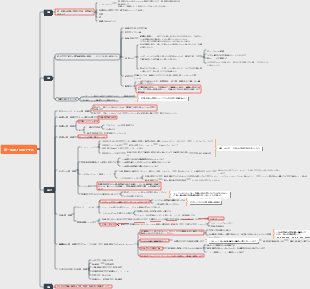
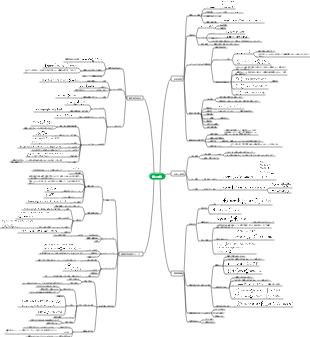
経営とは計画を立てて実行するということをマインドマップにしたもので、主な内容は計画の策定と管理、計画の分解、計画のフィードバック、計画の実行などの8段階の経営計画管理手法です。
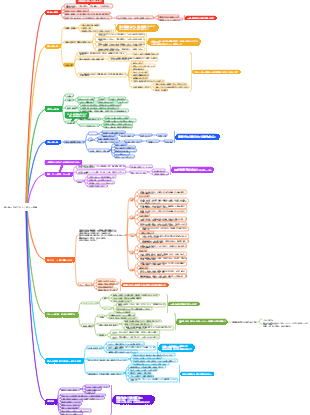
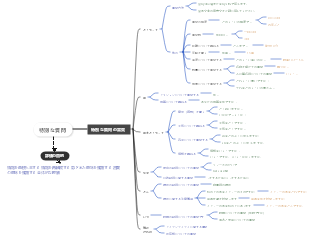
2024-01-29 15:13:40 に編集されましたThis template, created with EdrawMind, provides a structured workflow for weekly coordination meetings focused on MEP (Mechanical, Electrical, Plumbing) pipeline layout. It follows a four-stage cycle: starting with Issue Identification (Clash Detection) to detect pipeline conflicts, moving to Meeting Agenda preparation to define discussion topics, then On-site Discussion to review and resolve issues on the construction site, and finally Resolution & Update to document solutions and track progress. This template can be reused to standardize MEP coordination processes, ensuring clear communication, efficient problem-solving, and smooth construction progress.
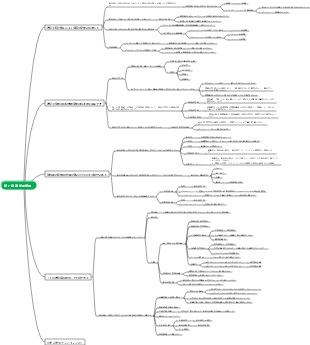
This template, created with EdrawMind, outlines a quarterly checklist for preparing materials for green building certification. It is divided into four sequential quarters: Q1 focuses on Basic Material Preparation, including collecting project approval documents and compiling self-assessment reports; Q2 covers Technical Data Improvement, such as organizing energy consumption calculation books and preparing green construction proof materials; Q3 involves On-site Inspection Preparation, including organizing construction process materials and verifying certification standards; and Q4 is for Formal Application, which includes completing online reporting and cooperating with expert on-site reviews. This template can be reused to systematically prepare for green building certification, ensuring all requirements are met and the process is efficient.
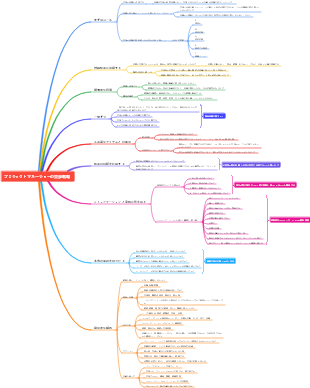
This template, created with EdrawMind, provides a comprehensive framework for daily monitoring of deep foundation pit construction. It covers six key monitoring areas: Retaining Wall Top Displacement, Settlement of Surrounding Buildings, Groundwater Level, Pit Bottom Heave, Support Axial Force, and Data Summary & Analysis. Each section specifies monitoring points, frequency, and warning values to ensure safety. The template can be reused to standardize monitoring practices, track structural stability, and trigger immediate alarms if warning thresholds are exceeded, thus mitigating risks during foundation pit construction.
This template, created with EdrawMind, provides a structured workflow for weekly coordination meetings focused on MEP (Mechanical, Electrical, Plumbing) pipeline layout. It follows a four-stage cycle: starting with Issue Identification (Clash Detection) to detect pipeline conflicts, moving to Meeting Agenda preparation to define discussion topics, then On-site Discussion to review and resolve issues on the construction site, and finally Resolution & Update to document solutions and track progress. This template can be reused to standardize MEP coordination processes, ensuring clear communication, efficient problem-solving, and smooth construction progress.
This template, created with EdrawMind, outlines a quarterly checklist for preparing materials for green building certification. It is divided into four sequential quarters: Q1 focuses on Basic Material Preparation, including collecting project approval documents and compiling self-assessment reports; Q2 covers Technical Data Improvement, such as organizing energy consumption calculation books and preparing green construction proof materials; Q3 involves On-site Inspection Preparation, including organizing construction process materials and verifying certification standards; and Q4 is for Formal Application, which includes completing online reporting and cooperating with expert on-site reviews. This template can be reused to systematically prepare for green building certification, ensuring all requirements are met and the process is efficient.
This template, created with EdrawMind, provides a comprehensive framework for daily monitoring of deep foundation pit construction. It covers six key monitoring areas: Retaining Wall Top Displacement, Settlement of Surrounding Buildings, Groundwater Level, Pit Bottom Heave, Support Axial Force, and Data Summary & Analysis. Each section specifies monitoring points, frequency, and warning values to ensure safety. The template can be reused to standardize monitoring practices, track structural stability, and trigger immediate alarms if warning thresholds are exceeded, thus mitigating risks during foundation pit construction.
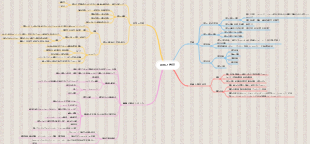
マネジメントとは計画を立てて実行すること
経営計画管理のための 8 つのステップのメソッド
1. 計画の策定と管理
1. タスク名は正確です
タスクとはどういう意味ですか (動詞名詞)
2. 目標は明確で数えられるものである
タスクの目標は、達成すべき作業の程度と達成された結果です (目標の達成は目に見えたり、カウントされたりすることができます)
3. 仕事の責任は人々に割り当てられます
誰が山の湧水を作ったのか具体的に明記する
4. 完了までの時間は最大数日です
Time to day には 2 つの意味があります。1 つは完了までの日数、もう 1 つは完了期限の日です。
対策は具体的かつ効果的
対策とは、その方法を指します。
仕事の内訳
責任の内訳
手順の内訳
メソッドの分解
この措置では、仕事が混乱せずに組織化されるように、従業員が物事をどのように行うべきかを知る方法を指定します。
2. 計画の分解
年間計画の内訳
特定の問題を解決することよりも、困難への恐怖を克服し、上司のイニシアチブを動員するための「アイデアを出し、方法を見つける」ことが重要です。
年月週の内訳
下位計画が実現可能かどうかを検討します。
部下の従業員の計画目標値の合計がシステム目標値以上であるかどうかを確認します。
部下の従業員が策定した目標計画の合計が会社の目標要件を下回る場合は、分解方法を再議論し、保守的な従業員にはさらにプレッシャーを与え、潜在的な従業員にはプレッシャーを強め、気弱な従業員を励まし、確実な目標を達成する必要があります。会社の目標分解が実装されていること。
月額プランの内訳
空に分解されて
年間計画の内訳です。
3. フィードバックを計画する
1.フィードバックとは
タスクを完了するには、すぐに応答する必要があります。
2. フィードバックが必要な場合
作業プロセス全体にわたるフィードバック
タスクを割り当てるときにフィードバックを求める
任務は何ですか
目的は何ですか
いつまで掛かる
方法は何ですか
結果は何ですか?
実装中に抵抗が生じた場合は、フィードバックを提供する必要があります。
従業員はまず問題を分析します --- 原因 --- 解決策を見つけます --- フィードバック --- 解決策
タスクが完了したらフィードバックを提供する
仕事が予定より早く完了した場合でも、ミスがあった場合でも、タイムリーにフィードバックを与える必要があります。
4. 計画の実行
1. 社員は計画通りに仕事を進める(計画がしっかりしていれば仕事はスムーズに進む)
2. 主要なノードでスーパーバイザーがチェックします (問題の芽を摘み取ります。放置せずに、座って見守ることができます)
3. 従業員は問題を発見したら、適時に報告する必要があります(問題を報告することを恐れる従業員はもちろん、問題を報告する場所を従業員に与えてはなりません)
問題を発見することによってのみ、問題を解決することができるのは当たり前のことです。
4. 監督者は逸脱を発見した場合、直ちに修正します。
5. 特別な状況が発生した場合の計画の調整
6. 仕事の経験や教訓を上手に要約する
5. 計画実施検査
1. チェックする理由
計画の実行の質、従業員のパフォーマンスのレベル、概要、調査結果、ポリシーのすべてをチェックする必要があります。
2. 検査方法
1. スポットチェック
2. チェック
3. 企業外部検査
4. タイミングを確認する
5. 検査上の注意事項
6. 計画実施の賞罰
報酬は多く、罰は少なくすべきです。第一に、報酬の数は罰の数よりも多くなければなりません。第二に、報酬の量は罰の量よりも多くなければなりません。
1. 賞罰を実施する場合、次のような事態は避けなければなりません。
罰金だけで賞金なし、または罰金が多くて賞金が少ない
縁故主義、恣意的な賞罰
適当にやって途中で諦める
2. 報酬に注目する
基準が確立され、誰もが平等に扱われます
基準を超えれば表彰され、例外も認められます。
年始には予定が入っていますが、年末になっても予定は変わりません。 (従業員の報酬が多すぎるからといって、年末に報酬基準を変更しないように注意してください)
7. 計画実行の概要
成功は計画から生まれ、成長はまとめから生まれる
1. なぜ要約する必要があるのですか?
経験は一般化することができ、学んだ教訓は警告として十分に機能します (すべてが完了したため、要約を書く必要はありません)。
忙しければ忙しいほど、要約を書く必要があります(理由を見つけて忙しい問題を解決する)
代替(やるべきことが減り、要約を書くことができない)
企業概要の作成要件の種類
8. 継続的な改善
経営を継続的に改善することが、企業の成長と進歩への唯一の方法です。
継続的改善を堅持する企業は必ずしも早く進むとは限りませんが、確実にさらに前進するでしょう。
9. 計画管理をエンタープライズ システムに変える