マインドマップギャラリー Feynman Learning Method-Structure Chart
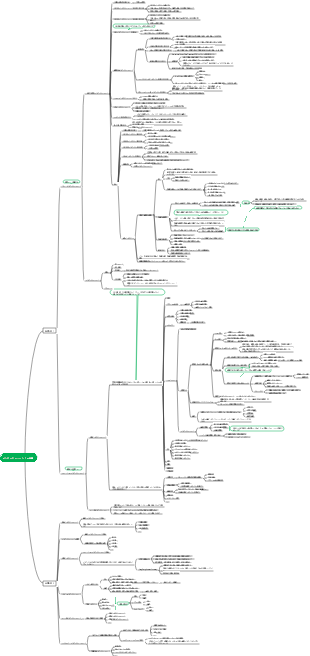
Introduction This is a mind map about the structure diagram of Feynman's learning method. This mind map introduces the origin, advantages, main points, core ideas, main steps and key points of Feynman's learning method.
2021-08-19 03:13:45 に編集されましたThis template, created with EdrawMind, provides a structured workflow for weekly coordination meetings focused on MEP (Mechanical, Electrical, Plumbing) pipeline layout. It follows a four-stage cycle: starting with Issue Identification (Clash Detection) to detect pipeline conflicts, moving to Meeting Agenda preparation to define discussion topics, then On-site Discussion to review and resolve issues on the construction site, and finally Resolution & Update to document solutions and track progress. This template can be reused to standardize MEP coordination processes, ensuring clear communication, efficient problem-solving, and smooth construction progress.
This template, created with EdrawMind, outlines a quarterly checklist for preparing materials for green building certification. It is divided into four sequential quarters: Q1 focuses on Basic Material Preparation, including collecting project approval documents and compiling self-assessment reports; Q2 covers Technical Data Improvement, such as organizing energy consumption calculation books and preparing green construction proof materials; Q3 involves On-site Inspection Preparation, including organizing construction process materials and verifying certification standards; and Q4 is for Formal Application, which includes completing online reporting and cooperating with expert on-site reviews. This template can be reused to systematically prepare for green building certification, ensuring all requirements are met and the process is efficient.
This template, created with EdrawMind, provides a comprehensive framework for daily monitoring of deep foundation pit construction. It covers six key monitoring areas: Retaining Wall Top Displacement, Settlement of Surrounding Buildings, Groundwater Level, Pit Bottom Heave, Support Axial Force, and Data Summary & Analysis. Each section specifies monitoring points, frequency, and warning values to ensure safety. The template can be reused to standardize monitoring practices, track structural stability, and trigger immediate alarms if warning thresholds are exceeded, thus mitigating risks during foundation pit construction.
This template, created with EdrawMind, provides a structured workflow for weekly coordination meetings focused on MEP (Mechanical, Electrical, Plumbing) pipeline layout. It follows a four-stage cycle: starting with Issue Identification (Clash Detection) to detect pipeline conflicts, moving to Meeting Agenda preparation to define discussion topics, then On-site Discussion to review and resolve issues on the construction site, and finally Resolution & Update to document solutions and track progress. This template can be reused to standardize MEP coordination processes, ensuring clear communication, efficient problem-solving, and smooth construction progress.
This template, created with EdrawMind, outlines a quarterly checklist for preparing materials for green building certification. It is divided into four sequential quarters: Q1 focuses on Basic Material Preparation, including collecting project approval documents and compiling self-assessment reports; Q2 covers Technical Data Improvement, such as organizing energy consumption calculation books and preparing green construction proof materials; Q3 involves On-site Inspection Preparation, including organizing construction process materials and verifying certification standards; and Q4 is for Formal Application, which includes completing online reporting and cooperating with expert on-site reviews. This template can be reused to systematically prepare for green building certification, ensuring all requirements are met and the process is efficient.
This template, created with EdrawMind, provides a comprehensive framework for daily monitoring of deep foundation pit construction. It covers six key monitoring areas: Retaining Wall Top Displacement, Settlement of Surrounding Buildings, Groundwater Level, Pit Bottom Heave, Support Axial Force, and Data Summary & Analysis. Each section specifies monitoring points, frequency, and warning values to ensure safety. The template can be reused to standardize monitoring practices, track structural stability, and trigger immediate alarms if warning thresholds are exceeded, thus mitigating risks during foundation pit construction.
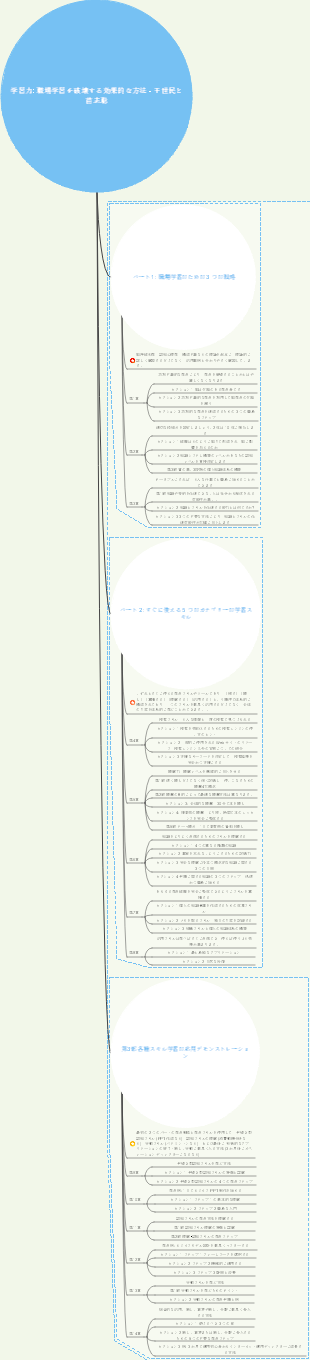
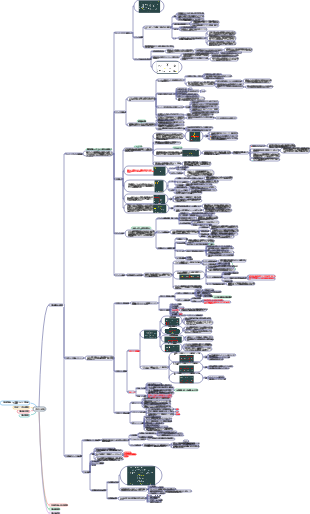
Feynman learning method
What is the Feynman Learning Method?
The Feynman learning method is an efficient learning method proposed by the famous American physicist and Nobel Prize winner Richard Phillips Feynman. By conducting multiple "teaching instead of learning" sessions to complete the learning, understanding and application of knowledge, a knowledge retention rate of up to 90% can be achieved.
What are the functions or benefits of the Feynman Learning Method? Or why should we use Feynman learning method?
Efficient
Up to 90% knowledge retention rate
Less repeated learning
Turn passive learning into active learning
Turn knowledge learning into ability learning - strengthen understanding and application
The main points
The essence of learning is to establish effective connections with the real world. It is not only learning to cope with the future, but also learning to establish effective connections with the present and the present.
Learning is fundamentally a competition of ways of thinking, not a competition of knowledge storage, nor a competition for degrees.
Learning is not just about learning knowledge, but more importantly the ability to understand, apply and create to solve practical problems
The purpose of learning should not be utilitarian, paranoid, or rigid, but should be full of interest and concentration in the learning itself
Learning should not be passive but active
To fall in love with learning, make learning simple and interesting
Good learning methods enable people to have open thinking, critical thinking, logical thinking, and clear and concise expression
Good learning methods can create a grand vision and a sharp understanding of the world for a person, making us have foresight, penetration and wisdom
main idea
When you are ready to learn a new knowledge, you must stand in the position of a teacher and assume that you want to explain this knowledge to others. Then you must express it in the most concise, clear and easy-to-understand language so that people outside the industry can understand it. That is "teaching instead of learning".
The main steps
1. Determine what you want to study and your goals
2. Understand what and what you want to study
3. Teaching instead of learning, output instead of input
4. Review and reflect
5. Achieve simplification and absorption of knowledge