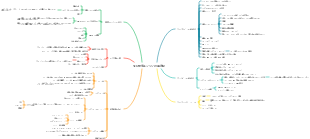
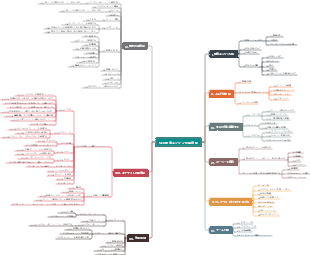
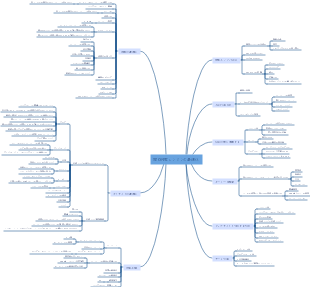
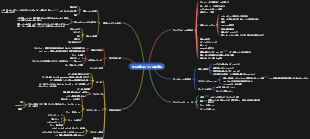
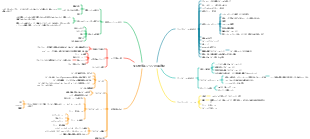
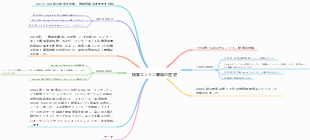
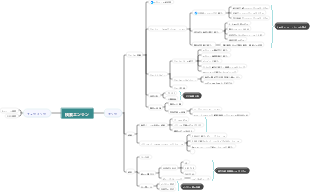
This is a mind map of assessing and managing hypovolemic shock. You can make and share your own mind maps easily. Just try EdrawMind mind mapping software for free!
Hemorrhage is the most common cause of shock in trauma patients.
EARLIEST SIGN
decrease B.Volume
increase heart rate
TACHYCARDIA
low blood pressure
Any injured patient who is cool to the touch and is tachycardic should be considered to be in shock until proven otherwise.
INITIAL ASSESSMENT
Relying solely on systolic blood pressure as an indicator of shock can delay recognition of the Shock.
PITFALL
Diagnosis of shock can be missed when only a single parameter is used
Use all clinical information.
ABG
serum lactate.
Massive blood loss may produce only a slight decrease in initial hematocrit or hemoglobin concentration.
The presence of shock in atrauma patient warrants the immediate involvement of a surgeon.
Strongly consider arranging for early transfer of these patients to a trauma center when they present to hospitals that are not equipped to manage their injuries.
Physiologic Classification
Class I hemorrhage
<15% Blood Volume Loss
hemorrhage are minimal
minimal tachycardia
No changes in blood pressure, pulse pressure, or respiratory rate.
Class II hemorrhage
15% to 30% Blood Volume Loss
tachycardia
tachypnea
decreased pulse pressure
rise in diastolic blood pressure
most are stabilized initially with crystalloid solutions.
Class III hemorrhage
31% to 40% Blood Volume Loss
tachycardia
tachypnea
changes in mental status
fall in systolic blood pressure
The priority of initial management is to stop the hemorrhage, by emergency operation or embolization, if necessary.
Class IV hemorrhage
>40% Blood Volume Loss
tachycardia
decrease in systolic blood pressure
Urinary output is negligible
Initial Management of
Hemorrhagic Shock
The basic management principle is to stop the bleeding and replace the volume loss.
Physical Examination
focused on diagnosing immediately life-threatening injuries and assessing the ABCDEs
Airway and Breathing
Circulation: Hemorrhage Control
Disability: Neurological Examination
Exposure: Complete Examination
COMPLETE EXAMINATION When exposing a patient, it is essential to prevent hypothermia, a condition that can exacerbate blood loss by contributing to coagulopathy and worsening acidosis.
Gastric Dilation: Decompression
In unconscious patients, gastric distention increases the risk of aspiration of gastric contents, a potentially fatal complication.
Urinary Catheterization
Vascular Access
Initial Fluid Therapy
Warmed fluid bolus of isotonic fluid. The usual dose is 1 liter for adults and 20 mL/kg for pediatric <40 Kg.
Overview of Hemorrhagic Shock
CXR
PELVIC X- ray
FAST
Blood Replacement
Crossmatched, Type-Specific, and Type O Blood
Prevent Hypothermia
The most efficient way to prevent hypothermia in any patient receiving massive resuscitation of crystalloid and blood is to heat the fluid to 39°C (102.2°F) before infusing it.
Autotransfusion
Massive Transfusion
> 10 units of pRBCs within the first 24 hours of admission or more than 4 units in 1 hour.
Coagulopathy
ranexamic acid in the prehospital setting to severely injured patients,drug is administered within 3 hours of injury,the first dose is usually given over 10 minutes and is administered in the field, the follow-up dose of 1 gram is given over 8 hours.
Calcium Administration
Special Considera tions
Equating Blood Pressure to CardiacOutput
Advanced Age
Athletes
Pregnancy
Medications
Hypothermia
Presence of Pacemaker or Implantable Cardioverter-Defibrillator
Reassessing Patient Response an d Avoiding Complications
Continued Hemorrhage
Monitoring
Recognition of Other Problems
CONFOUNDING FACTORS
• Patient age
• Severity of injury, particularly the type and anatomic location of injury
• Time lapse between injury and initiation of treatment