Wondershare EdrawMind
マインドマップギャラリー 苦情 緊急事態の日次対応
苦情 緊急事態の日次対応
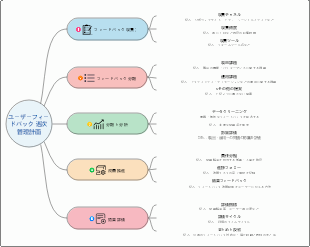
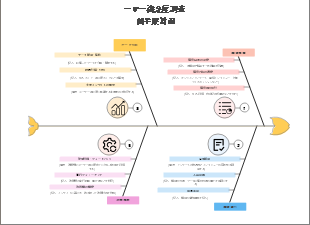
本資料は、苦情や緊急事態が発生した際に、組織全体で一貫した対応を実施するための5 段階プロセスフレームワークです。対応フェーズ、処理フェーズ、エスカレーションフェーズ、レビューフェーズ、影響制御フェーズに分かれ、事態の沈静化から信頼回復までを体系的に管理します。 対応フェーズでは、苦情受付、情報登録、初回対応を実施し、電話・メールなどの受付チャネルを明確化し、苦情の内容と初回対応の時間・内容を記録して事実確認を徹底します。処理フェーズでは、状況確認、解決策立案、解決実施を行い、事実の真実性と詳細を確認した上で、解決策を作成・実行します。 エスカレーションフェーズでは、エスカレーション基準定義、プロセス、特別対応を定め、上司や部門への連携・報告プロセスを明確化し、緊急事態には特別な対応を実施します。レビューフェーズでは、事象レビュー、原因分析、改善策立案を行い、事象のプロセスと状況を整理し、根本原因を分析して再発防止策を提案します。
2026-03-02 14:34:49 に編集されました
- Weekly Coordination Meeting Plan: MEP Pipeline Comprehensive Layout
This template, created with EdrawMind, provides a structured workflow for weekly coordination meetings focused on MEP (Mechanical, Electrical, Plumbing) pipeline layout. It follows a four-stage cycle: starting with Issue Identification (Clash Detection) to detect pipeline conflicts, moving to Meeting Agenda preparation to define discussion topics, then On-site Discussion to review and resolve issues on the construction site, and finally Resolution & Update to document solutions and track progress. This template can be reused to standardize MEP coordination processes, ensuring clear communication, efficient problem-solving, and smooth construction progress.
- Green Building Certification Quarterly Material Preparation Checklist
This template, created with EdrawMind, outlines a quarterly checklist for preparing materials for green building certification. It is divided into four sequential quarters: Q1 focuses on Basic Material Preparation, including collecting project approval documents and compiling self-assessment reports; Q2 covers Technical Data Improvement, such as organizing energy consumption calculation books and preparing green construction proof materials; Q3 involves On-site Inspection Preparation, including organizing construction process materials and verifying certification standards; and Q4 is for Formal Application, which includes completing online reporting and cooperating with expert on-site reviews. This template can be reused to systematically prepare for green building certification, ensuring all requirements are met and the process is efficient.
- Deep Foundation Pit Daily Monitoring Data Record Template
This template, created with EdrawMind, provides a comprehensive framework for daily monitoring of deep foundation pit construction. It covers six key monitoring areas: Retaining Wall Top Displacement, Settlement of Surrounding Buildings, Groundwater Level, Pit Bottom Heave, Support Axial Force, and Data Summary & Analysis. Each section specifies monitoring points, frequency, and warning values to ensure safety. The template can be reused to standardize monitoring practices, track structural stability, and trigger immediate alarms if warning thresholds are exceeded, thus mitigating risks during foundation pit construction.
苦情 緊急事態の日次対応
- Weekly Coordination Meeting Plan: MEP Pipeline Comprehensive Layout
This template, created with EdrawMind, provides a structured workflow for weekly coordination meetings focused on MEP (Mechanical, Electrical, Plumbing) pipeline layout. It follows a four-stage cycle: starting with Issue Identification (Clash Detection) to detect pipeline conflicts, moving to Meeting Agenda preparation to define discussion topics, then On-site Discussion to review and resolve issues on the construction site, and finally Resolution & Update to document solutions and track progress. This template can be reused to standardize MEP coordination processes, ensuring clear communication, efficient problem-solving, and smooth construction progress.
- Green Building Certification Quarterly Material Preparation Checklist
This template, created with EdrawMind, outlines a quarterly checklist for preparing materials for green building certification. It is divided into four sequential quarters: Q1 focuses on Basic Material Preparation, including collecting project approval documents and compiling self-assessment reports; Q2 covers Technical Data Improvement, such as organizing energy consumption calculation books and preparing green construction proof materials; Q3 involves On-site Inspection Preparation, including organizing construction process materials and verifying certification standards; and Q4 is for Formal Application, which includes completing online reporting and cooperating with expert on-site reviews. This template can be reused to systematically prepare for green building certification, ensuring all requirements are met and the process is efficient.
- Deep Foundation Pit Daily Monitoring Data Record Template
This template, created with EdrawMind, provides a comprehensive framework for daily monitoring of deep foundation pit construction. It covers six key monitoring areas: Retaining Wall Top Displacement, Settlement of Surrounding Buildings, Groundwater Level, Pit Bottom Heave, Support Axial Force, and Data Summary & Analysis. Each section specifies monitoring points, frequency, and warning values to ensure safety. The template can be reused to standardize monitoring practices, track structural stability, and trigger immediate alarms if warning thresholds are exceeded, thus mitigating risks during foundation pit construction.
- おすすめ
- アウトライン