Wondershare EdrawMind
マインドマップギャラリー Pinduoduo商品メイン画像およびショート動画コンテンツ設計
Pinduoduo商品メイン画像およびショート動画コンテンツ設計
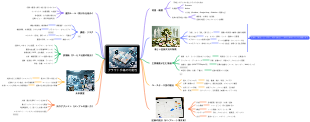
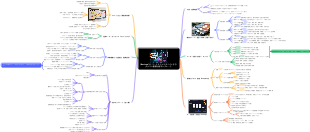
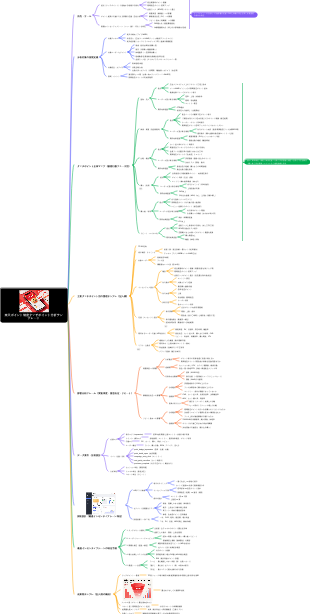
このコンテンツは、Pinduoduoにおける商品メイン画像およびショート動画設計を、単なるビジュアル制作ではなく「価格重視ユーザーの意思決定を最短で完了させるための転換特化型情報設計」として整理したものである。その本質は、ユーザーが比較検討に時間をかける前に、「この商品が最も安く、合理的である」という理解を瞬時に成立させる点にある。 まず前提として、ターゲットユーザーの特性は明確に価格志向であり、意思決定において最も重視されるのは品質やブランドよりも「価格差の合理性」である。そのためコンテンツ設計は、感覚的な訴求ではなく、即時的な理解と比較優位性の提示を中心に構築される必要がある。 ユーザーの意思決定プロセスは一般的に、「価格認知→比較判断→不安確認→即決」という短いサイクルで構成される。この中で最も重要なのは最初の数秒であり、ここで価格優位性が理解できなければ離脱が発生する。そのためメイン画像およびショート動画は、情報の“圧縮提示”と“視覚的即時理解”が最優先となる。 まず「コンテンツ設計の基本原則」として重要なのは、情報の階層化である。最も強調すべきは価格そのものであり、次に割引理由、さらに比較優位性、最後に信頼要素という順序で視線誘導を設計する必要がある。この順序が崩れると、ユーザーは価値判断に到達する前に離脱する可能性が高くなる。 次に「メイン画像設計」においては、視覚インパクトの最大化が核心となる。レイアウトはシンプルでありながら情報密度が高い必要があり、価格・割引・数量・限定性などを一画面内で直感的に理解できるように配置する。特に価格は最も視認性の高い位置に配置され、他の情報よりも優先的に認識される必要がある。 色使いについては、価格訴求においてはコントラストの強い配色が有効であり、割引や特価情報は視覚的に即座に認識できる色で強調されるべきである。ただし過度な装飾は信頼性を損なうため、情報の明確性を優先したミニマルな設計が求められる。 タイポグラフィにおいても重要なのは「情報の優先順位可視化」である。価格や割引率は太字・大サイズで表示し、補足情報は相対的に弱い表現にすることで、ユーザーの視線が自然に重要情報へと誘導される構造を作る。 次に「ショート動画設計」では、静止画像よりもさらに短時間で理解を完結させる必要がある。動画は通常数秒以内で「価格メリット」「使用シーン」「比較優位性」を提示し、視聴維持率を前提にした情報分割設計が行われる。冒頭では強いフックとして価格訴求を提示し、その後に補強情報を短く重ねる構造が有効である。 また、信頼構築要素も重要な役割を持つ。価格が安いだけでは不安が生じるため、レビュー要素、実物映像、使用シーン、品質保証などを補助的に配置することで、「安いが問題ない」という認識を形成する必要がある。これは価格訴求と信頼補強のバランス設計である。 さらにユーザーの意思決定を加速させるためには、「即決理由の明示」が重要である。例えば期間限定、数量限定、まとめ買い割引などの要素を組み込むことで、比較検討フェーズを短縮し、即時購入へと導くことができる。 最終的にこの設計は、「視覚コンテンツによる情報圧縮と意思決定の自動化」である。メイン画像とショート動画は単なる商品紹介ではなく、ユーザーの比較・判断プロセスを省略し、「価格的に最も合理的である」という結論へ瞬時に到達させるための設計装置として機能する。その結果として、購入までのプロセスは短縮され、CVR最大化が実現される構造となる。
2026-03-25 13:43:51 に編集されました
- Sistema de servicios de plataforma de marketing de marca Little Red Book
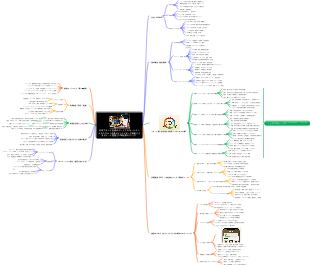
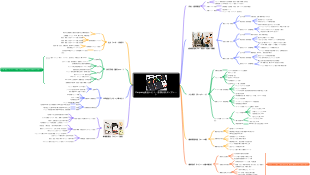
Esta plantilla, creada con EdrawMind, es un modelo completo de sistema de servicios de marketing para marcas en la plataforma Little Red Book, con un texto que supera los 500 palabras. Diseñada para equipos de marketing y marcas que buscan implementar estrategias efectivas en esta red social, la plantilla se organiza en seis bloques funcionales que cubren todo el ciclo de marketing, desde la planificación estratégica hasta la medición y optimización de resultados. El primer bloque es la organización de servicios basada en plataforma, que define el sistema de soporte principal: un equipo estratégico para la planificación integral, un equipo de contenido para proyectos creativos, un equipo de operaciones para la ejecución eficiente, un equipo de datos para el seguimiento de efectos y un sistema de coordinación que apoya el funcionamiento de todos los módulos del negocio. El segundo bloque se centra en la planificación estratégica e información, donde se implementan análisis de tendencias del mercado, información de audiencia y benchmarking competitivo basado en la plataforma, para proporcionar una orientación estratégica basada en datos. El tercer bloque es la estrategia de contenido y producción, que incluye el desarrollo de una matriz de contenido de marca, la implementación de planes y la producción creativa para asegurar el atractivo del contenido. El cuarto bloque es la asociación y asignación de negocios, que optimiza la entrega inteligente, compra tráfico a través de plataformas masivas y realiza todo el proceso de marketing, desde el contenido hasta la conversión. El quinto bloque es la gestión y colaboración de blogueros, que aprovecha la plataforma para explorar recursos de blogueros de alta calidad, desarrollar modelos de colaboración y lograr una siembra de contenido eficiente. Finalmente, el sexto bloque es el análisis y medición de datos (optimización de ciclo cerrado), que utiliza la plataforma y herramientas de ayuda para hacer un seguimiento de los da
- Sistema de gestión digital de 3 niveles para activación rural "prefectura, pueblo y aldea"
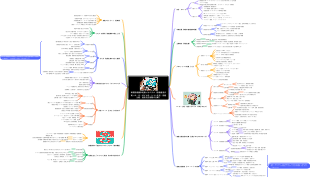
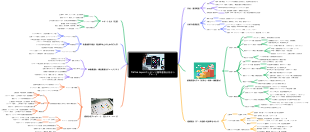
Esta plantilla, diseñada con EdrawMind, es un modelo de sistema de gestión digital estructurado en tres niveles para la activación rural, con un texto que supera los 500 palabras. Diseñada para gobiernos y organizaciones que buscan implementar la transformación digital en zonas rurales, la plantilla organiza el sistema en tres niveles: centro de decisión y ajuste a nivel provincial, supervisor a nivel local y centro de ajuste, y terminal de ejecución y cognición a nivel de aldea. El primer nivel, centro de decisión y ajuste a nivel provincial, incluye la coordinación global de políticas y recursos, la elaboración de normas y la coordinación de datos e inversión fiscal. También se encarga de la visualización integral de la gobernanza global, la construcción de un "mapa unificado de la gobernanza rural" y la macrovigilancia y análisis. Además, supervisa, evalúa y construye un sistema de evaluación del rendimiento para la ejecución efectiva del negocio. El segundo nivel, supervisor a nivel local y centro de ajuste, se dedica al desglose y supervisión de tareas, la recopilación y análisis de datos a nivel de aldea, y la orientación y capacitación empresarial para mejorar la capacidad digital del personal. El tercer nivel, terminal de ejecución y cognición a nivel de aldea, se encarga de la recopilación e informe de información, la gestión de tareas cotidianas y la promoción de políticas de retroalimentación. Gracias a la estructura visual de EdrawMind, este sistema permite a las organizaciones visualizar la estructura jerárquica de la gestión digital rural, facilitando la toma de decisiones, la supervisión y la ejecución en todos los niveles.
- Sistema integrado "en línea y fuera de línea" para usuarios de NIO
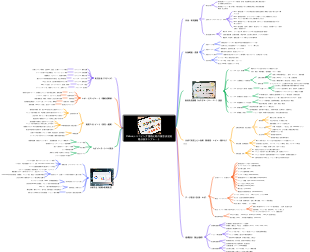
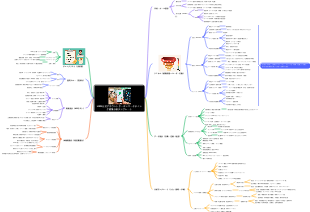
Esta plantilla, creada con EdrawMind, es un modelo de sistema integrado de experiencia del usuario para NIO, que combina servicios digitales en línea y experiencias físicas fuera de línea, con un texto que supera los 500 palabras. Diseñada para marcas de automoción que buscan mejorar la experiencia del cliente, la plantilla se organiza alrededor del "centro de usuario", con dos ejes principales: el ecosistema digital en línea y la red de experiencias offline. El ecosistema digital en línea (aplicación NIO) incluye tres módulos clave: comunidad e intercambio de contenido (con un promedio de 230,000 comentarios al día y respuestas en ciclo cerrado de 72 horas), servicio de una sola parada (control remoto de vehículos, recarga de energía y rescate de accidentes) y creación de valores e incentivos (crecimiento de la lealtad mediante el sistema de puntos y el intercambio de puntos). La red de experiencias offline (NIO House) también incluye tres módulos: un tercer espacio para el estilo de vida (con 7 zonas funcionales), actividades comunitarias y conexiones emocionales (con un promedio de 43 eventos dirigidos por el usuario al año) y un servicio exclusivo de compañeros (soporte dedicado 1-a-1 que cubre todo el ciclo de vida del vehículo). El sistema también destaca beneficios clave como el "close drop" (reserva en línea y experiencia offline), el uso impulsado por datos y un valor final de NPS del 72%. Gracias a la estructura visual de EdrawMind, este modelo permite a NIO visualizar cómo los servicios en línea y fuera de línea se integran para crear una experiencia del usuario completa y coherente.
Pinduoduo商品メイン画像およびショート動画コンテンツ設計
- Sistema de servicios de plataforma de marketing de marca Little Red Book
Esta plantilla, creada con EdrawMind, es un modelo completo de sistema de servicios de marketing para marcas en la plataforma Little Red Book, con un texto que supera los 500 palabras. Diseñada para equipos de marketing y marcas que buscan implementar estrategias efectivas en esta red social, la plantilla se organiza en seis bloques funcionales que cubren todo el ciclo de marketing, desde la planificación estratégica hasta la medición y optimización de resultados. El primer bloque es la organización de servicios basada en plataforma, que define el sistema de soporte principal: un equipo estratégico para la planificación integral, un equipo de contenido para proyectos creativos, un equipo de operaciones para la ejecución eficiente, un equipo de datos para el seguimiento de efectos y un sistema de coordinación que apoya el funcionamiento de todos los módulos del negocio. El segundo bloque se centra en la planificación estratégica e información, donde se implementan análisis de tendencias del mercado, información de audiencia y benchmarking competitivo basado en la plataforma, para proporcionar una orientación estratégica basada en datos. El tercer bloque es la estrategia de contenido y producción, que incluye el desarrollo de una matriz de contenido de marca, la implementación de planes y la producción creativa para asegurar el atractivo del contenido. El cuarto bloque es la asociación y asignación de negocios, que optimiza la entrega inteligente, compra tráfico a través de plataformas masivas y realiza todo el proceso de marketing, desde el contenido hasta la conversión. El quinto bloque es la gestión y colaboración de blogueros, que aprovecha la plataforma para explorar recursos de blogueros de alta calidad, desarrollar modelos de colaboración y lograr una siembra de contenido eficiente. Finalmente, el sexto bloque es el análisis y medición de datos (optimización de ciclo cerrado), que utiliza la plataforma y herramientas de ayuda para hacer un seguimiento de los da
- Sistema de gestión digital de 3 niveles para activación rural "prefectura, pueblo y aldea"
Esta plantilla, diseñada con EdrawMind, es un modelo de sistema de gestión digital estructurado en tres niveles para la activación rural, con un texto que supera los 500 palabras. Diseñada para gobiernos y organizaciones que buscan implementar la transformación digital en zonas rurales, la plantilla organiza el sistema en tres niveles: centro de decisión y ajuste a nivel provincial, supervisor a nivel local y centro de ajuste, y terminal de ejecución y cognición a nivel de aldea. El primer nivel, centro de decisión y ajuste a nivel provincial, incluye la coordinación global de políticas y recursos, la elaboración de normas y la coordinación de datos e inversión fiscal. También se encarga de la visualización integral de la gobernanza global, la construcción de un "mapa unificado de la gobernanza rural" y la macrovigilancia y análisis. Además, supervisa, evalúa y construye un sistema de evaluación del rendimiento para la ejecución efectiva del negocio. El segundo nivel, supervisor a nivel local y centro de ajuste, se dedica al desglose y supervisión de tareas, la recopilación y análisis de datos a nivel de aldea, y la orientación y capacitación empresarial para mejorar la capacidad digital del personal. El tercer nivel, terminal de ejecución y cognición a nivel de aldea, se encarga de la recopilación e informe de información, la gestión de tareas cotidianas y la promoción de políticas de retroalimentación. Gracias a la estructura visual de EdrawMind, este sistema permite a las organizaciones visualizar la estructura jerárquica de la gestión digital rural, facilitando la toma de decisiones, la supervisión y la ejecución en todos los niveles.
- Sistema integrado "en línea y fuera de línea" para usuarios de NIO
Esta plantilla, creada con EdrawMind, es un modelo de sistema integrado de experiencia del usuario para NIO, que combina servicios digitales en línea y experiencias físicas fuera de línea, con un texto que supera los 500 palabras. Diseñada para marcas de automoción que buscan mejorar la experiencia del cliente, la plantilla se organiza alrededor del "centro de usuario", con dos ejes principales: el ecosistema digital en línea y la red de experiencias offline. El ecosistema digital en línea (aplicación NIO) incluye tres módulos clave: comunidad e intercambio de contenido (con un promedio de 230,000 comentarios al día y respuestas en ciclo cerrado de 72 horas), servicio de una sola parada (control remoto de vehículos, recarga de energía y rescate de accidentes) y creación de valores e incentivos (crecimiento de la lealtad mediante el sistema de puntos y el intercambio de puntos). La red de experiencias offline (NIO House) también incluye tres módulos: un tercer espacio para el estilo de vida (con 7 zonas funcionales), actividades comunitarias y conexiones emocionales (con un promedio de 43 eventos dirigidos por el usuario al año) y un servicio exclusivo de compañeros (soporte dedicado 1-a-1 que cubre todo el ciclo de vida del vehículo). El sistema también destaca beneficios clave como el "close drop" (reserva en línea y experiencia offline), el uso impulsado por datos y un valor final de NPS del 72%. Gracias a la estructura visual de EdrawMind, este modelo permite a NIO visualizar cómo los servicios en línea y fuera de línea se integran para crear una experiencia del usuario completa y coherente.
- おすすめ
- アウトライン