マインドマップギャラリー 韓国TikTok Shop四半期マーケティング計画テンプレート
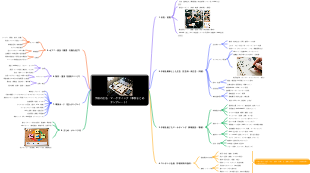
韓国TikTok Shopの四半期マーケティング計画は、売上の最大化と新規顧客の獲得を主要な目標として掲げており、これを達成するために、計画性と戦略性を持って進められます。計画全体は以下のような構成で進行し、各段階で明確な目標と具体的な施策が定められています。 まず、計画の初めに、目的とKPI(Key Performance Indicator)を設計します。目的は、四半期中に達成したい具体的な目標を明確に示すもので、売上の増加や新規顧客数の拡大などが挙げられます。KPIは、これらの目的を達成するための主要指標であり、売上高、客単価、コンバージョン率、新規顧客獲得数などが設定されます。これらの指標は、計画の進捗状況を定期的に評価し、必要に応じて施策を調整するための重要な基準となります。 次に、ターゲット市場や商品戦略を整理し、競合分析を行います。ターゲット市場の明確化は、マーケティング活動の効果を最大化するために不可欠です。韓国TikTok Shopでは、顧客の年齢層、性別、地域、購買嗜好などを考慮し、最も潜在力のある市場セグメントを特定します。同時に、商品戦略も重要であり、どのような商品を提供し、どのような価格設定にするかを決定します。さらに、競合分析を通じて、同業他社の強みや弱み、市場シェア、マーケティング手法などを把握し、自社の差別化戦略を立てます。 四半期全体の戦略として、基盤整備、拡大、最適化、大型販促の4つのフェーズに分けて進められます。基盤整備フェーズでは、TikTok Shopの基本的な機能やサービスの充実、顧客サービスの向上などに重点を置きます。拡大フェーズでは、新規顧客の獲得や市場シェアの拡大を目指し、広告宣伝やプロモーション活動を積極的に行います。最適化フェーズでは、既存の顧客をより有効に活用し、リピート率や客単価の向上を図ります。大型販促フェーズでは、特定のイベントや季節に合わせて、大規模なセールやキャンペーンを実施し、売上の大幅増加を目指します。 さらに、月別プランでは、立ち上げ検証から収益最大化までの具体的なアクションを策定します。月初めには、前月の成果を振り返り、次月の目標と施策を決定します。月中には、各施策の進捗状況を監視し、必要に応じて調整を加えます。月末には、成果を評価し、次月の計画に反映させます。具体的なアクションとしては、新商品の投入、広告の最適化、顧客への個別キャンペーン、SNSでのプロモーションなどが考えられます。 韓国TikTok Shopの四半期マーケティング計画は、目的とKPIの明確化、ターゲット市場と商品戦略の整理、競合分析、四半期全体の戦略フェーズ分け、月別プランの策定など、体系的かつ戦略的に進められます。これにより、売上の最大化と新規顧客の獲得という目標を達成し、韓国TikTok Shopの持続的な成長を支えます。
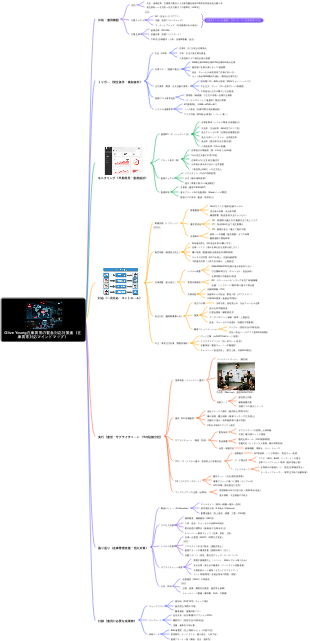
2026-03-25 15:05:15 に編集されました日本ショート動画コンテンツ効果評価体系は、視聴から転換までのプロセスを可視化し、改善の優先順位を明確にするためのモデルです。目的は、コンテンツ進行や視覚訴求が転換に与える影響を定量化し、TikTokやInstagram Reelsなどのプラットフォームでの効果を最大化することです。全体モデルでは、露出・再生、視聴品質、反応、行動、成果の各ファネルと主要KPIを分析し、指標分解を通じて具体的な改善要因を特定します。これにより、効果的なショート動画制作が可能になります
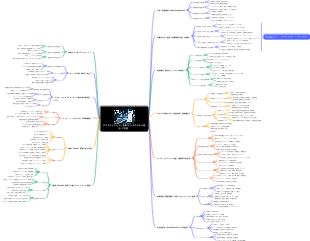
『鹿男あをによし』は、幻想と歴史が交差する奈良を舞台にした物語です。主人公は、日常生活の中で鹿や他の「語りかける存在」と遭遇し、土地の記憶と自己成長の交差を体験します。作品は、幻想と現実の境界、歴史文化の継承、アイデンティティと責任といった主要テーマを探求。鹿の象徴性や超常的コミュニケーションが物語を推進し、ミステリ的な要素とユーモアが融合しています。読者は、奈良の豊かな文化と共に、幻想の中で現代の意味を再考することができます
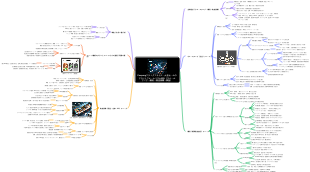
『神去なあなあ日常』は、都会から山村へ移り住んだ青年の成長を描いた物語です。本作では、著者や舞台設定、物語の視点が紹介され、あらすじでは彼の林業研修や村の人々との関わりが詳述されています。主人公の成長過程や人間関係の変化、そして共同体の規範や自然との共生といったテーマが展開されます。印象的な場面や心に残る言葉も含まれ、最後に読後の考察では「成長」や村の魅力と課題が考察されます
日本ショート動画コンテンツ効果評価体系は、視聴から転換までのプロセスを可視化し、改善の優先順位を明確にするためのモデルです。目的は、コンテンツ進行や視覚訴求が転換に与える影響を定量化し、TikTokやInstagram Reelsなどのプラットフォームでの効果を最大化することです。全体モデルでは、露出・再生、視聴品質、反応、行動、成果の各ファネルと主要KPIを分析し、指標分解を通じて具体的な改善要因を特定します。これにより、効果的なショート動画制作が可能になります
『鹿男あをによし』は、幻想と歴史が交差する奈良を舞台にした物語です。主人公は、日常生活の中で鹿や他の「語りかける存在」と遭遇し、土地の記憶と自己成長の交差を体験します。作品は、幻想と現実の境界、歴史文化の継承、アイデンティティと責任といった主要テーマを探求。鹿の象徴性や超常的コミュニケーションが物語を推進し、ミステリ的な要素とユーモアが融合しています。読者は、奈良の豊かな文化と共に、幻想の中で現代の意味を再考することができます
『神去なあなあ日常』は、都会から山村へ移り住んだ青年の成長を描いた物語です。本作では、著者や舞台設定、物語の視点が紹介され、あらすじでは彼の林業研修や村の人々との関わりが詳述されています。主人公の成長過程や人間関係の変化、そして共同体の規範や自然との共生といったテーマが展開されます。印象的な場面や心に残る言葉も含まれ、最後に読後の考察では「成長」や村の魅力と課題が考察されます
Home Depot PESTLE Analysis (Housing & Construction Trends)
Political Factors
Government infrastructure and housing initiatives
Federal/state infrastructure spending can stimulate construction demand
Affordable housing programs may shift demand toward value-oriented renovation and DIY
Building codes, permitting, and inspection regimes
Stricter codes can increase project complexity and drive professional contractor demand
Permit backlogs can delay projects, shifting sales timing and seasonality
Trade policy and tariffs on building materials
Tariffs on lumber, steel, appliances raise costs and pressure margins
Supply chain re-routing can change product availability and lead times
Local zoning and land-use regulation
Restrictive zoning can constrain new housing supply, increasing renovation/repair activity
Upzoning/ADU policies can boost demand for small-scale construction materials
Public sector stability and policy uncertainty
Election cycles may affect rates, construction incentives, and consumer confidence
Sudden policy shifts can disrupt supplier and sourcing strategies
Policy shapes demand timing (permits/codes), input costs (tariffs), and the remodel-vs-build balance (zoning/housing initiatives).
Economic Factors
Housing market cycle
New starts vs. remodel cycle: soft new builds often shift demand to repair/remodel
Existing home sales: turnover drives move-in renovations and big-ticket purchases
Interest rates and mortgage affordability
Higher rates reduce home purchases, may increase “stay-put” remodeling
Financing costs affect pro contractors’ project volume and homeowners’ budgets
Inflation in construction inputs
Lumber, copper, concrete, and freight volatility impacts ticket size and demand elasticity
Price shocks can cause project postponement or scope reduction
Labor market conditions (construction and retail)
Skilled labor shortages increase contractor pricing and lead times
Wage pressure impacts store labor costs and service levels
Consumer disposable income and confidence
Confidence influences discretionary home improvement (kitchens, baths, décor)
Downturns shift mix toward maintenance/repair essentials
Regional economic divergence
Sun Belt growth vs. slower regions affects store productivity and assortment needs
Local unemployment and home price trends drive localized demand patterns
Currency movements (if sourcing internationally)
Stronger dollar can reduce import costs; weaker dollar increases landed costs
FX volatility complicates pricing stability for appliances/tools
Social Factors
Homeownership and demographic shifts
Aging homeowners invest in accessibility (ramps, grab bars, single-level living)
Millennials forming households drive starter-home improvements and DIY learning
Urban vs. suburban living preferences
Suburbanization increases yard/outdoor and maintenance purchases
Urban condo living favors compact storage, small-space solutions, and delivery
DIY culture vs. “Do-It-For-Me” demand
DIY growth increases tool, paint, and project guidance needs
DIFM growth increases installation services and pro referrals
Remote work and home reconfiguration
Demand for home office builds, soundproofing, lighting, HVAC upgrades
More time at home increases wear-and-tear, boosting maintenance spend
Sustainability expectations among consumers
Preference for energy-efficient appliances, insulation, heat pumps
Demand for low-VOC paints and eco-certified lumber
Safety and resilience awareness
Storm preparedness increases generators, plywood, roofing supplies
Wildfire/flood risk drives defensible space, mitigation materials, and insurance-driven repairs
Cultural and community trends in design
Shifts in aesthetics influence flooring, cabinetry, and décor assortments
Social media accelerates trend cycles, affecting inventory planning
Technological Factors
E-commerce and omnichannel capabilities
Buy Online Pick Up In Store/curbside supports project-based shopping urgency
Ship-to-home for bulky items expands reach beyond store radius
Pro customer digital tools
Jobsite delivery scheduling, bulk ordering, and account management platforms
Integration with contractor workflows improves retention and share-of-wallet
Supply chain and inventory technology
Demand forecasting for seasonal and weather-driven categories
RFID/real-time inventory reduces out-of-stocks for project-critical items
Building technology and product innovation
Smart home devices (thermostats, security) drive new category growth
Advanced materials (composites, engineered lumber) change assortment and expertise needs
Data analytics and personalization
Targeted promotions based on home age, climate zone, and purchase history
Basket analysis to bundle project kits (e.g., deck building, bathroom refresh)
Automation and in-store tech
Self-checkout and mobile POS improve throughput during peak seasons
Workforce scheduling tools align staffing with demand spikes
Contractor and DIY education technology
Online tutorials, project calculators, AR visualization for paint/flooring
Virtual consultations increase conversion for complex projects
Legal Factors
Product safety and liability
Compliance with standards for tools, ladders, electrical components
Recalls and defect risks impact brand trust and costs
Employment and labor regulations
Minimum wage laws and scheduling requirements affect labor expense
Worker safety rules (OSHA) influence training and compliance programs
Consumer protection and warranty laws
Clear return policies and warranty handling critical for big-ticket items
Installation service contracts must meet disclosure requirements
Environmental and chemical regulations
Restrictions on VOCs, treated lumber chemicals, and hazardous materials handling
Disposal rules for batteries, paint, and appliances influence service offerings
Data privacy and cybersecurity requirements
Protecting customer and pro account data, payment information, and loyalty systems
Compliance with state privacy laws affects marketing and analytics
Antitrust and supplier contracting considerations
Fair dealing with suppliers and private-label practices
Managing exclusive arrangements without regulatory risk
Permitting and contractor licensing rules (service ecosystem)
Ensuring installers and subcontractors meet local licensing and insurance requirements
Compliance affects scalability of installation and pro services
Environmental Factors
Climate change impacts on housing and construction
More extreme weather increases repair demand (roofing, siding, flooding remediation)
Heat waves drive HVAC, insulation, and reflective roofing demand
Resource scarcity and sustainable forestry
Lumber supply constraints affect pricing and availability
Preference for certified wood and recycled-content materials
Energy transition and electrification
Growth in heat pumps, induction ranges, EV chargers, and electrical panel upgrades
Grid constraints may increase demand for backup power and energy storage readiness
Waste reduction and circular economy
Demand for recycling services (appliances, batteries) and reduced packaging
Materials reuse trends influence product lines and partnerships
Water conservation trends
Low-flow fixtures, drought-tolerant landscaping, irrigation efficiency products
Regional drought policies shift outdoor category demand
Environmental compliance in logistics
Fleet emissions reduction and route optimization
Distribution center efficiency and renewable energy adoption
Local environmental risks
Hurricane zones: storm shutters, impact windows, fasteners
Wildfire zones: fire-resistant materials, ember-proof vents, defensible landscaping
Implications for Home Depot (Housing & Construction Trends)
Demand mix shifts by housing cycle
Slow new construction can be offset by repair/remodel and maintenance categories
Turnover spikes drive big-ticket refresh spending (flooring, appliances, kitchens)
Pricing and margin management
Input inflation and tariffs require dynamic pricing and private-label positioning
Pro-focused volume strategies can stabilize revenue during consumer softness
Pro ecosystem as a stabilizer
Contractor loyalty programs and jobsite delivery align with professionalized remodeling trends
Credit and account services support project financing amid higher rates
Assortment and merchandising strategy
Regionalized assortments based on climate, codes, and demographic trends
Emphasis on energy efficiency, resilience, and smart home categories
Operational priorities
Inventory resilience for seasonal/weather events and project-critical SKUs
Workforce training for new technologies (heat pumps, smart devices, advanced materials)
Risk management
Supply chain diversification to mitigate geopolitical and climate disruptions
Strong compliance, product quality controls, and cybersecurity posture