Wondershare EdrawMind
マインドマップギャラリー 韓国Instagram KOL販売促進マーケティング予算計画テンプレート
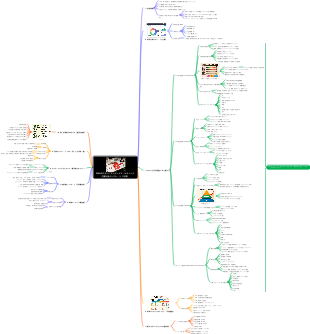
韓国Instagram KOL販売促進マーケティング予算計画テンプレート
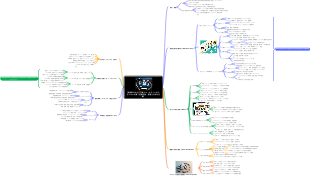
韓国Instagram KOL販売促進マーケティング予算計画テンプレートは、K-POPやK-Beautyなどのトレンドが世界を席巻する中、日本市場において韓国ブランドや韓国関連商品を効果的にプロモーションし、確実な成果を上げるための必須ツールです。このテンプレートは、単なる費用の積算にとどまらず、マーケティングの目的から逆算して最適なリソースを配分し、投資対効果を最大化するための体系的なフレームワークを提供します。限られた予算の中で、いかにして認知拡大から売上向上までの目標を達成するか、その成功への道筋を明確に示します。 まず、計画の基盤となる「目的やKPIの設計」においては、キャンペーンの成功を定義する具体的な数値目標を設定します。単に「有名になりたい」「売りたい」という漠然とした目標ではなく、「3ヶ月以内にInstagram上でのブランド言及数を50%増加させる」「キャンペーン期間中のウェブサイトへの流入数を10,000セッションにする」「KOL経由のクーポンコードによる売上を500万円達成する」といった、具体的で測定可能な目標(SMARTの原則)を掲げます。これに伴い、認知フェーズではインプレッション数やリーチ数、エンゲージメントフェーズではいいね数、コメント数、保存数、シェア数、そして転換フェーズではリンククリック数やコンバージョン率、ROAS(広告費用対効果)といったKPIを設定し、各段階での進捗を客観的に評価できる体制を整えます。 次に、「前提条件の明確化」においては、キャンペーンを成功させるための環境要因を整理します。これには、ターゲットとする顧客層(ペルソナ)の明確化(例:20代女性、韓国コスメに関心が高い、Instagramを日常的に利用する)、プロモーションする商品やサービスの特性、競合他社の動向、そしてキャンペーンの実施期間や季節性などが含まれます。特に韓国市場に関連するプロモーションでは、日韓の文化的な違いや、韓国発のトレンドが日本でどのように受容されるかというインサイトを踏まえることが重要です。これらの前提条件を共有することで、後続のKOL選定やコンテンツ戦略がぶれることなく、一貫性を持った施策を展開できます。 「KOL戦略の選定と配分」においては、予算計画の核心となる、どのインフルエンサーにいくら投資するかを決定します。ここでは、KOLをフォロワー数や影響力の規模によってNano(1万人未満)、Micro(1万〜10万人)、Macro(10万〜100万人)、Mega(100万人以上)に分類し、それぞれの役割を理解した上で予算を配分します。認知拡大を主目的とする場合は、リーチの広いMacroやMegaインフルエンサーに予算の重点を置き、ブランドの知名度を一気に高めます。一方、信頼獲得や購買転換を重視する場合は、ファンとの関係性が深く、エンゲージメント率の高いMicroやNanoインフルエンサーを多数起用し、よりリアルで説得力のある口コミを拡散します。多くの場合、これらを組み合わせたポートフォリオ戦略が有効であり、例えば予算の40%をMacro/Megaに、60%をMicro/Nanoに配分するなどのバランスを設計します。 「全体予算の設計」においては、KOLへの協業費だけでなく、キャンペーンを成功させるために必要なすべてのコストを網羅的に洗い出します。これには、KOLへの報酬(金銭的報酬、商品提供の原価)、コンテンツ制作費(写真や動画の撮影、編集)、広告宣伝費(KOLの投稿を広告として出稿する費用)、キャンペーン運営費(企画、進行管理、効果測定ツールの利用料)、そして予期せぬ事態に備える予備費などが含まれます。全体予算を明確にすることで、各項目に無理のない予算配分が可能となり、キャンペーンの途中で資金が不足するといったリスクを回避できます。 最後に、「協業費の計画」においては、選定したKOLへの具体的な報酬額を算定します。一般的に、KOLの報酬はフォロワー数、エンゲージメント率、過去の案件実績、プラットフォーム(Instagramの投稿、ストーリーズ、リール動画など)、そしてコンテンツの使用権(広告への転用可否)などによって変動します。本テンプレートでは、これらの要素を考慮し、市場相場に基づいた適正な報酬額を提示します。例えば、Nanoインフルエンサーには製品提供を主とした協業を提案し、Microインフルエンサーには少額の報酬と製品提供を組み合わせ、Macroインフルエンサーには成果に応じたインセンティブを設けるなど、KOLの規模や交渉力に応じた柔軟な協業費の設計を支援します。 このように、5つの構成要素を体系的に検討し、詳細な予算計画を策定することで、韓国Instagram KOLを活用
2026-03-25 15:08:22 に編集されました
- Sistema de servicios de plataforma de marketing de marca Little Red Book
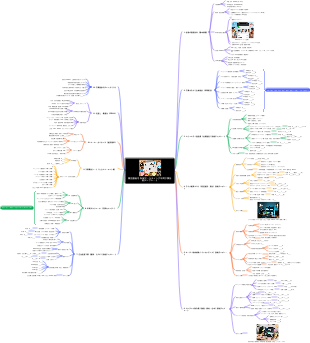
Esta plantilla, creada con EdrawMind, es un modelo completo de sistema de servicios de marketing para marcas en la plataforma Little Red Book, con un texto que supera los 500 palabras. Diseñada para equipos de marketing y marcas que buscan implementar estrategias efectivas en esta red social, la plantilla se organiza en seis bloques funcionales que cubren todo el ciclo de marketing, desde la planificación estratégica hasta la medición y optimización de resultados. El primer bloque es la organización de servicios basada en plataforma, que define el sistema de soporte principal: un equipo estratégico para la planificación integral, un equipo de contenido para proyectos creativos, un equipo de operaciones para la ejecución eficiente, un equipo de datos para el seguimiento de efectos y un sistema de coordinación que apoya el funcionamiento de todos los módulos del negocio. El segundo bloque se centra en la planificación estratégica e información, donde se implementan análisis de tendencias del mercado, información de audiencia y benchmarking competitivo basado en la plataforma, para proporcionar una orientación estratégica basada en datos. El tercer bloque es la estrategia de contenido y producción, que incluye el desarrollo de una matriz de contenido de marca, la implementación de planes y la producción creativa para asegurar el atractivo del contenido. El cuarto bloque es la asociación y asignación de negocios, que optimiza la entrega inteligente, compra tráfico a través de plataformas masivas y realiza todo el proceso de marketing, desde el contenido hasta la conversión. El quinto bloque es la gestión y colaboración de blogueros, que aprovecha la plataforma para explorar recursos de blogueros de alta calidad, desarrollar modelos de colaboración y lograr una siembra de contenido eficiente. Finalmente, el sexto bloque es el análisis y medición de datos (optimización de ciclo cerrado), que utiliza la plataforma y herramientas de ayuda para hacer un seguimiento de los da
- Sistema de gestión digital de 3 niveles para activación rural "prefectura, pueblo y aldea"
Esta plantilla, diseñada con EdrawMind, es un modelo de sistema de gestión digital estructurado en tres niveles para la activación rural, con un texto que supera los 500 palabras. Diseñada para gobiernos y organizaciones que buscan implementar la transformación digital en zonas rurales, la plantilla organiza el sistema en tres niveles: centro de decisión y ajuste a nivel provincial, supervisor a nivel local y centro de ajuste, y terminal de ejecución y cognición a nivel de aldea. El primer nivel, centro de decisión y ajuste a nivel provincial, incluye la coordinación global de políticas y recursos, la elaboración de normas y la coordinación de datos e inversión fiscal. También se encarga de la visualización integral de la gobernanza global, la construcción de un "mapa unificado de la gobernanza rural" y la macrovigilancia y análisis. Además, supervisa, evalúa y construye un sistema de evaluación del rendimiento para la ejecución efectiva del negocio. El segundo nivel, supervisor a nivel local y centro de ajuste, se dedica al desglose y supervisión de tareas, la recopilación y análisis de datos a nivel de aldea, y la orientación y capacitación empresarial para mejorar la capacidad digital del personal. El tercer nivel, terminal de ejecución y cognición a nivel de aldea, se encarga de la recopilación e informe de información, la gestión de tareas cotidianas y la promoción de políticas de retroalimentación. Gracias a la estructura visual de EdrawMind, este sistema permite a las organizaciones visualizar la estructura jerárquica de la gestión digital rural, facilitando la toma de decisiones, la supervisión y la ejecución en todos los niveles.
- Sistema integrado "en línea y fuera de línea" para usuarios de NIO
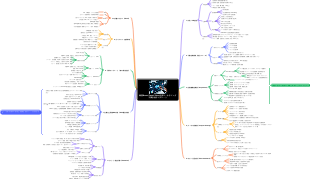
Esta plantilla, creada con EdrawMind, es un modelo de sistema integrado de experiencia del usuario para NIO, que combina servicios digitales en línea y experiencias físicas fuera de línea, con un texto que supera los 500 palabras. Diseñada para marcas de automoción que buscan mejorar la experiencia del cliente, la plantilla se organiza alrededor del "centro de usuario", con dos ejes principales: el ecosistema digital en línea y la red de experiencias offline. El ecosistema digital en línea (aplicación NIO) incluye tres módulos clave: comunidad e intercambio de contenido (con un promedio de 230,000 comentarios al día y respuestas en ciclo cerrado de 72 horas), servicio de una sola parada (control remoto de vehículos, recarga de energía y rescate de accidentes) y creación de valores e incentivos (crecimiento de la lealtad mediante el sistema de puntos y el intercambio de puntos). La red de experiencias offline (NIO House) también incluye tres módulos: un tercer espacio para el estilo de vida (con 7 zonas funcionales), actividades comunitarias y conexiones emocionales (con un promedio de 43 eventos dirigidos por el usuario al año) y un servicio exclusivo de compañeros (soporte dedicado 1-a-1 que cubre todo el ciclo de vida del vehículo). El sistema también destaca beneficios clave como el "close drop" (reserva en línea y experiencia offline), el uso impulsado por datos y un valor final de NPS del 72%. Gracias a la estructura visual de EdrawMind, este modelo permite a NIO visualizar cómo los servicios en línea y fuera de línea se integran para crear una experiencia del usuario completa y coherente.
韓国Instagram KOL販売促進マーケティング予算計画テンプレート
- Sistema de servicios de plataforma de marketing de marca Little Red Book
Esta plantilla, creada con EdrawMind, es un modelo completo de sistema de servicios de marketing para marcas en la plataforma Little Red Book, con un texto que supera los 500 palabras. Diseñada para equipos de marketing y marcas que buscan implementar estrategias efectivas en esta red social, la plantilla se organiza en seis bloques funcionales que cubren todo el ciclo de marketing, desde la planificación estratégica hasta la medición y optimización de resultados. El primer bloque es la organización de servicios basada en plataforma, que define el sistema de soporte principal: un equipo estratégico para la planificación integral, un equipo de contenido para proyectos creativos, un equipo de operaciones para la ejecución eficiente, un equipo de datos para el seguimiento de efectos y un sistema de coordinación que apoya el funcionamiento de todos los módulos del negocio. El segundo bloque se centra en la planificación estratégica e información, donde se implementan análisis de tendencias del mercado, información de audiencia y benchmarking competitivo basado en la plataforma, para proporcionar una orientación estratégica basada en datos. El tercer bloque es la estrategia de contenido y producción, que incluye el desarrollo de una matriz de contenido de marca, la implementación de planes y la producción creativa para asegurar el atractivo del contenido. El cuarto bloque es la asociación y asignación de negocios, que optimiza la entrega inteligente, compra tráfico a través de plataformas masivas y realiza todo el proceso de marketing, desde el contenido hasta la conversión. El quinto bloque es la gestión y colaboración de blogueros, que aprovecha la plataforma para explorar recursos de blogueros de alta calidad, desarrollar modelos de colaboración y lograr una siembra de contenido eficiente. Finalmente, el sexto bloque es el análisis y medición de datos (optimización de ciclo cerrado), que utiliza la plataforma y herramientas de ayuda para hacer un seguimiento de los da
- Sistema de gestión digital de 3 niveles para activación rural "prefectura, pueblo y aldea"
Esta plantilla, diseñada con EdrawMind, es un modelo de sistema de gestión digital estructurado en tres niveles para la activación rural, con un texto que supera los 500 palabras. Diseñada para gobiernos y organizaciones que buscan implementar la transformación digital en zonas rurales, la plantilla organiza el sistema en tres niveles: centro de decisión y ajuste a nivel provincial, supervisor a nivel local y centro de ajuste, y terminal de ejecución y cognición a nivel de aldea. El primer nivel, centro de decisión y ajuste a nivel provincial, incluye la coordinación global de políticas y recursos, la elaboración de normas y la coordinación de datos e inversión fiscal. También se encarga de la visualización integral de la gobernanza global, la construcción de un "mapa unificado de la gobernanza rural" y la macrovigilancia y análisis. Además, supervisa, evalúa y construye un sistema de evaluación del rendimiento para la ejecución efectiva del negocio. El segundo nivel, supervisor a nivel local y centro de ajuste, se dedica al desglose y supervisión de tareas, la recopilación y análisis de datos a nivel de aldea, y la orientación y capacitación empresarial para mejorar la capacidad digital del personal. El tercer nivel, terminal de ejecución y cognición a nivel de aldea, se encarga de la recopilación e informe de información, la gestión de tareas cotidianas y la promoción de políticas de retroalimentación. Gracias a la estructura visual de EdrawMind, este sistema permite a las organizaciones visualizar la estructura jerárquica de la gestión digital rural, facilitando la toma de decisiones, la supervisión y la ejecución en todos los niveles.
- Sistema integrado "en línea y fuera de línea" para usuarios de NIO
Esta plantilla, creada con EdrawMind, es un modelo de sistema integrado de experiencia del usuario para NIO, que combina servicios digitales en línea y experiencias físicas fuera de línea, con un texto que supera los 500 palabras. Diseñada para marcas de automoción que buscan mejorar la experiencia del cliente, la plantilla se organiza alrededor del "centro de usuario", con dos ejes principales: el ecosistema digital en línea y la red de experiencias offline. El ecosistema digital en línea (aplicación NIO) incluye tres módulos clave: comunidad e intercambio de contenido (con un promedio de 230,000 comentarios al día y respuestas en ciclo cerrado de 72 horas), servicio de una sola parada (control remoto de vehículos, recarga de energía y rescate de accidentes) y creación de valores e incentivos (crecimiento de la lealtad mediante el sistema de puntos y el intercambio de puntos). La red de experiencias offline (NIO House) también incluye tres módulos: un tercer espacio para el estilo de vida (con 7 zonas funcionales), actividades comunitarias y conexiones emocionales (con un promedio de 43 eventos dirigidos por el usuario al año) y un servicio exclusivo de compañeros (soporte dedicado 1-a-1 que cubre todo el ciclo de vida del vehículo). El sistema también destaca beneficios clave como el "close drop" (reserva en línea y experiencia offline), el uso impulsado por datos y un valor final de NPS del 72%. Gracias a la estructura visual de EdrawMind, este modelo permite a NIO visualizar cómo los servicios en línea y fuera de línea se integran para crear una experiencia del usuario completa y coherente.