Wondershare EdrawMind
マインドマップギャラリー Instagram種草からAmazon Japan ECコンバージョン連携テンプレート
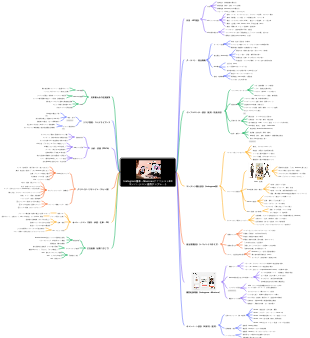
Instagram種草からAmazon Japan ECコンバージョン連携テンプレート
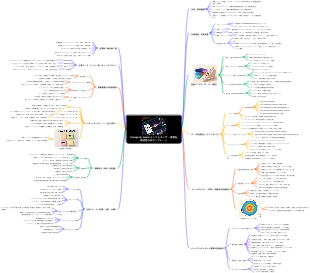
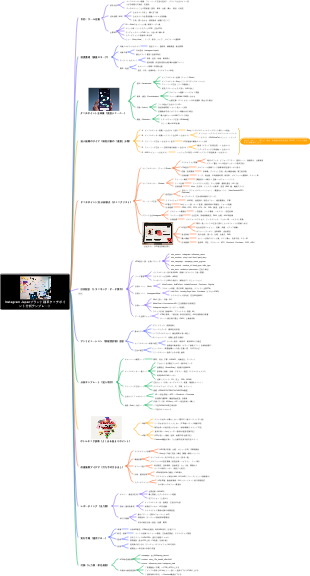
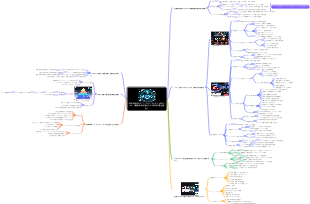
InstagramとAmazon Japanを連携させた効果的なEC(電子商取引)コンバージョン戦略について、詳しく紹介していきます。この戦略は、Instagramでのユーザーの認知や興味を引き出し、その流れをAmazonでの実際の購入行動につなげることを目指したものです。 まず、戦略の基礎となる目的とKGI(重要目標成果)・KPI(重要業績評価指標)を設計します。目的は、Instagram上でのブランドや商品の認知度を高め、ユーザーの興味を刺激し、最終的にAmazonでの購入行動に繋げることです。KGIとしては、一定期間内のAmazonでの商品売上の増加や、新規顧客の獲得数などを設定します。KPIとしては、Instagramでの投稿のリーチ数やエンゲージメント率、Amazonへの誘導率、購入率などを細分化して設定します。これらのKGIとKPIを明確にすることで、戦略の方向性が明確になり、評価も容易になります。 次に、商品の購買阻害要因を除去し、商品ページの整備を行います。Instagramで興味を持ったユーザーがAmazonで商品を探す際に、商品情報が不足していたり、ページのデザインが不親切だったりすると、購買意欲が低下してしまいます。そのため、商品ページには商品の詳細情報、高画質の画像、動画、レビューなどを充実させ、ユーザーが商品をより理解しやすく、購入しやすい環境を整えます。また、商品の在庫状況や配送情報なども明確に表示し、ユーザーの不安を解消します。 さらに、ブランド露出の統一を図ります。InstagramとAmazonでのブランドのイメージやメッセージが一致していないと、ユーザーに混乱を与えてしまいます。そのため、両プラットフォームでのブランドのビジュアルやキャッチコピー、商品の表現方法などを統一し、一貫したブランドイメージをユーザーに伝えます。 さらに、認知から再購入までの全体戦略を設計します。Instagramでの投稿やストーリーズを通じて、ユーザーに商品の存在を認知させ、興味を持たせます。その後、Amazonでの商品ページへの誘導や、限定クーポンの配布などを行い、購入行動を促します。購入後は、メールマーケティングやSNS上でのフォローアップを行い、顧客満足度を高め、再購入を促します。 最後に、インフルエンサーの選定と運用を通じて戦略の効果を最大化します。インフルエンサーは、特定の分野や層に強い影響力を持っており、その投稿を通じて多くのユーザーに商品の情報を伝えることができます。インフルエンサーを選定する際には、そのフォロワー層やエンゲージメント率、ブランドとの相性などを考慮し、最適なパートナーを選びます。インフルエンサーとの協力を通じて、Instagramでの商品の認知度や興味をさらに高め、Amazonでの購入行動につなげます。 以上の戦略を実施することで、ブランドの売上や顧客のリピート率を向上させることを目指します。
2026-03-25 15:09:23 に編集されました
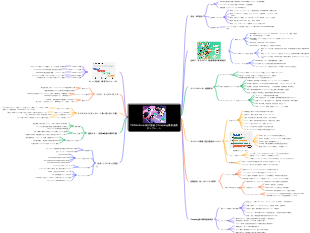
- Sistema de servicios de plataforma de marketing de marca Little Red Book
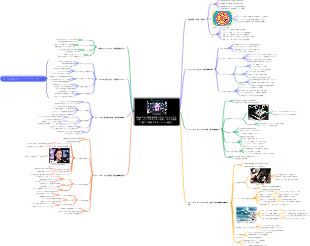
Esta plantilla, creada con EdrawMind, es un modelo completo de sistema de servicios de marketing para marcas en la plataforma Little Red Book, con un texto que supera los 500 palabras. Diseñada para equipos de marketing y marcas que buscan implementar estrategias efectivas en esta red social, la plantilla se organiza en seis bloques funcionales que cubren todo el ciclo de marketing, desde la planificación estratégica hasta la medición y optimización de resultados. El primer bloque es la organización de servicios basada en plataforma, que define el sistema de soporte principal: un equipo estratégico para la planificación integral, un equipo de contenido para proyectos creativos, un equipo de operaciones para la ejecución eficiente, un equipo de datos para el seguimiento de efectos y un sistema de coordinación que apoya el funcionamiento de todos los módulos del negocio. El segundo bloque se centra en la planificación estratégica e información, donde se implementan análisis de tendencias del mercado, información de audiencia y benchmarking competitivo basado en la plataforma, para proporcionar una orientación estratégica basada en datos. El tercer bloque es la estrategia de contenido y producción, que incluye el desarrollo de una matriz de contenido de marca, la implementación de planes y la producción creativa para asegurar el atractivo del contenido. El cuarto bloque es la asociación y asignación de negocios, que optimiza la entrega inteligente, compra tráfico a través de plataformas masivas y realiza todo el proceso de marketing, desde el contenido hasta la conversión. El quinto bloque es la gestión y colaboración de blogueros, que aprovecha la plataforma para explorar recursos de blogueros de alta calidad, desarrollar modelos de colaboración y lograr una siembra de contenido eficiente. Finalmente, el sexto bloque es el análisis y medición de datos (optimización de ciclo cerrado), que utiliza la plataforma y herramientas de ayuda para hacer un seguimiento de los da
- Sistema de gestión digital de 3 niveles para activación rural "prefectura, pueblo y aldea"
Esta plantilla, diseñada con EdrawMind, es un modelo de sistema de gestión digital estructurado en tres niveles para la activación rural, con un texto que supera los 500 palabras. Diseñada para gobiernos y organizaciones que buscan implementar la transformación digital en zonas rurales, la plantilla organiza el sistema en tres niveles: centro de decisión y ajuste a nivel provincial, supervisor a nivel local y centro de ajuste, y terminal de ejecución y cognición a nivel de aldea. El primer nivel, centro de decisión y ajuste a nivel provincial, incluye la coordinación global de políticas y recursos, la elaboración de normas y la coordinación de datos e inversión fiscal. También se encarga de la visualización integral de la gobernanza global, la construcción de un "mapa unificado de la gobernanza rural" y la macrovigilancia y análisis. Además, supervisa, evalúa y construye un sistema de evaluación del rendimiento para la ejecución efectiva del negocio. El segundo nivel, supervisor a nivel local y centro de ajuste, se dedica al desglose y supervisión de tareas, la recopilación y análisis de datos a nivel de aldea, y la orientación y capacitación empresarial para mejorar la capacidad digital del personal. El tercer nivel, terminal de ejecución y cognición a nivel de aldea, se encarga de la recopilación e informe de información, la gestión de tareas cotidianas y la promoción de políticas de retroalimentación. Gracias a la estructura visual de EdrawMind, este sistema permite a las organizaciones visualizar la estructura jerárquica de la gestión digital rural, facilitando la toma de decisiones, la supervisión y la ejecución en todos los niveles.
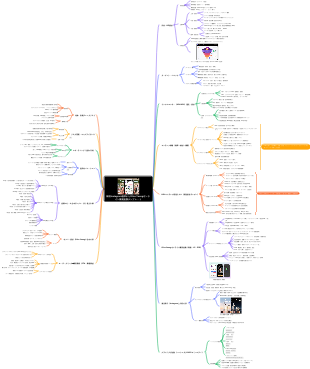
- Sistema integrado "en línea y fuera de línea" para usuarios de NIO
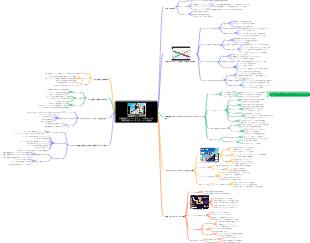
Esta plantilla, creada con EdrawMind, es un modelo de sistema integrado de experiencia del usuario para NIO, que combina servicios digitales en línea y experiencias físicas fuera de línea, con un texto que supera los 500 palabras. Diseñada para marcas de automoción que buscan mejorar la experiencia del cliente, la plantilla se organiza alrededor del "centro de usuario", con dos ejes principales: el ecosistema digital en línea y la red de experiencias offline. El ecosistema digital en línea (aplicación NIO) incluye tres módulos clave: comunidad e intercambio de contenido (con un promedio de 230,000 comentarios al día y respuestas en ciclo cerrado de 72 horas), servicio de una sola parada (control remoto de vehículos, recarga de energía y rescate de accidentes) y creación de valores e incentivos (crecimiento de la lealtad mediante el sistema de puntos y el intercambio de puntos). La red de experiencias offline (NIO House) también incluye tres módulos: un tercer espacio para el estilo de vida (con 7 zonas funcionales), actividades comunitarias y conexiones emocionales (con un promedio de 43 eventos dirigidos por el usuario al año) y un servicio exclusivo de compañeros (soporte dedicado 1-a-1 que cubre todo el ciclo de vida del vehículo). El sistema también destaca beneficios clave como el "close drop" (reserva en línea y experiencia offline), el uso impulsado por datos y un valor final de NPS del 72%. Gracias a la estructura visual de EdrawMind, este modelo permite a NIO visualizar cómo los servicios en línea y fuera de línea se integran para crear una experiencia del usuario completa y coherente.
Instagram種草からAmazon Japan ECコンバージョン連携テンプレート
- Sistema de servicios de plataforma de marketing de marca Little Red Book
Esta plantilla, creada con EdrawMind, es un modelo completo de sistema de servicios de marketing para marcas en la plataforma Little Red Book, con un texto que supera los 500 palabras. Diseñada para equipos de marketing y marcas que buscan implementar estrategias efectivas en esta red social, la plantilla se organiza en seis bloques funcionales que cubren todo el ciclo de marketing, desde la planificación estratégica hasta la medición y optimización de resultados. El primer bloque es la organización de servicios basada en plataforma, que define el sistema de soporte principal: un equipo estratégico para la planificación integral, un equipo de contenido para proyectos creativos, un equipo de operaciones para la ejecución eficiente, un equipo de datos para el seguimiento de efectos y un sistema de coordinación que apoya el funcionamiento de todos los módulos del negocio. El segundo bloque se centra en la planificación estratégica e información, donde se implementan análisis de tendencias del mercado, información de audiencia y benchmarking competitivo basado en la plataforma, para proporcionar una orientación estratégica basada en datos. El tercer bloque es la estrategia de contenido y producción, que incluye el desarrollo de una matriz de contenido de marca, la implementación de planes y la producción creativa para asegurar el atractivo del contenido. El cuarto bloque es la asociación y asignación de negocios, que optimiza la entrega inteligente, compra tráfico a través de plataformas masivas y realiza todo el proceso de marketing, desde el contenido hasta la conversión. El quinto bloque es la gestión y colaboración de blogueros, que aprovecha la plataforma para explorar recursos de blogueros de alta calidad, desarrollar modelos de colaboración y lograr una siembra de contenido eficiente. Finalmente, el sexto bloque es el análisis y medición de datos (optimización de ciclo cerrado), que utiliza la plataforma y herramientas de ayuda para hacer un seguimiento de los da
- Sistema de gestión digital de 3 niveles para activación rural "prefectura, pueblo y aldea"
Esta plantilla, diseñada con EdrawMind, es un modelo de sistema de gestión digital estructurado en tres niveles para la activación rural, con un texto que supera los 500 palabras. Diseñada para gobiernos y organizaciones que buscan implementar la transformación digital en zonas rurales, la plantilla organiza el sistema en tres niveles: centro de decisión y ajuste a nivel provincial, supervisor a nivel local y centro de ajuste, y terminal de ejecución y cognición a nivel de aldea. El primer nivel, centro de decisión y ajuste a nivel provincial, incluye la coordinación global de políticas y recursos, la elaboración de normas y la coordinación de datos e inversión fiscal. También se encarga de la visualización integral de la gobernanza global, la construcción de un "mapa unificado de la gobernanza rural" y la macrovigilancia y análisis. Además, supervisa, evalúa y construye un sistema de evaluación del rendimiento para la ejecución efectiva del negocio. El segundo nivel, supervisor a nivel local y centro de ajuste, se dedica al desglose y supervisión de tareas, la recopilación y análisis de datos a nivel de aldea, y la orientación y capacitación empresarial para mejorar la capacidad digital del personal. El tercer nivel, terminal de ejecución y cognición a nivel de aldea, se encarga de la recopilación e informe de información, la gestión de tareas cotidianas y la promoción de políticas de retroalimentación. Gracias a la estructura visual de EdrawMind, este sistema permite a las organizaciones visualizar la estructura jerárquica de la gestión digital rural, facilitando la toma de decisiones, la supervisión y la ejecución en todos los niveles.
- Sistema integrado "en línea y fuera de línea" para usuarios de NIO
Esta plantilla, creada con EdrawMind, es un modelo de sistema integrado de experiencia del usuario para NIO, que combina servicios digitales en línea y experiencias físicas fuera de línea, con un texto que supera los 500 palabras. Diseñada para marcas de automoción que buscan mejorar la experiencia del cliente, la plantilla se organiza alrededor del "centro de usuario", con dos ejes principales: el ecosistema digital en línea y la red de experiencias offline. El ecosistema digital en línea (aplicación NIO) incluye tres módulos clave: comunidad e intercambio de contenido (con un promedio de 230,000 comentarios al día y respuestas en ciclo cerrado de 72 horas), servicio de una sola parada (control remoto de vehículos, recarga de energía y rescate de accidentes) y creación de valores e incentivos (crecimiento de la lealtad mediante el sistema de puntos y el intercambio de puntos). La red de experiencias offline (NIO House) también incluye tres módulos: un tercer espacio para el estilo de vida (con 7 zonas funcionales), actividades comunitarias y conexiones emocionales (con un promedio de 43 eventos dirigidos por el usuario al año) y un servicio exclusivo de compañeros (soporte dedicado 1-a-1 que cubre todo el ciclo de vida del vehículo). El sistema también destaca beneficios clave como el "close drop" (reserva en línea y experiencia offline), el uso impulsado por datos y un valor final de NPS del 72%. Gracias a la estructura visual de EdrawMind, este modelo permite a NIO visualizar cómo los servicios en línea y fuera de línea se integran para crear una experiencia del usuario completa y coherente.
- おすすめ
- アウトライン