MindMap Gallery "A Detailed Chronology of the French Revolution and Napoleonic Era"
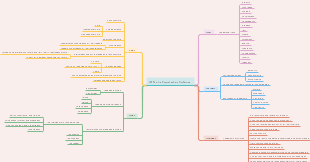
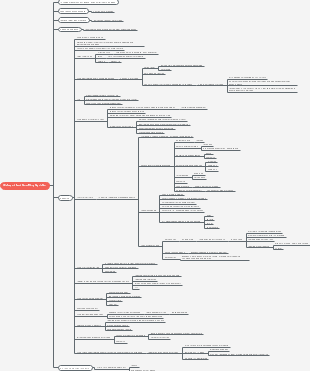
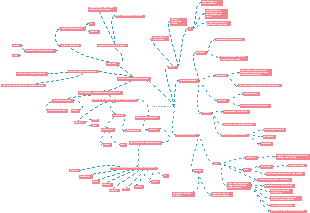
The French Revolution from 1789 to 1815 marked a crucial period in European history. It began with the Bastille Storm, symbolizing the overthrow of absolute monarchy. The revolutionaries advocated for freedom, equality, and brotherhood, aiming to establish a republic and empower citizens with equal rights. However, this revolution was full of violence and political instability, leading to the rise of Napoleon Bonaparte and ultimately establishing an empire. Nevertheless, the French Revolution had a profound impact on global politics and society, shaping the course of modern history. This is a mind map about French Revolution from1789 to 1815, The main branches include:1807,1814,1806,1803,1813,1808,1798,1815,1812,1805,1802,1800,1791,1794,1804,1799,1795,1793,1792,1789. Many main branches have detailed descriptions of sub branches. Suitable for people interested in the French Revolution.
Edited at 2024-03-15 15:44:41French Revolution - 1789-1815
1789
May 15 1789: Meeting of the Estates-General at Versailles
a meeting of representatives from each Estate called by the King in Versailles to discuss and approve a new tax plan
hadn't met for 175 years (showed King's weakness)
King asked for Lafayette's advice
Lafayette - French soldier who fought in the American Revolution for the Americans and absorbed a lot of revolutionary ideas
Lafayette advises meeting to be called to discuss the country's finances
he tells the King to double the amount of 3rd Estate reps (not votes)
June 17 1789: Third Estate swears the Tennis Court Oath and creates the National Assembly
Tennis Court Oath - the National Assembly swears to not disband until a new constitution is established
the 3rd Estate returns to Versailles, but are locked out
they are enraged with the King and create the National Assembly with a few reps from the other Estates
July 14 1789 - Storming of the Bastille
Bastille - political prison syombolizing the King's oppression
"the fall of the Old Regime"
the National Assembly was angry that the King fired his finance admin (Necker) to try to shut down the NA and also because the King brought in mercernaries from Spain/Austria to protect Versailles
mob attacked the Bastille, put heads on sticks and looted weapons (extremism)
Bastille falls: the NA controls Paris and makes reforms
abolished feudalism and feudal taxes
ended paying the tithe to the Church
opened voting and public office to French citizens
judicial reform, ended torture
designed a constititional monarchy (Dec. of the Rights of Man)
August 26 1789: Declaration of the Rights of Man
"The Death Certificate of the Old Regime"
similar to the Dec. of Independece and was promoted by Lafayette
limited monarchy
October 1789: The Bread March
by this time, 80% of wages went to bread
Fish Market women plot to kill the Queen in Versailles
brutally kill and parade the heads of the mercernaries
demand the King give them bread, sign the new constitution, and live in Tuileries in Paris
Tuileries - the royal palace in Paris
ended tithe
clergical land was confiscated and sold as deeds called assignats
assignats - land deeds from church lands that became similar to paper currency
Civil Constitution of the Clergy
Civil Constitution of the Clergy - clergy became civil servants, were elected and salaried, and below the National Assembly; had to swear and oath to prove acceptance of the new order
caused factions in the NA due to different levels of religious identity
peasants felt their revolution was not against the church
Louis was slow to sign the bill
1791
June 21 1791: Royal family attempts to escape
July 20 1791: King Louis XVI arrested
Declaration of Constitutional Monarchy
1792
April 1789: France declares war on Austria
September 3 1789: First Meeting of The National Convention
September 22 1792: French Republic established
1793
January 21 1793: Louis XVI executed
September 1793: Reign of Terror begins
Death of Danton
1794
July 28 1794: Death of Robespierre
July 1794: End of the Reign of Terror
Consulate
1795
July 28 1795: Directory takes power
1798
Battle of the Pyramids
Napoleon wanted Egypt because it was on Britain's trade route
the French quickly won against Egypt's outdated tools
Nelson (Brit) trapped the French on land
Napoleon had to desert soldiers and scientists
took Rosetta Stone back to France
propaganda is used to make Napoleon seem like a hero
1799
November 9 1799: Napoleonic era begins
a bloodless coup d'etat is staged by corrupt Directors
Napoleon is invited to take power
1800
February 1800: The Consulate
3 Consuls: the 2 corrupt Directors and Napoleon
Crossing the Alps
defeated Austria again
December 24 1800: Napoleon Assassination Attempt
Jacobins attempt to kill Napoleon
results in Napoleon restricting freedom of speech "for his and France's safety"
1802
appointed Head of State
First Consul for Life
Napoleon is overwhlemingly elected as Consul for life
1803
Louisiana Purchase
sells his land in North America for $15 million to Thomas Jefferson for money to support his wars
1804
Constitution Year XII
March 1804: Napoleonic Codes
written national regulated legal system (civil laws)
individual liberty, equality before the court, free enterprise, personal property, personal status, all men are created equal, state/group rights > individual rights
made women's rights 2nd class
May 1804: Napoleon declares French Empire and Bonaparte dynasty
December 2 1804: Napoleon crowns himself Emperor at Notre Dame
hereditary empire
1805
October 21 1805: Trafalgar
Napoleon loses on the sea against Britain (Horatio Nelson) and learns to not fight Brits on the water - loses all war ships and millions of soldiers
leads to Continental System
Austerlitz/Battle of the 3 Emperors
France vs Russia (Alexander), Prussia, Austria (Franz Joseph)
heavy fog was an advantage
major win leading to expansion of the French Empire and impacted people's views on Napoleon
1806
Treaty of the Confederation of the Rhine
Continental System/Berlin Decree
Napoleon blockaded British ports and ordered all European nations to stop trading with them
attempt to defear Britain economically
except for Portugal
Britain responds by blockading French ports
1807
Treaty of Tilsit
treaty between Napoleon and Alexander
made on a raft on the Niemen River
alliance was meant to force Britain into peace
treaty later broken by Alexander
1808
Peninsular War begins (Spanish Ulcer)
vs Spain
Spanish resist, but Napoleon's brother ends up with the throne
Spaniards are conscripted to French Army
1812
Russian Campaign
Battle of the Nations (Leipzig)
Russian tactic: scorched earth (until Moscow)
Napoleon is ambushed while exiting Russia - defeated and exiled to Elba after suicide attempt
becomes Emperor of Elba
1813
Peninsular War ends
1814
October 1814 - June 1815: Congress of Vienna
interrupted when Napoleon returns for 100 days
meeting of the leaders of Europe to restore the status quo before the FR (romanticism, conservatism)
wanted to prevent nationalism and liberalism/democracy
wanted to restore balance of power
status quo ante bellum: how Europe was before the FR
wanted to restore legitimate rulers
monarchs were reinstituted and land was divided among them
new borders
France was surrounded to keep it from becoming too powerful again
Sardinia gets Piedmont, Nice, Savoy
Dutch Netherlands gets Austrian Netherlands
Austria gets Venetia and Lombardy
Confederation of the Rhine becomes German States
Britain gets Malta, Cape Colony, West Indies islands
Prussia gets part of East Poland and Saxony
Russia gets part of East Poland
Holy Alliance - Russia, Prussia, Austria - maintained power for Christian kings
plus Britain was the Quadruple Alliance
hosted by Austrian Prince Metternich
attended by Russia (Alexander I), Prussia (Fredereick William III), Britain (Viscount Castlereagh), and France (Minister Tallyrand)
Louis 18 restored to the throne
return to the Old Regime/Absolutism (borders, laws)
very unpopular
1815
Napoleon escapes Elba for 100 days
defensive action to march into France
Battle of Waterloo
France vs Prussia and Brits
France defeats Austria before Britain arrives
Prussian General Blucher - hated the French - 76yo
Napoleon meets Wellington
Prussia's arrival allows Wellington to win
Napoleon exiled to St. Helena
Future Nationalism Uprisings
1817: German States
1821: Greek War of Independence
from Ottomans
1848: French Revolts
Napoleonic Wars
Napoleon's Family
Jerome Bonaparte - King of Westphalia
Joseph Bonaparte - King of Spain
Louis Bonaparte - King of Holland
Pauline Bonaparte - Princess of Italy
Napoleon Francis Joseph Charles (son) - King of Rome
Elisa Bonaparte - Grand Duchess of Tuscany
Caroline Bonaparte - Queen of Naples
Napoleon's Foreign Policies
mainly war
justified himself as acting as a liberator with the responsibility to spread the ideals of "liberty, eqality, fraternity"
battle tactic: infantry/military squares
helped spread ideals of the French Revolution across Europe
Napoleon's Domestic Policies
Bank of France
central bank of the nation
implemented common currency (franc)
bank loans
solved bankrupt/unstable economy
Tax reform
tax collectors became civil servants who had to pay a security depost and meet a quota of collection
solved the issue of missing taxes, tax inequality, and corrupt collectors
Concordat
agreement with the Roman Catholic Church
Pope was the head and appointed upper clergy from a list provided by Napoleon
solved the issue of people choosing between Napoleon or RCC
Napoleonic Code
written national law and punishment for the whole country
solved issue of lack of uniformity in legal system within the nation
Education reform
implemented secular education
based on rationality and enlightened ideas
lycees: public (high) school
scholarships were available which improved overall literacy
Public works
Arc de Triomphe
sewer system
road system
created a sense of national pride and a magnificent capital city
Legion of Honour
pensions given based on merit
not based on blood inheritance/dynastical values
religious toleration, abolished serfdom
lost support after imposing high taxes to support his wars
conscription - Grande Armee
disciplined veterans of war driven by sense of duty and devotion to their nation
Political Factions
Jacobins - extreme leftist radicals - Rousseau philosophists - wanted a republic and total elimination of the monarchy
Marat - the voice - newspaper
Danton - the heart
Robespierre - the head
Girondins - leftists - Rousseau theorists - wanted a decentralized republic - didn't support radical violence
Emigres
Old Regime - Before the Revolution
Despotism - Bourbon dynasty
Estates
1st Estate - 0.5% - Roman Catholic Church clergy
didn't have to pay taxes and held 25% of the best land
2nd Estate - 1.5% - aristocracy
didn't have to pay taxes and were given pensions
had hunting privileges and managed tax laws
3rd Estate - 98% - bourgeousie, peasants, urban workers
bourgeousie - richest citizens of the 3rd Estate - merchants, lawyers, doctors, craftsmen, etc - are able to read and absorp revolutionary ideas urban workers - between bourgeous and peasants - sans-culottes - affected by taxes and very revolutionary
paid heavy taxes
tithe - paying 10% of income to the Church corvee - outdated feudalistic unpaid labor tax banalte - outdated feudal-age tax gabelle - salt tax (monopolized by govt) capita tax - tax per person in household death tax - tax for a death in the household
no sense of commonality
144 disunified "departments"
departments - about 144 separate states of France pre-revolution
Age of Napoleon
Third Revolution - The Directory
Left - radicals
Middle
Right
Second Revolution - Radical Stage
Left - radicals (Jacobins) - want a republic
Middle - moderates (Girondins) - want a republic with less violence
Right - Lafayette and the National Assembly
National Assembly - Moderate Stage
Left - radicals (Jacobins) - want a republic
Middle - moderates (Lafayette) - want a limited monarchy
Right - conservatives (Louis XVI) - want to keep despotism
Symbols of the Revolution
tri-color flag: white for the monarchy, red/blue for Paris
national anthem: Marseillaise
liberty, fraternity, egality
fasces symbol (sticks bound together symbolizing unity)
Causes
Economic - taxation, extravagant court spending (pensions, palace, crop failure, corrupt tax collectors, wars)
Age of Enlightenment - lower classes seeing flaws, asking questions, finding options
Old Regime (social) - no social mobility in hierarchy (bottom classes paid taxes)
Incompetent monarchy - Bourbons
Success of the American Revolution - “shots heard around the world” - young, impressionable French soldiers helping fight and returning with new ideas
Louis XIV Bourbon
Sun King
built Palace of Versailles
court lived in Versailles
successful in wars and grew French Empire → led to a lot of taxes
creates court pensions if court gives up power to him → spends more money → court keeps power over taxation changes