MindMap Gallery Toxicology 4 Toxicology Experiment Basics
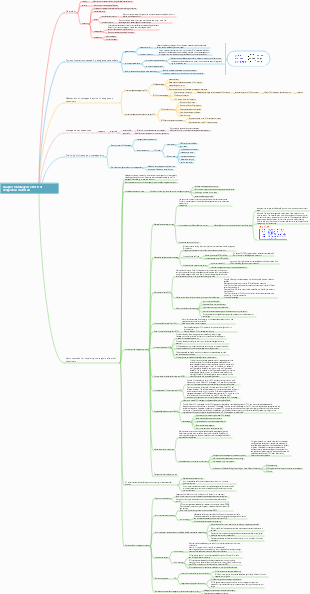
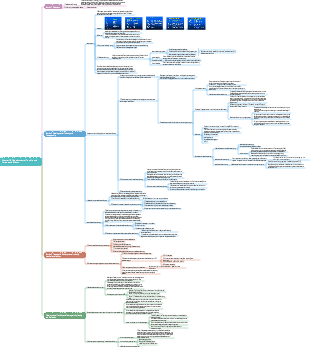
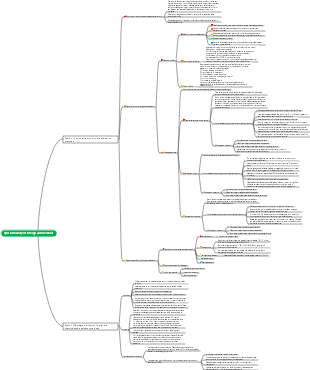
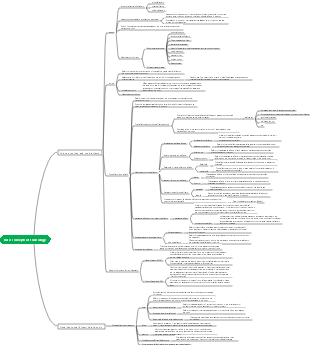
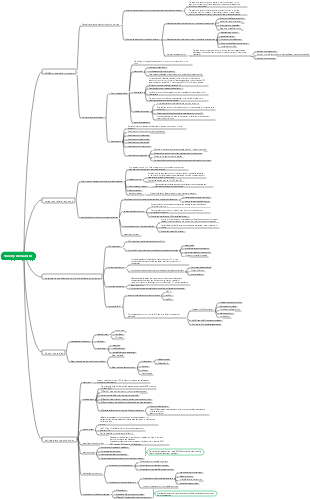
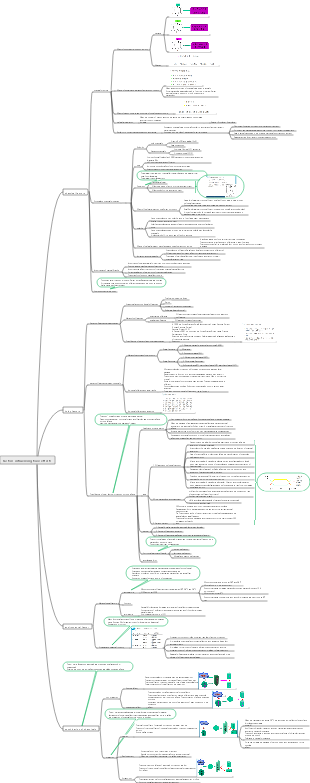
This picture introduces the principles and limitations of toxicological experiments, the basic purpose of toxicological experiments, the selection and management of experimental animals, animal experimental methods, statistical analysis of toxicological experimental results, and the quality control of toxicological experiments. I hope it will be useful to everyone. help!
Edited at 2024-02-18 11:49:24This Valentine's Day brand marketing handbook provides businesses with five practical models, covering everything from creating offline experiences to driving online engagement. Whether you're a shopping mall, restaurant, or online brand, you'll find a suitable strategy: each model includes clear objectives and industry-specific guidelines, helping brands transform traffic into real sales and lasting emotional connections during this romantic season.

This Valentine's Day map illustrates love through 30 romantic possibilities, from the vintage charm of "handwritten love letters" to the urban landscape of "rooftop sunsets," from the tactile experience of a "pottery workshop" to the leisurely moments of "wine tasting at a vineyard"—offering a unique sense of occasion for every couple. Whether it's cozy, experiential, or luxurious, love always finds the most fitting expression. May you all find the perfect atmosphere for your love story.
The ice hockey schedule for the Milano Cortina 2026 Winter Olympics, featuring preliminary rounds, quarterfinals, and medal matches for both men's and women's tournaments from February 5–22. All game times are listed in Eastern Standard Time (EST).
This Valentine's Day brand marketing handbook provides businesses with five practical models, covering everything from creating offline experiences to driving online engagement. Whether you're a shopping mall, restaurant, or online brand, you'll find a suitable strategy: each model includes clear objectives and industry-specific guidelines, helping brands transform traffic into real sales and lasting emotional connections during this romantic season.
This Valentine's Day map illustrates love through 30 romantic possibilities, from the vintage charm of "handwritten love letters" to the urban landscape of "rooftop sunsets," from the tactile experience of a "pottery workshop" to the leisurely moments of "wine tasting at a vineyard"—offering a unique sense of occasion for every couple. Whether it's cozy, experiential, or luxurious, love always finds the most fitting expression. May you all find the perfect atmosphere for your love story.
The ice hockey schedule for the Milano Cortina 2026 Winter Olympics, featuring preliminary rounds, quarterfinals, and medal matches for both men's and women's tournaments from February 5–22. All game times are listed in Eastern Standard Time (EST).
Toxicology 4 Toxicology Experiment Basics
After class review questions
1. What are the reasons for the uncertainty in extrapolating animal experimental results to humans?
2. What basic principles should be followed in the design of toxicological experiments?
3. What issues should be considered to determine whether the experimental results have biological significance?
What are the types and purposes of toxicology experiments?
In vitro experiments
Screen, predict toxicity, explore mechanisms
In vivo experiments
Assessing toxicity: animals → humans
population research
Verification of animal experiment results
1. Principles and limitations of toxicology experiments
1. Basic principles of toxicology experiments
1. The effects on experimental animals can be extrapolated to humans
①The most sensitive animal species is humans.
②The biological processes and chemical metabolism of humans and experimental animals are related to body weight or body surface area.
The above two assumptions are the premise of all experimental biology and medicine.
2. Experimental animals must be exposed to high doses
According to the qualitative response definition, the incidence of group effects increases with increasing exposure levels.
Set up 3 or more dose groups and observe the dose-response relationship.
The greater the distance between the LOAEL and the human exposure dose, the safer it is.
3. The experimental subjects are adult healthy animals.
Adult healthy animals serve as representative experimental models for the general population, making experimental results representative and reproducible.
4. The poisoning route is the possible exposure route for humans.
2. Limitations of Toxicology Experiments
Extrapolation from animal experiments to humans is uncertain
There is uncertainty in extrapolating high doses to low doses
Extrapolation from a small number of animals to a large number of people is uncertain
Adult healthy animals are usually used, and the reaction is relatively simple.
3. “3R” principles and ethics of animal experiments
"3R" principle
replacement
A scientific method that uses experiments or other research conducted by other methods than animals to achieve an experimental purpose, or that uses non-sentient experimental materials instead of conscious vertebrate animals for experiments.
reduction
A method to obtain the same amount of experimental data with fewer animals or to obtain more experimental data with a certain number of animals.
Refinement
Methods that improve and perfect experimental procedures to alleviate or reduce animal pain and discomfort and provide animal welfare.
Ethical issues in animal experimentation
law
"Martin Act", "Regulations on the Administration of Laboratory Animals"
abide by principles
Provide humane management and treatment of experimental animals; minimize the pain and discomfort of experimental animals; avoid unnecessary use of experimental animals.
Ethical Principles of Human Experimentation
informed consent principle
Benefit without harm principle
medical purpose principle
scientific principle
experimental control principle
2. Basic purposes of toxicology experiments
The basic purpose of safety evaluation
Observe the toxic effects and properties of the test substance
Dose-response (effect) relationship studies
Determine target organs of toxicity
Determine reversibility of damage
Other purposes of toxicology experiments
Sensitive detection indicators for toxic effects
biological markers
poisoning mechanism
Toxicokinetics of test substances
Metabolism of test substance and poisoning rescue measures
3. Selection and management of experimental animals
laboratory animal
Animals that have been artificially bred, and the microorganisms they carry are controlled, with clear genetic background and clear origin. It is mainly used for scientific research, effectiveness and safety evaluation of drugs and biological products, and teaching.
Selection of experimental animal species
Generally choose two species: rodents and non-rodents
The basic principle
① Metabolic, biochemical and toxicological characteristics are similar to humans
②Shorter natural life span
③Easy to manage and operate
④Economical and easy to obtain
Selection of experimental animal strains
Strain: A proper term in experimental zoology, which refers to a group of animals derived from the same ancestor through planned mating methods, or animals, plants or microorganisms derived from the same ancestor and having a specific genotype.
Experimental animals classified by genetic control
inbred
A pure strain of animal bred by continuous mating between siblings or parents and children for more than twenty generations. For example, mice have BALB/C, Jinbai I, Jinbai II, etc.
Hybrid group animals (cross 1 generation, F1)
The first generation of animals resulting from the purposeful mating of two different inbred strains. There is clear heritability and hybrid vigor.
closed group
A population is a group of animals that does not introduce new blood from the outside for more than 5 years, and is only a group of animals of the same strain that are randomly mated and reproduced in a fixed place. Such as Kunming mice, NIH mice, Wistar rats, etc. Most used in toxicology research.
Microbiological control parameters for experimental animals
Conventional Animal (CVA)
Clean Animal (CLA)
In toxicity tests and toxicology studies, CLA or above animals should be used to ensure the reliability of experimental results.
Specific Pathogen-free Animal (SPF)
Germ free Animal (GFA)
Laboratory animal microbial grade standards
Level I: CVA, open system, no communicable diseases that can be transmitted to humans.
Level II: CLA, barrier system, in addition to Level I standards, the species line is clear, and there are no infectious diseases specific to the animal.
Level III: SPF, barrier or isolation system, in addition to Level II standards, bred according to pure line requirements, raised in an isolator or laminar flow room, may have non-pathogenic bacterial colonies, and no pathogenic pathogens.
Level IV: GFA, isolation system, pure animals raised under completely closed sterile conditions, without any microorganisms and parasites (including most viruses) outside the animals.
Individual selection of experimental animals
gender
age and weight
Physiological state
Health status
Laboratory animal facility structure
Animal reception and quarantine area
Animal feeding and experimental area
Feed, bedding and supplies storage area
Washing and disinfecting area
Waste storage and processing area
management area
Types of experimental animal facilities
open system: ordinary environment
Barrier system: Class 10,000 cleanliness
Isolation system: Level 100 cleanliness
4. Animal Experiment Methods
Animal Experiment Design Principles
randomization principle
Completely randomized (single factor design)
Stratified randomization (matching design)
Contrast principle
Common controls for toxicology tests
Untreated control (blank control)
No processing factors, no test substances, no operations
Determine the background value of biological characteristics, quality control
Negative control (solvent control)
There are no processing factors, necessary experimental factors (solvents) are given, and the influence of experimental factors (solvents) is eliminated.
positive control
Use known positives to test the effectiveness of the experimental system.
Genetic toxicology tests, teratogenicity tests, and carcinogenicity tests all have positive control groups.
self control
The same research subjects were compared before and after treatment. For example, observe the changes in blood pressure before and after taking the medicine.
It is required that the experimental conditions before and after the research factor treatment are consistent and the observed parameters are stable.
Historical comparison
It consists of control group data from multiple past experiments in the same laboratory.
Check the stability of the experimental system through homogeneity testing to control and ensure laboratory quality.
Repeat principle
Repeat of entire experiment
Ensure reproducibility of experimental results.
Repeated observations of multiple subjects
There must be sufficient sample size for each group.
Key points of animal experiment design
Dose Grouping for In Vivo Toxicology Tests
Number of animals in each group
Test period
Preparation before animal experiments
After purchasing experimental animals, males and females should be kept separately.
Generally, quarantine is conducted for 5 to 7 days.
Gender identification of commonly used experimental animals
Preparation before exposure to poison
Animal grouping
Weighing, numbering, random grouping
Preparation of test substance
Dose grouping, exposure volume, dilution
Choice of route of exposure
Gastrointestinal tract, respiratory tract, skin, subcutaneous, intradermal, muscle, abdominal cavity, vein
Test substance preparation
Poison preparations
Common dosage forms: aqueous solution, suspension, oil solution
Water-soluble test substances remain consistent with the osmotic pressure in the body
Water-insoluble test substance, dissolved or suspended in an appropriate organic solvent
The test substance should generally be prepared fresh before use.
Key points in preparing poison preparations
When preparing, do not heat the test object to a temperature that would change its physical and chemical properties.
To evaluate the skin toxicity of solid test substances, their shape and particle size must be maintained
Prepare the multi-component test substance according to the formula so that the preparation accurately reflects the original mixture
Preparations should maintain chemical stability and consistency with the test substance
The preparation should reduce the total test volume and do not use too much solvent or excipient.
Preparations should be easy to prepare for exposure
The pH of the preparation is best between 5 and 9
Do not use acids or bases to dissociate the test substance
For parenteral poisoning, the final solution should be as isotonic as possible
Routes of exposure to experimental animals
Oral (gastrointestinal) exposure
Swallow capsules
feeding
Oral administration
Infection via respiratory tract
Research on chemical poisons existing in the form of gas, vapor, dust, smoke, fog, etc. under production conditions and evaluate environmental air pollutants
Inhalation exposure: static and dynamic
Intratracheal injection: performed after anesthesia
skin exposure
Chemical poisons in liquid, gaseous or even dust state
Most of them choose rabbits and guinea pigs. The skin on both sides of the animal's spine is depilated, the chemical poison is locally applied, and it is covered and fixed with a glass bell jar, oil paper or plastic film for a certain period of time.
Pesticides, cosmetics, environmental pollutants, topical drugs
Commonly used rats
Ways of exposure
Hair removal: chemical or mechanical hair removal
Poison exposure: local application or tail dipping method
Exposure via injection
intraperitoneal injection
intravenous injection
intramuscular injection
subcutaneous injection
Biological specimen collection
Urine and feces collection
Organ specimen collection
Bile collection
blood collection
end
Non-terminal blood collection
The single blood collection volume is less than 15% of the animal's total blood volume and will not affect the animal.
Side effects will occur when the blood volume is 15% to 20% of the total blood volume.
Multiple blood collections every 24 hours should not exceed 1% of the total blood volume
anaesthetization
General (sodium pentobarbital) and local anesthesia (procaine, etc.)
euthanasia
The process of killing animals using publicly recognized and humane methods so that they die quietly and painlessly without fear or anxiety.
Pathological anatomy and specimen collection
Pathological examination is an important part of toxicology tests, and pathological studies can help determine harmful effects and target organs. Pathological examination includes gross anatomy and histopathological examination.
gross anatomy
Within half an hour after the experimental animals were sacrificed, they were dissected using the combined extraction method of chest and abdominal organs.
Observe the shape, surface condition, color, border, size, texture, and section of the relevant organs.
Weigh the designated organs and calculate the organ coefficients.
Standard operating procedures for pathological anatomy of laboratory animals
1. Fix the animal on the dissecting board and dissect the neck (parotid gland, lymph nodes, etc.)
2. Take one side of the breast and waist skin, open the abdomen and expand the incision (internal abdominal organs)
3. Thoracotomy (chest internal organs, tongue and throat, trachea, thyroid gland, etc.)
4. Peel off the left hind limb (muscles, etc.), scalp, and ears, open the skull, and expose the spinal cord.
Histopathological examination
Use a sharp knife to cut the designated organ or tissue and unify the parts.
Tissue blocks are usually fixed in 10 times the volume of 10% formaldehyde solution, and then routinely prepared (tissue paraffin embedding, sectioning, and HE staining).
Observe and record under a microscope to make pathological diagnosis.
5. Statistical analysis of toxicology experiment results
Statistical analysis of results
Pairwise comparison between each treatment group and the negative control group and comparison between multiple treatment groups and the negative control group
dose-response relationship and dose-response relationship
quality control chart
Questions that must be answered when evaluating toxicology test results
Is it statistically significant?
Is it biologically significant?
Whether it has toxicological significance, that is, whether it has harmful effects
Issues to consider in determining biological significance
Longitudinal comparison: whether there is a dose-response relationship for changes in this parameter.
Horizontal comparison: whether changes in this parameter are accompanied by changes in other related indicators.
The difference between the means of the treatment group and the control group is more than twice the detection error.
Issues to consider in determining biological significance
Comparison with historical controls: The experimental animal reference normal value is composed of the results of the negative control of at least 10 independent experiments recently conducted in this laboratory using the same strain of experimental animals and the same solvent, and its mean ±1.96 × standard error is used as the reference value range. . Negative controls should be within ±3× standard error of the mean of historical controls.
If a certain observed value in the treatment group is compared with the control group, the difference is statistically significant, and if it meets one of the following conditions, it can be considered to have exceeded the normal reference value range and is a harmful effect.
①The value exceeds the normal reference value range
②The value is within the normal reference value range, but the difference continues for a period of time after stopping contact
③The value is within the normal reference value range, but if the body is in a state of functional or biochemical stress, the difference will be more obvious.
Statistical significance and biological significance of toxicology test results
6. Quality control of toxicology experiments
Good laboratory practice (GLP)
It is a management regulation formulated for the toxicity evaluation of drugs, food additives, pesticides, cosmetics and other medical items.
It is a regulatory document that regulates a complete organizational management system for non-clinical safety research related to human health and the environment, including experimental planning, implementation, supervision, records, and file management.
The development history of GLP at home and abroad
Developed countries began to formally develop and implement GLP in the 1960s and 1970s.
Countries that have implemented GLP systems include the United States, Japan, the United Kingdom, Germany, the Netherlands, Sweden and Switzerland.
In the late 1980s, my country successively carried out GLP research and implementation work on drugs and other related products and poisons.
Purpose and significance
Aimed at organizing and managing the research activities of scientific and technological personnel
Promote researchers to improve the quality and validity of experimental data
Promote mutual recognition of experimental data internationally
Avoid unnecessary duplication of experiments and reduce waste of resources
Ensure the reliability, integrity and repeatability of experimental results
Fundamental contents
Requirements for organizations and personnel
Requirements for experimental facilities, instruments, equipment and experimental materials
Standard Operating Procedures (SOP)
Requirements for the implementation process of research work
Requirements for archives and their management
Laboratory qualification certification and supervision and inspection
SOP-Standard Operation Procedures
The purpose is to ensure operational reproducibility and result credibility
When personnel who have received education and training perform tests according to SOP, the reproducibility of their test operations and operation results is better.
In the same research institution or laboratory, if different people perform operations and tests according to SOP, it can ensure more consistent results.
organizational system
Quality Assurance Unit (QAU—Quality Assurance Unit)
QAU refers to the department or organization within the inspection agency responsible for ensuring that its work complies with GLP specifications.
QAU is the key to GLP construction. Having a good experimental plan and SOPs for various specific operations does not necessarily guarantee high-quality test results.
Project leader (SD-Study Director)
Refers to the person responsible for organizing and implementing a certain research or inspection work. SD is the core figure of specific organizational management in the inspection agency. Possess extensive knowledge structure and rich work experience. The cultivation and quality of SD are crucial to GLP laboratories.
Quality Control of Toxicology Experimental Design
Key points in designing in vivo toxicology experiments
Dose Grouping for In Vivo Toxicology Tests
Number of animals in each group
Test period
In vitro toxicology test design
Test the solubility of the test substance
Recommendation of the highest dose to be tested (10mmol/L or 5mg/ml)
Metabolic activation (PCB 1254 pretreated male adult rat liver homogenate 90000g centrifugal supernatant (S9) and NADPH regeneration system)
Quality control during the implementation of toxicology experiments
Laboratory operating procedures and management
Reagent management
Instrument management
environmental management
Laboratory animal management
Blind management
quality control chart
Quality control of analysis of toxicological experiment results
Statistical analysis of experimental data
Evaluation of experimental results
Thinking questions
Since chronic toxicity testing has a long cycle, consumes a lot of animals, and requires a lot of manpower and material resources, how to ensure the reliability of chronic animal testing?
Laboratory quality control is a prerequisite to ensure the success of the test and the scientificity and accuracy of the experimental data.
Chronic toxicity testing should be managed according to Good Laboratory Practice (GLP).
Including reasonable experimental design, animal selection and management, preparation and management of test substances, experimental operation, and control of testing conditions.