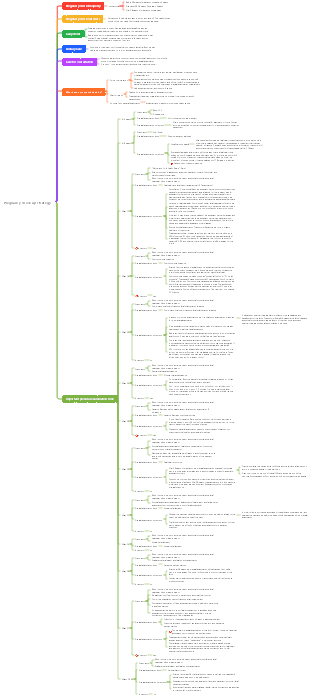
MindMap Gallery Medicine - Care of Pregnant Women
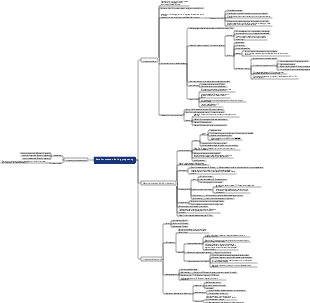
A mind map about the care of pregnant women, the formation and function of fetal appendages, fetal appendages: placenta, fetal membranes, umbilical cord and amniotic fluid, etc.
Edited at 2023-11-28 23:28:30This is a mind map about bacteria, and its main contents include: overview, morphology, types, structure, reproduction, distribution, application, and expansion. The summary is comprehensive and meticulous, suitable as review materials.

This is a mind map about plant asexual reproduction, and its main contents include: concept, spore reproduction, vegetative reproduction, tissue culture, and buds. The summary is comprehensive and meticulous, suitable as review materials.
This is a mind map about the reproductive development of animals, and its main contents include: insects, frogs, birds, sexual reproduction, and asexual reproduction. The summary is comprehensive and meticulous, suitable as review materials.
This is a mind map about bacteria, and its main contents include: overview, morphology, types, structure, reproduction, distribution, application, and expansion. The summary is comprehensive and meticulous, suitable as review materials.
This is a mind map about plant asexual reproduction, and its main contents include: concept, spore reproduction, vegetative reproduction, tissue culture, and buds. The summary is comprehensive and meticulous, suitable as review materials.
This is a mind map about the reproductive development of animals, and its main contents include: insects, frogs, birds, sexual reproduction, and asexual reproduction. The summary is comprehensive and meticulous, suitable as review materials.
Care for women during pregnancy
pregnancy care
Pregnancy: Counting from the 1st day of the last menstrual period, the gestation period is approximately 40 weeks (280 days)
Fertilization: Within 12 hours after ovulation, usually no more than 24 hours
Implantation of fertilized egg: starts on 6-7 days after fertilization and ends on 10-12 days Implantation site: anterior wall, posterior wall, lateral wall of the uterus
Implantation conditions
1.Zona pellucida disappears
2. The blastocyst trophoblast differentiates into syncytiotrophoblast cells
3. The blastocyst and endometrium develop synchronously and coordinate their functions
4. Pregnant women have enough estrogen and progesterone in their bodies
The uterus has a very short window period to allow the fertilized egg to implant, usually on the 20th-24th day of the menstrual cycle.
Formation and function of fetal appendages
Fetal appendages: placenta, fetal membranes, umbilical cord and amniotic fluid
Placenta: formed around the end of 12th week of pregnancy
structure
Full-term placenta is thick in the middle and thin at the edge
Composed of amnion, chorion foliaceus, and decidua basalis
Divided into fetal surface (smooth, with the umbilical cord in the center or slightly to the side) and maternal surface (rough)
Function
gas exchange
Nutrient supply
Excrete fetal metabolites
defense
Various viruses can invade the fetus through the placenta
IgG in the mother can pass through the placenta, allowing the fetus to obtain antibodies
synthesis and immunity
Synthesize various hormones and enzymes
1. Human chorionic gonadotropin (hCG)
It can be measured about 10 days after fertilization.
Diagnosing early pregnancy
Secretion reaches its peak at 8-10 weeks of pregnancy
Nutritional corpus luteum to maintain early pregnancy
2. Human placental lactogen (hPL): Promotes mammary gland alveolar development and protein synthesis
3. Estrogen and progesterone: synthesized by the placenta after the 8th to 10th week of pregnancy
Fetal membranes: chorion (outer layer), amniotic membrane (inner layer)
umbilical cord
Umbilical cord length at term is 30-100cm
One umbilical vein and two umbilical arteries
amniotic fluid
Early pregnancy: maternal serum; late pregnancy: fetal urine is an important source of amniotic fluid
It reaches the peak at 38 weeks of pregnancy and can reach 1000ml, and normal term is about 800ml.
Colorless and clear liquid in early pregnancy; amniotic fluid at term is slightly turbid and opaque
Neutral or weakly alkaline, ph7.2; protects mother and fetus