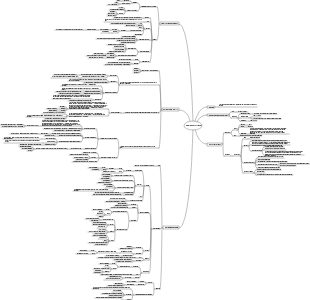
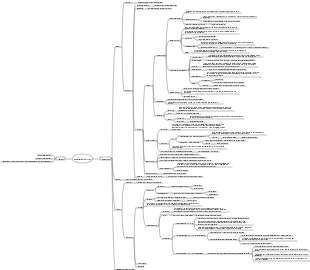
MindMap Gallery Digestive system mind map
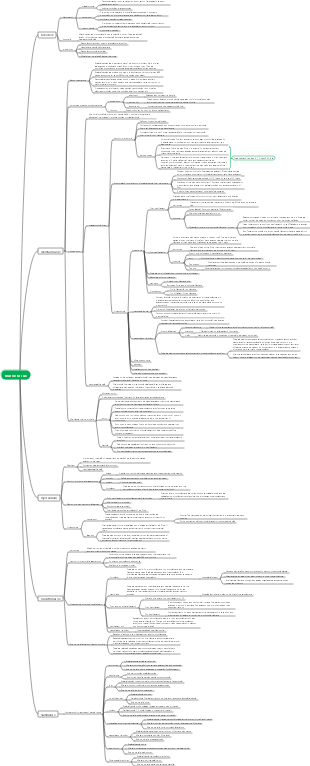
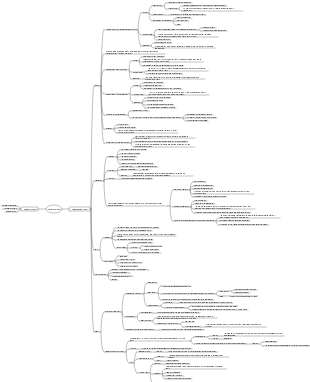
Regarding the mind map of the digestive system, the digestive system is one of the eight major systems of the human body and consists of two major parts: the digestive tract and the digestive glands. Used to organize embryology final exam review
Edited at 2023-11-09 12:03:42This is a mind map about bacteria, and its main contents include: overview, morphology, types, structure, reproduction, distribution, application, and expansion. The summary is comprehensive and meticulous, suitable as review materials.

This is a mind map about plant asexual reproduction, and its main contents include: concept, spore reproduction, vegetative reproduction, tissue culture, and buds. The summary is comprehensive and meticulous, suitable as review materials.
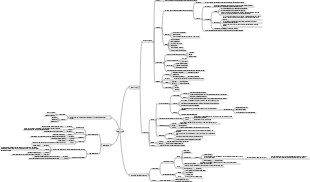
This is a mind map about the reproductive development of animals, and its main contents include: insects, frogs, birds, sexual reproduction, and asexual reproduction. The summary is comprehensive and meticulous, suitable as review materials.
This is a mind map about bacteria, and its main contents include: overview, morphology, types, structure, reproduction, distribution, application, and expansion. The summary is comprehensive and meticulous, suitable as review materials.
This is a mind map about plant asexual reproduction, and its main contents include: concept, spore reproduction, vegetative reproduction, tissue culture, and buds. The summary is comprehensive and meticulous, suitable as review materials.
This is a mind map about the reproductive development of animals, and its main contents include: insects, frogs, birds, sexual reproduction, and asexual reproduction. The summary is comprehensive and meticulous, suitable as review materials.
digestive system
TNM classification
T
Primary tumor depth
N
Invasion of draining lymph nodes
M
Distant metastasis
The depth of the primary tumor is closely related to the hierarchical structure of the digestive tract wall tissue
T1: Infiltrate into mucosa or submucosal
T2: Infiltrate the muscle layer or subserosa
T3: Penetrates serosal layer
T4: Invasion of adjacent tissues and organs
Digestive tube
composition
Oral-anal
Function
digestion, absorption, excretion, endocrine
General structure of pipe wall
Mucous membrane
epithelium
Stratified squamous epithelium
Oral cavity, pharynx, esophagus
Protect
simple columnar epithelium
stomach, intestines
Digestion and absorption
lamina propria
composition
loose connective tissue
Function
absorb
Abundant capillaries and lymphatic capillaries
immune defense
Lymphoid tissue and immune cells
continuous with epithelium
Mucosal glands (gastric glands, intestinal glands)
muscularis mucosa
composition
thin layer of smooth muscle
One layer of the esophagus, running longitudinally
The gastrointestinal tract has two layers, the inner ring and outer longitudinal
Function
Contraction can promote the discharge of glandular secretions in the lamina propria, blood circulation, and material absorption and transportation.
submucosa
composition
dense connective tissue
Esophageal and duodenal glands
submucosal plexus
wrinkled wall
Muscle layer
composition
Upper esophagus and anal skeletal muscles
remaining smooth muscle
arrangement
Two floors, inner ring and outer longitudinal
Three layers of stomach, internal oblique, middle ring and external longitudinal
myenteric plexus
interstitial Cajal cells
Electrical signals are transmitted to smooth muscle cells through gap junctions, causing spontaneous slow rhythmic contraction of the muscle layer.
adventitia
fiber membrane
thin layer of connective tissue
Pharynx, esophagus, most of duodenum, rectum
fixed effect
Serosa
Thin layers of connective tissue and mesothelium
Stomach, most of the large intestine and small intestine
Smooth surface reduces friction
esophagus
The wall is thick, longitudinally wrinkled and disappears when food passes through it
epithelium
No keratinization and flattening
The junction between the lower end and the gastric cardia is prone to esophageal cancer
lamina propria
Dense connective tissue, forming papillae that protrude into the epithelium
Mucus glands at both ends of the esophagus, rich in blood vessels
muscularis mucosa
vertically
submucosa
loose connective tissue
Esophageal glands, ducts opening into the esophageal lumen, surrounded by lymphocytes and occasionally lymph nodules
Muscle layer
Upper 1/3 skeletal muscle, lower 1/3 smooth muscle, medium mixed
The inner ring muscles at both ends are thick and form the upper and lower sphincters.
adventitia
fiber membrane
Stomach
Function
Store food, initially digest protein, absorb water, inorganic salts, alcohol
Mucous membrane
epithelium
Single layer columnar
surface mucus cells
Clay particles
Secretions form a mucus film to protect the gastric mucosa
gastric mucosal barrier
composition
mucous membrane
tight connection
Function
Prevent digestive damage to the mucosa itself caused by gastric acid and pepsin in gastric juice
lamina propria
small amount of connective tissue
large number of gastric glands
cardia gland
Mucous gonad cells Few parietal cells
Fundic glands (the most numerous and important)
distributed
Fundus of stomach, body of stomach
composition
Parietal cells (oxyntic cells)
distributed
The upper part of the gland is more abundant
LM
Large cone shape, central round nucleus, may have double nuclei, strong eosinophilic cytoplasm
EM
intracellular secretory tubules
microtubule-vesicle system
Mitochondria
Function
secrete hydrochloric acid
secreted intrinsic factor
Chief cells (pepsin cells)
distributed
The largest number, mainly distributed in the lower half of the gland
LM
Columnar, the nucleus is round at the base, and the cytoplasm at the base is strongly basophilic.
EM
Top zymogen granule
Rough endoplasmic reticulum and ribosomes
Function
Secrete pepsinogen to initially digest proteins
cervical mucus cells
distributed
top
LM
Wedge-shaped, flat core and base, clay particles on the top
Function
Secretes acidic mucus, which has a protective effect on mucous membranes
endocrine cells
ECL cells
Histamine, promotes acid secretion function of parietal cells
D cells
Somatostatin, inhibits parietal cell action
stem cell
Proliferate and differentiate into surface mucus cells and other fundic gland cells
Gastric mucosa self-protective function
mucus layer
Isolating the epithelium with pepsin
Slows down the diffusion of hydrogen ions to mucous membranes
surface mucus cells
Neutralize hydrogen ions
Pyloric gland
Mucous gonadal cells Massive endocrine cells
muscularis mucosa
inner ring outer longitudinal
submucosa
dense connective tissue
Muscle layer
Inward inclined middle ring outer longitudinal
adventitia
Serosa
small intestine
Function
Main site of digestion and absorption
endocrine
Special structure on the surface of the small intestine
Classification
wrinkled wall
The protrusions formed by the mucosa and submucosa toward the luminal surface of the intestine
Fluff
The protrusion formed by the epithelium and lamina propria toward the luminal surface of the intestine
surface
Single layer columnar
central axis
Lamina propria connective tissue, central chylous duct, fat absorption
microvilli
Protrusions formed by the cell membrane and cytoplasm toward the intestinal lumen
effect
Expand absorption area
Mucous membrane
epithelium
composition
Single layer columnar
villous epithelium
absorbing cells
goblet cells
endocrine cells
small intestinal glands
Epithelium sinks into lamina propria
single tubular gland
cell
absorbing cells
form
Tall columnar, oval core base
free surface
LM: limbus striae
EM: lots of microvilli and cell coat
side
Tight junctions prevent substances in the intestinal lumen from entering the tissue from the intercellular space
Cytoplasm
The smooth endoplasmic reticulum and Golgi apparatus form chylosomes from absorbed lipids
Function
Digestion and absorption
Secrete enterokinase to activate trypsinogen to trypsin
Participate in the release process of immunoglobulin A
goblet cells
Clay particles
Secretes mucus to lubricate and protect
endocrine cells
Paneth cells (characteristic cells of the small intestinal glands)
distributed
intestinal gland base
form
Conical, elliptical nucleus at base, basophilic cytoplasm, eosinophilic granules at the top
Function
Secrete lysozyme and defensins
stem cell
lamina propria
composition
villous axis, connective tissue
Rich capillary network (fenestrated capillaries)
Amino acids, simple sugars absorbed into the blood
central chylous duct
Absorption of chylosomes
smooth muscle cells
Contractions help lymph and blood flow
muscularis mucosa
inner ring outer longitudinal
Shrinking changes villi height
duodenum
submucosa
mucous gonads
Muscle layer
inner ring outer longitudinal
myenteric plexus
adventitia
Except for part of the duodenal wall, it is all serosa
the large intestine
Features
Goblet cells are particularly abundant
Intestinal glands long and straight
The external longitudinal muscles form three colonic bands
Function
Absorb part of the water and electrolytes and form food residue into feces
colon
half-moon ruffled wall
No lint
No Panet cells
There are colonic bands and intestinal fat hanging
appendix
Small cavity with thin and irregular walls
Short intestinal glands
Few goblet cells
Rich in lymphoid tissue
Incomplete muscularis mucosae
Function: mucosal immunity
digestive glands