MindMap Gallery Chapter 3Peripheral Nervous System Drugs
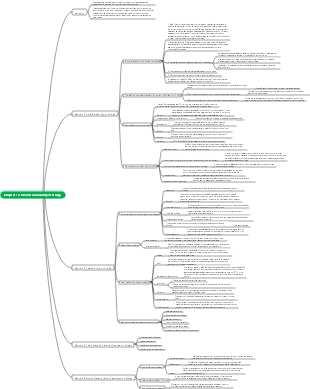
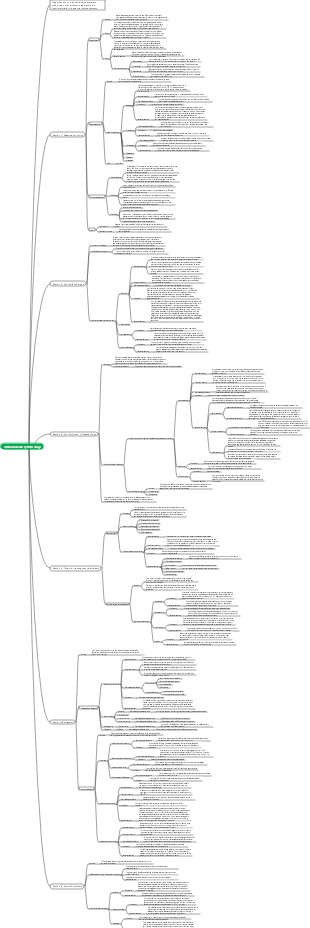
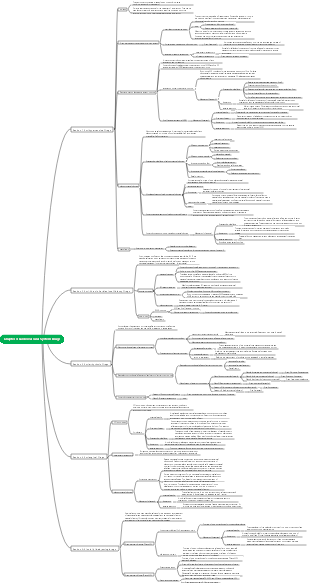
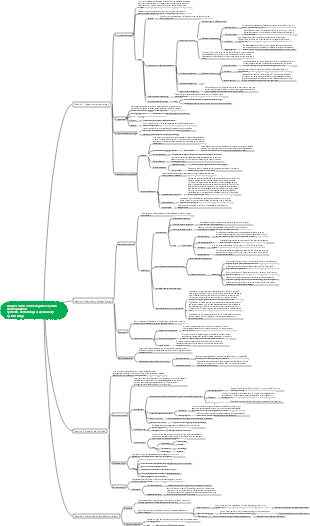
For pharmacy majors, the drug technology mind map mainly includes drugs that affect the function of the efferent nervous system. These drugs are traditionally divided into several categories based on their different pharmacological effects. Below is a detailed description of these medications.
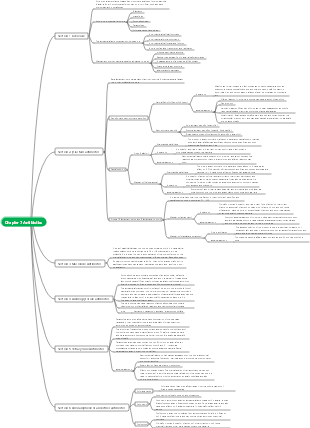
Edited at 2024-10-11 09:23:53Dive into the world of the Chinese animated film Nezha 2: The Devil's Birth! This knowledge map, created with EdrawMind, provides a detailed analysis of main characters, symbolic elements, and their cultural significance, offering deep insights into the film's storytelling and design.
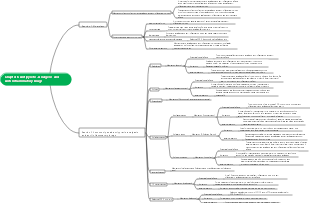
This is a mindmap about Nezha 2, exploring its political metaphors and cultural references. The diagram highlights the symbolism behind the Dragon Clan’s suppression, drawing parallels to modern geopolitical conflicts and propaganda manipulation. It also details Chinese historical and cultural elements embedded in the film, such as the Jade Void Palace, Ao Bing’s armor, Taiyi Zhenren’s magic weapon, and Nezha’s hairstyle.
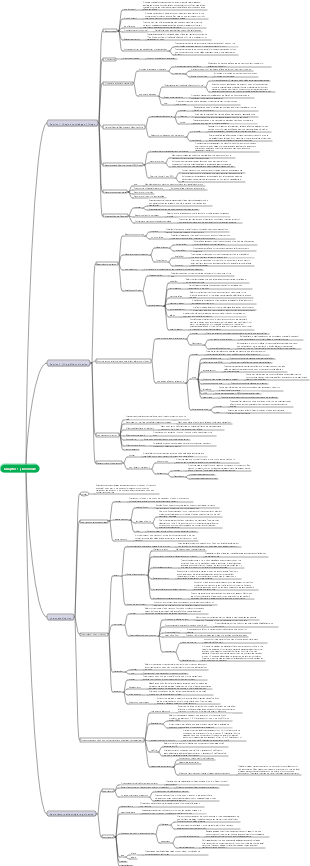
This is a mindmap about the main characters of Nezha 2, detailing their backgrounds, conflicts, and symbolic meanings. It explores the personal struggles and transformations of Nezha, Ao Bing, Shen Gongbao, and Li Jing as they navigate themes of rebellion, duty, ambition, and sacrifice.
Dive into the world of the Chinese animated film Nezha 2: The Devil's Birth! This knowledge map, created with EdrawMind, provides a detailed analysis of main characters, symbolic elements, and their cultural significance, offering deep insights into the film's storytelling and design.
This is a mindmap about Nezha 2, exploring its political metaphors and cultural references. The diagram highlights the symbolism behind the Dragon Clan’s suppression, drawing parallels to modern geopolitical conflicts and propaganda manipulation. It also details Chinese historical and cultural elements embedded in the film, such as the Jade Void Palace, Ao Bing’s armor, Taiyi Zhenren’s magic weapon, and Nezha’s hairstyle.
This is a mindmap about the main characters of Nezha 2, detailing their backgrounds, conflicts, and symbolic meanings. It explores the personal struggles and transformations of Nezha, Ao Bing, Shen Gongbao, and Li Jing as they navigate themes of rebellion, duty, ambition, and sacrifice.
Chapter 3 | Peripheral Nervous System Drugs
Section 1 | Introduction to efferent nervous system drugs
Anatomical classification of the efferent nervous system
It is mainly composed of the autonomic nervous system (vegetative nerves, including sympathetic nerves and parasympathetic nerves that control visceral activities) and the motor nervous system (nerves that control skeletal muscle movement).
Transmitters and receptors of the efferent nervous system
efferent nervous system transmitter
The efferent neurotransmitters are acetylcholine (ACh) and norepinephrine (NA).
According to the different transmitters they release (classification)
Cholinergic nerves (nerve fibers whose nerve endings can release acetylcholine)
Noradrenergic nerves (nerve fibers whose nerve endings can release norepinephrine)
efferent nervous system receptors
Depending on the transmitter combined with it (classification)
acetylcholine receptor
It includes M receptors that are mainly distributed on the effector cell membranes innervated by parasympathetic postganglionic fibers and N receptors that are mainly distributed on the ganglia (N1 receptors) and the midplate membrane of the diaphragm (N2).
adrenergic receptors
It can be divided into alpha receptors (two subtypes, alpha1 and alpha2) and beta receptors (two subtypes, beta1 and beta2).
Modes of action and classification of efferent nervous system drugs
Efferent nervous system drug mode of action
act directly on receptors
Drugs bind directly to receptors to produce pharmacological effects.
Affects neurotransmitter metabolism
Drugs produce mimetic or antagonistic effects by affecting the synthesis, transformation, storage or release of efferent neurotransmitters.
Efferent Nervous System Drug Classification
cholinergic drugs
anticholinergics
Adrenergic drugs
anti-adrenergic drugs
Section 2 | Cholinergic drugs
choline receptor agonists
acetylcholine
Is an M and N receptor agonist
Pilocarpine
The pH of eye drops should be adjusted to 4.0~6.0
Pharmacological effects
Selective direct agonist of M-choline receptors
Causes pupil and intraocular pressure to drop, and has the effect of regulating spasm
Increase exocrine gland secretion
Causes excitement and increased muscle tension in the smooth muscles of the intestine, bronchus, bladder, urethra and biliary tract
Indications
It is mainly used to treat closed-eye glaucoma and iritis, and can also be used to treat salivary gland hypofunction.
adverse reactions
Pupils shrink and vision decreases. Excessive absorption can cause systemic poisoning reactions such as sweating, salivation, nausea and vomiting, etc.
anticholinesterase drugs
concept
Anticholinesterase drugs can combine with cholinesterase to reduce or lose the activity of cholinesterase, thereby losing the ability to hydrolyze acetylcholine, causing acetylcholine to accumulate in the body, producing a cholinergic effect.
reversible cholinesterase inhibitor
chemical stability
This medicine is a quaternary ammonium alkaloid, which is highly alkaline and can form stable salts with monobasic acids.
Pharmacological effects
Has a strong stimulating effect on skeletal muscles
Indications
For the treatment of myasthenia gravis, paroxysmal supraventricular tachycardia, postoperative abdominal distension and urinary retention.
adverse reactions
Nausea, vomiting, abdominal pain, diarrhea, salivation, muscle tremors, bradycardia, etc. It is contraindicated in patients with mechanical intestinal obstruction and urinary tract obstruction, and should be used with caution in patients with bronchial asthma.
Refractory cholinesterase inhibitors—organophosphate pesticides and their antidotes
Symptoms of organophosphate pesticide poisoning
M-like symptoms: miosis, salivation, sweating, rales in the lungs, difficulty breathing, incontinence, nausea and vomiting, abdominal pain and diarrhea, bradycardia, etc.
N-like symptoms: elevated blood pressure, tachycardia, muscle tremors, etc.
Central symptoms: excitement first and then depression, irritability, delirium, hallucinations, coma, respiratory depression, etc. Severe cases may lead to death.
Principles of rescuing organophosphate pesticide poisoning
Quickly remove poisons, such as inducing vomiting, gastric lavage, catharsis, oxygen inhalation, diuresis, infusion and other symptomatic supportive treatments.
Use detoxification medication as soon as possible
Cholinesterase reactivating drugs (can restore cholinesterase activity and eliminate N-like and central symptoms), such as pralidoxime iodide and pralidoxime chloride.
M receptor antagonists (can block M receptors and eliminate M-like symptoms), such as atropine.
Section 3 | Anticholinergic Drugs
M receptor antagonists
It is mainly used for pain caused by visceral smooth muscle spasm, such as gastrointestinal colic and renal colic.
belladonna alkaloids
Atropine sulfate
chemical stability
The ester bond in the molecule is hydrolyzable and is relatively stable under weakly acidic and neutral conditions. It is the most stable at pH 3.5~4.0 and is easily hydrolyzed under alkaline and strongly acidic conditions.
Drug identification
The molecule has an acanthate hydrochloric acid structure and can undergo Vitali reaction.
Pharmacological effects
Atropine can relax visceral smooth muscles, inhibit the secretion of salivary glands, sweat glands, bronchi, glands and other glands. Atropine can dilate pupils, increase intraocular pressure and regulate paralysis. It can relieve the inhibition of wandering mind on the heart and accelerate the heart rate. When coughing with a large amount of atropine Dilate blood vessels and improve microcirculation.
adverse reactions
Dry mouth, blurred myopia, dry skin, flushing, palpitations, elevated body temperature, difficulty urinating, constipation, etc. It may gradually disappear after stopping the medication.
Synthetic
N receptor antagonists
N1 receptor antagonists
Optic ganglion blocking drugs. It binds to ganglion N1 receptors and competitively blocks the effect of acetylcholine on N1 receptors, thereby lowering blood pressure.
N2 is subject to several drug resistance
Also known as skeletal muscle relaxants, abbreviated as: muscle relaxants. Blocks N-choline receptors at neuromuscular junctions, hinders the transmission of nerve impulses, and relaxes skeletal muscles, making it easier to perform surgical operations under light anesthesia.
Section 4 | Adrenergic drugs
concept
Also known as adrenoceptor agonists. It refers to a class of drugs that excite adrenergic receptors and produce adrenergic-like effects.
According to the selectivity of receptors, they can be divided into alpha and beta receptor agonists.
Within a certain range, the larger the substituent, the greater the selectivity for β-receptors and the smaller the affinity for α-receptors.
Section 5 | Anti-adrenergic drugs
It refers to drugs that can block adrenergic receptors and inhibit the binding of neurotransmitters or adrenomimetic drugs to receptors.
alpha receptor antagonists
Including presynaptic α2 receptors and postsynaptic α2 receptors.
Medication (prazosin)
Pharmacological effects
Selectively blocks vascular smooth muscle, dilates α1 receptors, and exerts a moderate to strong antihypertensive effect on arterioles and venules.
Indications
It is suitable for mild to moderate hypertension. For severe hypertension, beta receptor antagonists and diuretics can enhance the antihypertensive effect.
adverse reactions
The first dose can cause orthostatic hypotension, which is called the "first dose effect."
beta receptor antagonists
It can selectively and competitively bind to β-receptors, blocking the binding of neurotransmitters and β-receptor agonists to β-receptors, thereby blocking a series of effects produced by β-receptor braking.
Classification
Non-selective beta receptors and drug resistance
Medication (propranolol hydrochloride)
Selective β1 receptor antagonist
Medication (Metoprolol Tartrate)
atypical beta-receptor antagonists
Medication (Celerolol)
Section 6 | Histamine H1 receptor antagonists
Overview
Histamine is an autoactive substance widely present in human tissues. It is formed from the decarboxylation of histidine catalyzed by histidine decarboxylase. The chemical structure is β-aminoethyl imidazole
There are three subtypes of histamine receptors: H1, H2, and H3
According to chemical structure
Ethylenediamines (Drug: Tripinase)
Aminoethers (drugs: diphenhydramine)
Piperazines (drugs: 1st generation buclizine, 2nd generation cetirizine)
Piperidines (drugs: 1st generation cyproheptadine, 2nd generation levocabastin)
Propylamines (drugs: 1st generation chlorpheniramine, 2nd generation avastine)
Phenothiazines (drugs: promethazine)
Benzimidazolamides (Drug: Asmizole)
Commonly used histamine H1 receptor antagonists
Medication (diphenhydramine hydrochloride)
Pharmacological effects
It can counteract or weaken the effect of histamine on blood vessels, gastrointestinal and bronchial smooth muscles, and has a strong inhibitory effect on the central nervous system.
Indications
Suitable for allergic diseases of skin and mucous membranes. In addition, it can also be used for nausea and vomiting caused by boating and car riding.
adverse reactions
Common adverse reactions include drowsiness, dizziness, drowsiness and fatigue. It can also cause digestive tract symptoms such as dry mouth, diarrhea, blurred vision, and constipation.
Section 7 | Local anesthetics
It is a type of drug that can reversibly block the occurrence and conduction of sensory nerve impulses in the local area.
Aromatic esters
Drug (procaine hydrochloride)
Pharmacological effects
This drug has strong local anesthetic effect, low toxicity and no addiction.
Indications
It is widely used clinically for infiltration anesthesia, conductive omentum anesthesia, inferior cavity anesthesia, epidural anesthesia, etc. It can also be used for local sealing. It cannot be used for topical anesthesia due to its weak penetrating power.
adverse reactions
If there is an allergic reaction or even anaphylactic shock, the patient should be asked about his allergic history and undergo a skin test before taking the medicine. Large doses can cause toxic reactions.
Amides
Medication (lidocaine hydrochloride)
Pharmacological effects
The local anesthetic effect of this drug is twice that of procaine. Because of its stable properties, fast onset, long maintenance time and low irritation, it is considered to be the most ideal local anesthetic.
Indications
It can be widely used for various local anesthesia, but due to its strong diffusion power and easy diffusion in cerebrospinal fluid, it is generally not used for subarachnoid anesthesia. Intravenous injection can also be used for antiarrhythmic purposes.
adverse reactions
During intravenous injection, you may feel anesthetized, feel dizzy, and have dark eyes. Reduce the dose in patients with heart and liver dysfunction.