 Wondershare EdrawMind
MindMap Gallery The Key to Success in IELTS
- 16
The Key to Success in IELTS
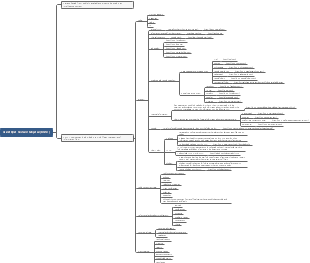
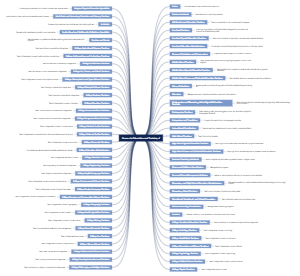
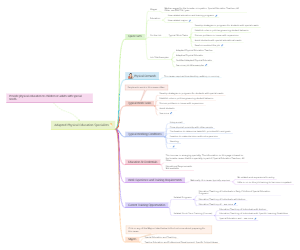
This mind map outlines the key components for success in the IELTS exam. It starts with understanding the problem and learning how to learn effectively. It then breaks down into specific areas: Vocabulary and Grammar for IELTS, followed by keys to success in each section of the exam—Reading, Writing, Listening, and Speaking. Finally, it highlights the importance of utilizing resources for IELTS preparation. This structured approach helps learners systematically improve their skills and achieve a high score.
Edited at 2025-05-27 16:41:19
- Recommended to you
- Outline
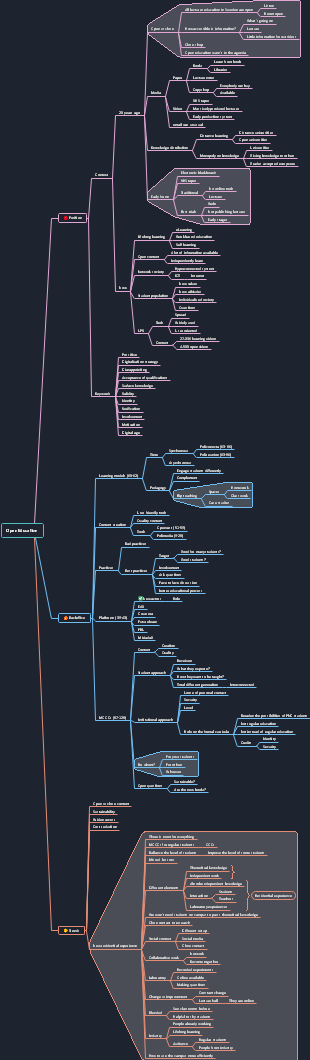



The Key to Success
Understanding the problem
Google University
key problems
language learning
time-poor
juggle studying with work commitments
unreliable resources
bad advice
false economy
IELTS
valid, fair, and reliable
facts vs. fiction
Learning how to learn
wrong type of practice
stuck at the intermediate level
go around in circles
does not help you to advance
not moving forward
closed loop
‘The Making of an Expert’, Harvard Business Review
deliberate practice
focusing on a skill you need to improve
where you know you have a weakness
'Bounce', Matthew Syed
the number of hours they devoted to the right practice
advanced
intermediate
resistant to aware the gaps
first unlearn what they feel sure they already know
they don’t know everything
a ‘Test – Teach – Test’ approach
lower levels
Open loop thinking
real progress
going around in circles
making genuine progress
finally get the score you need
learn a language
to do sth
facts about sth
level differences
sport analogy
advanced, intermediate level
special training
right focus
level stabilises
serious, systematic approach
marginal gain
big goal
smaller, manageable parts
added together
much greater improvement overall
components of language
core skills
reading
writing
speaking
listening
key building blocks
vocabulary
grammar
macro skills
micro skills
becoming an independent learner
lower levels
‘spoon-feed’ information
higher levels
independent learners
Vocabulary for IELTS
types of vocab for IELTS
academic module
reading test
passages
descriptive language
academic theories
complex ideas
listening
topics
general
academic
situations
formal
less formal
speaking
familiar situations
own views/ideas on more general topics
writing
task 1
summary
key data
visual information
task 2
dissusing an issue
explaining your own views/ideas in a formal written essay
general module
Dr Averil Coxhead
AWL
most frequent 2000 words of English
not enough for IELTS vocabulary
write or talk in a precise way about any topic
Common problems
active vocab
producing words through speaking and writing
passive vocab
understand reading and listening texts
native speakers
generally, not actively use all of the words
old-fashioned words or phrases
legal/political documents, or literature
decry, aforementioned, bellicose, the undersigned
Band 7
candidate can do this ‘with some awareness of style and collocation’,
Band 6
these words are used ‘with some inaccuracy’
less common and uncommon vocabulary
avoid rarely used native speaker words
only level C1 and C2 words
vocabulary acquisition
express complex ideas
Band 7 – ‘uses less common words with some awareness of style’
words and idioms are presented out of context
extremely rare in English usage
Band 6
waste time
IELTS journey a lot more difficult
more expensive than it needs to be
a surface-level knowledge of large quantities of words and phrases
‘Short words are too basic’
ability to use
skillful way
C1/C2 levels
idioms and collocation
idiom
cannot be guessed from the individual words alone
phrasal verb
impossible to judge
formal/imformal?
lists
advanced level
go beyond the lists
idiomatic language
how and when
collocation
naturally use together
pp. 243 – 244
deliberate practice
natural context
how and when
appropriate time
‘an awareness of style’
speacial list
top 3000 most commonly used words
AWL
Building your active vocabulary
words into topic lists
10 words at a time
practise saying the words
the meaning
the spelling
a note of sentences containing the words
Remembering through context
mental image
the style
correct usage
Developing an awareness of style
do further research
precise meaning
‘style’
‘complex’ words
extreme word
wrong time
less precise
TIPS
informal or very technical words
limited use
quantities
deeper meaning
context
lists
make a note of words and phrases
gaps
active vocabulary
fill
pronounciation
spelling
collocation
the use
how and when
‘style’
native speaker
words in a formal situation
waste your time
collocation
chunks
isolation
work on vocabulary
set aside a regular amount of time
Grammar for IELTS
How is grammar tested in IELTS?
all parts of the test
understand reading passages in a precise way
explain ideas clearly
Common problems
Creating ‘complex’ sentences
trick the examiner
skip language levels A2 to B2 and jump to level C1
consistently produce the same level of language
What are complex structures?
structures
basic sentences
I like apples.
I like bananas.
I don’t like oranges.
join these together
I like apples and I like bananas.
I like apples but I don’t like oranges.
complex sentence
Although I like most fruit, I don’t really enjoy eating oranges
IELTS Writing
likes nor dislikes
Although fresh fruit and vegetables have greater health benefits, many people would rather eat fast food.
and, but, so, and because
bands 3 to 5
although, despite, thus, in contrast, as a result, and consequently
bands 7 to 9
tenses and verbs
accurately and effectively
a general fact
a possible, probable, or hypothetical situation
pronouns
causes and possible effects
link ideas
repeating key words
confusing the reader
a variety of complex structures
Complex + Complex = Complicated
band 6.5 examples
very long sentences
run over three lines of the page
long, complex structures?
achieve a high band
lower your score
ideas difficult to follow
measurement
quantities
connect ideas together logically
ability to explain ideas clearly
link
grammatical accuracy
coherence and cohesion.
how easy it is to understand and follow your ideas
Complex ideas + Complex way = Complicated language
Make the examiner’s job easier, not more difficult; a confused examiner means a lower score.
explain your ideas as clearly as you can
hide your ideas with confusing grammatical gymnastics
Deliberate Practice for IELTS grammar
academic module
formal style
Writing task 1
summarise and describe visual information
be impersonal
use personal pronouns
‘We can see…’
‘I can see…’
describing a process
‘The cereal is packed into boxes and sold’
‘Someone packs the cereal into boxes and sells them.’
describing a graph
describing changes over time
aware of tenses
Being precise
aware of the difference that even a small change
In 1980, 10% of students were male, but in 1990, this figure rose by 50%
In 1980, 10% of students were male, but in 1990, this figure rose to 50%
Using the correct style and tone
tone
verbs
tenses
style
give advice
your own opinions
The data shows the changes the government should make to energy prices
be impersonal
The data shows the changes the government has made to energy prices.
Grammar and coherence
grammatical accuracy
coherence
Grammatical problems
make confusing
Figure predicted rising from 2020 to 2025
This figure is predicted to rise between the years 2020 and 2025.
prevent from fully understanding an idea
Have the third-year term started, it will no longer be too long for my commencement day to come.
‘When the third term begins, I will not have to wait too long for my start date.’
Has the third-year term of bachelor degree started, it will no longer be too long for my commencement day to come
‘When the third term begins, my own start date will not be too far away.’
Editing and correcting
Articles
Tenses
Prepositions
Relative clauses
Verb and subject agreement
6 sentences with a grammatical problem
The chart shows that UK imported more coal in 2010 than US.
Number of cars on the roads has increased steadily since 1980.
The percentage of houses with solar power are increasing each year.
By 2002, the figures increased to 60% and 75% respectively.
The cans travel by the conveyor belt until they reach to the packing area.
The three countries had the most exports were China, Japan and Thailand.
Writing task 2
Grammar issues
academic journal or paper
passive voice
objective
could be repeated by any one
IELTS Writing task 2
in a formal style
passive voice
common mistake
inappropriately
must only use the passive
remove or hide the subject of the verb
make a general statement
avoid repeating the language in the question
examples
active
Many people now use social media as a news source rather than just a way to communicate with friends.
passive
Social media is now often used as a news source rather than just a communication tool
active
I have cancelled the plan to build a new cafeteria because I felt that we should spend the money on new machinery.
passive
The plans to build a new cafeteria have been cancelled because it was felt that the money should be spent on new machinery.
an academic paper
Expressing your views using impersonal language
band 7
‘present a clear position throughout’
‘Many people believe that traveling is very dangerous now.’
A.completely agrees with the statement B.partly agrees with the statement C.disagrees with the statement
1. If traveling was so risky, fewer people would do it. 2. Admittedly, traveling alone in certain areas can be a little risky. 3. Traveling overseas is far too risky nowadays.
'traveling alone can be a little risky'
your own view
'I believe this can be a little risky.'
'Governments must...'
'Businesses should...'
your own view
use of language
throughout your essay
‘I completely agree…’
‘I feel…’
‘I believe…’
‘In my view…’
reveal your view or position
Studying grammar
audio-lingual method
frustrating
confusing
terrible impact on spelling
grammar-translation method
stories
classical literature
unable to order the coffee
understand the advertisements for accommodation
The washback effect
only learn what is going to be assessed
1970s
grammar
translation
classical literature
1980s
communicative approach
communication
authentic materials
IELTS test aims
ability to communicate your ideas clearly and precisely
understanding of authentic materials related to academic or work-based situations
Present, Practise, Produce
students' need
T presents this new language using authentic materials
reading or listening text
Ss practise the language
controlled, task-based exercises
T encourages, Ss produce the new language
classroom games and role play
written task
real situations outside of the classroom
Staying focused
self-study students
Learning through teaching
be aware of
what
why
a deliberate way
Beware of false friends
explain when something happened / will happen / is happening now?
show that something might or might not happen?
compare two or more things?
describe nouns or verbs?
refer back to an idea without repeating the same words?
‘Chunking’ and grammar in speaking
chunks
join words together
saying each word separately
in a robotic way
accurately form a structure
collocation
words naturally go together
a new verb
a piece of vocabulary
meaning
grammatical component
use of langugage (written sentence & speaking)
tense forms
prepositions
changes
Learning grammar in context
impact
meaning
tone
coherence.
Grammar and Meaning
paragraphs
ideas
verbs
tenses
meaning
tone
uses
modals
conditionals
prepositions
articles
Grammar and tone
polite
adverbs
modal auxiliary verbs
Furthermore, certain words and phrases may be too informal to use in IELTS, so it is important to consider the aim of the test when choosing words to learn.
softer
less direct way
Besides, certain words and phrases are too informal for IELTS, obviously you should consider the aim of the test when you choose words to learn.
personal
direct
aggressive tone
vocabulary used
besides, obviously
inappropriate tone for IELTS
What grammar points should I study?
students' need
gaps
grammatical range and accuracy
Reading widely
active use of grammar
well-written articles/books
good sentences
structures
models
‘The emotional significance of the dress far outweighed its monetary value.’
‘The …of … far outweighs its ...’
The advantages of recycling far outweigh any inconvenience the process may cause.
The disadvantages of raising taxes will far outweigh any savings the government may make.
Fluency vs. accuracy
edit and check
writing
speaking
stumble to explain
pause to think about accuracy
affect your fluency
controlled practice
free practice
automatic
pause
Staying motivated
General training
formal
semi-formal
informal
The Key to IELTS Reading
Understanding IELTS reading
fair, valid, or reliable
guessable, or vague and confusing.
The importance of time in the test
read efficiently
use a range of reading skills
What are the key skills needed for IELTS reading?
What is the difference between skimming and scanning?
scanning
moving your eyes very quickly over a text to find a key detail
quickly spot
word
number
individual words
skimming
read a text very quickly to get the general idea of what it is about
more slowly over the text
key words and phrases
pausing to read details
Should I read the questions or the passage first?
glance quickly at the question types
satisfy your curiosity
under 3 minutes
skim read
heading
subheading
footnotes
Preparing to read
cannot guess the answer without reading
skim reading
useful background information
understand the questions
time limit?
first and last sentence of each paragraph
The impact of vocabulary and grammar on reading skills
current IELTS reading test score is relatively low
focus on learning vocabulary and grammar
improve your reading speed
Reading in detail
read each word slowly and carefully
looking for an answer in the wrong part of the passage
misinterpreting the question
misinterpreting the passage
mistaking a small detail for a big idea
trying to simply match words instead of using reading skills
The effect of grammar on reading in detail
authentic academic/professional texts
complex ideas
development of a main idea
understanding of referencing within and between sentences
Why are there so many different question types?
use and learn a range of skills
The reading test questions are presented in the most logical order. Answering the questions in order will help you to read more efficiently in the test.
different tasks
When did this happen?
Where did this happen?
What happens first / next?
How does this work?
How / why did they do this?
What exactly does this mean?
Does this mean xyz?
Who said this?
What is the main idea here?
Why did the writer say this?
What is the writer suggesting here?
Where is this information?
What is the cause or effect of this?
Which questions are in the same order as the passage?
How should I answer these questions?
1. Read the question in detail and identify key terms. 2. Scan the passage for the terms (or any synonyms) – N.B you may find the same detail mentioned in more than one place. 3. Skim read each part where you found the key terms to help identify the right one. 4. Read the relevant part in detail to answer the question.
True, False, Not Given and Yes, No, Not Given
a list of statements
True, False, Not given
a factual passage
Yes, No, Not Given
passages that contain the views or claims of the writer
What do the options ‘True’ and ‘False’ mean?
True
accurately reflects the information in the passage
seems to cause little confusion
False
‘the opposite’ of the information in the passage
factually incorrect/untrue
wrong date, place, or event
can correct a false statement
correct information appears in the passage.
The confusion about ‘Not Given’
Not Given
something that is not there
there is no mention here
source material cannot be used to check the information
cannot correct a Not Given statement
true
false
Common problems in IELTS reading
silly options
vocabulary matching exercise
scanning
skim reading
which mention
specific question
reading in detail
What about questions that are NOT in order?
Task types
locating the information
selection the most appropriate information
Matching headings
choosing the correct answer from a list
minor details
main ideas
inaccurate details
ideas
skim reading
Headings
main idea in the paragraph
identify the main idea
title
first paragraph
Bad advice for matching headings
first and last sentence of the paragraph
authentic test materials
Which questions are sometimes not in order?
notes-completion task
headings
flowchart
chronological order information
Deliberate Practice for IELTS reading
deliberate practice
make genuine progress
identifying your weak areas
practice in a structured and deliberate way
breaking a large task
smaller
manageable goals
micro skills
Developing scanning skills
read test passage
look through the questions
Make a list
key details
scan the passage
Developing skim reading skills
1. general impressions
the main topic or field of study mentioned (e.g. archaeology, chemistry, a type of insect etc.)
whether it relates to one country, one study, or several
whether the passage is talking about past, present or future research
whether the tone is positive, negative, or neutral
2. try to recall as much information as you can
How quickly should you read?
native speaker
100 words in 20 seconds
high-level, non-native speaker
100 words in 30 seconds
marginal gains
How to improve your reading score
assess your own weaknesses
build the skills
practise using test materials
look back at previous practice tests
note down the number of questions you got wrong
If you are making more mistakes in sections 2 and 3, the problem is likely to be linked to language. If this is the case, stop doing test practice until you have built up your language skills. If you identify a problem with a particular question type, first, look again at the correct answers for each one and make sure you understand why your answer is wrong, and where the correct answer comes from in the passage. Try to identify any patterns. For example, do you have problems with questions that are asking, ‘Why did the writer say this?’ or ‘What is the writer suggesting here?’
problems and solutions
Timing
Efficiency is the key
section 1 questions = section 3 questions
a little more time for the more difficult questions in sections 2 and 3
too long to decide
make a best guess
leave it
spend 2 to 3 minutes skim reading
spend 1 minute per question
each question
relevant part of the passage
write the question number in the margin
Scoring Band 7 or above
at least 30 out of 40
aim for more when practicing
don’t waste time
address questions that are at your level
Band 8 or 9 questions
Understanding IELTS writing
Why is IELTS writing so difficult?
takes the longest to master
personal/painful process
What is the aim of the IELTS writing test?
describing and summarising facts
an objective way
clearly explaining your own arguments/views about serious topics
academic paper
dissertation.
reflecting the general aim of science
How is the writing test assessed?
writing task 2
double the marks
writing task 1
4 criteria
what you must always include in your answer
Task 1
Task Achievement
Task 2
Task Response
fully satisfies all the requirements of the task
Band 9
The Key to IELTS Writing Task 1
Common problems in Writing Task 1
conflicting theories and advice
What is an overview?
overview
band 6
band 5
clear
main trends
details
band 7
Using the band descriptors to help you improve
useful indicator of the areas
Running out of time in writing task 1
20-mins brief summary
extra time spent on task 1 is taken from the time needed for task 2
only main trends
detailed description
What structure should I use for my academic task 1 summary?
1. introduction.
short task
complete paragraph
an introductory sentence
‘introduce’ the visual information
restate the information provided
several different elements
a chart and a table
two separate sentences
2. overview
at the end or the beginning?
fixed rule
clear
main idea of your summary
after introduction
at the very end
3. conclusion
overview
an ending
final part
Task 2 ONLY
personal conclusion
opinions
What language should I use in writing task 1?
describing data
writing a letter
report on a topic
Copying words from the question
must use your own words
common synonyms
word order
replacing a verb
a noun
replacing every word in the question
most natural words
Deliberate practice for IELTS writing task 1
Academic Task 1
describing data and numbers
identifying the main trends or patterns
changes over time
data
geographical area
building
tenses
Technique
Recording and Drawing
1. Record Description
Find a Writing Task 1 question.
Record yourself describing only the main trends.
Limit description to no more than two or three sentences.
Do not give specific details (percentages, numbers).
2. Test Description
With Partner
Ask a friend to listen to the recording.
Friend attempts to draw what was described.
Metric
Friend's drawing shows the most important points/patterns.
Solo
Listen to your own recording a few weeks later.
Attempt to recreate the main trends yourself using only your description.
3. Iterate
Repeat the exercise until satisfied with the result.
4. Write Overview
Write an overview of the main trends you described.
The key to IELTS Writing Task 2
Understanding writing task 2
The aim of writing task 2
any topic
in a serious way
Criteria
You will be given a topic and a question (these two elements make up ‘the task’).
Your response must be at least 250 words long, and must be a formal essay.
In your essay, you must discuss the topic and present an argument that clearly explains your position on the issues raised in the question/s.
Your ideas must be organised into logical paragraphs, and each paragraph should contain one central idea.
Your ideas must be explained and supported, and you can use your own knowledge and experience to do that.
Common problems in IELTS writing task 2
Misunderstanding the task
one or two statements
the topic
key functions
hasty decision
broad terms
much more specific
fully understand the issue
discuss.
examples' meaning are clear
react to
form an opinion on
background information
lose marks in Task response
stuck at band 6.5?
off-topic
rambling
confusing
one or two questions
Why do we only have 40 minutes?
same writing skills
native-speaker acquires in the final years at high school
Responding to ‘different types’ of questions
discussion essay
argument essay
opinion essay
discursive essay
opinion essay
make your own position clear
discussion essay
discuss an issue
Opinion and discussion
‘To what extent do you agree or disagree?’
discuss it in a logical way
an opinion essay
‘You must only write about the view you agree with’
‘You must only argue in favour of one side.’
two different opinions are given in the question
must discuss both equally
band 7 in Task response.
only discuss the one you agree with
‘more fully covered than others.’
Band 6 Task response
a discussion essay
‘You must not give your opinion’.
band 6
‘present a clear position throughout the response’
Band 7 Task response
make the extent of your position on it clear
strong agreement
strong disagreement
something between the two
But there are different questions, so why can’t we label them?
‘I must write a discussion essay and I must not give my opinion,’
‘I must write an opinion essay and I must only discuss the part of the question I agree with – I should ignore the rest.’
lower your score
‘I must discuss everything in this topic and make my own position clear,’
discuss the problems associated with an issue and suggest possible solutions
discuss and evaluate the advantages and disadvantages of something
discuss one or two opinions on a topic and give their own opinion
discuss the possible causes of a problem and the effect it has
In every test, aim to discuss the very specific issue you are given in a balanced way, while making your own position on that issue clear.
The thesis statement and a focus on ‘form’
thesis statement
state your main ‘thesis’
state the main idea of a piece of writing
help control the ideas in your writing
reflect an opinion or judgment that you have made
form
begin with an introduction that briefly introduces the topic
write 2 or 3 body paragraphs that present, and explain your main points
finish with a conclusion that summarises your main points, and makes your position clear.
what you write matters
number of sentences
words in a paragraph
Task response comes first
sentence 2
for several reasons
less definite
for two important reasons
indicate why there are only two reasons given in the essay
Introducing your essay
‘in order to get band 7+, you have to summarize the two main points in the thesis.’
overall argument
ticking boxes
language assessment
magic ingredient
introductory paragraph
cram too many ideas
mini body paragraph
problems
repetition
development of your ideas
paraphrasing
body paragraphs
same argument
same ideas
introduce the topic
every IELTS writing task 2 question
meet the Task response criterion
A lack of position
Band 6
‘Is it better to agree or disagree with the question?’
begin writing without having a clear idea/opinion
know your position is before you begin writing
A lack of ideas
mental tool chest
useful sentence openers
‘One of the main reasons why ...xyz...’
‘One of the main advantages associated with …’
'topic sentence'
shorthand
jargon
larger meaning they encompass
promised function
unhelpful
‘the main idea of the paragraph’
pre-learned phrases
false sense of having written something meaningful
fill the page with writing
templates
get started in writing
explain and connect ideas
controlled way
framework
bands 4 and 5
respond naturally
respond mechanically and unnaturally
quantities
how many paragraphs / sentences / ideas / examples you write
structure
where to put your thesis statement or opinion
topic sentences
mechanically
band 6 or 6.5
Repetitive writing
write without thinking first
band 7 or above
Writing is thinking we can see, if you do not think before you write, there is nothing to see.
present, extend, and support your ideas and views
first body paragraph
restates the question
progression
'development’ of ideas
‘fully developed’
band 9
'well-developed'
band 8
‘a clear position'
band 7
main ideas are ‘presented, extended and supported’
‘relevant’
Band 6
'inadequately developed’
Understanding the role that culture plays in writing
repetition
lack of ideas
culture
convention
discuss the issue
circular way
IELTS
present an argument
linear way
clear progression
logical conclusion is reached
The ‘scope’ sentence: ‘This essay will analyse ...’
in IELTS essays
add words
meaning
‘This essay will analyse this issue by…’
‘scope’ sentences
a US convention
EAP study
the word ‘analyse’
dissertation
abstract of a research paper
Inventing examples
test aims
writing skills
undertake higher education
work in a professional capacity
cater for candidates from all fields
create facts
extra, unnecessary step
invent feasible statistics
official bodies
add relevant support
band 7 skills
save time in the test
Using personal examples
‘For example, my uncle / my cousin / a friend of mine…’
work best when they are authentic
concrete example
relevant
invented
effective
I am a doctor, can I use medical examples?
answering the question
showing broad medical knowledge
high-level vocabulary
sentence structures
descriptions
overly complex
confusion
avoid using 3 words when one would be better
specialist knowledge
overly technical
distract the writer from the issue they are discussing
gradually move further and further away from the very specific topic in the question
writing to a non-specialist
Misunderstanding the level of bands 7 to 9
band 8 or 9 certificate
assess band 8 or 9 language
band 7 or band 8
complex structures/words
less natural
lack of coherence and cohesion
‘gamers’
informal in tone
confusion
band 6.5
extra ideas interfere with communication
difficult to follow
main idea being presented
band 6 coherence and cohesion problems
band 8 or 9
Computer-based games can have a very positive effect on teenagers. They can help them to develop important life-skills, like problem-solving, and also aid in their intellectual development
‘computer-based games.’
‘audio and visual games which are designed to be played on the computer’
unnecessary words and structures
‘boosting’
lower score
natural language
clear ideas
long, complex sentences
* ‘Band 6’
computer-based games
reap the benefits
good awareness of style
natural use of advanced level vocabulary and grammar
Deliberate practise for IELTS writing task 2
break down a large task
manageable goals
Stage 1 – Reading and understanding the question
stop and think carefully
test question
key idea
Task response
quick decision
too broadly
find a partner
discuss a question
begin writing
another person’s point of view
help form better ideas and opinions
Stage 2 – Developing thinking skills and getting ideas
Stephen King
if you don’t read, then ‘you don’t have tools to write
link
reading
learn what other people think
feel about different issues
non-fiction books
building ideas and language
a position
choice of vocabulary
use of grammatical structures
reflection
special note of any words or phrases
Do you agree with the writer?
Can you see a counterargument?
Would the same attitude or way of thinking work in your own town, city, or country?
writing
what you write matters much more than the amount you write
habit
a wide range of topics
Stage 3 – Developing planning skills
afford to write without a clear plan
band 6.5
band 7 or above
cover every part of the question in a logical, balanced way
complete the task
Sample answers and model answers
model
standard that students can learn from
sample
teachers and professional writers seldom practise what they preach
always appreciate the problems associated with successfully completing the task in exam conditions
Changing the way you plan
Planning is writing
Does your answer reflect the specific issue raised in the question? (Look at the introduction and conclusion – can you recreate the test question using them?)
Are there any parts of the question that you did not discuss?
Did you repeat the same idea/s within a paragraph?
Did you repeat the same idea/s in different paragraphs?
Did you include ideas that are not relevant or not directly connected to the issue raised in the question?
Did you gradually move away from the issue in the question?
Did you explain your ideas well? (can you understand the points you were trying to make?)
plan argument well enough
Task response
Coherence and cohesion
paragraphs
‘map’
arguments
'road'
Stage 4 - Writing your essay – the missing link in IELTS writing
‘If you want to be a writer, you must do two things above all others: read a lot and write a lot. There's no way around these two things that I'm aware of, no shortcut.’ Stephen King
paragraph
main idea
question
Task response
argument
logical
linear path
circular one
P.E.E.L structure
‘the missing link’
band 6 or 6.5
‘Thus, this kind of medical practice can dramatically improve the conditions of people who have issues in physical movements and mental blocks of doing so.’
disadvantages to the use of computer games
not relevant to the question
moved away from the topic
‘Thus, we could argue that video games can actually serve a very useful purpose and are not always detrimental to our health.’
link
finished
complete
Mechanical writing
quick ‘trick’
Language and skills
develop over time
with deliberate practice
on a daily basis
even 15 minutes
PEEL structure
until natural
without thinking
question
focus on argument
adapt the language
write smoothly
band 8 or 9
response more natural
sample answers in the Cambridge Practice test books
identify
the main point
a further explanation of this point
an idea used to support the point
how the point is linked to the question
native-speaker writer
natural and subtle way
useful exercise
Part 3 of the speaking test
prompts
advanced level
different skills are linked
Stage 5 - Checking your essay
handwriting problems
leave a line between each paragraph
indenting the first word
When editing, you may find the following ideas helpful:
1. Focus only one problem area at a time (e.g. only verbs or only articles).
2. Do not edit your essay immediately; leave it for a day before you look at it again.
3. Ask yourself the following questions about your answer:
Did I complete the task?
Are my paragraphs clear?
Are my conclusions clear and supported by my ideas?
4. Keep a score of how many corrections you need to make in your common problem areas – aim to reduce this score over time.
Managing your Time in the writing test
counting your words
find the average
partial lines
writing on the same type of lined paper
The structure for every task 2 essay
an introduction that briefly introduces the topic you will discuss
2 or 3 body paragraphs that present a clear argument and explain your main points
a conclusion that summarises your main points, and makes your position clear.
NB – the number of paragraphs needed is dependent on your ideas on the day.
main priority in writing
communicate your ideas clearly
high-level candidates
complex and difficult to read
clear, relevant ideas
easy to follow
The Key to IELTS Listening
Understanding the listening test
How is listening tested in IELTS?
Sections 1 and 2
everyday social contexts
academic
accents
all native speakers of English
British,
Australian,
New Zealand,
American,
Canadian
recording
once only
answers
appear in the order
can answer the questions after listening
only once
types of questions
objective
choose the correct letter from a list
productive
write down words or numbers
completion tasks
notes-completion
table-completion
naturally record/note down in this situation
How is listening ability tested?
1970s
dictation
limitations
the ability to write down
understanding
paraphrase the information
IELTS listening test
authentic listening test materials
What makes the listening test reliable and fair?
questions
force you to listen
answer the questions while you are listening
recording in a logical way
sea of complex language
Can watching movies and TV help develop IELTS listening skills?
message
visual information
type of language
in the test
serious conversations
serious topic
popular films
informal language
inappropriately
may also lose marks
What about Ted talks?
should be used with discretion
visual information
slides
animation
vary considerably in terms of their suitability
the extent to which they can help non-native speakers learn English
speed of delivery
address their talk
people sitting in the auditorium
native speakers
same field
talk rapidly and confidently
difficult to follow
the technical language used
Isn’t listening section 4 like a TED talk?
live audience
slides
notes
script
how they react
struggles
explain it further or repeat the information
Q&As
Common Problems in IELTS listening
Listening test materials
key features of the real test
valid, fair and reliable
an awareness of how to develop the listening skills needed
section 3 and 4
multiple choice
notes-completion
Deliberate practice for listening
micro skills and processes
the context
different speakers
different attitudes and opinions
Active listening
always listen with close attention
Learning to listen
materials
excellent resources
Exercises to develop listening skills
1. Listen and say
repeat the information
stay focused and actively listen
a very short extract
several times
ability to recall what you have heard
tapescript
2. Listen and say
repeat the information
stay focused and actively listen
a very short extract
several times
tapescript
longer extracts
ability to recall what you have heard
‘decoding’ what you hear
chunk of language
individual words being used
3. Listen and read
following a discussion or talk
authentic listening recordings
use signposting words to help you keep track
how ideas are connected
Read through the tapescript
notice the language features
a change in topic
when speakers are agreeing or disagreeing with each other
an attitude or opinion
Listen to the recording again
read the questions
pay attention to the features
different questions
4. Listen and write
section 2
Dictation
Testing Word Decoding Ability
Write down exactly what you hear, word for word
Helps identify gaps in your own language.
Reveals words or phrases you miss and do not hear.
section 4
Note-Taking
Testing Comprehension
As you listen, write notes in your own words.
Good practice for recognizing paraphrase (as test questions do this).
Helps train you to keep track in the test.
Compare your notes with the information in the test questions – did you manage to note the same key points?
Preparing to Listen
lowest levels
(A2 – B1)
look at the question paper
often turning over pages
looking ahead at later sections
band 6
highlighter
key parts of the questions
several would highlight almost all of the paper
highest levels
bands 7 to 9
highlighting
only the key words and phrases
focus
recognise the answers
Keeping track and answering as you listen
test aims
time to read through the questions
before you listen
while you listen
high-level candidates
good students
make good use of this time
use your pencil
use your pencil
key ideas or words
two people called Dave and Randhir
Dave will mention the computer system (21).
They will discuss a key problem with the system (22),
they will talk about timetabling and why this has become a problem (23).
Randhir will suggest a way to solve the timetabling problem, and will then discuss using a new system (25).
Finally, they will talk about how long it will take to improve the current system they have (26)
Table and notes-completion tasks
Get ready to listen, by predicting what sort of information you will hear.
Stay focused, so that you do not lose concentration in the test.
Easily identify the information you need to listen for.
How to improve your listening test score
Books 9 onwards
How to assess your listening level
Do not use headphones (unless your test centre uses these).
Play the recording only once.
Write the answers on the question paper as you listen.
Give yourself only 10 minutes to transfer your answers onto a separate answer sheet at the end.
NB: You can use lower case or uppercase letters (capital letters) to write your answers.
Marking your answers
follow the answer key exactly
half marks
in brackets
may include it in your answer
What does ‘two words and/or a number’ mean?
NO MORE THAN TWO WORDS AND / OR A NUMBER
a number
one word
one word and a number
two words
two words and a number
What if the answer is ‘two and a half’?
John and Susan decide to buy two and a half kilos of flour
In the IELTS test
one word and/or a number
2½
2.5
two and a half
2 and a ½
two and a ½
one number
words
fifty percent
twenty-five
six thousand five hundred and fifty
figures
numerals
2½ months
two and a half years
2 and a ½ cups
one word and a number
What about writing dates?
the US
Canada
other English-speaking countries
ONE WORD AND/OR A NUMBER
June 23rd
23rd June
23 June
June 23
23/6
6/23
numbers as words
longer,
spelling mistake
marked wrong
‘It’s unfair to lose marks for spelling in a listening test’
misspelling
represent a guess
a lack of understanding
correct spelling
decoded the information
understood what you heard
Learning from your mistakes
not continue to work on a skill
run the risk of losing that skill
not acquire a skill in isolation
decoding exercise
beneficial for all skills
pronunciation
‘if you cannot hear it, you cannot say it’
unlikely to write it
hearing problems
literacy
‘I would’ve bought a new one.”
‘I would of bought a new one.’
How to make small gains in listening
section 1 or 2
section 3 or 4
same mark
achieve the very best score
consistently score close to 20/20
sections 1 and 2
The Key to IELTS Speaking
Understanding the IELTS speaking test
an interview with a trained examiner
more personal
feel anxious
examiner’s job is to put you at ease
every opportunity to show your speaking ability
Common problems in IELTS speaking
identifying your problems
working on them
stuck at band 6
1. key misunderstandings about the test
2. a lack of awareness of language problems
3. a lack of opportunities to practise
‘Why is the speaking test becoming more difficult each year?’
examiners will assess candidates of a wide range of levels
a little more difficult questions
show the full extent of skills
language peak
at some point
more difficult
language level developed
examiners adjusted their questions accordingly
candidate feels comfortable and able to answer.
‘At the beginning, the examiner seemed rude’
learned answers
must quickly interrupt
ask a new question
rude
a fresh start
a new chance to answer naturally
memorised, written language
high score
how well you can communicate your ideas when speaking naturally
part 1 questions
gentle introduction
The candidate’s role
cooperation
listening attentively
listening well
respond appropriately
answering questions naturally
tense
Part 1
past, present, or future events
Part 3
the causes of something
what you think should or might happen as a result of something
be polite
friendly
answer the questions fully
job interview
short responses
one or two words
dress formally
wear a suit and tie
affect your mood and feelings
feel comfortable and confident
Your attitude to the test
Band 5
‘Everyone knows you need to go to xyz to score band 6, they only give band 5 here,’
Band 6
‘Everyone knows they only give band 6 here, you need to go to xyz to score band 7.’
rumour
way to find a scapegoat
blame for the fact that they are stuck at the same band
accept your level and say, ‘I am band 6 now, so I need to develop band 7 skills.’
Use spoken language not written language
learned answers
encyclopedia-style answers
written sentence structures
Thus
Therefore
‘Tell me about your home town,’
paragraph
speak naturally
spoken language
only keep talking if you actually have something relevant to say
a full answer
talking at length
completing your ideas
complex sentences and vocabulary
unnatural language
a formula
‘always answer with three sentences, give one detail and one example.’
you control the test
the examiner’s job
complete a gap in a learned structure
natural
express ideas that are true for you
What is band 7 in speaking?
‘I know I did well, I used lots of high-level words and phrases but I only got band 6, should I ask for a remark?’
tendency to focus
vocabulary
only one aspect
quantities
surface-level reading
band descriptors
‘idiomatic language.’
Band 9
use language with
flexibility
precision
naturally
Band 7
idiomatic phrases
‘an awareness of style and collocation’
adding a few idioms
Learning idioms
‘The test book says this model essay has good examples of idiomatic language but I can’t find any,’
native speakers rarely use in real situations
learning a list of words or phrases
be aware of their style and tone
‘a ton of'
not used idiomatically
literal meaning
does the language fit your own style and personality?
Does it fit the situation you are talking about?
Deliberate practice for IELTS speaking
Fluency and Coherence
Fluency
keep talking without pausing
think of a word
how to explain something
speed
knowledge
vocabulary
grammar
speak quickly
difficult to understand
limit your fluency
clear communication
Coherence
ability to connect ideas together
easily follow
clear communication
being understood
band 7
less frequent
‘lose coherence at times due to occasional repetition, self-correction, or hesitation.’
band 6
useful feedback
assess these problems
‘What different types of writing do you do? For example, letters, emails, reports or essays.’
band 7
less frequently
repetition (I prefer…I prefer…)
band 5
Band 7
answers fully
band 5
needs to ask a follow-up question
Lexical resource
band 5
complete ideas
enough vocabulary
second question
band 7
enough vocabulary
convey ideas clearly
even if they don't know always the precise words
range of structures
Do you have a wide enough range to be able to clearly explain your ideas or are you limited in what you can explain?
Does pausing to think about grammar interfere with your fluency?
Record your answers to a complete speaking test
listen
paying special attention to any occasion
stumbled
struggled
Write out a transcript
pauses
‘erm’
decide whether your problem
gaps
grammar
vocabulary
did you struggle to talk about the topic of money?
Were you able to clearly recount an event in the past?
Improving your fluency
use new language as often as possible
fluency
confidence
Part 2
lie or invent a story
extra level of difficulty to the test
invent facts that sound convincing
‘give three sentences for each answer’
naturally and honestly
actually have something to say
Preparing your part 2 talk
1 min
band 6
skip
filling the time
repetitive
less coherent
struggle to keep going
visualisation technique
Official Cambridge Guide to IELTS
Can I change the question?
ask for a new task if you are given one that you do not initially like
Answer honestly
do your best to relate to it personally
relate to sport
explain
talk about a person you know who does
Improving coherence and grammar
Part 2 tasks
ability to connect ideas together
uncover problems with referencing
focus on different elements each time
Grammar and fluency:
Think about tenses and accuracy – are your problems similar to those in your writing?
Do any grammar problems affect your fluency?
Vocabulary and fluency:
Is your vocabulary flexible enough to talk about any topic?
Are there any topics you struggle to talk about and that affect your fluency?
Cohesion:
Is it easy to follow your ideas?
Do you connect your ideas logically?
Referencing:
When you recount a story, is it always clear who you are talking about or when something happened?
Repetition:
Do you overuse the same basic words or connectors (and, so, because, and, but)?
Pronunciation
individual sounds
word stress
sentence stress
intonation, and so on
accent
criteria
matter
band 9
effortless to understand
ideas
meaning
Making yourself intelligible
work with someone of a different nationality
transcript of recording
Developing ‘the positive features’ of pronunciation
band 7
‘positive features of pronunciation’
enhance communication
convey meaning
Listening
section 1 and 3
native speakers discuss ideas naturally in conversation
sections 2 and 4
how a native speaker connects ideas together in a talk
Using short extracts:
chunking, stress, and intonation
Listen to a recording whilst simultaneously reading the corresponding tapescript.
mark the following auditory feature
Chunking
Note the words the speaker runs together (e.g., articulating ‘atthecafe’ instead of ‘at . the . cafe’)
Stress
Identify where the speaker adds stress to a particular word (e.g., "I’m sure you don’t *really* want ..")
Intonation
Observe when the speaker’s voice rises and falls within a sentence.
Practice, Self-Correction, and Refinement
1. Read aloud from your marked-up tapescript.
2. Make a conscious effort to copy the specific patterns (chunking, stress, intonation) that you previously identified.
3. Record yourself performing this reading.
4. Compare your recorded version to the original recording.
5. Repeat this entire practice exercise (steps 1 to 4) until you are happy with the result.
Using longer extracts
Developing Fluency and Pace Control
Reading Aloud with Recording
Primary Goals
To develop your fluency
To make sure you are not speaking too quickly
Core Activity
Practise reading aloud from the script concurrently with the recording.
Be careful to match your pace with the speaker’s.
Recommended Materials
The monologues in listening sections 2 and 4 are the most useful for this exercise.
Enhancing Fluency through Interactive Role-Play
Using Section 1 Recordings
Primary Goal
To further develop your fluency.
Materials and Preparation
Use a Section 1 recording from a test you have already completed.
Modify the tapescript by cutting out one of the speakers' lines.
Activity – Playing a Role
Assume the role of the speaker whose lines you removed.
Pause the recording when it is your turn to speak.
Use the answers from your question paper to help you complete your part of the conversation.
Repetition and Refinement
Repeat this process several times until you are happy with the result.
Practising for a Part 2 Talk
Using Monologue Analysis and Recreation
Primary Goal
To practise giving a talk for Part 2 (of a speaking test).
Preparation – Note-Taking from Monologue
Listen to a Section 2 or Section 4 monologue.
Take notes on the content (you may need to listen several times to capture key information).
Activity – Recreating the Talk
Use your notes to give the same talk.
Record your version of the talk.
Evaluation and Improvement
Compare your recording to the original monologue.
Identify and work on any problems or areas for improvement.
Resources for IELTS
The importance of IELTS resources
Common Problems with IELTS resources
Challenges in Professional Test Writing
Skill & Craft
Often underestimated
Not just theory, but practice
Frustrating, painstaking process
Learning Curve
Author's experience: 10 years, rejections
Unlearning required
Common among writers
Lack of Formal Training
Teachers often instructed to write tests unprepared
Widespread Misconceptions
About Test Creation
"Anyone can write a test"
"No special skill required"
About Effort Involved
Time & commitment not understood
Leads to undervaluing proper materials
Proliferation of Low-Quality IELTS Materials
Market Drivers
Demand for: cheap/free materials, quick fixes
Production
Fast, cheap to produce
Abundant
Characteristics
Focus on "tricks" matching those materials
Not representative of real IELTS
Not valid, fair, or reliable
Negative Washback Effects (from poor materials)
On Language Learning
Mistaken belief: need for technical language/jargon
On Reading Skills
Focus on word-matching
Key reading skills not developed
On Listening Skills
Focus on vocabulary matching (in question)
Key listening skills not developed
On Writing Skills
Ignoring parts of the question
Repetitive or rambling writing
On Perception of Difficulty
Belief: must learn complex words/sentences
Characteristics of High-Quality (Effective) Test Materials
Production Process
Requires skill, care, attention
Cannot be done cheaply or quickly
Qualities
Valid
Fair
Reliable
Purpose
Represents the real test (e.g., IELTS)
Helps develop skills needed for the real test
‘Actual IELTS’
Sharing "Remembered" Test Parts Post-Test
Many people want to ‘help’ others
Try to remember parts of the test to share online
Writing and Speaking "Actual Tests" – Problems
Filtered through the candidate’s
Language level
Memory
Own views of how test questions are written
Such materials cannot be seen as representative of the real test
Small changes have a big impact in test writing
Sharing leads to a belief
You can predict the test question
You can learn answers
stuck at a low score
Reading and Listening Tests – Self-Created Materials (Even Worse)
How they are made
People try to find articles on a similar topic online
Then write their own test questions
The resulting test:
A confusing mix of guessable or impossible questions
Overly technical and complex passages
Misrepresentation & Deception
People share these tests and claim that theirs are ‘real’
Claim those in the Cambridge books are not [real]
Thus feeding the idea that ‘Cambridge is trying to trick you’
Negative Impacts of Such Materials
Undermine your trust in the test
Undermine your trust in your own ability to improve
They mislead you when it comes to:
The skills you must develop and use
The language you must learn
The Real Enemy
Is not the test
Is the materials that
Trick you into believing myths about IELTS
Get in the way of your preparation
Key idea: Recommendation for Preparation
Use materials written by skilled test writers
Who understand how to create test materials that are:
Fair
Valid
Reliable
So that you can be sure you are practising the skills needed for the real test
Unreliable resources are also poor language models
‘Recent Actual IELTS'
Language problems connected to grammar
In every option (examples given):
the lifestyle of Stevenson
envy him so much
attention from the public
prepare his life
The stem of the questions does not fit grammatically with the options given
Example: ‘The lifestyle of Stevenson should be responsible for his death.’
Vocabulary problems in most of the questions
Poor collocation a particular problem
Examples:
waterproof categories
a fresh way
These feature in phrases that are intended to act as synonyms
That ‘translate’ phrases in the passage
Impact of such materials
Not only prevent you from improving and practising reading skills
But they also interfere with the language you are learning
Key idea: Recognizing materials that do not reflect the real test
If you are using test materials that are:
Confusing
Highly technical
And where the questions often have more than one answer
Then you are not using materials that reflect the real test.
Finding reliable resources
‘Your videos are too long, it’s better if they are only about 5 minutes.’
'Can you make one-minute videos?’
big demand
quick fix
passively watching a short video
work at complex problems
understand
solve
read a book
free materials
enormous impact on publishing
free downloads
buying
Useful books for Deliberate IELTS practice
free and easy contents online
balance of language skills
Mentors & Skilled Test Writers
Clare McDowell
Vanessa Jakeman
Judith Wilson
Amanda French
Miles Hordern
Sophie Walker
Megan Yucel
IELTS Language Books
Pauline Cullen
Cambridge Vocabulary for IELTS
Cambridge Vocabulary for IELTS Advanced
Common Mistakes at IELTS Intermediate
Pauline Cullen and Diane Hopkins
Cambridge Grammar for IELTS
IELTS Grammar For Bands 6. 5 and above
IELTS Skills Books
Pauline Cullen, Amanda French, Vanessa Jakeman
The Official Cambridge Guide to IELTS
Clare McDowell and Vanessa Jakeman
Step-Up to IELTS (especially for lower-level candidates)
IELTS Test Practice and Preparation Books
Pauline Cullen, Amanda French, Vanessa Jakeman
The Official Cambridge Guide to IELTS
Cambridge Practice Test Books (9 onwards)
Cambridge IELTS 9
Cambridge IELTS 10
Cambridge IELTS 11
Cambridge IELTS 12
Cambridge IELTS 13
Cambridge IELTS 14
Cambridge IELTS 15
Cambridge IELTS 16
Cambridge IELTS 17
Cambridge IELTS 18
Cambridge IELTS 19
Judith Wilson and Morgan Terry
Practice Test Plus
Clare McDowell and Vanessa Jakeman
Insight into IELTS
IELTS E-books (The Key to IELTS Series by Pauline Cullen, as of 2022)
The Key to IELTS Success
The Key to IELTS Writing Task 2
The Key to IELTS Academic Writing Task 1
IELTS Apps (Available on iTunes and Google Play)
Cullen IELTS Vocab 7+
Cullen IELTS Vocab 8+
General English Resources
Michael Swan
Practical English Usage
Raymond Murphy
English Grammar in Use
The Cambridge Online Dictionary
Wider Reading (Non-fiction for language & ideas)
Purpose: Read beyond own field, understand complex ideas, see clear arguments
Matthew Syed
Black Box Thinking
Bounce
Ben Goldacre
Bad Science
Malcolm Gladwell
Blink
Daniel Kahneman
Thinking Fast and Slow
Official IELTS Information
Website for test info, scoring, etc.
www.ielts.org
References and Further Reading (based on ideas in "this book")
The Academic Word List