MindMap Gallery Pharmacotherapy of Heart Failure (Part 2)
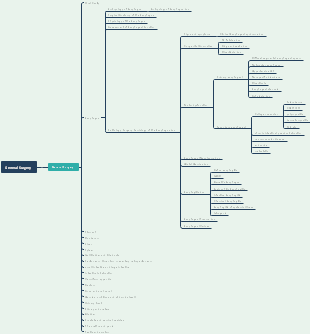
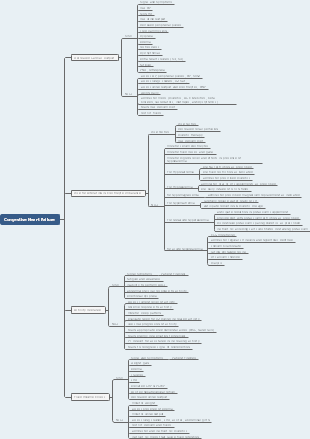
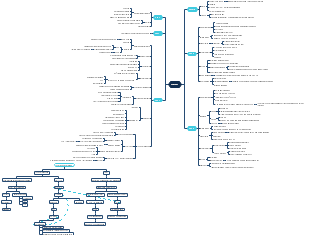
This mind map provides a detailed overview of the pharmacotherapy for heart failure, focusing on drug categories, their mechanisms of action, and specific treatment strategies. It includes information on drugs used to manage heart failure symptoms and improve patient outcomes, such as ACE inhibitors, beta-blockers, diuretics, and newer pharmacological agents. The map also outlines treatment goals, non-pharmacological interventions, and considerations for different stages of heart failure, offering a comprehensive guide for healthcare professionals.
Edited at 2025-11-19 15:12:05This mind map provides a detailed overview of the pharmacotherapy for heart failure, focusing on drug categories, their mechanisms of action, and specific treatment strategies. It includes information on drugs used to manage heart failure symptoms and improve patient outcomes, such as ACE inhibitors, beta-blockers, diuretics, and newer pharmacological agents. The map also outlines treatment goals, non-pharmacological interventions, and considerations for different stages of heart failure, offering a comprehensive guide for healthcare professionals.
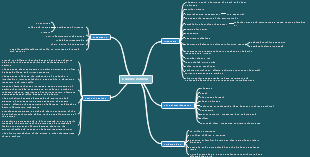
This mind map, created using EdrawMind, provides a detailed overview of anti-arrhythmic drugs. It categorizes the drugs into different classes based on their mechanisms of action, such as sodium channel blockers, beta-blockers, potassium channel blockers, and calcium channel blockers. Each category includes specific drugs, their mechanisms, clinical uses, and potential side effects. The mind map also features an overview section with an ECG waveform illustration, highlighting the effects of these drugs on heart rhythms, and an information section discussing general principles of arrhythmia treatment.
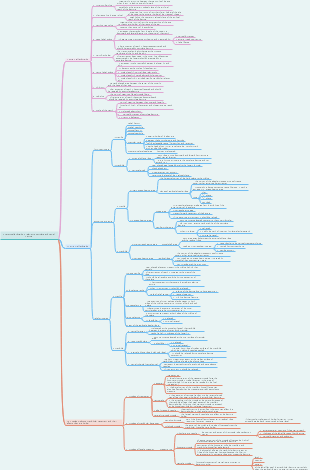
This mind map, created using EdrawMind, outlines the pharmacotherapy options for angina pectoris. It covers various classes of drugs used in treatment, including their mechanisms of action, therapeutic uses, and important considerations. The map is divided into sections such as "Angina," "Drugs," "Organic Nitrates," and "Management," providing a structured overview of how different medications alleviate symptoms and improve patient outcomes in angina pectoris.
This mind map provides a detailed overview of the pharmacotherapy for heart failure, focusing on drug categories, their mechanisms of action, and specific treatment strategies. It includes information on drugs used to manage heart failure symptoms and improve patient outcomes, such as ACE inhibitors, beta-blockers, diuretics, and newer pharmacological agents. The map also outlines treatment goals, non-pharmacological interventions, and considerations for different stages of heart failure, offering a comprehensive guide for healthcare professionals.
This mind map, created using EdrawMind, provides a detailed overview of anti-arrhythmic drugs. It categorizes the drugs into different classes based on their mechanisms of action, such as sodium channel blockers, beta-blockers, potassium channel blockers, and calcium channel blockers. Each category includes specific drugs, their mechanisms, clinical uses, and potential side effects. The mind map also features an overview section with an ECG waveform illustration, highlighting the effects of these drugs on heart rhythms, and an information section discussing general principles of arrhythmia treatment.
This mind map, created using EdrawMind, outlines the pharmacotherapy options for angina pectoris. It covers various classes of drugs used in treatment, including their mechanisms of action, therapeutic uses, and important considerations. The map is divided into sections such as "Angina," "Drugs," "Organic Nitrates," and "Management," providing a structured overview of how different medications alleviate symptoms and improve patient outcomes in angina pectoris.
Pharmacotherapy of Heart Failure ( Part 2)
Introduction
HF and NYHA Functional Classification
Goals of HF Management
Preventing readmissions to lower sosio-economic and humanistic burden
Relieving symptoms, improving functional capacity for better quality of life
Improvement of morbidity, and mortality
Non-pharmacological therapy
Education - increased awareness, knowledge, and self-care
Avoid excessive fluid intake and alcohol
Implement a medically-supervised exercise plan
Change into healthy lifestyle
Cont'd
Surgical alternatives
PCI/PTCA (Percutaneous Coronary Intervention/Percutaneous Transluminal Coronary Angioplasty - min-invasive method of widening a coronary artery
Coronary artery bypass grafting - surgical procedure to restore normal blood flow to heart beat by creating a bypass using a healthy blood vessel
Heart valve surgery - repair/replacement with biological/mechanical valve
Device therapies
Ventricular Assist Devices (VAD) - an electromechanical device for assisting cardiac circulation
Cardiac Resynchronication Therapy with Implantable Cardioverter Defibrillator (CRT-D) - use pacemaker to restore normal "timing pattern" to reduce risk of sudden cardiac death
Nitric oxide
A gaseous signaling molecule naturally produced by cells in the body
Synthesized from amino acid L-arginine
Key physiological roles of NO
Cardiovascular regulation cause vasodilation, inhibits platelet aggregation and adhesion, lower LDL oxidation
Respiratory system relax airway smooth muscles, improving airflow and oxygen exchange
Nervous system will transmit signals between never cells, influencing Memory and learning, sleep and mood regulation, pain perception
Immune system regulation (innate defense) > damaging pathogens DNA and proteins
Digestive system > regulates smooth muscle tone in GIT, aiding in: peristalsis, relaxation of the lower esophageal sphincter, and digestive motility coordination
Palliative/Hospice/End-of-life care
A specialized medical care that focuses on easing the symptoms and improving quality of life to terminally ill patient
Include home/nursing home/assisted living center that:
Allows involvement of family and friends - with the aid of nurses, social workers and trained volunteers
Care and comfort patient
Provides emotional, physiological, social and spiritual support for ill patient and thier family members
Treatment
NYHA Class II, III, IV
Improvement of morbidity and mortality > ACEi / ARBs (if ACE inhibitor intolerant or pluss ACE inhibitors if still symptomatic > Selected beta-blockers > Aldosterone antagonists
Control of symptoms > Diuretics (eventually thiazide + loop diuretics) > Digitalis (low-dose) > Temporary inotropics > Selected anti arrhythmics
Palliative care (for advanced stages) > Opioids, antidepressants, anxiolytics, oxygen, continuous inotropics
ACC/AHA Stage Treatment
Stage A High risk of developing HF
ACEI or ARB
Quit smoking
Exercise regularly
Treat high blood pressure
Treat high cholestrol
DIscontinue alcohol or illegal drug use
Stage B Asymptomatic structural heart disease
ACEI or ARB
Beta-blockers
Treatment methods for Stage A apply
Surgery options for coronary artery bypass and valve repair or replacement (as appropriate) should be discussed for coronary artery or valve disease
Stage C Symptomatic structural heart disease
ACEI or ARB
Beta blocker
Diuretics
Spironolactone
Digoxin
Hydralazine
Nitrates
Restrict dietary sodium, restrict fluids, and monitor weight
Drugs that worsen the condition should be discontinues
Biventricular pacing or an implantable defibrillator may be recommended
Stage D Refractory heart failure
ACEI or ARB
Beta blockers
Diuretics
Spironolactone
Digoxin
Hydralazine
Nitrates
Chronic inotropics
Heart transplant
Ventricular assist devices
Surgery options
Research therapies
Continuous infusion of intravenous inotropic drugs
Drugs
Cardiac glycosides
Information
Has a rapid onset of action, thus useful during emergency cases
Compounds derived from the foxglove plant
Uses: HFrEF/CHF (indirectly for oedema), atrial fibrillation
A +ve inotropic agent: Mainly increase output force of contraction and lower HR of the failing heart to increase EF and CO
Have low therapeutic index
Ex: Digoxin (Lanoxin), Digitoxin (Crystodigin), Ouabain
MOA
Mechanism in HF - Binds to inhibits Na+/K+-ATPase pump in myocardial cells - Increase cardiac contractility + vasoconstriction
Mechanism in AF - Increase vagal tone - Lower sinoatrial firing rate - Modulates RAAS, BP and BV
Side effects
Toxicity overdose - serum digoxin
Cardiac effect - dysrhythmia, atrioventricular block
GI effects - anorexia, nausea, vomiting
CNS effects (headache, fatigue, malaise, dizziness
Management of digitalis toxicity
Discontinuing the drug
Use of antiarrythmic agents
Potassium supplements
Beta1-adrenoceptor Agonists
Information
A +ve inotropic & +ve chronotropic agent: It affects cardiac stimulation, enhancing overall CO
A sympathomimetic drug that mimics the actions of SNS stimulation through B1-adrenoceptor
Uses
Short-term IV for ADHF with low CO + hypoperfusion, and cardiogenic shock
Long-term use (low dose only) for refractory HF with low CO + hypoperfusion
B1-agonist have a low bioavailability; thus given by IV infusion
MOA
Bind to B1-receptors located in ventricular myocytes, and sinoatrial and atrioventricular nodes:
Activation of adenylyl cyclase via Gs-protein that converts ATP to cAMP
Side effects
Arrhythmias, tachycardia, myocardial ischemia, headache, hypotension
Phosphodiesterase-3 inhibitors
Information
A +ve inotropic agent with lusitropic, peripheral vasodilatory anti platelet effects
Examples: Inamrinone. milrinone, cilostazol
PDEs catalyse the hydrolysis of cyclic nucleotides (cAMP/cGMP) by breaking the phosphodiester bond, converting then into inactive forms (AMP/GMP)
Cilostazol is for PAD and secondary stroke prevention due to its vasodilator and antiplatelet effects. It is contraindicated in HF: increase risk of ventricular arrhythmias and mortality
Milrinone, short-term treatment for:
Inamrinone use is similar to milrinone, but is less commonly use due to high risk of thrombocytopenia
Cardiogenic shock
ADHF or refractory HF
Diuretic-resistant congestion
Peripheral hypoperfusion with/without congestion
Low output states with preserved/mildly reduced BP
MOA
PDE3 inhibitors inhibits PDE3 that normally breaks down cAMP, thereby increase cAMP in the: cardiac myocytes, vascular smooth muscle
Side effects
Arrhythmias, hypotension, headache, thrombocytopenia
B-adrenoceptor Antagonists (Beta-blockers)
Information
A -ve inotropic & -ve chronotropic agent has effects on bronchial smooth muscle and metabolism
Main role in CV disease -> protect the heart from overstimulation, reduce O2 demand and stabilise rhythm and function
Studies show benefits in HFrEF -> improved survival rate
Beta-blockers should be initiated at a very low doses
Uses
Hypertension, HFrEF, angina, post-MI, arrhythmias, aortic dissection
MOA
Blocks the effects of SNS stimulation/circulating catecholamines at B-adrenoceptors
Kidney: Drugs lower renin release, thus lower RAAS leading to vasodilation and lower fluid retention
Heart: Drugs lower HR and lower contractility, thus lower CO, myocardial O2 demand, lower afterload, and lower workload on heart
Central and peripheral NS: Lower neurotransmitter release
S/Es
CV effects (hypotension/bradycardia), CNS effects (depression/sleep disturbance), respiratory effects (bronchospasm, dyspnea)
Contraindication
Asthma, COPD (non-selective B-blockers may cause bronchospasm), diabetes, bradycardia, AV block, ADHF
Diuretics
Information
Act directly on the kidney to inhibit tubular reabsorption of sodium, potassium, and water cause increases urine output, helping to prevent build up in the body
AKA water pills, mostly used drugs in HF management; do not directly affect cardiac contractility
3 types: Thiazides, loop diuretics, and potassium-sparing diuretics
Thiazide or aldosterone antagonists can be added in resistant cases
Low-dose combinations of loop diuretics with thiazides/aldosterone antagonists are often more effective
Cause lower BP and preload -> provides symptomatic relief in patients with peripheral edema, pulmonary congestion
Leads to loss of K+ and Mg+ thus regular serum monitoring is recommended, especially with thiazide and loop diuretics
Doses should be titrated based on as individual's dry-weight to avoid dehydration, hypotension or renal dysfunction
Avoid use in the absence of congestive symptoms because diuretics, may active RAAS
Thiazides
Information
Include hydrochlorothiazide, metolazone
Uses: For mild fluid retention; Managing hypertension in HFpEF; use in combination with loop diuretics in chronic HF and resistant oedema
MOA: Inhibit Na+/Cl- symporter by competing for the chloride binding site on the cotransporter in the distal convoluted tubule
S/Es: Electrolyte effects (hypokalemia, hyponatremia), CV effects (hypotension, dizziness), metabolic effects (glucose intolerance, hyperuricemia)
Contraindications: Severe renal impairment, sulfa allergy, corticosteroids, anuria, NSAIDs, hyponatremia
Loop diuretics
Information
Include furosemide, bumetanide
Uses:
The first-time diuretic for managing CHF with volume overload
Provide strong natriuresis and diuresis, thus lower congestion-related symptoms in CHF
Improve quality of life, but not survival (mortality)
MOA
Inhibit the Na+-K+-2Cl cotransporter in the thick ascending limb of the loop of Henle in the nephron by competing at the chloride-binding site and blocks the reabsorption of Na+, K+, Cl-
S/Es
Similar to thiazides (electrolyte imbalances metabolic effects), volume-related depletion (dehydration, hypotension), renal effects (prerenal azotemia), hypocalcemia, weakness, fatigue
Contraindications
Severe electrolyte depletion, anuria, sulfa allergy, pregnancy, diabetes, aminoglycosides
Aldosterone antagonist
Information
AKA mineralocorticoid antagonist/potassium-sparing diuretics: Mild diuretics with modest antihypertensive effect which lower fluid retention levels while preserving potassium
Include spironolactone (Aldactone) and eplerenone (Inspra)
Serum monitoring is required within 1-2 weeks of starting/increasing dose, and periodically thereafter
Serum K+ for patients on concomitant therapy of potassium-sparing diuretics and ACEIs/ARBs/NSAIDs/K+
Serum creatinine/eGFR for renal function monitoring
Uses
Add-on therapy in resistance hypertension, esp. in patients not responding to standard triple therapy
For HFrEF patients with LVEF <35% and NYHA Class II-IV symptoms - thus lower hospitalisations, lower mortality and improved symptoms and cardiac remodelling
Prevent hypokalemia
For primary hyperaldosteronism, and cirrhosis-related oedema ascites
MOA
Antagonise mineralocorticoid receptors in the distal convoluted tubule and collecting ducts of the nephron lower afterload and cardiac remodelling in HF
S/Es
Electrolyte and renal effects (hyperkalemia, hyponatremia), worsening renal function, endocrine/hormonal effects (gynecomastia, impotence), CNS and GI effects (fatigue, dizziness, headache)
Contraindication
ACEIs, ARBs, NSAIDs, severe renal impairment, Addison's disease
RAAS Blockers
Angiotensin Converting Enzyme Inhibitors (ACEIs)
Information
First-line choice for patients with HFrEF (LVEF<40%): A vasodilator widens blood vessels to lower BP and decreased heart workload
Ex: Captopril, enalapril, fosinopril, lisinopril, quinapril
MOA
Inhibits ACE resulting in vasodilation ↦ lower BP, SVR, afterload, aldosterone release
Increase bradykinin level (potent vasodilator)
Contraindication
Pregnancy, renal artery stenosis
S/Es
Hyperkalemia, hypotension, dry cough, dizziness, renal dysfunction
Angiotension II Receptor Blockers (ARBs)
Information
A vasodilator widens blood vessels to lower BP and decreased heart workload (alternative for ACEIs intolerant patients with symptomatic HF)
Ex: Losartan, valsartan, candesartan
Uses
HFrEF, HPT, post-MI, diabetic nephropathy
MOA
Potent competitive antagonists of Ang II type 1 receptor: vasodilatation, lower afterload., SNS activity, aldosterone release
S/Es
Hyperkalemia, renal failure, hypotension, dizziness, fatigue
Contraindication
Hyperkalemia (K+), pregnancy, bilateral renal artery stenosis
Vasodilators
Information
Mainly decreased preload (venodilation) and afterload (arteriolar dilation) ↦ relive congestion and improve haemodynamics and symptoms
Include: > Isosorbide dinitrate (Isordil) - Nitrate (venodilator for angina) > Nitroprusside (Nipride) - Direct vasodilator (IV use veno-) > Hydralazine (Apresoline) - Arteriodilator (used with nitrates in African-American HF patients) > Prazosin (Minipress) - a1-blocker (arteriodilator for HPT)
Uses
Effective short-term therapeutic symptomatic relief ADHF, particularly with hypertension, pulmonary congestion
Not 1st-line for chronic HF, but effective adjuncts with acute settings
MOA
Venodilators ↦ increase venous capacitances, lower venous return and preload
Arteriodilators ↦ lower SVR and afterload
Lower preload and afterload ↦ lower myocardial O2 demand and improved CO
S/Es
Can cause hypotension, reflex tachycardia, or headache
Nitroprusside: risk of cyanide toxicity
Nitrates: tolerance develops with long-term use
Natriuretic Peptides (NPs)
Information
Cardioprotective hormones released by ventricular myocytes ↦ due to volume overload
The good side of HF response cause: vasodilation, natriuresis, decreased cardiac remodeling
Serves as a counter-regulator system to RAAS and SNS overactivation
Broken down by enzyme lysin
Play role both physiologically and pharmacologically
Physiological effects
Suppress RAAS and SNS activation (act as natural antagonist)
Lower myocardial fibrosis and hypertrophy
Pharmacological effects
Therapeutic use (limited use): Nesiritide
Related therapy: ARNI ↦ increase NP activity
Nesiritide
Information
A recombinant form 32-AA human B-type natriuretic peptide (BNP)
A balanced vasodilator that mimics the endogenous BNP ↦ counter-regulate RAAS and SNS overactivation seen in HF
Limited use = Not a 1st-line for ADHF due to high risk of dose-dependent hypotension
Used
As a short-term IV in a hospital setting for
ADHF patients, esp. experiencing dyspnea at rest/minimal activity
Symptom relief in: 1) Patients resistant to loop diuretics, 2) hemodynamically stable patients with volume overload
Does not
Directly improve cardiac contractility; used for ADHF with dyspnea, not for chronic HF
Only provides short-term balanced cGMP-mediated vasodilation and natriuresis
S/Es
Excessive hypotension, renal dysfunction, dizziness, headache, arrhythmias
Contraindications
Patients in hypotensive or cardiogenic shock, renal impairment and known sensitivity to nesiritide
2 major pathways
Hemodynamic Pathway (Vasodilator effects)
Bind to NPR-A receptors on vascular smooth muscle, activating guanylate cyclase ↦ lower intracellular Ca2+ and resulting vasodilation ↦lower systemic BP
Volume regulation pathway (renal effects)
Dilates afferent arterioles and constricts efferent arterioles ↦ increase natriuresis and diuresis ↦ further natriuresis, diuresis, indirect K+ retention
Angiotensin Receptor Lysin Inhibitors (ARNI)
Information
A newer class of drugs used to treat HF, superior to ACEi
Sacubitril/valsartan = the 1st agent approved by FDA
Uses
Treat chronic HFrEF
1st-line therapy in HF patients
Can start ARNI directly in no contraindication, but still must assess tolerance to RAAS blockade
MOA
Sacubitril = stops lysin breaking down NPs ↦ NPs stay active
Valsartan = blocks angiotensin II receptors, lower vasoconstriction, lower aldosterone (fluid retention) ↦ lower BP and workload
Lower BP, preload/afterload, improved heart function
S/Es
Hypotension, hyperkalemia, renal impairment,
Contraindications
Not be used concomitantly with ACEIs
Patients with a history of ACEi/ARB-induced angioedema
Use caution in patients with hyperkalemia, hypotension, renal impairment
Soluble Guanylate Cyclase (sGC) Stimulator
Information
A new class of vasodilator and cardioprotective drugs
Ex: Riociguat, Vericiguat
Uses
Riociguat: Pulmonary arterial hypertension, and chronic thromboembolic pulmonary hypertension
Vericiguat: Chronic symptomatic HFrEF, especially after recent decompensation
MOA
Enhance the NO-sGC-cGMP pathway, promoting vasodilation and improving hemodynamics
Directly stimulate sGC enzyme in vascular smooth muscle ↦ improved endothelial and cardiac function
S/E
Cardiovascular: Hypotension, syncope
Hematologic: Anemia
CNS: Headache, dizziness
GI: Dyspepsia, nausea, diarrhea
Others: Peripheral edema
Contraindications
Pregnancy, concurrent use with PDE5 inhibitors, concurrent use with nitrates, symptomatic hypotension
Sodium-Glucose Cotransporter-2 (SGLT2) Inhibitors
Information
Inhibitors were developed for DM = lower blood sugar by making the kidneys excrete glucose through urine
SGLT2i works independently of insulin ↦ so low risk of hypoglycemia
Uses
Treat T2DM, HF, CKD
Start SGLT2i early, as soon as T2DM, heart failure, or CKD is diagnosed
Include: Empagliflozin, Dapagliflozin, Canagliflozin, Ertugliflozin
MOA
Selectively inhibit SGLT2 transporter in proximal tube ↦ lower glucose reabsorption ↦ lower intraglomerular pressure
Increase NO bioavailability ↦ improves vasodilation & endothelial function
Overall result: Protects endothelial cells, and reduces vascular and renal damage
S/E
Genital mycotic and UT infections, volume depletion (hypotension, dizziness, dehydration), diabetic ketoacidosis
Contraindication
T1DM, severe kidney disease, or a hystory of ketoacidosis
Use caution in dehydrated/elderly/infection-prone patients
Ivabradine
Information
A selective sinus node inhibitor. AKA: If channel blocker/HR-reducing agent
Lower HR without affecting contractility, ventricular repolarization
Uses
For chronic, stable angina in sinus rhythm, patients, when BB are contraindicated, or as add-on therapy in symptomatic patients
As an adjunctive therapy for chronic HF patients who remain symptomatic and tachycardic
MOA
Selectively inhibits the "funny current", a mixed Na+/K+ inward current in the SA node that controls spontaneous HR
Overall, improve myocardial O2 balance and relief of angina
S/E
Cardiac (bradycardia, AF, conduction block, hypotension, syncope)
Visual (phosphenes: visual brightness, light flashes, blurred vision)
Neurological (dizziness, fatigue, headache)
Contraindication
Severe bradycardia
Pregnancy and lactation
Hypersensitivity
Caution: Concomitant HR-lowering drugs
Mild-moderate hepatic impairment
Elderly patients
Hypotension
Nitrates
Information
Potent vasodilators, used to treat symptoms of HF
Include: Nitroglycerin, isosorbide dinitrate, isosorbide mononitrate
Uses
Acute decompensated HF (ADHF)
IV GTN/ISDN ↦ acute relief pulmonary congestion and dyspnea. Useful for rapid symptom control
Chronic HFrEF
Oral/transdermal nitrates + hydralazine in patients who cannot tolerate ACE inhibitors/ARBs/ARNIs or African-American patients with persistent symptoms
MOA
Vascular smooth muscle in veins, systemic arteries, coronary arteries: nitrates are converted into NO = vasodilation (mainly venodilation)
Venous system: Predominant venodilation ↦ lower pulmonary edema, lower dyspnea
Arterial system (at higher dose): Arterial dilation ↦ lower myocardial O2 demand, increase coronary blood flow
Nitrates + Hydralazine: Hydralazine is a direct vasodilator + nitrate ↦ balanced vasolidation
S/E
Headache (cerebral vasodilation)
Hypotension (excessive venodilation)
Reflex tachycardia (short-acting nitrates)
Vasodilatory effects (flushing, dizziness, syncope)
Contraindications
Severe hypotension, right ventricular infarction, severe anemia, hypersensitivity to nitrates