マインドマップギャラリー インテリジェントプロジェクトの完全なプロセス制御
インテリジェントなプロジェクト管理 プロジェクトの開始を含む完全なプロセス制御 プロジェクト計画、 プロジェクトの実行、プロジェクトの終了、 プロジェクト評価、 プロジェクトモニタリングなど
2024-04-06 12:28:37 に編集されましたThis strategic SWOT analysis explores how Aeon can navigate the competitive online landscape, highlighting strengths, weaknesses, opportunities, and threats. Strengths include strong brand recognition (trusted Japanese heritage, quality), omnichannel capabilities (stores + online + mall integration), customer loyalty programs (Aeon Card, points, member pricing), and physical footprint (extensive store network for pickup/returns). Weaknesses encompass digital maturity gaps (e-commerce penetration, app functionality, personalization vs. Amazon, Alibaba), cost structure challenges (store-heavy, real estate, labor), and supply chain complexity (fresh food, frozen logistics for online). Opportunities include enhancing e-commerce competitiveness (faster delivery, wider assortment, lower minimum order), leveraging data-driven strategies (purchase history, personalized offers, inventory optimization), expanding omnichannel integration (buy online pick up in store, ship from store), and private label growth (Topvalu, localized brands). Threats involve online-first players (Amazon, Alibaba, Sea Limited) with lower costs, wider selection, faster delivery, market dynamics (changing consumer behavior post-COVID, discount competitors), and regulatory risks (data privacy, cross-border e-commerce rules). Aeon can strengthen market position by investing in digital capabilities, leveraging store assets for omnichannel, and using customer data for personalization, while addressing cost structure and online competition.

This analysis explores how Aeon effectively tailors offerings to meet the diverse needs of family-oriented consumers through a comprehensive Segmentation, Targeting, and Positioning (STP) framework. Demographic segmentation examines family life stages (young families with babies, school-aged children, teenagers, empty nesters), household sizes (small vs. large), income levels (mass, premium), and parent age bands (millennials, Gen X). This identifies distinct consumer groups with different spending patterns. Geographic segmentation highlights store catchment types (urban, suburban, rural), community characteristics (density, income, competition), and local preferences (fresh food, halal, Japanese products). Psychographic segmentation delves into family values (health, safety, education, convenience), lifestyle orientations (busy professionals, home-centered, eco-conscious). Behavioral segmentation focuses on shopping missions (daily grocery, weekly stock-up, seasonal shopping), price sensitivity (value seekers, premium), channel preferences (in-store, online, pickup). Needs-based segmentation reveals core family needs related to value (good-better-best pricing), budget considerations (affordability, promotions, member pricing), safety (food quality, product recall), convenience (one-stop shopping, parking, store hours). Targeting prioritizes young families with school-aged children, budget-conscious households, and convenience-seeking shoppers. Positioning emphasizes Aeon as a family-friendly, value-for-money, one-stop destination with Japanese quality and local relevance. These insights enhance family shopping experiences through tailored assortments (kids’ products, school supplies), promotions (family bundles, weekend events), and services (nursing rooms, kids’ play areas).
This Kream Sneaker Consumption Scene Analysis Template aims to visualize purchasing and consumption journeys of sneakers, identifying key demand drivers and obstacles. User behavior within Kream includes searching, bidding, buying, selling, authentication, and community engagement. External influences include brand drops (Nike, Adidas), social media (Instagram, TikTok), influencer hype, and cultural trends. Target categories: limited editions, collaborations, retro releases, performance sneakers, and general releases. Timeframes: launch day, first week, first month, long-term (seasonal, yearly). Regions: North America, Europe, Asia (Korea, China, Japan). User segments: Collectors: value rarity, condition, completeness (box, accessories). KPIs: collection size, spend, authentication rate. Resellers: value profit margin, volume, turnover. KPIs: sell-through rate, average profit, listing frequency. Sneakerheads: value hype, trends, community validation. KPIs: purchase frequency, social engagement, wishlist adds. Casual trend followers: value style, convenience, price. KPIs: conversion rate, average order value, repeat purchases. Gift purchasers: value ease, presentation, brand trust. KPIs: gift message usage, return rate. Consumption journey: Awareness: social media, email, push notifications. Search: browse, filter, search by brand, model, size. Purchase: bid, buy now, payment, shipping. Authentication: inspection, verification, certification. Resale: list, price, sell, transfer. Sharing: review, unboxing, social post, community discussion. Key performance indicators: conversion rate, sell-through rate, average order value, customer lifetime value, authentication pass rate, return rate, Net Promoter Score. This framework helps understand sneaker trading dynamics, user motivations, and touchpoints for engagement and satisfaction.
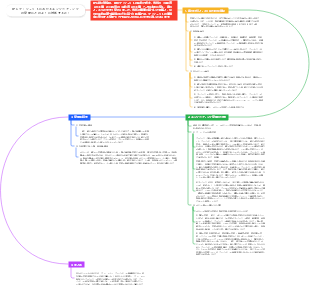
This strategic SWOT analysis explores how Aeon can navigate the competitive online landscape, highlighting strengths, weaknesses, opportunities, and threats. Strengths include strong brand recognition (trusted Japanese heritage, quality), omnichannel capabilities (stores + online + mall integration), customer loyalty programs (Aeon Card, points, member pricing), and physical footprint (extensive store network for pickup/returns). Weaknesses encompass digital maturity gaps (e-commerce penetration, app functionality, personalization vs. Amazon, Alibaba), cost structure challenges (store-heavy, real estate, labor), and supply chain complexity (fresh food, frozen logistics for online). Opportunities include enhancing e-commerce competitiveness (faster delivery, wider assortment, lower minimum order), leveraging data-driven strategies (purchase history, personalized offers, inventory optimization), expanding omnichannel integration (buy online pick up in store, ship from store), and private label growth (Topvalu, localized brands). Threats involve online-first players (Amazon, Alibaba, Sea Limited) with lower costs, wider selection, faster delivery, market dynamics (changing consumer behavior post-COVID, discount competitors), and regulatory risks (data privacy, cross-border e-commerce rules). Aeon can strengthen market position by investing in digital capabilities, leveraging store assets for omnichannel, and using customer data for personalization, while addressing cost structure and online competition.
This analysis explores how Aeon effectively tailors offerings to meet the diverse needs of family-oriented consumers through a comprehensive Segmentation, Targeting, and Positioning (STP) framework. Demographic segmentation examines family life stages (young families with babies, school-aged children, teenagers, empty nesters), household sizes (small vs. large), income levels (mass, premium), and parent age bands (millennials, Gen X). This identifies distinct consumer groups with different spending patterns. Geographic segmentation highlights store catchment types (urban, suburban, rural), community characteristics (density, income, competition), and local preferences (fresh food, halal, Japanese products). Psychographic segmentation delves into family values (health, safety, education, convenience), lifestyle orientations (busy professionals, home-centered, eco-conscious). Behavioral segmentation focuses on shopping missions (daily grocery, weekly stock-up, seasonal shopping), price sensitivity (value seekers, premium), channel preferences (in-store, online, pickup). Needs-based segmentation reveals core family needs related to value (good-better-best pricing), budget considerations (affordability, promotions, member pricing), safety (food quality, product recall), convenience (one-stop shopping, parking, store hours). Targeting prioritizes young families with school-aged children, budget-conscious households, and convenience-seeking shoppers. Positioning emphasizes Aeon as a family-friendly, value-for-money, one-stop destination with Japanese quality and local relevance. These insights enhance family shopping experiences through tailored assortments (kids’ products, school supplies), promotions (family bundles, weekend events), and services (nursing rooms, kids’ play areas).
This Kream Sneaker Consumption Scene Analysis Template aims to visualize purchasing and consumption journeys of sneakers, identifying key demand drivers and obstacles. User behavior within Kream includes searching, bidding, buying, selling, authentication, and community engagement. External influences include brand drops (Nike, Adidas), social media (Instagram, TikTok), influencer hype, and cultural trends. Target categories: limited editions, collaborations, retro releases, performance sneakers, and general releases. Timeframes: launch day, first week, first month, long-term (seasonal, yearly). Regions: North America, Europe, Asia (Korea, China, Japan). User segments: Collectors: value rarity, condition, completeness (box, accessories). KPIs: collection size, spend, authentication rate. Resellers: value profit margin, volume, turnover. KPIs: sell-through rate, average profit, listing frequency. Sneakerheads: value hype, trends, community validation. KPIs: purchase frequency, social engagement, wishlist adds. Casual trend followers: value style, convenience, price. KPIs: conversion rate, average order value, repeat purchases. Gift purchasers: value ease, presentation, brand trust. KPIs: gift message usage, return rate. Consumption journey: Awareness: social media, email, push notifications. Search: browse, filter, search by brand, model, size. Purchase: bid, buy now, payment, shipping. Authentication: inspection, verification, certification. Resale: list, price, sell, transfer. Sharing: review, unboxing, social post, community discussion. Key performance indicators: conversion rate, sell-through rate, average order value, customer lifetime value, authentication pass rate, return rate, Net Promoter Score. This framework helps understand sneaker trading dynamics, user motivations, and touchpoints for engagement and satisfaction.
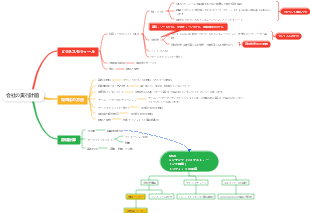
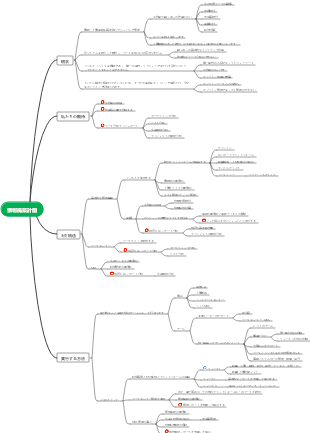
インテリジェントプロジェクトの完全なプロセス制御
プロジェクトの始まり
プロジェクトキックオフミーティング
プロジェクトの目標を決定する (*****プロジェクト名)
プロジェクト計画を作成する (プロジェクトの主要なマイルストーンの時間、優先順位)
プロジェクトリソースの割り当て(内部リソース、外部リソース、実現可能性調査レポートおよび承認文書)
プロジェクトチームの結成
プロジェクトメンバーの決定(営業リーダー、技術リーダー)
プロジェクトの責任を明確にする(設計プロジェクト、エンジニアリングプロジェクト、製品プロジェクト)
コミュニケーションメカニズムの確立(WeChat、DingTalk、特別会議)
プロジェクト計画
需要分析
ユーザーニーズの収集(プリセールステクノロジー:実際のニーズについて上司との綿密なコミュニケーション)
ユーザーのニーズを分析する(高、中、低のニーズに応じて計画を事前に位置付ける)
プロジェクトのスコープを決定する(プロジェクトのインターフェースとプロジェクトのターゲットセグメントの区分を明確にする)
デザイン
デザインプランの策定(デザイン素案、プランの位置付け、ブランドグレードの位置付け)
設計ソリューションの評価 (ソリューションのコスト、利益、納期)
最終計画を決定します(建設図の設計、数量表、プロジェクトのコスト予算)。
リスクアセスメント
プロジェクトリスクの特定(投資リスク、デリバリーサイクルリスク、管理リスク)
プロジェクトのリスク評価(リスクレベル評価:R1/R2/R3/R4/R5)
リスク対応策の策定(契約上の取り決め、リスク移転、代替案に注意)
プロジェクトの実施
プロジェクトの実施
プロジェクト計画に従って実行します(WBS時間、ノード、タスク、建設図面の最適化、明確なブランド、技術パラメータ)
プロジェクトの進捗状況を監視する(所有者の理由、その他の専門的なプロジェクトの進捗上の理由、独自の調達/技術/労働上の理由)
プロジェクトの品質を確保する(購入した製品の技術的パラメータ、建設チームの能力)
資源管理
プロジェクト リソースの管理 (プロジェクト マネージャー、チーム メンバー)
リソース割り当ての最適化 (さまざまなプロジェクト メンバーの柔軟な配置)
十分なリソース(人、資材、機械)を確保する
プロジェクトモニタリング
プロジェクトの進捗状況の監視
プロジェクトの進捗状況を監視する(予定より進んでいる、予定より遅れている、計画内)
(プロジェクト実施スケジュールのずれ) スケジュールずれの分析
(WEBスケジュール修正) 是正措置を講じる
プロジェクトの品質監視
プロジェクトの品質を監視する
品質問題を分析する
是正措置を講じる
プロジェクトコストのモニタリング
(事業代金回収、調達投資) 事業コストのモニタリング
(入札数量、実績数量)コスト偏差分析
(審査議事録の作成、ビザ変更手続き、ブランドパラメータの位置づけに注意) 予防・是正措置を講じる
プロジェクトの評価
プロジェクトの進捗状況の評価
(月次定期評価) プロジェクトの進捗状況を評価
(外部要因、内部要因) 進捗偏差の分析
(アウトリーチ支援連絡、社内スタッフ調整) 是正措置の実施
プロジェクトの品質評価
(機能評価、施工品質評価、ユーザビリティ評価の実施) プロジェクト品質の評価
品質問題を分析する
是正措置を講じる
プロジェクトのコスト評価
(実際の回収率と利益率の評価) 事業コストの評価
(納品プロセスとサイクルおよび監視プロセスの分析) コスト偏差の分析
(内部的理由、外部的理由)是正措置を講じる
プロジェクトの終了
プロジェクトの承諾
(受入報告書及び事業監査精算) 事業結果の受領
(完全なプロジェクト納品資料、内部実行および監視資料) プロジェクト文書の受領
(賞罰・給与調整・異動)プロジェクトチーム受入れ
プロジェクト概要
(経験、教訓) プロジェクトの経験を要約する
(外部要因、内部要因) プロジェクトの問題点を分析
(管理施策の修正)改善提案の提出
プロジェクト変更管理
変更要求
変更理由分析
変更計画の作成
プロジェクト変更管理
変更評価
変更影響分析
決断を変える