Wondershare EdrawMind
マインドマップギャラリー 10 Bài Học Rút Ra Từ Luật Tâm Thức
10 Bài Học Rút Ra Từ Luật Tâm Thức
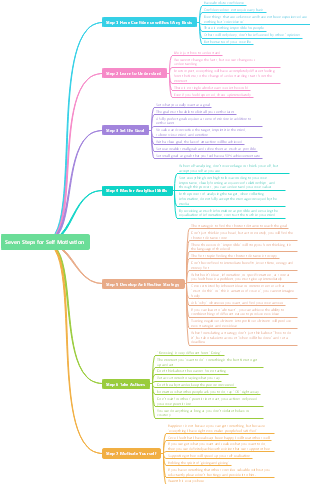
Mind map này, được tạo bằng EdrawMind, tóm tắt 10 bài học quan trọng rút ra từ "Luật Tâm Thức". Mỗi bài học đi kèm với một mô tả ngắn gọn, giải thích các nguyên tắc và ứng dụng của luật tâm thức trong cuộc sống. Các bài học bao gồm việc hiểu rằng mọi sự việc đều là những hình ảnh của tâm thức, trạng thái tâm trí ảnh hưởng đến thực tại, và sự cần thiết phải thanh lọc tâm trí để đạt được hòa bình và hạnh phúc.
2022-07-01 03:32:20 に編集されました
- NHÀ GIÁ KIM
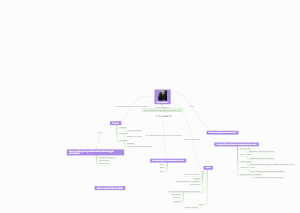
Este mapa mental, creado con EdrawMind, se centra en el análisis de la obra "Nhà Giá Kim". Se divide en tres secciones principales: "Bài học rút ra sau khi đọc sách" (Lecciones aprendidas después de leer el libro), "Cảm nhận" (Impresiones) y "Tóm tắt câu chuyện" (Resumen de la historia). Bài học rút ra sau khi đọc sách incluye puntos como la importancia de escuchar a los demás, no rendirse ante dificultades, y la búsqueda de la felicidad. Cảm nhận aborda las emociones y reflexiones personales tras leer el libro. Tóm tắt câu chuyện resume la trama, personajes y mensajes clave de "Nhà Giá Kim".
- Chương 7: Tóm tắt các lý do tại sao trường TC hành vi chọn ràng, giá thuyết trường hiệu quả thế không đúng
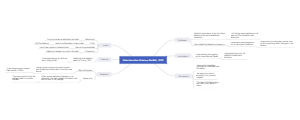
Sơ đồ tư duy này, được tạo bằng EdrawMind, tập trung vào Chương 7, nội dung tóm tắt các lý do tại sao Thuyết Trường TC Hành vi Chọn Ràng và Thuyết Trường Hiệu quả Thế không đúng. Các lý do được chia thành các nhóm chính như: Sơ sảnh và làm rõ sự trùng giữa ký vọng thức ứng và ký vọng hợp lý, Giải thích tại sao các hối Arbitrage cho thấy hợp lý của giá thuyết trường hiệu quả, Xác định và giải thích yếu tố nào của thuyết trường TC quả đối với thực tiễn, Đánh giá tác động của thông tin mới lên giá có phương. Mỗi nhóm lý do được phân tích chi tiết với các điểm mấu chốt và ví dụ minh họa.
- Tiền, Ngân Hàng, Tt Tài Chính CLC9
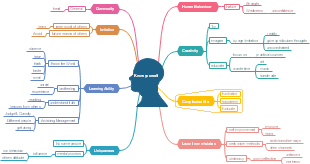
Mind map này được tạo bằng EdrawMind, tập trung vào chủ đề "Tiền, Ngân Hàng, Tt Tài Chính CLC9". Nó cung cấp một cái nhìn tổng quan về các khái niệm cơ bản, các chức năng của tiền tệ, hệ thống ngân hàng, và các công cụ tài chính. Mind map được chia thành nhiều mục nhỏ, mỗi mục giải thích chi tiết các vấn đề liên quan như lịch sử tiền tệ, các loại tiền, vai trò của ngân hàng trung ương, và các chính sách tiền tệ.
10 Bài Học Rút Ra Từ Luật Tâm Thức
- NHÀ GIÁ KIM
Este mapa mental, creado con EdrawMind, se centra en el análisis de la obra "Nhà Giá Kim". Se divide en tres secciones principales: "Bài học rút ra sau khi đọc sách" (Lecciones aprendidas después de leer el libro), "Cảm nhận" (Impresiones) y "Tóm tắt câu chuyện" (Resumen de la historia). Bài học rút ra sau khi đọc sách incluye puntos como la importancia de escuchar a los demás, no rendirse ante dificultades, y la búsqueda de la felicidad. Cảm nhận aborda las emociones y reflexiones personales tras leer el libro. Tóm tắt câu chuyện resume la trama, personajes y mensajes clave de "Nhà Giá Kim".
- Chương 7: Tóm tắt các lý do tại sao trường TC hành vi chọn ràng, giá thuyết trường hiệu quả thế không đúng
Sơ đồ tư duy này, được tạo bằng EdrawMind, tập trung vào Chương 7, nội dung tóm tắt các lý do tại sao Thuyết Trường TC Hành vi Chọn Ràng và Thuyết Trường Hiệu quả Thế không đúng. Các lý do được chia thành các nhóm chính như: Sơ sảnh và làm rõ sự trùng giữa ký vọng thức ứng và ký vọng hợp lý, Giải thích tại sao các hối Arbitrage cho thấy hợp lý của giá thuyết trường hiệu quả, Xác định và giải thích yếu tố nào của thuyết trường TC quả đối với thực tiễn, Đánh giá tác động của thông tin mới lên giá có phương. Mỗi nhóm lý do được phân tích chi tiết với các điểm mấu chốt và ví dụ minh họa.
- Tiền, Ngân Hàng, Tt Tài Chính CLC9
Mind map này được tạo bằng EdrawMind, tập trung vào chủ đề "Tiền, Ngân Hàng, Tt Tài Chính CLC9". Nó cung cấp một cái nhìn tổng quan về các khái niệm cơ bản, các chức năng của tiền tệ, hệ thống ngân hàng, và các công cụ tài chính. Mind map được chia thành nhiều mục nhỏ, mỗi mục giải thích chi tiết các vấn đề liên quan như lịch sử tiền tệ, các loại tiền, vai trò của ngân hàng trung ương, và các chính sách tiền tệ.
- おすすめ
- アウトライン