Wondershare EdrawMind
Galería de mapas mentales Differences and similarities between translating and interpreting.
Differences and similarities between translating and interpreting.
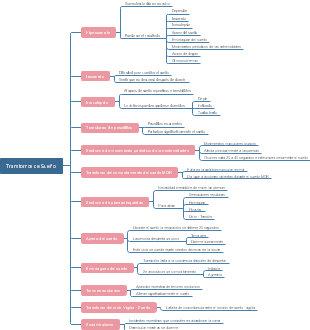
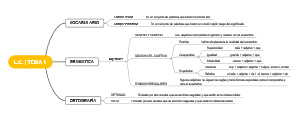
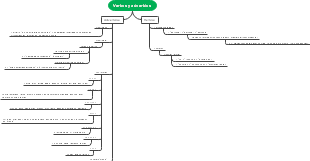
Este mapa mental compara las diferencias y similitudes entre la traducción y la interpretación. La traducción generalmente implica la conversión de textos escritos, mientras que la interpretación es la conversión oral en tiempo real. Ambas tareas requieren dominio del idioma y comprensión cultural, pero la interpretación se centra más en la respuesta inmediata y las habilidades de comunicación, mientras que la traducción prioriza la precisión y los detalles del texto.
Editado a las 2023-08-27 23:15:27,
- Inclusive Education Contextualization
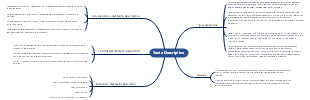
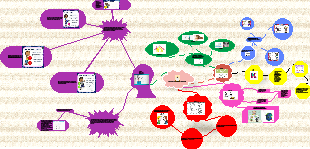
The Inclusive Education Contextualization Mind Map template from EdrawMax offers a comprehensive overview of strategies and assessment methods for promoting inclusive education. This template highlights key branches such as teaching strategies tailored for diverse learners, inclusive classroom practices, and assessment techniques that ensure equal opportunities for all students. It also covers areas like creating inclusive learning environments, addressing barriers to inclusivity, and fostering a culture of acceptance and respect. Ideal for educators, administrators, and policy makers seeking to enhance inclusive practices in their schools, this mind map serves as a valuable resource for effective implementation of inclusive education.
- El currículo
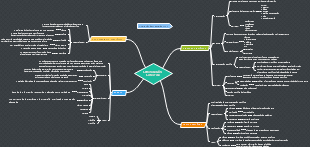
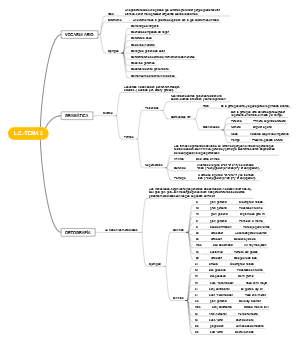
Este sistema de mapas mentales explica los elementos centrales del diseño curricular. Basado en la teoría de Sánchez (2008), el plan de estudios se define como un marco de trabajo para integrar recursos educativos e ideas educativas, que no sólo resuelve problemas específicos en la práctica docente, sino que también lleva una orientación de valor educativo. La dimensión del método compara en detalle las estrategias de aplicación de los diferentes modelos de enseñanza, mientras que la parte de la dimensión se basa en la asignación de tiempo; Construir un marco tridimensional de diseño curricular desde la perspectiva de la Organización del contenido y proporcionar a los educadores herramientas sistemáticas de desarrollo curricular.
- Differences and similarities between translating and interpreting.
Este mapa mental compara las diferencias y similitudes entre la traducción y la interpretación. La traducción generalmente implica la conversión de textos escritos, mientras que la interpretación es la conversión oral en tiempo real. Ambas tareas requieren dominio del idioma y comprensión cultural, pero la interpretación se centra más en la respuesta inmediata y las habilidades de comunicación, mientras que la traducción prioriza la precisión y los detalles del texto.
Differences and similarities between translating and interpreting.
- Inclusive Education Contextualization
The Inclusive Education Contextualization Mind Map template from EdrawMax offers a comprehensive overview of strategies and assessment methods for promoting inclusive education. This template highlights key branches such as teaching strategies tailored for diverse learners, inclusive classroom practices, and assessment techniques that ensure equal opportunities for all students. It also covers areas like creating inclusive learning environments, addressing barriers to inclusivity, and fostering a culture of acceptance and respect. Ideal for educators, administrators, and policy makers seeking to enhance inclusive practices in their schools, this mind map serves as a valuable resource for effective implementation of inclusive education.
- El currículo
Este sistema de mapas mentales explica los elementos centrales del diseño curricular. Basado en la teoría de Sánchez (2008), el plan de estudios se define como un marco de trabajo para integrar recursos educativos e ideas educativas, que no sólo resuelve problemas específicos en la práctica docente, sino que también lleva una orientación de valor educativo. La dimensión del método compara en detalle las estrategias de aplicación de los diferentes modelos de enseñanza, mientras que la parte de la dimensión se basa en la asignación de tiempo; Construir un marco tridimensional de diseño curricular desde la perspectiva de la Organización del contenido y proporcionar a los educadores herramientas sistemáticas de desarrollo curricular.
- Differences and similarities between translating and interpreting.
Este mapa mental compara las diferencias y similitudes entre la traducción y la interpretación. La traducción generalmente implica la conversión de textos escritos, mientras que la interpretación es la conversión oral en tiempo real. Ambas tareas requieren dominio del idioma y comprensión cultural, pero la interpretación se centra más en la respuesta inmediata y las habilidades de comunicación, mientras que la traducción prioriza la precisión y los detalles del texto.
- Recomendados
- Resumen