Wondershare EdrawMind
Mindmap-Galerie Informationssysteme und Gesellschaft
Informationssysteme und Gesellschaft
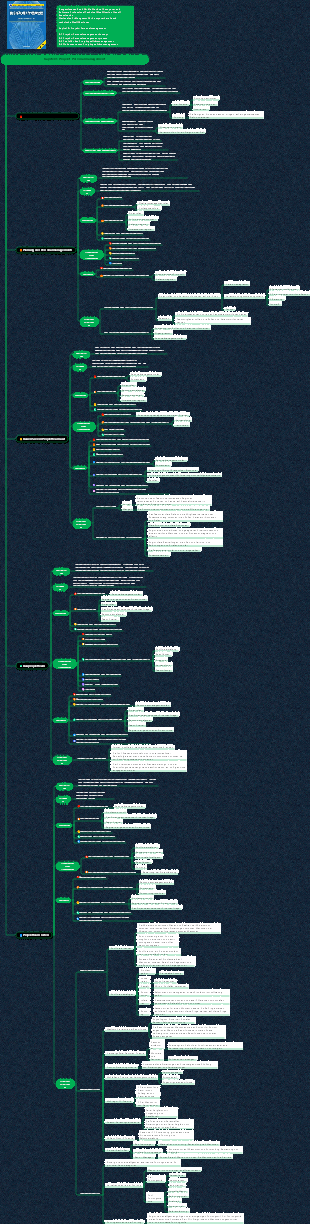
Dies ist eine Mindmap über Informationssysteme und die Gesellschaft. Die Hauptinhalte umfassen: Kapitel 4: Beispiele für den Aufbau von Informationssystemen, Kapitel 3: Sicherheit von Informationssystemen, Kapitel 2: Grundlagen von Algorithmen und Programmierung, Kapitel 1: Überblick über Informationssysteme.
Bearbeitet um 2024-02-13 18:52:48
- Hundert Jahre Einsamkeit Charakter-Beziehungsdiagramm
Einhundert Jahre Einsamkeit ist das Meisterwerk von Gabriel Garcia Marquez. Die Lektüre dieses Buches beginnt mit der Klärung der Beziehungen zwischen den Figuren. Im Mittelpunkt steht die Familie Buendía, deren Wohlstand und Niedergang, interne Beziehungen und politische Kämpfe, Selbstvermischung und Wiedergeburt im Laufe von hundert Jahren erzählt werden.
- Hundert Jahre Einsamkeit Charakter-Beziehungsdiagramm
Einhundert Jahre Einsamkeit ist das Meisterwerk von Gabriel Garcia Marquez. Die Lektüre dieses Buches beginnt mit der Klärung der Beziehungen zwischen den Figuren. Im Mittelpunkt steht die Familie Buendía, deren Wohlstand und Niedergang, interne Beziehungen und politische Kämpfe, Selbstvermischung und Wiedergeburt im Laufe von hundert Jahren erzählt werden.
- Projektmanagement-Prozess-Vorlage
Projektmanagement ist der Prozess der Anwendung von Fachwissen, Fähigkeiten, Werkzeugen und Methoden auf die Projektaktivitäten, so dass das Projekt die festgelegten Anforderungen und Erwartungen im Rahmen der begrenzten Ressourcen erreichen oder übertreffen kann. Dieses Diagramm bietet einen umfassenden Überblick über die 8 Komponenten des Projektmanagementprozesses und kann als generische Vorlage verwendet werden.
Informationssysteme und Gesellschaft
- Hundert Jahre Einsamkeit Charakter-Beziehungsdiagramm
Einhundert Jahre Einsamkeit ist das Meisterwerk von Gabriel Garcia Marquez. Die Lektüre dieses Buches beginnt mit der Klärung der Beziehungen zwischen den Figuren. Im Mittelpunkt steht die Familie Buendía, deren Wohlstand und Niedergang, interne Beziehungen und politische Kämpfe, Selbstvermischung und Wiedergeburt im Laufe von hundert Jahren erzählt werden.
- Hundert Jahre Einsamkeit Charakter-Beziehungsdiagramm
Einhundert Jahre Einsamkeit ist das Meisterwerk von Gabriel Garcia Marquez. Die Lektüre dieses Buches beginnt mit der Klärung der Beziehungen zwischen den Figuren. Im Mittelpunkt steht die Familie Buendía, deren Wohlstand und Niedergang, interne Beziehungen und politische Kämpfe, Selbstvermischung und Wiedergeburt im Laufe von hundert Jahren erzählt werden.
- Projektmanagement-Prozess-Vorlage
Projektmanagement ist der Prozess der Anwendung von Fachwissen, Fähigkeiten, Werkzeugen und Methoden auf die Projektaktivitäten, so dass das Projekt die festgelegten Anforderungen und Erwartungen im Rahmen der begrenzten Ressourcen erreichen oder übertreffen kann. Dieses Diagramm bietet einen umfassenden Überblick über die 8 Komponenten des Projektmanagementprozesses und kann als generische Vorlage verwendet werden.
- Für Sie empfohlen
- Gliederung


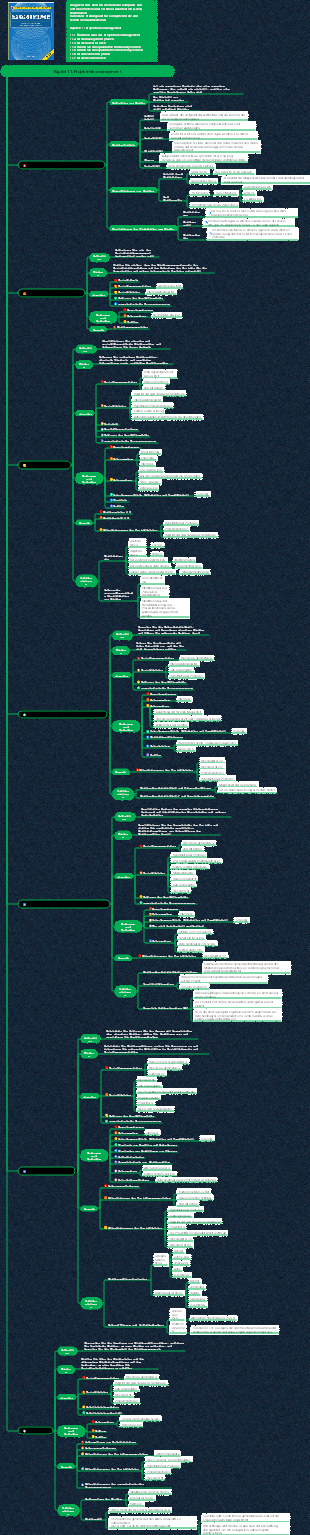
Informationssystem des Projektmanager-Wissenssystems (Kapitel 12 Projektbeschaffungsmanagement)
- 18

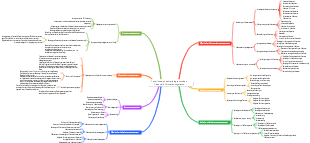
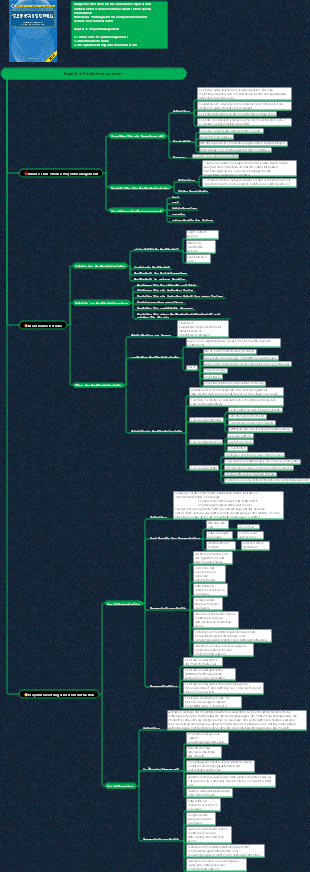
Informationssystem des Projektmanager-Wissenssystems (Kapitel 3 Projektumfangsverwaltung)
- 10

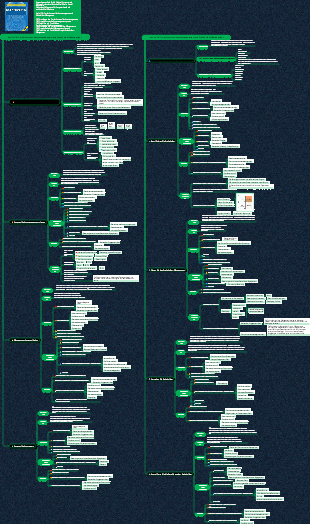
Informationssystem Projektmanager-Wissenssystem (Kapitel 10 Projektkommunikationsmanagement und Stakeholder-Management)
- 24
Informationssystem-Projektmanager-Wissenssystem (Kapitel 9 Projekt-Personalmanagement)
- 21