Wondershare EdrawMind
MindMap Gallery The self
The self
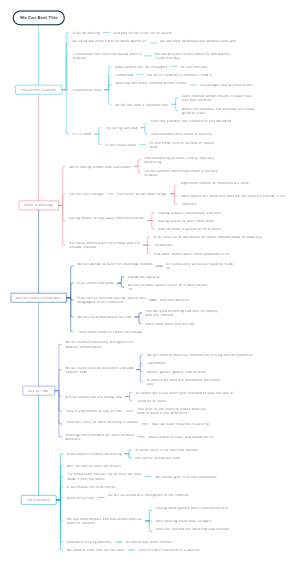
The concept of the self is a fundamental aspect of human existence, encompassing our individual identity, personality, and sense of being. It is the core of our consciousness and shapes our thoughts, emotions, and behaviors. Understanding the self is a lifelong journey of self-discovery and introspection, as we continuously explore and define who we are. Understanding the self also enhances our relationships with others, as it enables us to better understand and empathize with their experiences and perspectives.
Edited at 2022-11-21 17:14:31
Recent works
View more works>>
- Recommended to you
- Outline