MindMap Gallery Medical Immunology (Chapter 2 Immune Organs and Tissues)
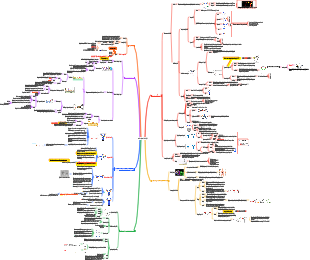
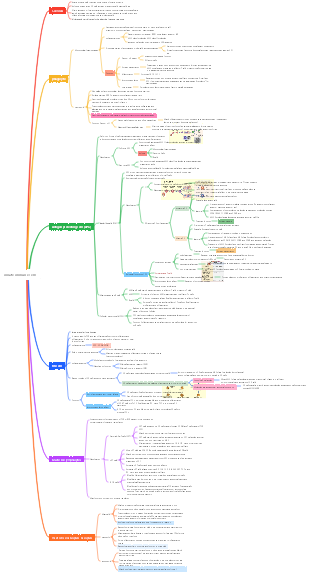
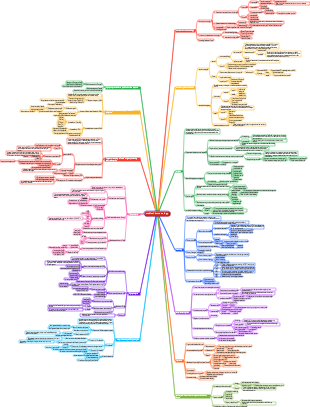
This is a mind map about medical immunology (Chapter 2: Immune organs and tissues), including central immune organ, Peripheral immune organs and tissues, Lymphocyte homing and rehoming, etc.
Edited at 2024-03-14 21:09:31This is a mind map about bacteria, and its main contents include: overview, morphology, types, structure, reproduction, distribution, application, and expansion. The summary is comprehensive and meticulous, suitable as review materials.

This is a mind map about plant asexual reproduction, and its main contents include: concept, spore reproduction, vegetative reproduction, tissue culture, and buds. The summary is comprehensive and meticulous, suitable as review materials.
This is a mind map about the reproductive development of animals, and its main contents include: insects, frogs, birds, sexual reproduction, and asexual reproduction. The summary is comprehensive and meticulous, suitable as review materials.
This is a mind map about bacteria, and its main contents include: overview, morphology, types, structure, reproduction, distribution, application, and expansion. The summary is comprehensive and meticulous, suitable as review materials.
This is a mind map about plant asexual reproduction, and its main contents include: concept, spore reproduction, vegetative reproduction, tissue culture, and buds. The summary is comprehensive and meticulous, suitable as review materials.
This is a mind map about the reproductive development of animals, and its main contents include: insects, frogs, birds, sexual reproduction, and asexual reproduction. The summary is comprehensive and meticulous, suitable as review materials.
Chapter 2: Immune Organs and Tissues
central immune organ
Function
It is the place where immune cells occur, differentiate, develop and mature.
Play a leading role in the development of peripheral immune organs
composition
marrow
Function
The place where various types of blood cells and immune cells occur (T cells and B cells)
The place where B cells and NK cells differentiate and mature.
Where again the humoral immune response occurs
Thymus
Function
The main site of T cell differentiation and maturation
Establishment and maintenance of autoimmune tolerance
Immunomodulatory effect
Peripheral immune organs and tissues
Lymph nodes
Function
The place where T and B lymphocytes live
75% are T cells
25% are B cells
site of immune response
Lymph nodes mainly respond to free antigens present in tissues
filtering effect
Lymphocytes and macrophages clear antigenic material
Participates in lymphocyte recirculation (HEV)
spleen
Function
Where T cells and B cells colonize
T cells are 40%
B cells are 60%
where the immune response occurs
Mainly the site of primary response to blood-borne antigens
filtering effect
Macrophages and dendritic cells remove antigens and foreign matter from the blood as well as the waste products of aging and decadence.
Synthesis of biologically active substances (complements, cytokines)
Mucosa-associated lymphoid tissue (MALT)
Function
Exerting mucosal local immune response
Produce secretory IgA (SIgA)
Produced by plasma cells of lamina propria
Intestinal mucosal epithelial cells secrete
It is the main effector molecule of local mucosal immunity in the intestine.
tonsil
definition
Peripheral immune organs, or secondary lymphoid organs, are the places where mature cells (T cells, B cells) settle and are also the main site where lymphocytes produce immune responses to foreign antigens.
Lymphocyte homing and rehoming
lymphocyte homing
A phenomenon in which lymphocytes in the blood selectively migrate and settle in specific areas of peripheral immune organs or specific tissues.
lymphocyte recirculation
definition
Lymphocytes designated to reside in peripheral immune organs enter the blood circulation from the efferent lymphatic vessels through the lymphatic trunk, thoracic duct or right lymphatic duct. After reaching the peripheral immune organs through the blood circulation, they pass through the HEV and are redistributed to lymphoid organs and tissues throughout the body. cycle process.
significance
Makes the distribution of lymphocytes throughout the body more reasonable and contributes to the immune response of the entire body.
It increases the opportunity for lymphocytes to contact antigens, expands immune recognition, and is conducive to the generation of adaptive immune responses.
It makes the systemic immune organs and tissues into an organically connected whole and transmits immune information to immune cells throughout the body, which is conducive to mobilizing them to migrate to the location of pathogenic tumors or other antigenic foreign bodies to exert immune effects.