MindMap Gallery Atherosclerosis and coronary atherosclerotic heart disease
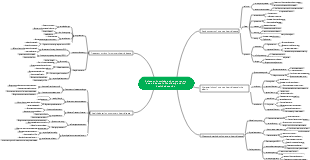
Based on the 10th edition of Internal Medicine atherosclerosis and coronary atherosclerotic heart disease, the pathogenesis is introduced Pathological anatomy and pathophysiology, clinical manifestations, auxiliary examinations, diagnosis and differential diagnosis, prognosis, treatment, etc.
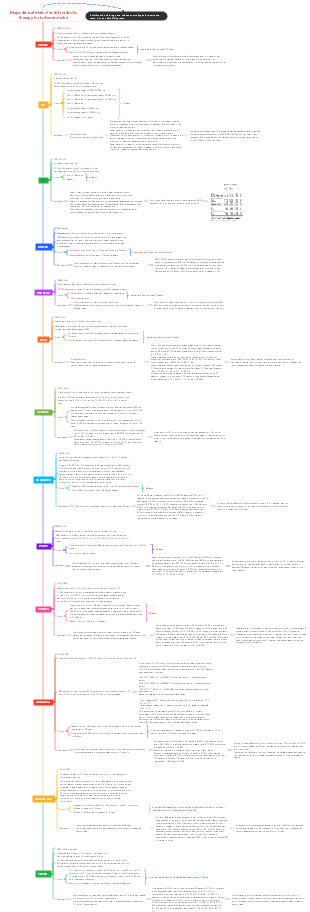
Edited at 2024-11-05 20:06:08이것은 곤충학에 대한 마인드 맵으로, 곤충의 생태와 형태, 생식 및 발달, 곤충과 인간의 관계를 연구하는 과학입니다. 그것의 연구 대상은 곤충으로, 가장 다양하고 가장 많은 수의 동물이며 생물학적 세계에서 가장 널리 분포되어 있습니다.
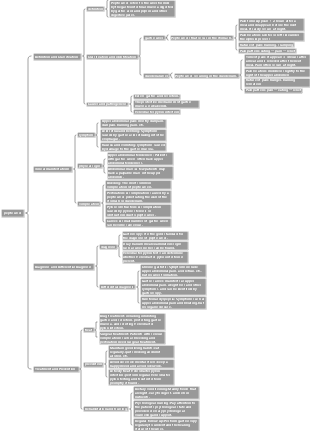
이것은 어린이의 내부 동기를 육성하는 방법에 대한 마인드 맵입니다. 기업가를위한 실용적인 가이드, 주요 내용 : 요약, 7. 정서적 연결에주의를 기울이고, 과도한 스트레스를 피하십시오.
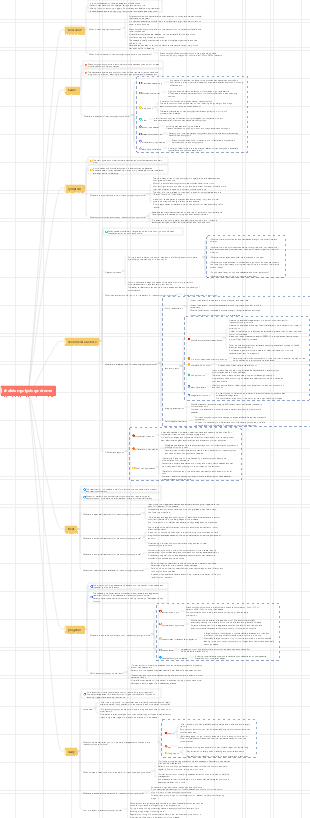
이것은 자동화 프로젝트 관리 템플릿, 주요 내용에 대한 마인드 맵입니다. 메모, 시나리오 예제, 템플릿 사용 지침, 프로젝트 설정 검토 단계 (What-Why-How), 디자인 검토 단계 (What-Why-How), 수요 분석 단계 (What-Why-How)에 대한 마인드 맵입니다.
이것은 곤충학에 대한 마인드 맵으로, 곤충의 생태와 형태, 생식 및 발달, 곤충과 인간의 관계를 연구하는 과학입니다. 그것의 연구 대상은 곤충으로, 가장 다양하고 가장 많은 수의 동물이며 생물학적 세계에서 가장 널리 분포되어 있습니다.
이것은 어린이의 내부 동기를 육성하는 방법에 대한 마인드 맵입니다. 기업가를위한 실용적인 가이드, 주요 내용 : 요약, 7. 정서적 연결에주의를 기울이고, 과도한 스트레스를 피하십시오.
이것은 자동화 프로젝트 관리 템플릿, 주요 내용에 대한 마인드 맵입니다. 메모, 시나리오 예제, 템플릿 사용 지침, 프로젝트 설정 검토 단계 (What-Why-How), 디자인 검토 단계 (What-Why-How), 수요 분석 단계 (What-Why-How)에 대한 마인드 맵입니다.
Atherosclerosis and coronary atherosclerotic heart disease
atherosclerosis
Causes and risk factors
age, gender
Dyslipidemia (most important)
hypertension
Diabetes and impaired glucose tolerance
smoking
obesity
family history
other
Type A personality
oral contraceptive pills
sleep disorders
pathogenesis
Atherosclerosis is an inflammatory disease
Pathoanatomy and pathophysiology
Atherosclerosis mainly affects large arteries (aorta) and medium arteries (coronary arteries, cerebral arteries, renal arteries)
atherosclerotic plaque
Stable
Unstable
clinical manifestations
aortic atherosclerosis
Increased systolic blood pressure and pulse pressure
Aortic aneurysm, arterial dissection
Overview of coronary atherosclerotic heart disease
It refers to heart disease caused by lumen stenosis or occlusion caused by atherosclerosis of the coronary arteries, resulting in myocardial ischemia, hypoxia, or necrosis.
Clinical classification
Chronic coronary syndrome (CCS)
Suspected coronary heart disease patients with stable angina symptoms and/or dyspnea
Suspected coronary heart disease patients with new onset heart failure or left ventricular dysfunction
Asymptomatic or symptomatic patients with stable symptoms within 1 year after ACS or recent revascularization
Asymptomatic or symptomatic patients more than 1 year after initial diagnosis or revascularization
Angina patients with suspected vasospasm or microvascular disease
Asymptomatic CAD patients identified during screening
acute coronary syndrome (ACS)
Unstable angina (UA)
Non-ST segment elevation myocardial infarction (NSTEMI)
ST-segment elevation myocardial infarction (STEMI)
sudden death
Pathogenesis
Myocardial cells absorb blood oxygen content of 65% to 75%, and can only rely on increasing coronary blood flow to supply oxygen.
Factors that determine myocardial oxygen consumption
heart rate
myocardial contractility
ventricular wall tension
Clinically, heart rate × systolic blood pressure is used to estimate oxygen consumption.
1~5 thoracic sympathetic ganglia and corresponding spinal cord segments
Behind the sternum and on the front and inside of both arms and the little finger, especially the left side
chronic coronary syndrome
stable angina pectoris
Pathogenesis
Pathological anatomy and pathophysiology
Coronary artery stenosis 70%
Left main coronary artery stenosis
No coronary artery stenosis
clinical manifestations
symptom
inducement
smoking
parts
nature
duration
Mitigation
physical signs
Auxiliary inspection
laboratory tests
blood sugar, blood lipids
myocardial injury markers
cardiac troponin I or T
Creatine kinase CK and isoenzyme CK-MB
NT-proBNP
Blood routine
Jia Gong
Electrocardiogram
ECG stress test
Holter check
CT Angiography (CTA)
CTA fractional flow reserve (CT-FFR)
echocardiogram
radionuclide inspection
Myocardial perfusion imaging and stress test
Thallium TI
Tc-MIBI
radionuclide cardiography
Positron emission tomography myocardial imaging
Coronary magnetic resonance imaging (CMRA)
Invasive examination
coronary angiography
gold standard
Diagnosis and differential diagnosis
CCS classification
200m per floor
Differential diagnosis
ACS
Syndrome X
Intercostal neuralgia and costochondritis
cardiac neurosis
prognosis
left main coronary artery
treat
in principle
Treatment during an attack
rest
drug
Nitroglycerin
Isosorbide dinitrate
remission treatment
lifestyle
drug
Improve ischemia, reduce symptoms and improve quality of life
beta receptor antagonist
Nitrates
calcium channel blockers
other
trimetazidine
Nicorandil
Ivabradine
Ranolazine
Prevent myocardial infarction and improve prognosis
antiplatelet drugs
cyclooxygenase inhibitor
Irreversible
aspirin
Reversible
Indobufen
P2Y12 receptor antagonist
clopidogrel
Ticagrelor
lipid-lowering drugs
Lower LDL-C
Statins
cholesterol absorption inhibitor
yizhemaibu
Proprotein convertase subtilisin 9 (PCSK9)
evolocumab
alircumab
Tolesimab
Lower TG
fibrates
Prescription grade w-3 fatty acids
Docosapentaenoic acid
ACEI, ARB, ARNI
beta receptor antagonist
revascularization therapy
percutaneous coronary intervention PCI
coronary artery bypass graftingCABG
ischemic cardiomyopathy
A specific type or advanced stage of coronary heart disease
Pathophysiology
Coronary atherosclerotic lesions cause long-term myocardial ischemia and hypoxia, leading to myocardial cell reduction, necrosis, myocardial fibrosis, and myocardial scarring.
clinical manifestations
congestive ischemic cardiomyopathy
Angina pectoris
heart failure
Arrhythmia
Thrombosis and embolism
restrictive ischemic cardiomyopathy
diagnosis
There is clear evidence of myocardial necrosis or myocardial ischemia
Have had a previous cardiac event
Previous history of revascularization
Clinical evidence of myocardial ischemia at rest or under stress
Significantly enlarged heart
Clinical manifestations or laboratory evidence of cardiac insufficiency
latent coronary heart disease
clinical manifestations
No angina, objective evidence of myocardial ischemia
No angina, history of myocardial infarction, objective evidence
Sometimes there is angina and sometimes there is not, there is objective evidence
acute coronary syndrome
Unstable angina and non-ST-segment elevation myocardial infarction
acute ST-segment elevation myocardial infarction
Etiology and pathogenesis
On the basis of coronary atherosclerosis, the lumen of one or more blood vessels is occluded
pathology
coronary artery disease
cardiomyopathy
Pathophysiology
clinical manifestations
omen
symptom
pain
time, nature, duration, location
systemic symptoms
Fever, tachycardia, increased leukocytes, and increased erythrocyte sedimentation rate
gastrointestinal symptoms
Arrhythmia
ventricular arrhythmias
Atrioventricular block and bundle branch block
hypotension and shock
heart failure
Acute left heart failure → pulmonary edema → acute right heart failure
Killip rating
Left ventricular ejection dysfunction caused by
Severe left ventricular failure or pulmonary edema
Increased left ventricular end-diastolic pressure and left atrial and pulmonary capillary wedge pressure
cardiogenic shock
Decrease in cardiac output and arterial pressure
pump failure
Forrester rating
physical signs
heart
voiced world
heart rate
First heart sound in the apical area, systolic murmur, or mid-late systolic click sound
pericardial friction rub
blood pressure
Laboratory and ancillary examinations
electrocardiogram
characteristic changes
The ST segment is arched and raised upward
Wide and deep pathological Q waves
T wave inversion
dynamic change
Positioning and scoping
echocardiogram
CMR (Cardiovascular Magnetic Resonance Imaging)
radionuclide inspection
laboratory tests
Blood routine
leukocyte
neutrophils
eosinophils
erythrocyte sedimentation rate
c-reactive protein
Serum myocardial necrosis markers
Myoglobin
Troponin
Creatine kinase isoenzyme CK-MB
Differential diagnosis
Angina pectoris
aortic dissection
acute pulmonary embolism
acute abdomen
acute pericarditis/myocarditis
Pheochromocytoma
complication
Papillary muscle dysfunction or rupture
ruptured heart
embolism
ventricular aneurysm
post-myocardial infarction syndrome
Dressler syndrome
treat
in principle
Monitoring and general treatment
relieve pain
Morphine or pethidine
Nitrates
beta receptor antagonist
antiplatelet therapy
anticoagulant therapy
reperfusion myocardial therapy
PCI
Direct PCI
remedial PCI
Thrombolytic therapy for PCI in patients with recanalization
Thrombolysis
Indications
Contraindications
Thrombolytic drugs
specific plasminogen activator
Recombinant human prourokinase (pro-UK)
Alteplase (rt-PA)
Ryinase (R-PA)
Tenecteplase (TNK-tPA)
nonspecific plasminogen activator
Thrombolytic recanalization standards
Emergency coronary artery bypass grafting (CABG)
ACEI, ARNI
Lipid-lowering treatment
Antiarrhythmic and conduction disorders
premature ventricular contractions or ventricular tachycardia
Inject lidocaine 50~100mg intravenously, repeat once every 5-10 minutes, the total amount reaches 300mg
ventricular fibrillation or polymorphic ventricular tachycardia
Asynchronous DC defibrillation or synchronized DC cardioversion
bradyarrhythmia
Atropine 0.5~1mg intramuscularly or intravenously
Second and third degree atrioventricular block with hemodynamic disturbance
temporary pacing
supraventricular arrhythmia
Metoprolol, amiodarone
Anti-shock
Anti-heart failure
right ventricular myocardial infarction
other
calcium channel blockers
Ivabradine
polarizing solution therapy
Other manifestations of coronary artery disease
coronary artery spasm
myocardial bridge
Microvascular disease