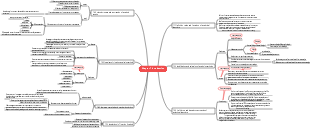
MindMap Gallery Analytical Chemistry Chapter 2 Collection and Processing of Analytical Samples
Analytical Chemistry (Sixth Edition) Volume 1, including sample collection, sample preparation, Decomposition of the sample, pretreatment before measurement, etc.
Edited at 2024-03-10 15:55:39This is a mind map about bacteria, and its main contents include: overview, morphology, types, structure, reproduction, distribution, application, and expansion. The summary is comprehensive and meticulous, suitable as review materials.

This is a mind map about plant asexual reproduction, and its main contents include: concept, spore reproduction, vegetative reproduction, tissue culture, and buds. The summary is comprehensive and meticulous, suitable as review materials.
This is a mind map about the reproductive development of animals, and its main contents include: insects, frogs, birds, sexual reproduction, and asexual reproduction. The summary is comprehensive and meticulous, suitable as review materials.
This is a mind map about bacteria, and its main contents include: overview, morphology, types, structure, reproduction, distribution, application, and expansion. The summary is comprehensive and meticulous, suitable as review materials.
This is a mind map about plant asexual reproduction, and its main contents include: concept, spore reproduction, vegetative reproduction, tissue culture, and buds. The summary is comprehensive and meticulous, suitable as review materials.
This is a mind map about the reproductive development of animals, and its main contents include: insects, frogs, birds, sexual reproduction, and asexual reproduction. The summary is comprehensive and meticulous, suitable as review materials.
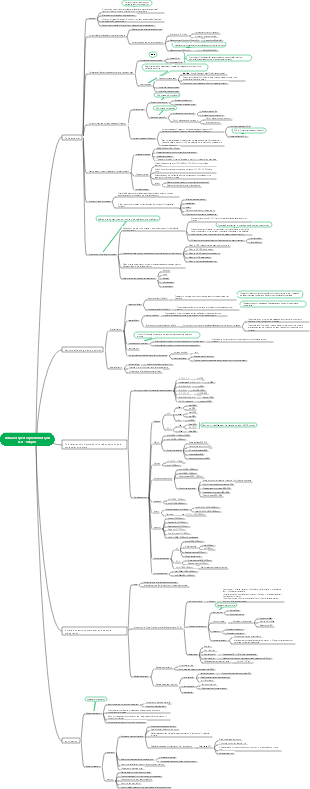
Chapter 2 Collection and Processing of Analysis Samples
2.1 Collection of samples
Definition: It refers to taking a small amount of samples from a large amount of materials as the original sample.
solid sample
Sample classification
There are many types of solid materials with different shapes, and the properties and uniformity of the materials vary greatly.
Materials with uneven composition: ore, coal, waste residue, soil, etc.
Particles vary in size and hardness.
Materials with relatively uniform composition: grains, metal materials, fertilizers, etc.
Since the components of solid materials are unevenly distributed, sampling at different points should be selected in a certain way and then mixed (sometimes not mixed, but processed and analyzed separately) to ensure the representativeness of the samples taken.
Random sampling method (more sampling points can ensure high representativeness)
Sampling point selection method
Systematic sampling method (the selected points have certain representativeness, so the number of selected sampling points can be relatively reduced)
Judgment - Systematic sampling method (the selected points have certain representativeness, so the number of selected sampling points can be relatively reduced)
Number of sampling units n=(ts/E)^2
liquid sample
Liquid samples include water, beverages, oil and industrial solvents, etc. They are generally relatively uniform, so the number of sampling units can be relatively small.
Collection method
Materials with smaller volumes: Usually, after stirring evenly, a sample can be taken from a bottle or sampling tube for analysis.
When the material quantity is relatively large:
Sampler: Typically, either plastic or glass bottles will work
The sample contains organic matter: glassware should be used
When there are trace amounts of metal elements in the sample: a plastic sampler should be used (to reduce the impact of container adsorption and trace amounts of measured components)
Preservation methods: control the pH of the solution, add chemical stabilizing reagents, refrigerate and freeze, protect from light and seal, etc.
Liquid samples are suitable for detection by most analytical methods. Therefore, original liquid samples generally can be used for measurement without additional processing.
gas sample
Gas samples include automobile exhaust, industrial waste gas, atmosphere, compressed gas and gas soluble matter, etc.
Collection method
(Direct method) Use a pump to fill the gas into the sampling container, and seal it after a certain period of time.
However, when choosing a container, you should pay attention to its impact on trace components.
(Concentration sampling method) Collect with a device equipped with absorbing liquid, solid adsorbent or filter
The chemical composition of gas samples is usually relatively stable and does not require special measures to be preserved.
biological sample
Biological materials are different from general organic or inorganic materials. Their compositions vary greatly depending on the location and season. Therefore, the selection should be representative of the group, timely and typical of the location.
plant sample
After collection, wash them with clean water and promptly blot them with filter paper or place them in a dry and ventilated place to dry, or dry them in a drying oven.
Fresh sample analysis: Samples used for fresh sample analysis should be processed immediately; fresh samples that have not been analyzed on the same day should be temporarily refrigerated.
Dry sample analysis
Animal samples: After collection, they should be processed appropriately according to the requirements of the analysis project
2.2 Preparation of specimens
Liquid and gas samples can be analyzed in a small amount after mixing. Therefore, sample preparation is mainly for uneven solid samples.
The process of processing raw solid samples into analytical samples
(1) Crushing and screening
(2) Mixing and reduction
Chechotte's formula: Q(kg)=kd(mm)^2
2.3 Decomposition of samples
The process of converting a non-solution sample into a solution by an appropriate method (the sample should be completely decomposed; if it is a partially decomposed sample, the tested component should be completely transferred into the solution)
Dissolution method: Use an appropriate solvent to dissolve the sample to prepare a solution. Solvents include: water, hydrochloric acid, nitric acid, sulfuric acid, phosphoric acid, perchloric acid, hydrofluoric acid, mixed acids, NaOH and KOH solutions
Melting method: The sample (insoluble in water, acid and alkali) is mixed with an acidic or alkaline solid flux and reacted at high temperature to transform the test components into compounds soluble in water or acid.
Acid melting method
According to the properties of the flux
alkali fusion method
Semi-melting method (sintering method): At a temperature lower than the melting point, the sample reacts with the flux.
Dry ashing method (another method: low temperature ashing method)
wet digestion
microwave-assisted digestion
2.4 Pretreatment before measurement
After the sample is decomposed, it sometimes needs further processing before it can be used for measurement.
Consideration should be given when handling specimens
(1) The state of the sample
(2) The existence form of the component being measured
(3) Concentration or content of the component being measured
(4) Interference from coexisting substances
(5) Selection of auxiliary reagents