心智圖資源庫 會議議程
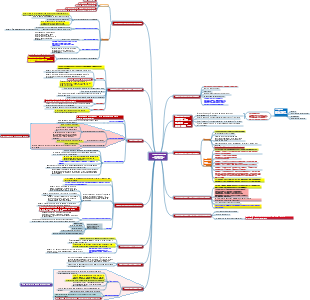
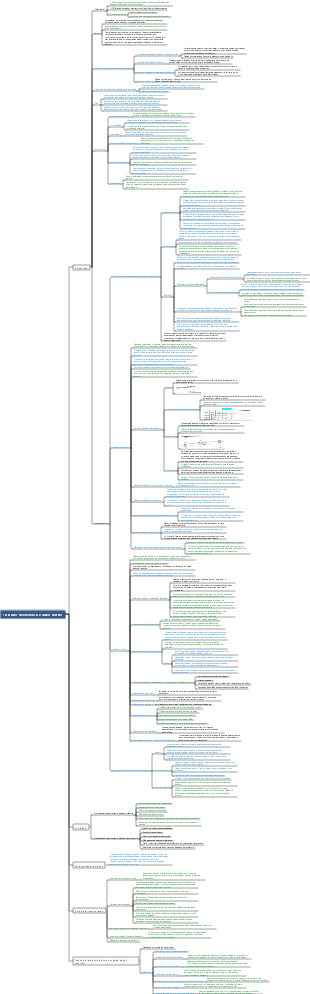
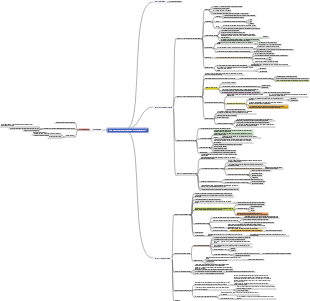
會議議程大綱概括:會議目的、主題討論、問題分析、解決方案、行動計畫、參與人員、時間安排、議程確認、溝通與回饋、結束及下一步計畫。
編輯於2020-11-06 01:44:49This is a mind map about bacteria, and its main contents include: overview, morphology, types, structure, reproduction, distribution, application, and expansion. The summary is comprehensive and meticulous, suitable as review materials.
This is a mind map about plant asexual reproduction, and its main contents include: concept, spore reproduction, vegetative reproduction, tissue culture, and buds. The summary is comprehensive and meticulous, suitable as review materials.
This is a mind map about the reproductive development of animals, and its main contents include: insects, frogs, birds, sexual reproduction, and asexual reproduction. The summary is comprehensive and meticulous, suitable as review materials.
This is a mind map about bacteria, and its main contents include: overview, morphology, types, structure, reproduction, distribution, application, and expansion. The summary is comprehensive and meticulous, suitable as review materials.
This is a mind map about plant asexual reproduction, and its main contents include: concept, spore reproduction, vegetative reproduction, tissue culture, and buds. The summary is comprehensive and meticulous, suitable as review materials.
This is a mind map about the reproductive development of animals, and its main contents include: insects, frogs, birds, sexual reproduction, and asexual reproduction. The summary is comprehensive and meticulous, suitable as review materials.
會議議程
開會目的
明確會議目標和目的
確定會議的預期結果和期望
檢視和評估先前會議的效果和不足
闡明會議對個人和組織的重要性和價值
傳達會議訊息和背景
闡述會議的背景和相關訊息
提供與會人員所需的資料和資料
傳達會議的時間、地點和形式等具體安排
討論
確定討論的具體主題和議題
決定要討論的特定問題或話題
提出清晰、明確的主題陳述
提供相關背景和資料
整理和分享與主題相關的資訊和資料
準備相關數據和統計數字
鼓勵參與者表達意見和觀點
提供一個開放、寬容和尊重的環境
積極傾聽和回應參與者的觀點和建議
問題分析
確定存在的問題和挑戰
辨識目前面臨的重要問題與挑戰
分析問題的根本原因和影響因素
收集和整理相關資訊
蒐集與問題相關的數據和信息
合理組織和加工收集的資訊資源
分析問題並提出解決思路
進行問題分析和評估
提煉出解決問題的關鍵思路和原則
解決方案
提出解決問題的方案和措施
創新思考解決方案與路徑
深入研究和分析可行性和影響
集思廣益,徵求意見與建議
鼓勵廣泛參與和分享觀點
傾聽專家和利害關係人的建議
篩選並確定最佳方案
綜合權衡各項考慮因素
選擇最佳方案並進行必要的修訂和調整
行動計劃
確定實施解決方案的步驟和時間表
制定詳細且可執行的行動計劃
分配責任和資源,制定明確的時間表
進行風險評估和控制
分析和評估可能的風險和障礙
制定相應的風險應對措施和計劃
監測和評估行動計劃的執行情況
設立有效的監測和評估機制
及時調整並改進行動計劃
參與人員
確定會議的參與人員和角色
識別必要的參與者和相關方
分配參與者的具體角色和任務
發出邀請和確認參與者
發送邀請函或通知書給參與者
確認參與者的出席和可行性
提供參與者所需的資訊和資源
分享會議相關資訊和文件
設立合適的溝通平台和管道
時間安排
確定會議的起止時間和安排
提前確定會議的具體時間
安排合理的會議時長和間歇時間
制定日程表和議程安排
所有議程項目都在日程表中有明確的安排
合理安排議程項的次序和時長
提前通知與溝通會議時間表
提供會議日程表和議程安排給參與者
確保參與者可以合理安排時間和準備
議程確認
確認並修訂會議議程
對會議議程進行評估和修訂
更新並確認最終的議程內容
徵得與會人員的意見與回饋
鼓勵與會人員提出意見與建議
討論和解決可能的分歧和矛盾
溝通與回饋
確立有效的溝通機制與管道
提供多種溝通方式和途徑
確保溝通暢通和及時回饋
促進積極的溝通和互動
鼓勵參與者積極發言和表達意見
加強團隊內外的有效溝通
收集與會人員的回饋與建議
透過問卷調查或討論會回顧會議
收集與會人員的體驗與建議
結束及下一步計劃
總結會議的成果和結果
對會議討論和達成的共識進行總結
確定會議的主要成果和決策
分享會議記錄和行動計劃
形成會議記錄和行動計畫的文檔
分享和發布相關會議文件和訊息
規劃下一步的工作和計劃
安排後續工作和進一步研究
制定實施行動計畫的具體細節