 Wondershare EdrawMind
マインドマップギャラリー 人間と幽霊の結婚と愛の物語に関する文化的思想
- 15
人間と幽霊の結婚と愛の物語に関する文化的思想
これは、人間と幽霊の間の結婚とラブストーリーについての文化的思考のマインド マップです。人間と幽霊の間の結婚とラブ ストーリーは、通常、人間と幽霊の間の恋愛または結婚関係に関わる伝説的な文化現象です。
2023-12-07 23:05:58 に編集されました
- おすすめ
- アウトライン
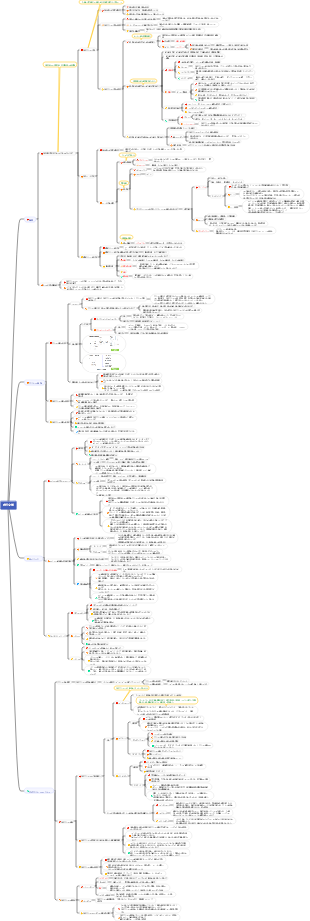

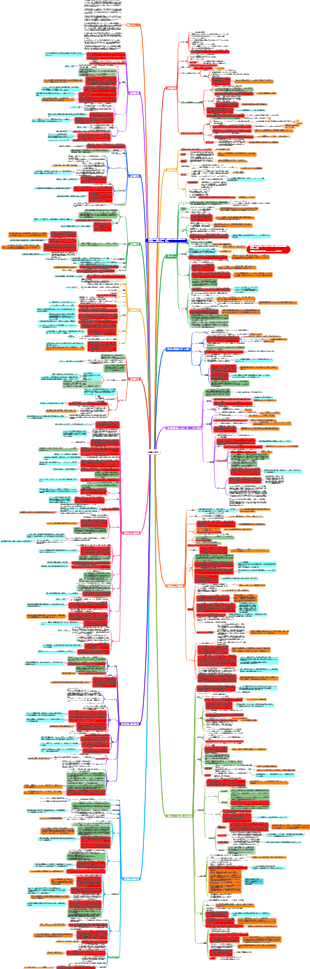

人間と幽霊の結婚と愛の物語に関する文化的思想
1. 魏、晋、南北朝、北朝における人間と幽霊の結婚と恋愛物語の文化的考察
我が国に存在するいくつかの中国文学史には、魏、晋、南北朝時代の奇妙な小説(人間と幽霊の結婚や恋愛物語を含む)について次のような記述がある。 「若い男女の結合」、「称賛 封建的倫理の弊害を客観的に暴露し、結婚の自由を求める若い男女にとって反封建的な意義がある。」新編『中国文学と歴史』にコメントあり。 Zhang Peiheng と Luo Yuming は、「人間の生活の傾向に焦点を当てている」と述べています。文学研究の分野では長い間、ファンタジー小説は人間社会の実生活を反映しており、人間と幽霊の結婚や恋愛は男女の探求の反映であるという固定観念が形成されてきました。実生活における結婚の自由。
魏晋南北朝時代は寛容な時代で、誕生日を祝い誕生日を祝うことが流行しました。 例:シャンタオの妻は、夜に中庭を通って異性の活動を監視しました。劉宜青はこの話を『詩書新友仙源』に載せています。 封建的倫理に抵抗することは、この時代の人間と幽霊との結婚や恋愛物語の主要なテーマでは決してないことがわかります。人間と幽霊との結婚や恋愛の物語は、現実の人間関係に焦点を当てているだけでなく、独自の文化的方向性も持っています。
魏晋南北朝時代の人間と幽霊の結婚や恋愛物語には、豊穣崇拝のテーマを反映した「誕生」や「復活」のモチーフが数多く登場する。
子供を産む
『礼儀図』の「タン・シェン」は、文学における人間と幽霊の結婚と愛の物語の起源です。タン・シェンは40歳で妻がいませんでした。美しい女性が率先して彼女と結婚しようとしましたが、彼女は告げられました。 3年間お互いにろうそくを灯してはならない。女性は子供を産んだ後、人生や好奇心について話すことに耐えられず、ろうそくで照らしました。女性の腰は乾いた骨で覆われ、上半身は人間と同じくらい肉付きでした。
銭宝の『宋神記』には「崔少福の墓」、陶謙の『宋神記』には「徐玄方女」、劉宜青の『楊明』には「胡富志」「胡芬を売る女」などもある。魯」、劉景書『易源』の「張勲」など。
復活
『徐玄方奴』『蘇申後記』:馬子は夜、女性の幽霊が自分が無駄に殺されたと告げる夢を見て、棺を掘り起こし、彼女を生き返らせ、結婚した。
「復活」のモチーフは、銭宝の『曹申記』の「河建県男女図」や「王道平」、『曹申記』の「李仲文少女」、『胡芬を売る少女』にも存在する。劉宜清の「楊明路」、劉景書「易源」の「張勲」など。
この時代の人間と幽霊との結婚や恋愛物語では、男女の関係には基本的に美学や恋愛指向はありませんでした。
たとえば、「蘇神吉・翠少府墓」では、ルー・チョンと女の幽霊は冥界の父親の指示に従い、夫婦として3日間を過ごしました。 『徐玄方ヌー』、『崔少夫の墓』、『劉長師ヌー』には、女性の幽霊の出現に関する言及はありません。 初期段階の「粗雑な要約」小説が男女の恋愛にあまり焦点を当てることができないのなら、なぜこれほど短いスペースでこれほど詳細に子供を産む物語を説明するのでしょうか? 『タン・シェン』の冒頭では、タン・シェンが「40歳で妻がいない」こと、女性の幽霊とタン・シェンは「結婚していて息子がいる」ことが指摘されている。 『胡非子』では、胡非子の妻李が亡くなり、胡非子は子供がいないことを嘆き、女の幽霊と胡は夫婦となり、10ヶ月で男の子を出産した。 「崔少福の墓」では、女性の幽霊が陸冲に息子を与えました。 『徐玄方女』の女の幽霊も馬子に二人の息子と一人の娘を産んだ。
魏晋王朝の「人間と幽霊の結婚と愛」の物語は、生と死についてのファンタジーの意識的な精神を体現しています。社会不安、頻繁な戦争、猛威を振るう感染症、災害、死は常に個人の命を脅かしています。人の命が尊いこの時代において、生と死の問題はかつてないほど重要な位置を占め、個人の価値を尊重する社会的思想の流れが生まれています。思考から実践へということは、今が死の超越を探求する自己認識の時代であることを示しています。
人間と幽霊の結婚と恋愛の物語は、女の幽霊が人間界では男の妻であり、骨と肉が枯れて人間になるという、生と死の幻想を展開する(「語る」)。人生について」); 幽霊から復活する過程で、彼女は人間の男の妻になることができますが、棺に埋葬することはできません、そうでなければすべての努力が無駄になります(「人生について語る」)「リー」 Zhongwen Nv"); 女性の幽霊が「無駄に殺された」場合、「再生」の根拠があり、人間界で男性の妻となり、いくつかの犠牲の儀式を完了した1年後に復活することができます(" Xu Xuan Fang Nv」)。 「王道平」の女性幽霊は復活後「130歳まで生きる」という事実、そして「徐玄芳奴」は復活後80歳以上生きるという事実を無視することはできません。そのセリフは憧れに満ちています。不死と復活に関するさまざまな幻想。
魏晋王朝では、人間と幽霊との結婚と愛の物語は「誕生」と「復活」をテーマにしており、死を超えるという同じ根深い問題を指摘していました。
2. 人間と幽霊の結婚とラブストーリーの進化と文化の変化
唐・宋時代の人間と幽霊の結婚・恋愛物語では、美学と性が際立ち、世俗的な色彩が強い。
まず、女性の幽霊のイメージは徐々に世俗化し、女性の美的色彩を帯びてきました。 「幽霊の性質」という要素はますます少なくなり、女性の幽霊の外観はより魅力的であり、その美しさは誇張されています。明晰で雄弁な陳代の高貴な側室(『伝説・顔君』)、文理に明るく音楽に優れた歌手(『唐史・魏志子』)、詩を朗読し、フルートを演奏する美しい女性(「奇妙な物語」「シェン警察」)は、文明時代の男性文人の性的幻想を表しています。
第二に、男女間の関係はそのままセックスに移行し、子供を持つという考えは忘れられ、二度と言及されなくなります。封建社会の繁栄と物質生産の発展は、生殖の負担を軽減し、性の娯楽機能を高めた。恋に落ち誓い合う二人の恋人のシーンが時折登場する(『奇妙な物語:沈静』、『奇妙な物語:杜牧古』)、男は軽薄で、女は互いに恋に落ちる描写がある。が一般的であり、「張雲栄」の3人のキャラクターは、美女たちが自主的にサイコロを振って誰が枕に推薦されるかを決定し、男女が「知らずに数晩にわたって」セックスするというものです。売春宿。
唐や宋の時代における人間と幽霊との結婚や恋愛の物語は、男性の言説の力に支配された男女の関係を反映しています。一夫多妻制の冷酷な男性と、枕を差し出す夢中になった女性です。
『華州入隊』では、柳生は崔の娘を追いかけると同時に、崔の娘のメイドを喜ばせ、率先して柳生に愛を伝え、幽霊女王に夢中のまま3度駆け落ちする。 Fan Xunの「Yunxi Youyi・Wei Gao」では、Wei Gaoは約7年間別居していましたが、Yu Xiaoは愛のために「ハンガーストライキで死亡」し、幽霊のせいで夢中になり続け、約束しました。来世でも魏高の妻となる。この記事全体には、魏高の冷酷さを非難する言葉は一言もありません。ホン・マイの『易建志・鄂州南史少女』という作品もあり、ある金持ちの娘が使用人に恋をして病気になったが、彼女は自分の死後、激しく拒絶されたという。その男性に再び結婚を求められ、「頬を責められた」と怒って、最後はビルから飛び降り自殺した。このような記述には、「Yan Zhi」、「Wang Calyx」などが含まれます。
夢中で好色な女性の幽霊が率先して男性を口説きますが、これは男性の性心理に基づく男性中心主義を反映しています。封建的倫理の制約の下では、男性は欲望に対する情熱に満ちており、美しい女性が主導権を握って消え去ることを願うことしかできません。耽溺の結果は、「耽溺」「イェダン」の幽霊女性にも押し付けられます。宋代における成朱朱子学の礼儀のかなりの程度の抑圧もまた、女性を「貞操」と「激しさ」という病的な傾向に導いた。男性は、女性が破壊されていない自然な性質を体現することを切望した。特に性的および感情的な主導権においてエチケットによって歪められ、抑制されない。
明清時代の人間と幽霊との結婚と恋愛の描写は、人格の解放に満ちています。ガイドとして魏晋の時代にも人間と幽霊のラブストーリーがありますが、唐仙子の素晴らしい文章は、人間と幽霊のラブストーリーを個性の解放のさまざまな意味合いで時代の素晴らしさで輝かせています。
「牡丹閣」では、彼は私たちのために、夢中になった愛に満ち、生と死を通して愛と幸福を追求する女性の幽霊、ドゥ・リニアンを作成しました。ドゥ・リニアンさんは、自分が夢のせいで亡くなった経緯を胡判事に大胆に語った。彼女の愛と幸福の追求は激しく執拗で、それは現代の性愛の性質を持っている。明代初期の屈游の伝説的小説『建登心華』の「滕牧の園内酔遊」や、屠申の『六和内外雑言』の「梅自然」などがその例である。
さらに、性的描写はさらに誇張され、人間と幽霊との結婚や恋愛物語における耽溺でふしだらな女性の幽霊は、男性の性的空想の媒介となっている。浦松齢の『梅娘』では梅娘が男のために売春婦を募集し、『蓮の香り』では男女が雲の中を歩き雨を降らせる様子が描かれている。このような記述には、「林思念」なども含まれます。
物質生産の発展により、純粋に功利的な目的で生殖活動が性生活に取って代わられるようになりました。商業の隆盛により人口の流動が促進され、男女関係の不安定さが徐々に常態化していきます。社会の変化により、集団意識が薄まり、個人意識が強化され、個人の解放の追求と性愛の促進につながっています。魯迅は『中国小説略史』の中で次のように述べている:「成化の時代、錬金術師の李自生継暁はすでに本を書くための家を提供していた。彼が嘉京に到着したとき、陶忠文は幸運にも鉛を買うことができた」石宗皇帝のために...その衰退は徐々に学者に広がり、「劉...」の傾向は変化し、文壇に広がりました。したがって、錬金術師がそれを使用し始めてから、処方箋と薬が増えました。小説には神と悪魔の話も多く、ベッド事情についても語られています。
3. 人間と幽霊の結婚と愛の物語を通して中国と西洋文化の死生観を考察する
中国から西洋に目を向けると、西洋の文学史には超自然的な小説についての言及がなく、人間と幽霊の結婚や愛についての物語はほとんど存在しないことに気づきます。
ダンテの『神曲』、ボッカッチョの『デカメロン』、シェイクスピアの『ハムレット』など、西洋文学作品には人間と神との愛、人間と死者との触れ合いが数多く描かれています。しかし、人間と幽霊の結婚はせいぜい一時的なものであり、厳密には人間と幽霊の結婚ではない、例えばエミリー・ブロンテの『嵐が丘』のキャサリンの幽霊は形だけで登場する。夢であり、現実の生活には直接関与しません。ここで説明しなければならないのは、西洋の信仰における悪魔は中国の幽霊とは異なるということです。 「聖書のヨブ記」には、悪魔(サタン)は神の同意を得て世界を試みると書かれています。また、西洋文学作品における悪魔は、『ファウストゥス博士の悲劇』の悪魔マーロウのように、象徴的な意味を持ったものが多く、具体的なイメージではありません。
西洋の幽霊結婚やラブストーリーの欠如は、確かに考えさせられる問題です。以下、著者は分析を試みる。
西洋のキリスト教は確かに考慮しなければならない要素です。
まず、キリスト教の概念では、人間の生活に介入する中国の幽霊とは異なり、死後、魂は地獄または天国に行くという最高の神が存在します。
第二に、キリスト教の禁欲主義が、愛の亡霊が西洋社会に足がかりを得るのを妨げています。 『新約聖書のマタイによる福音書』には、「姦淫してはならない」「情欲をもって女性を見る者は、すでに心の中でその女性と姦淫を犯しているのである。」と書かれている、ダンテの『神曲』の恋人フランツィスカとパウルス。姦淫を犯した者は地獄で苦しみます。人間界における男女の愛はこのようなものであり、西洋の死んだ魂は自分の場所に定住することしかできず、中国の幽霊や幽霊のように、好き勝手に行動することはできません。
中国の伝統的な民間信仰は神聖なものと世俗的なものが組み合わさったものです。
まず第一に、神聖な役割と世俗的な役割の区別はなく、中国の民間信仰は祖先崇拝です。
第二に、神聖な空間と世俗的な空間、死んだ先祖の区別はありません。幽霊も人間の世界に独自の空間を持っています。 「中国人の間では、死者の幽霊は生きている人々と最も密接に接触しているように見えるという信念、教義、公理がしっかりと確立されている。」周口店の洞窟民族の墓を考古学者が調査した結果、少なくともそれ以来、中国人は魂についての明白な概念と、魂が死後も生き続ける兆候を持っていたことが判明した。 「人間と幽霊の結婚」の物語の直接の源は、幽霊の結婚の習慣に関連しています。幽霊婚の習慣は先祖崇拝に根ざしています。中国の民間信仰によれば、幼児期の死と子供のいない死は異常な死であるという。 「生殖の義務を果たさなかった生命は、不完全で異常な生命です。死後、人は『普通の』幽霊になることはできません。死者のために幽霊婚儀を行わなければなりません。」 「周の時代から中華民国への『移住』と『結婚』が禁止されるまでの2000年以上、裏社会での結婚の習慣は栄え続け、庶民だけでなく皇帝や役人によっても行われてきた」 。」 このような肥沃な土壌では、「人間と幽霊の結婚」という文学的な驚異が自由に成長します。
中国と西洋の文化が、人間と幽霊の間の結婚と愛の物語を通して、内的超越と外的超越という生命の永遠を追求するさまざまな方法を見てみましょう。
内なる超越性
人間と幽霊との結婚と愛の物語における豊饒崇拝は、内なる超越性を特徴とする儒教の人生哲学を体現しています。肉体的な不死を達成することは不可能であるため、合理主義的な儒教は、その反神話的な合理的な態度とともに、原始的な生殖崇拝の考えを継承しました。 祖先崇拝と「不親心には三種類あり、子孫を残さないことが最も偉大である」という有名な信条を持ち、さらに生殖崇拝を「親孝行」の教義に倫理化し、民族の永遠の継続を強調した息子。 。
人間と幽霊の結婚における男性と女性の幽霊の性的関係は、内なる超越性を特徴とし、陰と陽の概念に基づいた中国の道教の人生哲学を体現しています。 「人間の身体の理想的な状態は、太の卦に象徴されるように、陰と陽がバランスしている状態です。しかし、実際には絶対的なバランスはなく、陰か陽のどちらかが強く、その度合いは異なります。」他の4つの卦の象徴である「太」を調整することで、「人間と幽霊の結婚物語の登場人物は独身の男性と冥界の女性です。」幽霊。陰と陽は互いに補い合う 『太平広辞・張雲科』には蘇生術について書かれており、「陰と陽を補う」「見知らぬ人との性交のエネルギーに遭遇すると、地上の妖精の耳として生まれ変わる」。この記事は女性の幽霊と若い男性を特別に配置しています。Xue Zhaoという名前の男が出会い、セックスし、生まれ変わる物語です。 『神々の探索あとがき:徐玄芳奴』では、女性の幽霊が、復活するためには現世で男性の妻にならなければならないと率直に告白する。このような記述には、『宋神・李仲文の少女』、『広義志・劉長石の少女』、馮夢龍の『恋愛史伝・鄭万燿』なども含まれる。
道教の陰陽魚のシンボルは、陰と陽の 2 つの力がそれぞれの頂点に達すると、その反対の力に変化し始めていることを示しています。陰と陽は互いに生成し、また抑制し合います。ジ・ユンの『岳威茅葺き小屋のメモ:幽霊女への別れ』には、「陰を使って陽を剥がす」という言葉があります。このような記述には、「郎陽の命はまだ終わっておらず、側室の陰の性質は変化していません。世俗的な運命に耽溺すると、あなたは不幸になるでしょう」(『鄭万葉』)なども含まれます。 「私は陰の性質なので、陽明の世界に長く住むのは向いていないのです。」 「あまり遅刻すると罰が当たります。それは私を害するばかりでなく、あなたにも利益をもたらします。」 .』(『魏』『青春』)のほか、『風俗・鄭斉』、『済文・道徳学者』、『李建志・女たちの物語』などでも膣剥離により非業の死を遂げた者が多数出ている。西の湖』、『奇妙な物語・ドゥグ・ムー』の解説。
永遠の命を追求する中国の儒教と道教のアプローチはどちらも「内的超越」の特徴を持ち、死を超越して永遠の命を追求する状態を達成するために完全に自分自身の努力に依存することを主張しています。
外部の超越性
西洋キリスト教は「外的超越」を特徴とするアプローチを採用しています。古代ギリシャ以来、プラトンとアリストテレスは一般に世界を超越存在論と現実世界に分けてきました。
キリスト教もまた、世俗の世界を完全に超越した最高の神である理想の天国の存在を信じています。神の意志に厳密に従うことによってのみ、魂は永遠に生きることができます。トルストイの『復活』では、主人公の精神は神に改心し、善と愛への信仰が回復され、魂が復活します。
ドストエフスキーの『罪と罰』では、ドミトリーもイヴァンも人間の苦しみの観点から世界の問題を考えており、前者は心に神を持ち魂の「復活」を獲得しているが、後者は道徳につながる無神論者である。劣化。この永遠の命の追求は神に信頼することによってのみ達成でき、個人の努力では達成できません。
誤解と疑惑: 20 世紀以来、西洋における幽霊の研究が隆盛を極め、心霊学の分野 (つまり幽霊学) が形成されました。 1918年、オランダの学者シェアーズ博士は幽霊の体重を測定しました。 1920年、イギリスのキルナー博士は、ガラスに塗ると幽霊が見える粉を発明しました。世界的に有名なオックスフォード大学とケンブリッジ大学には「幽霊研究講義」というものがある。アメリカのハリウッドは、1980年代初頭のコメディ映画『悪魔の宿敵』に続き、1990年代に『ゴーストバスターズII』や『ゴーストバスターズ』といった映画を公開した。幽霊話が豊富な中国では、幽霊はほとんど消え去った。これは実に興味深い質問です。