Galería de mapas mentales Church
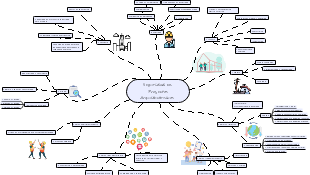
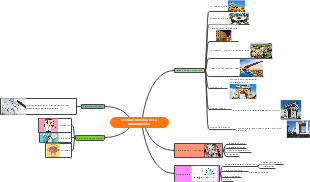
Este es sobre Church, que abarca principalmente los Types of churches, la Church organization and leadership, la Importance of music in church y el Church architecture and design. Las iglesias son portadoras de la fe religiosa y tienen diversos tipos, estructuras organizativas y estilos de liderazgo; la música desempeña un papel importante en las actividades eclesiásticas, que puede crear ambiente y transmitir la fe; mientras que la arquitectura y diseño de las iglesias reflejan los estilos artísticos de ciertas épocas y la cultura religiosa, son una combinación de fe y arte.
Editado a las 2024-02-15 08:48:25,Church

Definition of a church
A church is a religious institution where people gather to worship and practice their faith.
It is a place where believers come together to deepen their relationship with God and seek spiritual guidance.
Churches provide a sense of community and support for individuals in their spiritual journey.
They serve as a place to celebrate important religious events and ceremonies.
Churches often have a physical structure where worship services and other religious activities take place.
Types of churches
There are various types of churches based on different denominations and religious beliefs.
Some of the major types include Catholic, Protestant, Orthodox, and Evangelical churches.
Each type has its own unique set of beliefs, practices, and traditions.
Churches can also be categorized based on their size, such as mega-churches or small community churches.
Some churches focus on specific demographic groups, such as youth churches or churches for the elderly.
There are also non-denominational churches that are not affiliated with any specific religious group.
Church organization and leadership
Churches are typically organized and led by clergy and other religious leaders.
Clergy members, such as pastors, priests, and ministers, play a vital role in leading worship services, preaching sermons, and providing pastoral care.
They are responsible for spiritual guidance and counseling to the congregation.
Churches may also have a hierarchy of leadership, with higher-ranking clergy overseeing the operations of multiple churches or denominations.
Lay leaders, including deacons and elders, assist in the administration and organization of church activities.
Church committees and boards are often established to handle specific functions, such as finance, outreach, and education.
Role of church in the community
Churches have a significant impact on the communities they serve.
They often provide charitable services, such as food banks, homeless shelters, and counseling programs.
Churches are involved in social justice issues and advocate for the well-being and rights of marginalized groups.
They offer support and assistance to those in need, including the sick, elderly, and disadvantaged.
Churches promote community engagement and encourage their members to actively participate in community projects and initiatives.
They collaborate with other organizations and institutions to address community issues and foster positive change.
Church services and worship practices
Worship services are central to the life of a church.
Services typically include prayers, readings from religious texts, hymns, and sermons.
Worship styles vary among different churches, ranging from traditional liturgical services to contemporary worship with music bands.
Sacraments, such as baptism and communion, are often conducted during worship services.
Church members actively participate in singing, praying, and expressing their devotion during services.
Special religious holidays and events are observed with specific worship practices and rituals.
Church sacraments and rituals
Churches have sacraments and rituals that hold symbolic and spiritual significance.
Baptism is a common sacrament performed to initiate individuals into the church and symbolize spiritual cleansing and rebirth.
Communion, or the Eucharist, is a sacred ritual where believers partake in the body and blood of Christ.
Confirmation is a sacrament where individuals publicly affirm their faith and receive the Holy Spirit.
Marriage ceremonies are conducted to bless and unite couples in a sacred union.
Funerals and memorial services are held to commemorate the lives of deceased members and offer comfort to the bereaved.
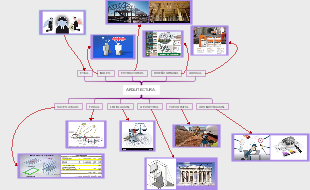
Church architecture and design
The architecture and design of churches often reflect the religious and cultural traditions they belong to.
Traditional churches may have intricate stained glass windows, high vaulted ceilings, and ornate decorations.
Modern churches may have simpler designs, with emphasis on functionality and flexibility for various activities.
Church buildings are designed to accommodate large congregations and to create an atmosphere conducive to worship.
The layout and arrangement of the interior space may include a nave, altar, choir area, and seating for the congregation.
Some churches also have additional facilities for educational programs, social gatherings, and community events.
Importance of music in church
Music plays a vital role in church worship and spiritual expression.
Hymns and worship songs are sung by the congregation as an act of praise and devotion.
Music helps create a sacred atmosphere during worship services, inviting believers to connect with their spirituality.
Church choirs and music ministries lead the congregation in singing and perform special musical pieces.
Musical instruments, such as organs, pianos, and guitars, are used to accompany congregational singing and enhance worship.
Music can evoke strong emotions, facilitate meditation, and deepen the overall worship experience.
Church outreach and missions
Churches engage in outreach activities to impact their local and global communities.
They actively seek to meet the physical, emotional, and spiritual needs of others through various initiatives.
Outreach programs may include feeding the hungry, providing shelter to the homeless, and offering assistance to those in crisis.
Mission trips are organized to support communities in different parts of the world through humanitarian aid and spreading the gospel.
Churches collaborate with other organizations to address social issues, promote justice, and advocate for change.
The goal of outreach and missions is to make a positive difference in the lives of individuals and communities.
Church fellowship and community activities
Churches foster a sense of fellowship and community among their members.
Regular community activities, such as small group meetings, Bible studies, and prayer gatherings, encourage spiritual growth and connection.
Social events, such as potlucks, picnics, and festivals, create opportunities for fellowship and building relationships.
Educational programs, Sunday schools, and youth groups provide learning opportunities for individuals of all ages.
Church retreats and conferences offer a chance for spiritual renewal, learning, and reflection.
Volunteer opportunities within and outside the church community promote service, compassion, and empathy.