Wondershare EdrawMind
マインドマップギャラリー カテゴリ別ショッピングリストテンプレート
カテゴリ別ショッピングリストテンプレート
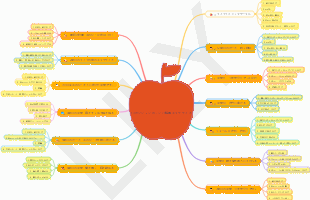
カテゴリ別ショッピングリストテンプレート — EdrawMind で作成された買い物を効率的に行うためのチェックリストツールで、買い忘れを防ぎ、買い物時間を短縮し、無駄な出費を抑えることを目的として設計されています。日常生活では、買い物に行く前に必要なものをリストアップしないと、買い忘れたり、不必要なものを買ったりすることが多く、時間とお金の無駄になります。このテンプレートを使うことで、買い物を計画的に行い、効率的な家事管理を実現できます。 テンプレートは、買い物の項目を「日用化学品」「野菜」「食糧油」「肉」「おやつと飲み物」「調味料」「果物」「乳製品」「その他」の 9 つのカテゴリに明確に分類しています。各カテゴリには、一般的な家庭で必要となる買い物項目が例として詳しく記載されており、例えば「日用化学品」ではシャンプー、コンディショナー、石鹸、歯ブラシ、トイレットペーパー、洗剤など、「野菜」ではトマト、玉ねぎ、にんじん、きゅうり、レタス、ネギなど、「調味料」では塩、砂糖、醤油、味噌、オリーブオイル、酢などが挙げられています。また、各項目の横にはチェックボックスが設けられており、買い物をしながらチェックを入れることで、買い物の進捗を一目で確認でき、買い忘れを確実に防ぐことができます。 さらに、テンプレートには「優先順位」「購入量」「備考」の欄も設けられています。「優先順位」では、「必須」「必要」「任意」の 3 段階で項目を分類することで、買い物の優先度を明確にし、時間が限られている場合でも重要なものから買うことができます。「購入量」では、必要な量(例:米 5kg、牛乳 1L、トマト 2 個)を記載することで、過剰な購入を防ぎ、食品のロスを削減できます。「備考」では、特定のブランドの指定(例:シャンプーは〇〇ブランド)、購入先の指定(例:果物は八百屋で購入)、値段の目安などを記載することができ、買い物をよりスムーズに行うことを支援します。 EdrawMind の機能を活用することで、自分のよく買うものや家族のニーズ(例:子供用のおやつ、ペット用品)に合わせて項目を追加・削除したり、カテゴリの順番を調整したり、買い物の頻度(週刊、月刊)に合わせてリストを更新したりすることが可能です。週末のまとめ買い、一人暮らしの日用品管理、家族の買い物分担、旅行前の手土産購入リストなど、多岐にわたる場面で活用できます。このリストを使うことで、買い物の時間を短縮し、無駄な出費を抑え、計画的な家事管理を実現することができます。
2026-04-22 08:01:49 に編集されました
- Sistema de servicios de plataforma de marketing de marca Little Red Book
Esta plantilla, creada con EdrawMind, es un modelo completo de sistema de servicios de marketing para marcas en la plataforma Little Red Book, con un texto que supera los 500 palabras. Diseñada para equipos de marketing y marcas que buscan implementar estrategias efectivas en esta red social, la plantilla se organiza en seis bloques funcionales que cubren todo el ciclo de marketing, desde la planificación estratégica hasta la medición y optimización de resultados. El primer bloque es la organización de servicios basada en plataforma, que define el sistema de soporte principal: un equipo estratégico para la planificación integral, un equipo de contenido para proyectos creativos, un equipo de operaciones para la ejecución eficiente, un equipo de datos para el seguimiento de efectos y un sistema de coordinación que apoya el funcionamiento de todos los módulos del negocio. El segundo bloque se centra en la planificación estratégica e información, donde se implementan análisis de tendencias del mercado, información de audiencia y benchmarking competitivo basado en la plataforma, para proporcionar una orientación estratégica basada en datos. El tercer bloque es la estrategia de contenido y producción, que incluye el desarrollo de una matriz de contenido de marca, la implementación de planes y la producción creativa para asegurar el atractivo del contenido. El cuarto bloque es la asociación y asignación de negocios, que optimiza la entrega inteligente, compra tráfico a través de plataformas masivas y realiza todo el proceso de marketing, desde el contenido hasta la conversión. El quinto bloque es la gestión y colaboración de blogueros, que aprovecha la plataforma para explorar recursos de blogueros de alta calidad, desarrollar modelos de colaboración y lograr una siembra de contenido eficiente. Finalmente, el sexto bloque es el análisis y medición de datos (optimización de ciclo cerrado), que utiliza la plataforma y herramientas de ayuda para hacer un seguimiento de los da
- Sistema de gestión digital de 3 niveles para activación rural "prefectura, pueblo y aldea"
Esta plantilla, diseñada con EdrawMind, es un modelo de sistema de gestión digital estructurado en tres niveles para la activación rural, con un texto que supera los 500 palabras. Diseñada para gobiernos y organizaciones que buscan implementar la transformación digital en zonas rurales, la plantilla organiza el sistema en tres niveles: centro de decisión y ajuste a nivel provincial, supervisor a nivel local y centro de ajuste, y terminal de ejecución y cognición a nivel de aldea. El primer nivel, centro de decisión y ajuste a nivel provincial, incluye la coordinación global de políticas y recursos, la elaboración de normas y la coordinación de datos e inversión fiscal. También se encarga de la visualización integral de la gobernanza global, la construcción de un "mapa unificado de la gobernanza rural" y la macrovigilancia y análisis. Además, supervisa, evalúa y construye un sistema de evaluación del rendimiento para la ejecución efectiva del negocio. El segundo nivel, supervisor a nivel local y centro de ajuste, se dedica al desglose y supervisión de tareas, la recopilación y análisis de datos a nivel de aldea, y la orientación y capacitación empresarial para mejorar la capacidad digital del personal. El tercer nivel, terminal de ejecución y cognición a nivel de aldea, se encarga de la recopilación e informe de información, la gestión de tareas cotidianas y la promoción de políticas de retroalimentación. Gracias a la estructura visual de EdrawMind, este sistema permite a las organizaciones visualizar la estructura jerárquica de la gestión digital rural, facilitando la toma de decisiones, la supervisión y la ejecución en todos los niveles.
- Sistema integrado "en línea y fuera de línea" para usuarios de NIO
Esta plantilla, creada con EdrawMind, es un modelo de sistema integrado de experiencia del usuario para NIO, que combina servicios digitales en línea y experiencias físicas fuera de línea, con un texto que supera los 500 palabras. Diseñada para marcas de automoción que buscan mejorar la experiencia del cliente, la plantilla se organiza alrededor del "centro de usuario", con dos ejes principales: el ecosistema digital en línea y la red de experiencias offline. El ecosistema digital en línea (aplicación NIO) incluye tres módulos clave: comunidad e intercambio de contenido (con un promedio de 230,000 comentarios al día y respuestas en ciclo cerrado de 72 horas), servicio de una sola parada (control remoto de vehículos, recarga de energía y rescate de accidentes) y creación de valores e incentivos (crecimiento de la lealtad mediante el sistema de puntos y el intercambio de puntos). La red de experiencias offline (NIO House) también incluye tres módulos: un tercer espacio para el estilo de vida (con 7 zonas funcionales), actividades comunitarias y conexiones emocionales (con un promedio de 43 eventos dirigidos por el usuario al año) y un servicio exclusivo de compañeros (soporte dedicado 1-a-1 que cubre todo el ciclo de vida del vehículo). El sistema también destaca beneficios clave como el "close drop" (reserva en línea y experiencia offline), el uso impulsado por datos y un valor final de NPS del 72%. Gracias a la estructura visual de EdrawMind, este modelo permite a NIO visualizar cómo los servicios en línea y fuera de línea se integran para crear una experiencia del usuario completa y coherente.
カテゴリ別ショッピングリストテンプレート
- Sistema de servicios de plataforma de marketing de marca Little Red Book
Esta plantilla, creada con EdrawMind, es un modelo completo de sistema de servicios de marketing para marcas en la plataforma Little Red Book, con un texto que supera los 500 palabras. Diseñada para equipos de marketing y marcas que buscan implementar estrategias efectivas en esta red social, la plantilla se organiza en seis bloques funcionales que cubren todo el ciclo de marketing, desde la planificación estratégica hasta la medición y optimización de resultados. El primer bloque es la organización de servicios basada en plataforma, que define el sistema de soporte principal: un equipo estratégico para la planificación integral, un equipo de contenido para proyectos creativos, un equipo de operaciones para la ejecución eficiente, un equipo de datos para el seguimiento de efectos y un sistema de coordinación que apoya el funcionamiento de todos los módulos del negocio. El segundo bloque se centra en la planificación estratégica e información, donde se implementan análisis de tendencias del mercado, información de audiencia y benchmarking competitivo basado en la plataforma, para proporcionar una orientación estratégica basada en datos. El tercer bloque es la estrategia de contenido y producción, que incluye el desarrollo de una matriz de contenido de marca, la implementación de planes y la producción creativa para asegurar el atractivo del contenido. El cuarto bloque es la asociación y asignación de negocios, que optimiza la entrega inteligente, compra tráfico a través de plataformas masivas y realiza todo el proceso de marketing, desde el contenido hasta la conversión. El quinto bloque es la gestión y colaboración de blogueros, que aprovecha la plataforma para explorar recursos de blogueros de alta calidad, desarrollar modelos de colaboración y lograr una siembra de contenido eficiente. Finalmente, el sexto bloque es el análisis y medición de datos (optimización de ciclo cerrado), que utiliza la plataforma y herramientas de ayuda para hacer un seguimiento de los da
- Sistema de gestión digital de 3 niveles para activación rural "prefectura, pueblo y aldea"
Esta plantilla, diseñada con EdrawMind, es un modelo de sistema de gestión digital estructurado en tres niveles para la activación rural, con un texto que supera los 500 palabras. Diseñada para gobiernos y organizaciones que buscan implementar la transformación digital en zonas rurales, la plantilla organiza el sistema en tres niveles: centro de decisión y ajuste a nivel provincial, supervisor a nivel local y centro de ajuste, y terminal de ejecución y cognición a nivel de aldea. El primer nivel, centro de decisión y ajuste a nivel provincial, incluye la coordinación global de políticas y recursos, la elaboración de normas y la coordinación de datos e inversión fiscal. También se encarga de la visualización integral de la gobernanza global, la construcción de un "mapa unificado de la gobernanza rural" y la macrovigilancia y análisis. Además, supervisa, evalúa y construye un sistema de evaluación del rendimiento para la ejecución efectiva del negocio. El segundo nivel, supervisor a nivel local y centro de ajuste, se dedica al desglose y supervisión de tareas, la recopilación y análisis de datos a nivel de aldea, y la orientación y capacitación empresarial para mejorar la capacidad digital del personal. El tercer nivel, terminal de ejecución y cognición a nivel de aldea, se encarga de la recopilación e informe de información, la gestión de tareas cotidianas y la promoción de políticas de retroalimentación. Gracias a la estructura visual de EdrawMind, este sistema permite a las organizaciones visualizar la estructura jerárquica de la gestión digital rural, facilitando la toma de decisiones, la supervisión y la ejecución en todos los niveles.
- Sistema integrado "en línea y fuera de línea" para usuarios de NIO
Esta plantilla, creada con EdrawMind, es un modelo de sistema integrado de experiencia del usuario para NIO, que combina servicios digitales en línea y experiencias físicas fuera de línea, con un texto que supera los 500 palabras. Diseñada para marcas de automoción que buscan mejorar la experiencia del cliente, la plantilla se organiza alrededor del "centro de usuario", con dos ejes principales: el ecosistema digital en línea y la red de experiencias offline. El ecosistema digital en línea (aplicación NIO) incluye tres módulos clave: comunidad e intercambio de contenido (con un promedio de 230,000 comentarios al día y respuestas en ciclo cerrado de 72 horas), servicio de una sola parada (control remoto de vehículos, recarga de energía y rescate de accidentes) y creación de valores e incentivos (crecimiento de la lealtad mediante el sistema de puntos y el intercambio de puntos). La red de experiencias offline (NIO House) también incluye tres módulos: un tercer espacio para el estilo de vida (con 7 zonas funcionales), actividades comunitarias y conexiones emocionales (con un promedio de 43 eventos dirigidos por el usuario al año) y un servicio exclusivo de compañeros (soporte dedicado 1-a-1 que cubre todo el ciclo de vida del vehículo). El sistema también destaca beneficios clave como el "close drop" (reserva en línea y experiencia offline), el uso impulsado por datos y un valor final de NPS del 72%. Gracias a la estructura visual de EdrawMind, este modelo permite a NIO visualizar cómo los servicios en línea y fuera de línea se integran para crear una experiencia del usuario completa y coherente.
- おすすめ
- アウトライン