Wondershare EdrawMind
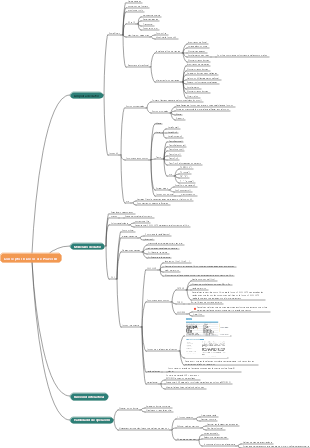
Galería de mapas mentales PowerBI.DAX
PowerBI.DAX
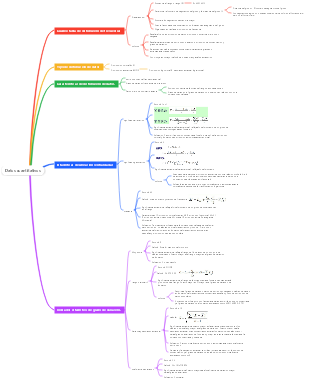
Adecuado para personas con conocimientos básicos, incluidas operaciones de agregación, Cálculo de proporciones, Cálculo de clasificación, problemas de agrupación, Depende del tiempo, etc.
Editado a las 2023-12-14 17:41:16,
- Anévrisme intracrânien
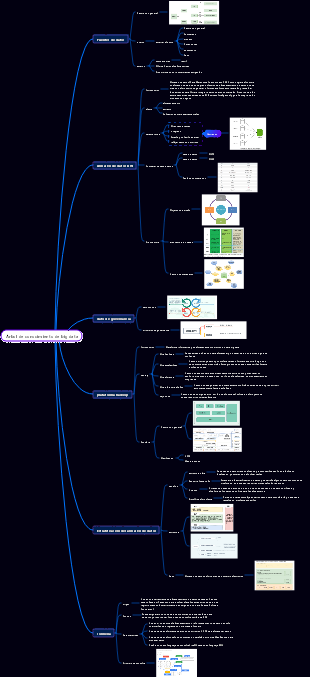
Il s'agit d'une carte mentale sur les anévrismes intracrâniens, avec le contenu principal, notamment: le congé, l'évaluation d'admission, les mesures infirmières, les mesures de traitement, les examens auxiliaires, les manifestations cliniques et les définitions.
- Entretien de la comptabilité des coûts
Il s'agit d'une carte mentale sur l'entretien de comptabilité des coûts, le principal contenu comprend: 5. Liste des questions d'entrevue recommandées, 4. Compétences de base pour améliorer le taux de réussite, 3. Questions professionnelles, 2. Questions et réponses de simulation de scénarios, 1. Questions et réponses de capacité professionnelle.
- Méthode de recherche de littérature
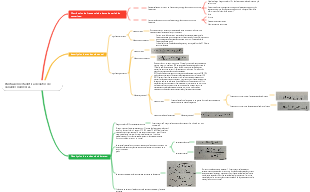
Il s'agit d'une carte mentale sur les méthodes de recherche de la littérature, et son contenu principal comprend: 5. Méthode complète, 4. Méthode de traçabilité, 3. Méthode de vérification des points, 2. Méthode de recherche inversée, 1. Méthode de recherche durable.
PowerBI.DAX
- Anévrisme intracrânien
Il s'agit d'une carte mentale sur les anévrismes intracrâniens, avec le contenu principal, notamment: le congé, l'évaluation d'admission, les mesures infirmières, les mesures de traitement, les examens auxiliaires, les manifestations cliniques et les définitions.
- Entretien de la comptabilité des coûts
Il s'agit d'une carte mentale sur l'entretien de comptabilité des coûts, le principal contenu comprend: 5. Liste des questions d'entrevue recommandées, 4. Compétences de base pour améliorer le taux de réussite, 3. Questions professionnelles, 2. Questions et réponses de simulation de scénarios, 1. Questions et réponses de capacité professionnelle.
- Méthode de recherche de littérature
Il s'agit d'une carte mentale sur les méthodes de recherche de la littérature, et son contenu principal comprend: 5. Méthode complète, 4. Méthode de traçabilité, 3. Méthode de vérification des points, 2. Méthode de recherche inversée, 1. Méthode de recherche durable.
- Recomendados
- Resumen