 Wondershare EdrawMind
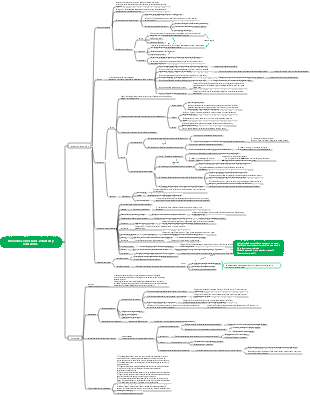
Galería de mapas mentales Recursos didácticos Sección 2 Capítulo 1 Principios básicos del conocimiento educativo básico
- 17
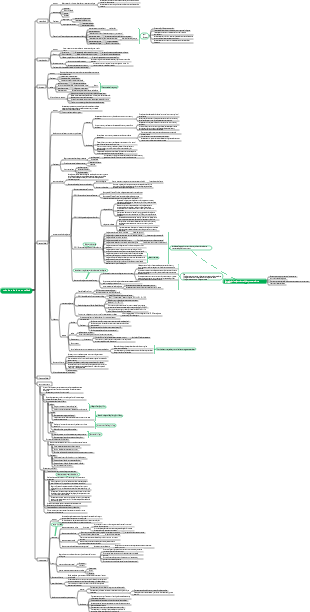
Recursos didácticos Sección 2 Capítulo 1 Principios básicos del conocimiento educativo básico
El conocimiento de este capítulo es el más fragmentario y debe leerse varias veces. [Instrucciones para anotaciones en el mapa mental] Púrpura: puntos de pruebas anteriores y tipos de preguntas Caja cian: puntos de recitación de primer y segundo nivel de cada escuela, así como otras partes que se pueden probar y que vale la pena memorizar. Cuadro gris claro: Resumen de contenido/mantras para ayudar a memorizar --: similar, relacionado //: Al contrario, hay una diferencia
Editado a las 2024-01-13 22:02:13,
- Breve historia del tiempo
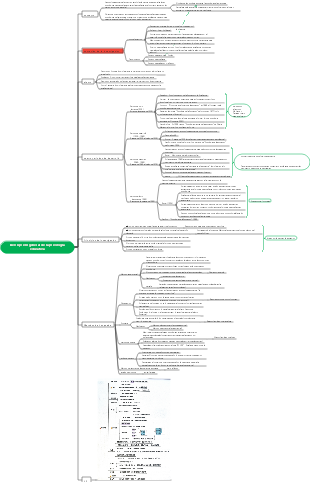
Este es un mapa mental sobre una breve historia del tiempo. "Una breve historia del tiempo" es una obra de divulgación científica con una influencia de gran alcance. No sólo presenta los conceptos básicos de cosmología y relatividad, sino que también analiza los agujeros negros y la expansión. del universo. temas científicos de vanguardia como la inflación y la teoría de cuerdas.
- ¿Cuáles son los métodos de fijación de precios para los subcontratos de proyectos bajo el modelo de contratación general EPC
¿Cuáles son los métodos de fijación de precios para los subcontratos de proyectos bajo el modelo de contratación general EPC? EPC (Ingeniería, Adquisiciones, Construcción) significa que el contratista general es responsable de todo el proceso de diseño, adquisición, construcción e instalación del proyecto, y es responsable de los servicios de operación de prueba.
- Puntos de conocimiento que los ingenieros de Java deben dominar en cada etapa
Los puntos de conocimiento que los ingenieros de Java deben dominar en cada etapa se presentan en detalle y el conocimiento es completo, espero que pueda ser útil para todos.
Recursos didácticos Sección 2 Capítulo 1 Principios básicos del conocimiento educativo básico
- Breve historia del tiempo
Este es un mapa mental sobre una breve historia del tiempo. "Una breve historia del tiempo" es una obra de divulgación científica con una influencia de gran alcance. No sólo presenta los conceptos básicos de cosmología y relatividad, sino que también analiza los agujeros negros y la expansión. del universo. temas científicos de vanguardia como la inflación y la teoría de cuerdas.
- ¿Cuáles son los métodos de fijación de precios para los subcontratos de proyectos bajo el modelo de contratación general EPC
¿Cuáles son los métodos de fijación de precios para los subcontratos de proyectos bajo el modelo de contratación general EPC? EPC (Ingeniería, Adquisiciones, Construcción) significa que el contratista general es responsable de todo el proceso de diseño, adquisición, construcción e instalación del proyecto, y es responsable de los servicios de operación de prueba.
- Puntos de conocimiento que los ingenieros de Java deben dominar en cada etapa
Los puntos de conocimiento que los ingenieros de Java deben dominar en cada etapa se presentan en detalle y el conocimiento es completo, espero que pueda ser útil para todos.
- Recomendados
- Resumen

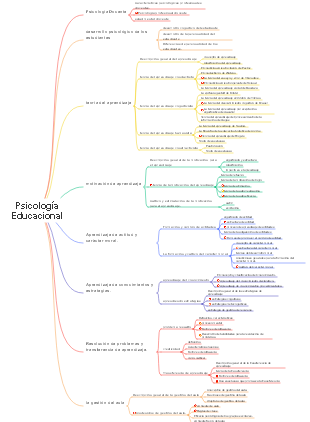
Psicología de la Educación - Capítulo 1 Descripción general de la Psicología de la Educación ✓
- 10
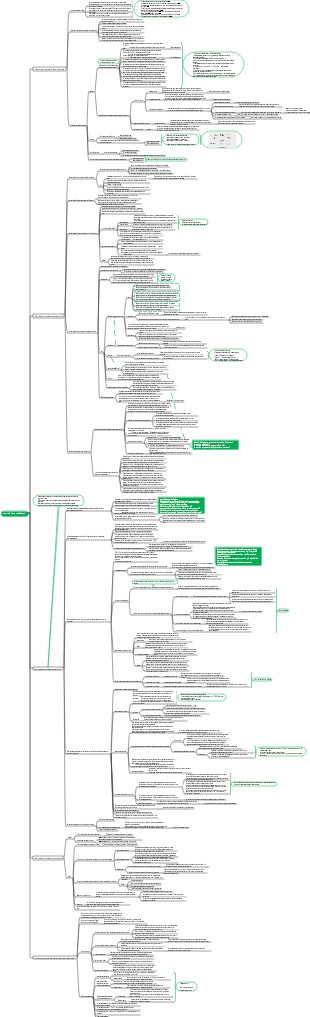

1 Conocimientos básicos y principios básicos de la educación.
1.1 Educación
concepto de educación
La primera obra en la que aparece la palabra "educación": "Mencius"
definición
sentido amplio
Todo se hace con el propósito de mejorar los conocimientos y habilidades de las personas,
Desarrollar la inteligencia y la fuerza física de las personas,
Actividades que influyen en los pensamientos e ideas de las personas.
incluir
educación familiar
educación Social
educación escolar
sinergia educativa (Tres educación combinada)
sentido estricto
Educadores, de acuerdo con ciertos requisitos sociales, de manera decidida, planificada y organizada.
influencia en las personas educadas
Actividades que los impulsan a cambiar y desarrollarse en la dirección deseada.
Se refiere principalmente a la educación escolar.
atributos de la educación
atributos esenciales 【2020 Parte 2】Discriminación
El cultivo intencionado de las actividades sociales de las personas es el rasgo fundamental que distingue a la educación de otros fenómenos y es la estipulación de la calidad de la educación.
Las estipulaciones cualitativas se manifiestan en tres aspectos: intencional (//factores accidentales sin propósito), cultivo (//adoctrinamiento mecánico, la influencia de conceptos erróneos) y actividades sociales conscientes exclusivas de los seres humanos.
--4.2 Definición de aprendizaje
atributos sociales
1. eternidad
La gente está en educación.
2. a largo plazo
Se necesitan diez años para cultivar árboles y cien años para cultivar personas.
3. histórico
4. independencia relativa [2021 Parte 1] Análisis
Significado: La educación está restringida por los niveles de productividad y los sistemas políticos y económicos, pero también tiene sus propias leyes y desempeña un papel activo.
herencia histórica Análisis [2023 Parte Uno], Análisis [2018 Parte Uno]
La educación en diferentes períodos históricos se sucedieron uno tras otro, (La educación en el último período histórico es la herencia y el desarrollo de la educación en el período histórico anterior) (el pasado sirve al presente) - herencia.
El principio heurístico es la herencia de las enseñanzas heurísticas de Confucio; la poesía antigua todavía se estudia en los tiempos modernos.
(con el desarrollo de fuerzas productivas y sistemas políticos y económicos) asincronía
delante o detrás
Agencia/Agencia/Reacción
(Ver 1.3 La reacción de la educación sobre el desarrollo social)
5. productivo
El conocimiento científico se puede transformar en productividad
6. caracter nacional
funciones básicas de la educación
Según el objetivo
Funciones individuales (funciones ontológicas)
Promover individuos (cultivar personas)
Socialización
personalizar
Ganarse la vida y disfrutar de funciones (satisfacer necesidades personales)
Funciones sociales (funciones derivadas)
promover la sociedad
fluir
Flujos de talento entre diferentes regiones, niveles sociales y posiciones profesionales
cambiar
Cambios económicos, políticos, culturales y ecológicos.
Según la naturaleza
función de avance
función negativa
La mala educación obstaculiza el progreso personal y el desarrollo social
[2018 Parte 2] Análisis: El impacto de la educación en las personas siempre es positivo. [2022-1] Análisis: La educación promoverá inevitablemente el desarrollo social.
1. La educación es... (el atributo esencial de la educación).
2. La educación tiene funciones tanto positivas como negativas. (Esta frase es universal) /La educación se ve afectada por () y también reacciona sobre la sociedad, favoreciéndola o dificultándola.
3. La educación avanzada promueve el progreso personal/el desarrollo social, como...; la educación atrasada obstaculiza (), como la educación fraccionada no favorece el desarrollo integral de las personas/alguna educación contiene escoria feudal y no favorece el desarrollo de sociedad moderna.
Según forma de presentación
Funciones explícitas (planificadas)
Funciones ocultas (no planificadas)
El origen de la educación.
1. El origen de la mitología.
Las ideas más antiguas sobre educación.
2. Biogénesis
La primera teoría formalmente propuesta sobre el origen de la educación.
La educación se originó a partir de: las actividades instintivas de los animales.
Figuras representativas: Litorno, Percy Neng, Thorndike
Interés innato
Creen que existen actividades educativas en el reino animal.
3. Orígenes psicológicos
La educación se origina en: la imitación inconsciente de los adultos por parte de los niños.
Representante: Meng Lu
Todos niegan el carácter social de la educación, Contradictorio con la naturaleza de la educación. --4.2 Atributos sociales del aprendizaje humano
4. teoría del origen laboral
La teoría ahora generalmente reconocida sobre el origen de la educación.
La educación se origina en: el trabajo.
Representantes: Midinsky, Kailov
A Michael le encanta trabajar.
5. teoría del origen de la comunicación
La educación surgió de: no actividades de producción, sino actividades de comunicación.
Representante: Ye Lan
desarrollo de la educación
sociedad primitiva
Las causas de la educación.
Las necesidades del ser humano para su propia supervivencia y desarrollo.
condiciones para la educación
Condiciones básicas: mano de obra
Requisitos: idioma
Características
combinado con trabajo productivo
sin clase
Contenido simple y forma única
sociedad antigua
sociedad esclavista
China antigua
verano
negocio
El surgimiento de las escuelas (registros escritos y confirmados por artefactos arqueológicos)
Dinastía Zhou occidental
Estudiar en el gobierno (escuela oficial)
educación de las seis artes
Período de primavera y otoño y período de los estados en guerra
Desarrollo de escuelas privadas: Academia Jixia (período de los Reinos Combatientes y estado de Qi)
La primera institución de educación superior.
El desarrollo de las escuelas privadas marca un hito y promueve la contienda de un centenar de corrientes de pensamiento
Antigua Grecia
Esparta: cultiva soldados y guerreros fuertes
Atenas: Formar ciudadanos, políticos y empresarios con un desarrollo integral y armonioso
Sociedad feudal
Porcelana
Chino
mecanismo
Taixue - la institución educativa más alta
Cámara de Piedra de Wenweng: la primera escuela oficial local
Hongdu Menxue: la escuela vocacional de literatura y arte más antigua del mundo
contenido
Deponer cientos de escuelas de pensamiento y respetar sólo el confucianismo.
Dinastías Sui y Tang
Establecimiento del sistema de exámenes imperial (Sui)
Canción
Cuatro libros y cinco clásicos
Los estudios chinos son el neoconfucianismo Cheng-Zhu
claro
Abolición del examen imperial (1905), creación de escuelas.
Europa medieval
escuela de la iglesia
Formar sacerdotes y monjes.
Siete Artes
Tres materias (Gramática, Retórica, Dialéctica) Cuatro Estudios (aritmética, geometría, astronomía, música)
escuela de caballeros
Siete habilidades de caballero
Características
Se produce la escuela (sociedad esclavista)
Condiciones básicas
1. Mejora del nivel de producción social (base material)
2. Separación del trabajo mental y el trabajo físico (intelectuales)
3. La creación de la escritura y la acumulación masiva de conocimientos sobre la producción y la vida social (condiciones sociales y contenidos educativos dedicados a impartir conocimientos y habilidades)
4. El surgimiento del aparato estatal.
educación escolar
1. improductivo
Separado de la producción/separado del trabajo productivo. "Un caballero busca el camino, no la comida... le preocupa el camino, no la pobreza."
2. naturaleza de clase
La educación sirve a la clase dominante y sólo la clase dominante puede recibir educación.
3. jerárquico
Diferentes clases de personas (dentro de la clase dominante) reciben una educación diferente. "No hay familias pobres en la clase alta y no hay familias nobles en la clase baja".
4. Despotismo
La educación es un proceso de controlar y ser controlado, de inculcar y ser adoctrinado (no se permite refutación)
5. Estereotipo
6. simbólico
La función simbólica de la educación domina y el valor funcional de la educación no se toma en serio. Es decir, el propósito de la educación no es principalmente obtener conocimientos prácticos, sino recibir educación en sí.
7. Religioso (occidental), taoísta (chino)
sociedad moderna
Características
1. El Estado ha fortalecido su énfasis e intervención en la educación y la educación pública ha aumentado.
2. La educación primaria obligatoria se implementa universalmente (por primera vez en Alemania)
3. Secularización (deshacerse de la religión)
4. Prestar atención a la legislación educativa y gobernar la educación de acuerdo con la ley.
sociedad moderna
Nuevas características de la educación después del siglo XX
1. democratización de la educación
2. democratización de la educación
democracia en la educación
Los derechos y obligaciones de los ciudadanos a recibir educación e igualdad de oportunidades educativas.
Educación democrática //Autoritarismo
La democratización de las relaciones profesor-alumno, la democratización de las actividades educativas, los métodos educativos, los contenidos educativos, etc.
3. Diversidad en la educación
Objetivos de formación, forma de funcionamiento escolar, modelo de gestión, contenidos didácticos, estándares de evaluación.
4. Modernizando la tecnología educativa
Ciencia y tecnología, ideas educativas, personal docente.
5. educación permanente
La tendencia educativa con mayor influencia, más difusión y más vitalidad en la sociedad internacional actual
[Francia] Paul Langland habló por primera vez sistemáticamente sobre la educación permanente
1.2 Pedagogía
significado
Una ciencia social que toma como objetos de investigación los fenómenos y las cuestiones educativas y revela constantemente las leyes de la educación.
La fuerza impulsora intrínseca que promueve el desarrollo de la pedagogía: las cuestiones educativas
etapa de ciernes (Sociedad esclavista-siglo XVII)
Porcelana
【Primavera y Otoño】Confucio
Vista
educación y economía
Shu - rico - enseña / hazte rico primero y enseña después
Objetos educativos
Educación sin distinción
Principios de enseñanza
enseñanza heurística
La enseñanza heurística más antigua del mundo.
"Si no estás enojado, no serás iluminado; si no estás enojado, no estarás enojado".
Enseñar a los estudiantes de acuerdo con su aptitud.
Prestar igual atención al aprendizaje, al pensamiento y a la acción.
"Aprender sin pensar conducirá al fracaso; pensar sin aprender conducirá al peligro"
Contenido didáctico
fuera de producción
"Un caballero busca el camino, no la comida... le preocupa el camino, no la pobreza."
Seis enseñanzas artísticas centradas en la educación moral ("benevolencia")
[Estados en Guerra] "Xue Ji" (un artículo en el "Libro de los Ritos")
El primer libro educativo del mundo.
Vista
propósitos educativos
Convertir a las personas en costumbres
"Para transformar a las personas en costumbres, hay que aprenderlas; para construir un país y gobernar al pueblo, la enseñanza es lo primero".
Principios de enseñanza
Sun Mo de la dinastía Yu
Yu - prohibido ser liberado
Tiempo - enseñanza oportuna
Sun (Xun) - paso a paso - "aprende sin esperar" y "da sin hacer nada"
Mo - mirarse el uno al otro y ser amable
enseñanza heurística
"El Tao es fácil de comprender, el fuerte no está restringido, la iluminación es fácil de alcanzar" (guía, estímulo, inspiración)
Sé bueno salvando a los perdidos
Aprovechar las fortalezas para compensar las debilidades
Enseñando y aprendiendo
"Después de aprender, te darás cuenta de tus defectos; después de enseñar, te darás cuenta de tus dificultades... Por eso, se dice: La enseñanza y el aprendizaje se refuerzan mutuamente".
Un artículo del Maestro de Todos los Tiempos
Antigua Grecia antigua roma
Sócrates
partería
La primera enseñanza heurística en Occidente
Platón
Aprender a través de juegos
El primer defensor del entretenimiento educativo
Aristóteles
Sé el primero en defender la educación para seguir la naturaleza
Construir la educación sobre la base de la psicología (las tres partes del alma corresponden a los tres tipos de educación)
El contexto del pensamiento educativo.
naturalismo educativo
Aristóteles - Comenio - Rousseau
pensamiento psicopedagógico
Aristóteles - Pestalozzi - Herbart
Educación literaria/educación liberal //educación utilitaria
"Principios de la oratoria" (también conocido como "Sobre la formación/educación de los oradores")
El primer libro educativo de Occidente y el primer libro sobre métodos de enseñanza en el mundo.
【Antigua Roma】 Quintiliano
Tres Maestros y Discípulos Un Libro
Etapa fundacional (17-18)
【Reino Unido】Tocino
Primero se propuso que la educación debería considerarse una disciplina independiente ("Sobre el valor y el desarrollo de la ciencia")
【Checo】Comenius
padre de la educación
"La teoría de la gran enseñanza"
El primer libro educativo de los tiempos modernos.
La educación comienza a convertirse en una disciplina independiente
Sistema de enseñanza en clases, educación pan-inteligencia (enseñar todas las cosas a todos los seres humanos)
【Reino Unido】Locke
"Education Talk" (cartas sobre temas educativos con familiares)
Presentar la teoría de la pizarra y defender la educación de caballeros.
【Francés】Rousseau
"Emil"
Naturalismo, centrado en el niño (primeros niños descubiertos)
【Suiza】Pestalozzi
La primera persona en proponer la idea de educación psicológica.
El primer educador de Occidente que puso en práctica "la combinación de educación y trabajo productivo"
El fundador de los métodos de enseñanza de la escuela primaria en la historia de la educación.
Educador civil y padre amoroso de niños, aboga por la educación emocional y la educación del amor.
etapa de pedagogía de las ciencias (finales de la mitad 18-19)
【Alemania】Kant
Primera enseñanza impartida en la universidad.
【Alemania】Herbart
padre de la educación moderna
"Educación general"
La educación se convirtió oficialmente en una disciplina independiente.
El primer libro educativo moderno.
teoría de la educación tradicional
un principio
Principio de la enseñanza educativa: La enseñanza (conocimiento) es la forma básica de educación (ideología y moral).
Dos cimientos
La base teórica es la ética y la psicología.
tres centros
Profesor, aula, materiales didácticos.
cuatro etapas
Claro, asociación, sistema, método.
Xiao Ming Contacta a Xiao Fang
Etapa de desarrollo de la diversificación. (finales del 19 a principios del 20)
【Reino Unido】Spencer
"En educación"
Teoría del plan de estudios del centro de materias ("Qué conocimiento es el más valioso")
Evaluación empírica del valor del conocimiento, el conocimiento práctico es el más valioso.
El primero en proponer "curso" como término técnico
propósitos educativos
prepararse para la vida
【Estados Unidos】Dewey
"Democracia y Educación"
teoría de la educación moderna pedagogía pragmática
la naturaleza de la educación
La educación es la reorganización o transformación de la vida, el crecimiento y la experiencia, y la escuela es sociedad.
Metodología: aprender haciendo
Nuevo Tercer Centro
niños, experiencias, actividades
cinco pasos
dificultad, pregunta, hipótesis, verificación, conclusión
【Rusia Soviética】Kelov
El primer libro de educación marxista del mundo "Pedagogía"
【Rusia Soviética】Makarenko
El núcleo de "Sobre la educación comunista" es la educación colectivista.
Educación de los niños involucrados en la delincuencia callejera
pedagogía marxista
El tocino fue propuesto por primera vez Elogio para lograr El primer curso de Kant. Tradición Bartlett Dewey quiere innovación
Etapa de expansión (20 años - presente)
【NOSOTROS】Floración
Los objetivos de enseñanza se dividen en tres áreas principales: habilidades cognitivas, emocionales y motoras.
"Enseñanza de la taxonomía objetiva"
Mu Teaching tiene tres objetivos
【Estados Unidos】Brunner
teoría de la enseñanza estructuralista
"No importa la asignatura que elijamos, es importante que los alumnos comprendan la estructura básica de la misma"
método de enseñanza por descubrimiento
"Proceso educativo"
Tome el proceso de descubrimiento de estructuras.
【Rusia Soviética】Zankov
teoría de la enseñanza del desarrollo
5 principios de enseñanza
dificultad alta
alta velocidad
El conocimiento teórico toma la iniciativa
Comprender el proceso de aprendizaje.
Todos los estudiantes reciben desarrollo general.
"Enseñanza y Desarrollo"
Me gusta el desarrollo
【Alemán】Wagenschein
Crear una teoría de la enseñanza paradigmática
"Principios de la enseñanza con el ejemplo"
Ejemplos de excavación
【Rusia Soviética】Suhomlinsky
Pensamiento educativo integral y armonioso
"100 consejos para profesores" "Dar todo el corazón a los niños", la obra se llama "Pedagogía viva" y "Enciclopedia de la vida escolar"
【Rusia Soviética】Babansky
Teoría de la optimización del proceso de enseñanza
"Optimizando el Proceso de Enseñanza"
proceso de mudanza
【Suiza】Piaget
Teoría del desarrollo cognitivo, el objetivo principal de la educación es desarrollar la inteligencia de los estudiantes.
"Ciencias de la Educación y Psicología Infantil"
Pensamiento educativo moderno chino
Yang Xianjiang
El primer libro educativo marxista de mi país, "Nuevo esquema educativo".
1.3 Educación y desarrollo social
educación y productividad
1. El efecto restrictivo de la productividad en la educación
1.1. Escala y velocidad de la educación.
1.2. Estructura educativa y especificaciones de formación de talentos.
1.3. Métodos de enseñanza, formas organizativas y medios.
Organización rápida y cualificada.
2. El efecto contrario de la educación sobre la productividad (Función económica de la educación) 【2023】Respuesta corta
2.1. La forma básica de reproducir la fuerza laboral, mejorar la calidad de la fuerza laboral y mejorar la productividad laboral.
2.2. La forma más eficiente de reproducción del conocimiento científico.
2.3. Un medio importante de innovación tecnológica (la forma principal es la educación escolar)
Memorizar junto con 3.1 El papel de la enseñanza
La educación y los sistemas políticos y económicos.
1. El papel decisivo de los sistemas políticos y económicos en la educación
1. naturaleza de la educación
2. Liderazgo educacional
3. Derecho a la educación
4. fines y objetivos
5. Contenido educativo y sistema educativo.
Afortunadamente recibir la monarquía.
2. La reacción de la educación sobre el sistema político y económico (Función política de la educación) 【2018 Parte 2】Respuesta corta
1. Mantener la estabilidad social y política (primaria)
2. Completar la socialización política de la generación más joven mediante la difusión de determinadas ideologías sociales y políticas.
3. Cultivar los talentos necesarios para el sistema político y económico.
4. El poder de la opinión pública que afecta los sistemas políticos y económicos
5. Promover la democratización política
Socialización estable, democracia basada en el talento
Educación y Cultura
El impacto de la cultura en la educación.
orientación de valores
El papel de la educación en la cultura. (El papel cultural de la educación) 【2020 Parte II】Respuesta corta
1. difusión, comunicación
2. elegir, mejorar
3. actualizar, crear
4. Filtrar, organizar, guardar y entregar
educación y población
1.4 Educación y desarrollo humano
La teoría motivacional del desarrollo físico y mental.
Endogénesis/determinismo genético
Mencio suma una tarifa a cuatro
Determinismo externo/determinismo ambiental
Los señores Rothworth
Las leyes del desarrollo físico y mental humano.
1. secuencialidad
2. escenario
diferentes edades
3. Desequilibrio
periodo critico
4. diferencia
diferentes individuos
--Enseñar a los estudiantes de acuerdo con su aptitud.
5. Integridad
6. complementariedad
características individuales
--Sé amable y salva a los perdidos.
Factores que afectan el desarrollo físico y mental humano.
1. predisposición genética
Premisa fisiológica, posibilidad.
La madurez restringe el proceso y las etapas de desarrollo.
Diferencia, plasticidad (cambios con cambios en el medio ambiente, educación y profundización de las actividades prácticas humanas)
2. ambiente
Condiciones realistas; estado general de desarrollo restrictivo; el carácter dado del medio ambiente y la selectividad del sujeto coexisten.
3. educación escolar
papel principal
razón 【2021 Parte II】Respuesta corta
1. Es una actividad que cultiva a las personas de manera decidida, planificada y organizada. Estipula la dirección del desarrollo de las personas.
2. Está a cargo de profesores especialmente capacitados y es más eficaz que otros tipos de educación.
3. El impacto en las personas es integral, sistemático y profundo.
4. Capacidad para controlar y coordinar eficazmente diversos factores que afectan el desarrollo de los estudiantes.
Control del sistema docente Sanyou.
Actuación/ El valor único de la educación escolar
1. (De acuerdo con los requisitos básicos de la sociedad para los individuos) Elaborar normas sociales para la dirección de los individuos.
2. Tiene la función especial de acelerar el desarrollo individual.
3. Desarrollar los talentos especiales del individuo y desarrollar la personalidad.
4. Despertar la conciencia de la vida y sentar las bases para el desarrollo de la vida individual.
Quiere acelerar la vida personal.
4. iniciativa subjetiva
Se refiere a la capacidad de las personas para comprender el mundo y cambiarlo.
Motivación intrínseca; papel decisivo (Análisis [2019 Parte 2], Análisis [2019 Parte 1])
1.5 Fines educativos
definición
toda la obra educativa
núcleo y dirección
Actividades educacionales
Base, criterios de evaluación, punto de partida y destino, ocupan una posición dominante
Formas básicas para que las escuelas alcancen sus objetivos educativos
enseñando
--3.1 Definición y función de la enseñanza
Función de propósito educativo
1. guía
2. excitación
Inspirar a las personas a lograr sus objetivos.
3. control
Ajustar la desviación según el propósito
4. evaluar
La base fundamental y los estándares para evaluar la efectividad de la implementación de la educación.
teoría de los propósitos educativos
1. fundamentalismo religioso
2. fundamentalismo social
3. individualismo
4. teoría centrada en la vida
5. Educación sin propósito
El proceso educativo es el fin y no tiene ningún fin fuera de sí mismo.
nivel de propósitos educativos
Política educativa (nacional) (incluidos los fines educativos) - objetivos de formación (escuela) - objetivos de enseñanza (docentes)
La política educativa de mi país. 【2019】Respuesta corta
Implementar de manera integral la política educativa del partido e insistir en que la educación esté al servicio de la modernización socialista y del pueblo.
Combinado con el trabajo productivo y la práctica social,
Cultivar constructores y sucesores socialistas con un desarrollo moral, intelectual, físico y estético integral.
El propósito de la educación en nuestro país.
esencia espiritual
1. Adherirse a la dirección del socialismo (carácter fundamental)
2. Cultivar trabajadores/talentos de construcción socialista (requisitos generales)
3. Buscar el desarrollo integral (¿requisito básico?)
4. Promover el desarrollo de la personalidad y cultivar el espíritu innovador y la capacidad práctica (requisitos de la época)
--Clave 1--La connotación básica de la educación de calidad
forma fundamental de lograr
Combinar educación con trabajo productivo
//La forma básica para que las escuelas logren propósitos educativos: la enseñanza
Establecer base
1. Factores socioeconómicos, políticos y culturales (base principal)
2. La teoría de Marx del desarrollo humano integral (base teórica)
La única y fundamental manera de cultivar el desarrollo integral de las personas: la combinación de educación y trabajo productivo.
3. Los ideales y valores educativos de los redactores
4. Leyes del desarrollo físico y mental de las personas educadas (restricciones)
Teoría práctica dos personas
educación integral para el desarrollo
1. Educación moral: alma, líder, que garantiza la dirección y mantiene la motivación.
2. Educación intelectual: requisitos previos, apoyo, base de conocimientos, base de capacidades
3. Deportes: base material, la base de todas las actividades.
Características, finalidad fundamental y forma organizativa básica del deporte escolar
El significado de los deportes.
Promover el desarrollo integral
Mejorar la condición física de los estudiantes.
Relacionado con el ascenso y caída de un país.
4. Educación estética: motivación, coordinando el desarrollo de diversas educación.
definición
La educación estética es (1) cultivar la estética correcta de los estudiantes, (2) desarrollar la capacidad de apreciar y crear belleza, (3) cultivar sentimientos nobles y cualidades civilizadas.
El significado de la educación estética.
(1) Indispensable para el desarrollo integral, coordinar el desarrollo de diversas educación (! Puntos clave)
(2) Promover que los estudiantes formen un buen carácter moral y una visión científica del mundo (educación moral)
(3) Promover el desarrollo de la inteligencia y profundizar y ampliar la comprensión de la realidad objetiva.
(4) Promover el deporte y tener la función de fitness y felicidad.
(5) Promover la educación laboral y permitir que los estudiantes experimenten la alegría que brinda la creación de trabajo.
Moralidad, inteligencia, esfuerzo físico.
Las tareas básicas de la educación estética. 【2019 Parte 2】Respuesta corta
(1) Enseñar conocimientos y habilidades estéticos básicos.
(2) Desarrollar la capacidad de apreciar y crear belleza.
(3) Cultivar la estética correcta de los estudiantes/mejorar integralmente la calidad estética de los estudiantes (! Punto clave)
(4) Mentes hermosas, que cultivan la unidad de la belleza externa y la belleza interior de los estudiantes.
Formas de educación estética. [2021 Parte 2] Análisis
Educación artística (básica), enseñanza de otras materias, actividades culturales y artísticas extracurriculares, apreciación de la naturaleza.
El desarrollo de la educación estética.
5. Educación laboral: efectos integrales de diversas formas de educación.
El significado de la educación laboral.
(1) Indispensable para el desarrollo integral, funciones de educación integral
(2) Conducentes a la formación y desarrollo de un buen carácter moral, tres puntos de vista
(3) Es propicio para dominar conocimientos y habilidades y desarrollar la inteligencia; la cantidad y el contenido se manejan adecuadamente, y la capacidad de aprendizaje es indispensable.
(4) Ayuda a mejorar la condición física
(5) Propicio para cultivar una estética correcta y mejorar la capacidad estética.
Moralidad, inteligencia, cuerpo y belleza.
(6) Propicio para completar la doble tarea de educación superior y empleo, y satisfacer las necesidades de la modernización socialista.
Las tareas básicas de la educación laboral.
(Cultivo) conocimientos y habilidades laborales de producción preliminar; () perspectivas laborales, () hábitos laborales preliminares;
Cómo llevar a cabo la educación laboral/educación laboral
Configure de forma independiente () los cursos requeridos, y las disciplinas y especialidades se penetran orgánicamente.
Organizar la práctica laboral (en actividades extracurriculares y extracurriculares) y fortalecer la cultura laboral (en la construcción de la cultura del campus)
[2022 Parte 2] Análisis: Desarrollo integral = desarrollo promedio
1. El desarrollo integral es () el desarrollo que penetra y coordina entre sí. Es el desarrollo que simultáneamente desarrolla las cinco enseñanzas y ejerce la función global.
2. Todos los tipos de educación tienen una importancia insustituible para el desarrollo integral, y la educación moral es (??) el alma...
3. Los estudiantes tienen diferencias individuales, ventajas y desventajas, no pueden desarrollarse de manera uniforme y necesitan que se les enseñe de acuerdo con sus aptitudes.
Educación de calidad (ver mapa mental de Keyi)
1.6 Sistema educativo
concepto
Sentido amplio (sistema educativo nacional), sentido estricto (sistema educativo escolar = sistema académico)
La relación entre sentido amplio y estrecho: El sistema de educación escolar es el núcleo y el cuerpo principal del sistema educativo nacional y encarna la esencia del sistema educativo nacional de un país.
Tres elementos básicos del sistema académico: tipo de escuela, nivel y estructura
Base para establecer el sistema académico. /Factores que influyen en el sistema educativo
1. El nivel de desarrollo de la productividad y el nivel de desarrollo científico y tecnológico.
2. sistema sociopolítico y económico
3. Las leyes del desarrollo físico y mental de las personas educadas.
4. El desarrollo histórico del sistema académico nacional y la influencia de los sistemas académicos extranjeros.
Tipos de sistemas académicos occidentales modernos
1. Sistema académico de doble vía
Las dos vías son complementarias pero no están conectadas entre sí, lo que no favorece la popularización de la educación.
2. Sistema académico de vía única
Todos los estudiantes estudian en el mismo sistema educativo, lo que favorece la popularización gradual de la educación.
3. Sistema de rama de estudio
Entre la educación de doble vía y la educación de vía única
El desarrollo del sistema académico moderno de mi país.
Renyin, Guimao, Renzi Guichou, Renxu (ver tabla)
El sistema académico actual de mi país.
Sistema de rama de estudio
Desde una perspectiva jerárquica
Educación preescolar → educación primaria → educación secundaria → educación superior
[2023 Parte 2] Análisis: La tarea de las escuelas intermedias ordinarias es enviar estudiantes de primer año calificados a escuelas de nivel superior.
(La educación secundaria es la educación secundaria general y la educación vocacional que continúan sobre la base de la educación primaria).
Las escuelas intermedias ordinarias son instituciones de educación secundaria, incluidas la escuela secundaria y la escuela secundaria.
La doble tarea de las escuelas secundarias ordinarias: 1. Formar estudiantes de primer año calificados para escuelas de nivel superior; 2. Formar mano de obra de reserva para la construcción social/socialista.
Desde la perspectiva de la estructura tipográfica.
1. Educacion basica
educación de la primera infancia
Educación obligatoria (primaria y secundaria)
Educación Secundaria
Análisis: La educación secundaria no pertenece a la educación básica.
alfabetización
2. educación más alta
3. educación de adultos
4. Educación vocacional y técnica.
5. educación especial
sistema de educación obligatoria
Apareció por primera vez en la sociedad capitalista (Alemania)
El símbolo del establecimiento del sistema de educación obligatoria en mi país: "Ley de Educación Obligatoria de la República Popular China" de 1986.
El sistema de educación obligatoria de nueve años de mi país: 3 de junio, 4 de mayo y noveno año consistentemente: coexisten múltiples métodos.
Características de la educación obligatoria: obligatoria, universal, gratuita, pública y básica
1.7 Métodos básicos de investigación educativa.
Observación
El método de investigación más extenso y básico.
investigación-acción educativa
Investigación para la acción educativa, la solución al problema es inmediata y de aplicación inmediata el ámbito de aplicación es reducido;
Investigación narrativa educativa
El formato básico de los informes de investigación narrativa educativa: la narrativa. Los informes de investigación narrativa educativa requieren contar una historia completa al lector.
Encuesta
Cuestionarios, entrevistas.
Método experimental
【leyenda】
enfocar
enfoque secundario
El primer libro de teoría curricular que marca el surgimiento del currículo como un campo de investigación especializado: "Course" de Bobbitt [EE.UU.]
elementos básicos de la educación
Educador (papel principal)
Persona educada (sujeto de aprendizaje)
impacto educativo