Galerie de cartes mentales Where is the new Freud successors of psychoanalysis
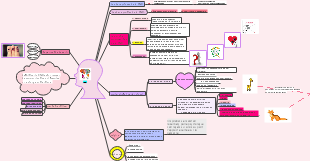
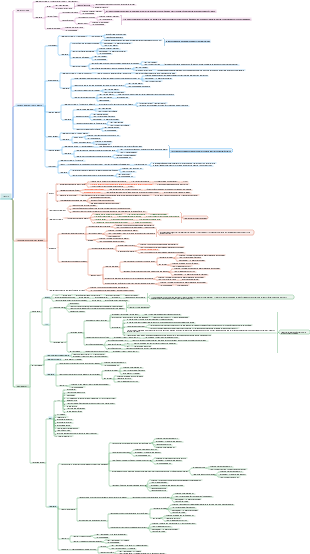
This is an article about the new Freud, where is the new? The mind map of the successors of psychoanalysis. Neo-Freudian theorists revised, supplemented and developed Freud's theory, making the psychoanalytic theory more complete and enriched.
Modifié à 2024-02-11 11:50:59Where is the new Freud? successors of psychoanalysis
An overview of neo-Freudianism
Definition: The theory and practice developed on the basis of Freud's psychoanalytic theory.
Purpose: To expand and revise Freud's original framework to accommodate new clinical observations and scientific discoveries.
Features: Remains faithful to Freud's theory while making modern modifications.
Main representatives and their contributions
anna freud
Contributions: Child Psychoanalysis.
Melanie Klein
Contribution: Object relations theory.
Heinz Kohut
Contributions: Self Psychology.
other characters
Wilfredo Beorn, Donald Winnicott, etc. have each developed and deepened their theories and treatment methods.
theory and practice
object relations theory
Focus: The impact of interpersonal relationships on individual psychological development.
self psychology
Focus: The process of self-development and self-identity.
child psychoanalysis
Focus: Child psychological development and therapy.
Clinical application
Understanding psychological mechanisms: Provides a different perspective on human behavior and emotional distress.
Treatment methods: A variety of treatment methods developed based on theory to target different psychological problems.
Personal choice and professional guidance
Personalized Treatment: Finding a treatment that suits your individual needs.
Professional Guidance: Guidance from a professional counselor may be required to suit individual circumstances.
Adler's theory of individual psychology
1. Overview of individual psychology
Definition: A branch of psychology that emphasizes social connections and the individual's pursuit of success or superiority.
Goal: Understand the underlying motivations of human behavior and how individuals strive to overcome disadvantages.
2. Core idea
Sense of Inadequacy: A feeling experienced by all humans arising from an individual's perception of their own inadequacies.
Compensation: Behavior by which an individual attempts to overcome or make up for the feeling of disadvantage.
Lifestyle: An individual's unique behavior and thinking patterns, formed in early childhood.
Social interest: An individual's concern and participation in social welfare, which Adler believes is the core of healthy psychology.
3. human development
Family structure: The impact of position and relationships in the family on individual psychological development.
Sense of merit: The sense of satisfaction gained by contributing to society is crucial to individual development.
4. mental health and illness
Mental health: achieved through meaningful social contribution and overcoming feelings of disadvantage.
Psychological disorders: Result from an individual's inability to adequately compensate for feelings of inferiority or lack of social interest.
5. treatment method
Encouragement techniques: Enhance individual self-esteem and self-confidence through encouragement.
Family Counseling: Addresses issues in the family structure and promotes healthier interactions.
Social interest cultivation: Help individuals develop interest in and participation in society.
6. Theoretical application
Education: Emphasizes the role of encouragement and social interest in student development.
The workplace: Promoting the importance of teamwork and social contribution.
Social Reform: Promoting more just and supportive social structures.
Jung's theory of personality analysis
1. Jungian Fundamentals of Analytical Psychology
Definition: A branch of psychology that explores the relationship between the conscious and subconscious minds.
Goal: Understand the underlying causes of individual behavior and psychological development.
2. Core idea
Personal subconscious mind: Contains memories and thoughts that have been suppressed or ignored by the individual.
Collective subconscious: Contains the memories and experiences shared by humans, expressed through myths, dreams, etc.
Ego: The center of consciousness, an individual’s understanding of himself and the outside world.
Personality archetypes: Universal symbols and images in the collective subconscious, such as heroes, shadows, animals, etc.
3. personality type
thinking type
Feeling type
Intuitive
Emotional
These types help understand how individuals process information and make decisions.
4. psychological development process
The process of individuation: the individual becomes his or her own unique self, integrating the conscious and subconscious minds.
Shadow work: Confronting and integrating negative elements in one’s subconscious mind.
Self-actualization: Reaching one's highest potential, usually occurring late in the individuation process.
5. Treatment and Application
Dream Analysis: Understand the subconscious mind by analyzing dreams.
Active Imagination: Using imagination and creative expression to explore and integrate subconscious content.
Individual therapy: Helps individuals identify and integrate different aspects of personality.
6. Theoretical impact
Influence on subsequent psychological theories: Jung's theory had a profound impact on depth psychology, humanistic psychology and other fields.
Application in the field of culture and art: Jung's concepts are widely cited and discussed in literature, art, film and other fields.
Anna's theory of ego psychology
1. contribute
development line
A framework for describing children's psychological and emotional development.
Theoretical focus
Child psychological development.
Understanding and application of defense mechanisms.
defense mechanism
Study of how individuals cope with psychological stress and conflict.
2. Theoretical application
clinical psychology
Provide theoretical basis for treating individual psychological problems.
developmental psychology
Understand the psychological development of humans from infancy to adulthood.
3. theoretical contribution
Insights into understanding human psychological development.
A variety of treatments and interventions are available.
Horney's theory of neurotic personality
1. An overview of Horney's theory of neurotic personality
Definition: A theory that explains how individuals cope with anxiety through different personality patterns.
Goal: Understand the dynamics of neurosis and pathways of personality development.
2. basic concept
Basic anxiety: derived from a discordant relationship between the individual and the environment, especially in early family life.
Neurotic Needs: Individuals attempt to cope with basic anxiety through these needs, which are often unrealistic or overemphasized.
3. neurotic personality type
Turning toward people: Coping with anxiety by seeking love and approval.
Detach from people: Protect yourself by avoiding conflict and alienation.
Resistance: Combating anxiety by demonstrating strength and dominance.
4. main idea
Self-actualization: True self-growth and development, the key to combating the development of neurosis.
True self and false self: The individual’s true self and the superficial self formed in response to social pressure.
5. treatment method
Psychoanalysis: Exploring early experiences and subconscious motivations to understand their impact on current behavior.
Self-analysis: Individuals learn to identify and understand their own behavioral patterns and the motivations behind them.
Interpersonal Therapy: Improve interpersonal skills, reduce anxiety and enhance quality of life.
6. Theoretical impact
Contribution to subsequent psychotherapy: Horney's theory emphasizes the role of sociocultural factors and interpersonal relationships in individual psychological development.
Psychology of Women: Horney's contribution to the psychology of women, particularly in exploring the impact of gender roles on individual development.
Sullivan's Interpersonal Psychoanalytic Theory
1. An overview of interpersonal psychoanalytic theory
Definition: Emphasis on the impact of interpersonal relationships on individual mental health and development.
Goal: Explain how individuals develop personalities and behavioral patterns through interpersonal interactions.
2. Core idea
Interpersonal relationships: interactions and connections between individuals and others.
Self-system: A set of behavioral patterns developed by individuals to avoid anxiety and maintain interpersonal safety.
Security: A psychological state achieved through interpersonal satisfaction and support, key to combating anxiety.
Anxiety: A state of psychological tension resulting from interpersonal disharmony or mismatch of social expectations.
3. development stage
Infancy: The importance of the mother-infant relationship, the formation of basic trust.
Childhood: Learning to role-play, initial development of interpersonal skills.
Adolescents: Identity crisis, seeking approval from peers, complications in interpersonal relationships.
Adulthood: the formation of deep interpersonal relationships and the pursuit of social contribution.
4. treatment method
Interpersonal therapy: Treating psychological disorders by improving interpersonal relationships.
Participant Observation: The therapist serves as an active participant and observer, helping the individual understand and improve interpersonal interactions.
5. Theoretical application
Social Psychology: The impact of Sullivan's theory on understanding group behavior and social structure.
Educational Psychology: Emphasizes the importance of healthy interpersonal relationships between teachers and students.
Organizational Psychology: Promoting effective interpersonal communication and teamwork in the workplace.
6. theoretical contribution
Emphasis on the role of interpersonal relationships in psychological development.
Provides an interpersonal framework for understanding and treating psychological disorders.
Klein's Psychodynamic Theory
1. An overview of interpersonal psychoanalytic theory
Definition: Emphasis on the impact of interpersonal relationships on individual mental health and development.
Goal: Explain how individuals develop personalities and behavioral patterns through interpersonal interactions.
2. Core idea
Interpersonal relationships: interactions and connections between individuals and others.
Self-system: A set of behavioral patterns developed by individuals to avoid anxiety and maintain interpersonal safety.
Security: A psychological state achieved through interpersonal satisfaction and support, key to combating anxiety.
Anxiety: A state of psychological tension resulting from interpersonal disharmony or mismatch of social expectations.
3. development stage
Infancy: The importance of the mother-infant relationship, the formation of basic trust.
Childhood: Learning to role-play, initial development of interpersonal skills.
Adolescents: Identity crisis, seeking approval from peers, complications in interpersonal relationships.
Adulthood: the formation of deep interpersonal relationships and the pursuit of social contribution.
4. treatment method
Interpersonal therapy: Treating psychological disorders by improving interpersonal relationships.
Participant Observation: The therapist serves as an active participant and observer, helping the individual understand and improve interpersonal interactions.
5. Theoretical application
Social Psychology: The impact of Sullivan's theory on understanding group behavior and social structure.
Educational Psychology: Emphasizes the importance of healthy interpersonal relationships between teachers and students.
Organizational Psychology: Promoting effective interpersonal communication and teamwork in the workplace.
6. theoretical contribution
Emphasis on the role of interpersonal relationships in psychological development.
Provides an interpersonal framework for understanding and treating psychological disorders.
Heinz Kohut's Self Psychology
1. psychological theory
Definition: A branch of psychology that seeks to explain human psychological development and behavior.
2. Self Psychology (Heinz Kohut)
Main concepts
Self: the integration of an individual's sense of self and experience.
Mirroring: Developing a sense of self-worth through parental feedback.
Idealization: Treating parents as ideal objects and internalizing their characteristics.
Identification process: Development of self through imitation and internalization.
Theoretical focus
Emphasis on the importance of self-structure.
The role of ego function in individual psychological development.