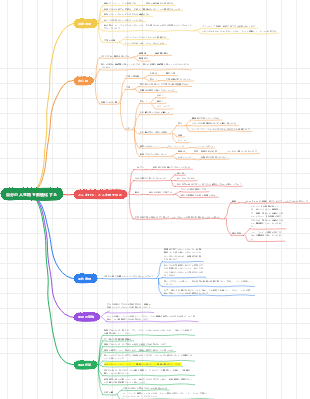
マインドマップギャラリー 快手ローカルライフサービス事業管理・エンパワーメントアーキテクチャテンプレート
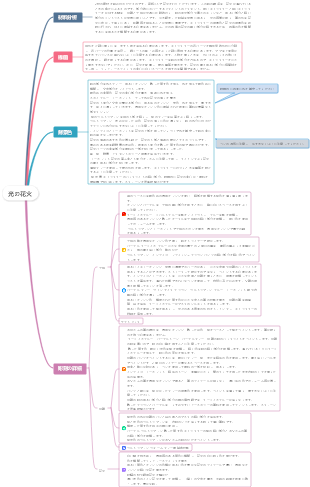
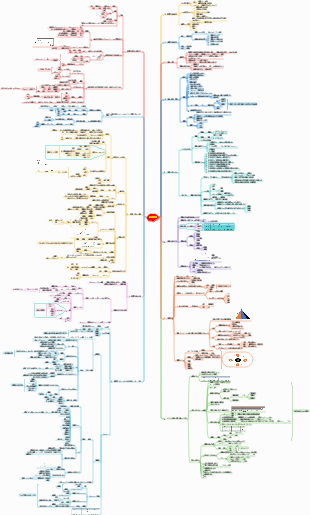
本資料は、快手のローカルライフサービス事業を多段階で育成し、プラットフォーム全体のエコシステムを最適化するためのアーキテクチャテンプレートです。コア戦略、販売・形態プロセス、評価指標、プラットフォーム運用、トレニング・サービス、アーキテクチャ強化の 6 つの柱で構成されます。 コア戦略では、Tier1~Tier3 の事業者を段階的に育成し、資本金や店舗数、NPS などの指標で成長を定量化します。販売・形態プロセスでは、アクティブ移行、適応判断、育成・推進、維持・育成の 4 段階で事業者を支援します。評価指標では、月次売上、GMV、満足度、コンバージョン率などの KPI を設定し、事業の健全性を測定します。 プラットフォーム運用では、重点都市戦略、コンテンツ戦略、データ分析、オペレーション最適化を実施し、トレニング・サービスではスキルアップとエコシステム強化を推進します。アーキテクチャ強化では、3 フェーズでアンリーズ、ツール、評価の最適化を行い、事業の持続的な成長を支援します。
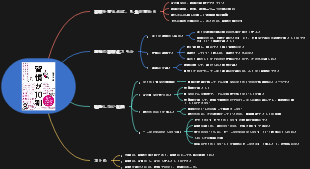
2026-03-02 17:09:19 に編集されましたThis is a flowchart illustrating the process of archiving monthly failure analysis reports and tracking the implementation of improvement measures. The diagram is structured into five main steps, each with specific tasks and sub-tasks.Monthly Report Collection & Organization: This step involves collecting failure analysis reports from various departments, reviewing them for completeness, and categorizing them by product, failure mode, and severity. Root Cause Analysis & Statistics: Here, the focus is on categorizing causes, analyzing trends, identifying root causes, and compiling statistics on high-frequency failure modes and key components. Improvement Measure Formulation & Assignment: This step includes formulating improvement measures, assigning responsibilities, and setting timelines for implementation.Measure Implementation Tracking & Verification: It involves tracking the progress of implementation, verifying effectiveness, and confirming issue closure.Knowledge Base Update & Monthly Report Output: The final step covers archiving reports, updating the knowledge base, and compiling monthly summaries.This template can be easily reused and adapted using tools like EdrawMind to suit different organizational needs.
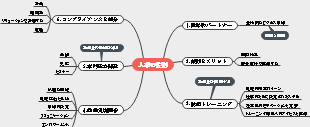
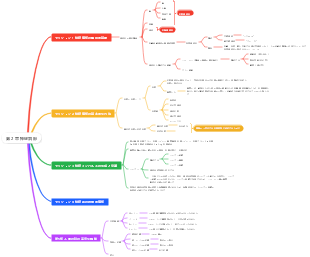
This is a timeline infographic detailing the annual product certification acquisition countdown process, structured into four sequential phases. The first phase, Certification Planning & Initiation, encompasses goal setting, timeline planning, resource preparation, defining specific certification objectives such as CCC/CE/FCC, formulating an annual plan with key milestones, and allocating necessary budget, personnel, and sample resources. Following this, the Application & Testing Phase involves material submission, coordination with certification agencies, core testing procedures, preparation of technical documents, application forms, and samples, selection of the appropriate certification agency, and execution of critical safety, EMC, and RF tests. The subsequent Rectification & Acquisition Phase focuses on addressing and rectifying any identified issues, re-verification processes, acquisition of the certificate, analysis of test issues, implementation of necessary fixes, and modification of samples for supplemental testing. Finally, the Countdown Monitoring phase emphasizes tracking progress, managing risks, monitoring remaining days and key milestones, managing time, technical, and cost risks, and maintaining effective internal and external communication throughout the process. This comprehensive template can be readily reused and adapted using tools like EdrawMind to meet diverse organizational requirements.
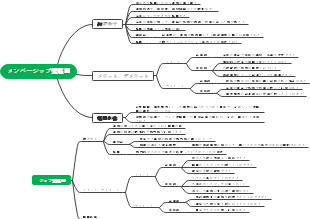
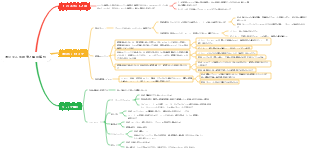
This is a flowchart detailing the weekly update and review plan for technical documents. The process is divided into six main stages, each with specific tasks and responsibilities. It begins with Weekly Planning, where the document scope is defined, update objectives are set, and schedules are arranged. Next, Document Updates involve maintaining various documents such as hardware design documents, test specifications, and BOM tables, alongside version control and archiving. Internal Review Preparation follows, focusing on compiling review materials, identifying participants, and setting agendas. The Review Meeting stage includes document examination, problem discussion, decision recording, and responsibility allocation. After the meeting, Review Feedback Processing takes place, involving issue tracking, document modification, quality checks, and closure verification. Finally, Output Deliverables are prepared, including official release versions, release notifications, review reports, and plans for the next week. This structured approach ensures systematic and efficient management of technical documents, and the template can be easily adapted using tools like EdrawMind.
This is a flowchart illustrating the process of archiving monthly failure analysis reports and tracking the implementation of improvement measures. The diagram is structured into five main steps, each with specific tasks and sub-tasks.Monthly Report Collection & Organization: This step involves collecting failure analysis reports from various departments, reviewing them for completeness, and categorizing them by product, failure mode, and severity. Root Cause Analysis & Statistics: Here, the focus is on categorizing causes, analyzing trends, identifying root causes, and compiling statistics on high-frequency failure modes and key components. Improvement Measure Formulation & Assignment: This step includes formulating improvement measures, assigning responsibilities, and setting timelines for implementation.Measure Implementation Tracking & Verification: It involves tracking the progress of implementation, verifying effectiveness, and confirming issue closure.Knowledge Base Update & Monthly Report Output: The final step covers archiving reports, updating the knowledge base, and compiling monthly summaries.This template can be easily reused and adapted using tools like EdrawMind to suit different organizational needs.
This is a timeline infographic detailing the annual product certification acquisition countdown process, structured into four sequential phases. The first phase, Certification Planning & Initiation, encompasses goal setting, timeline planning, resource preparation, defining specific certification objectives such as CCC/CE/FCC, formulating an annual plan with key milestones, and allocating necessary budget, personnel, and sample resources. Following this, the Application & Testing Phase involves material submission, coordination with certification agencies, core testing procedures, preparation of technical documents, application forms, and samples, selection of the appropriate certification agency, and execution of critical safety, EMC, and RF tests. The subsequent Rectification & Acquisition Phase focuses on addressing and rectifying any identified issues, re-verification processes, acquisition of the certificate, analysis of test issues, implementation of necessary fixes, and modification of samples for supplemental testing. Finally, the Countdown Monitoring phase emphasizes tracking progress, managing risks, monitoring remaining days and key milestones, managing time, technical, and cost risks, and maintaining effective internal and external communication throughout the process. This comprehensive template can be readily reused and adapted using tools like EdrawMind to meet diverse organizational requirements.
This is a flowchart detailing the weekly update and review plan for technical documents. The process is divided into six main stages, each with specific tasks and responsibilities. It begins with Weekly Planning, where the document scope is defined, update objectives are set, and schedules are arranged. Next, Document Updates involve maintaining various documents such as hardware design documents, test specifications, and BOM tables, alongside version control and archiving. Internal Review Preparation follows, focusing on compiling review materials, identifying participants, and setting agendas. The Review Meeting stage includes document examination, problem discussion, decision recording, and responsibility allocation. After the meeting, Review Feedback Processing takes place, involving issue tracking, document modification, quality checks, and closure verification. Finally, Output Deliverables are prepared, including official release versions, release notifications, review reports, and plans for the next week. This structured approach ensures systematic and efficient management of technical documents, and the template can be easily adapted using tools like EdrawMind.
快手ローカルライフサービス 事業者管理・エンパワーメントアーキテクチャテンプレート
一般原則
コア目標
標準化管理: 分類、評価、退出を標準化し、メインプラットフォームのエコシステムを維持強力なエンパワーメント:: 事業者のコア能力を強化し、商材開発、運用、パフォーマンスを向上 深化したコラボ: 効率的なチャネルを構築し、商材とユーザーのニーズに応える 拡大されたカバレッジ: 質の高いサービス事業者を引き寄せ、新規都市への進出に注力
適用範囲
快手ローカルライフサービスの全事業者に適用され、プラットフォームルールを遵守しながら全プロセスの管理・エンパワーメントをカバー
コア原則
公平性・公正性: データと実際のサービス能力に基づく 権利・義務の明確化: 権利と義務を明確化し、ルールを遵守 精密なエンパワーメント: 痛みポイントに対して差別的なサポートを提供 動的なイテレーション: 業務とフィードバックに基づいて定期的に最適化 コンプライアント運用: 法令とプラットフォーム規範を遵守
事業者階層管理アーキテクチャ
階層的評価動的管理適合者の生存
Tier 1 事業者
主要業務・活動を担当する
登録 1 年以上、資本金 100 万以上、協力チーム 20 人以上
主要業務・活動を担当:独立した強い拡大、業績向上、タレントリソースへのアクセス
指標:事業者満足度≥95%、苦情率≤1%、業績率≥99%
四半期平均スコア≥90 点、全コア指標達成
Tier 2 事業者
日常業務の実施を担当する
登録 6 か月以上、資本金 50 万以上、協力店舗 50 店以上
日常業務の実施を担当:良好な拡大、協力・運用・業績、基礎的な人材連携
指標:事業者満足度≥90%、苦情率≤3%、業績率≥97%
四半期平均スコア≥80 点、コア指標遵守率≥80%
Tier 3 事業者
基本的なサービス経験を蓄積する。
登録 3 か月以上、資本金 10 万以上、チーム 3 人以上、基礎的な店舗資源
基礎的なサービス経験を蓄積:拡大、協力・基礎的な運用・業績
指標:事業者満足度≥85%、苦情率≤5%、業績率≥95%
四半期平均スコア≥70 点、コア指標遵守率≥70%
アーキテクチャ実装・最適化メカニズム
実装ステップ
- Phase 1(1–2 週):テンプレート、ツール、評価レビュー - Phase 2(3–4 週):階層管理、コアコンテンツ、サポートチーム - Phase 3(1–3 か月):フルローンチ、フィードバック、クエリ最適化 - Phase 4(長期):通常運用、最適化、ベンチマーク、拡大
- 最適化メカニズム
- フィードバック:定期的なインプットを収集 - 四半期最適化:テンプレート更新 - 評価:半年に 1 回の評価 - ベンチマーク:ベストプラクティスを学ぶ
総合エンパワーメントシステム
プラットフォーム管理、運用サポート、トレーニング支援およびデータサービス。
プラットフォーム管理エンパワーメント(基本)
- コア目標:運用標準化、コスト削減、効率的コラボ、コンプライアンス確保. - コンプライアンス:ルール設定、定期チェック、違反アラート、是正指導 - コラボ:専用窓口、コラボツール、フィードバックへの同期 - コスト最適化:階層別コミッション割引、タスク補助、サプライチェーンサポート
運用サポートシステム(コア)
- コア目標:運用改善、ビジネス活性化、GMV 成長 - 商材開発:品質リード、ツール、活性化サポート - コンテンツ運用:テンプレート、ガイダンス、インフルエンサーリソース - トラフィックプロモーション:トレーニング、補助金、効果最適化 - 履行:基準、リソース、アフターサポート
トレーニングエンパワーメント(成長)
- コア目標:スキル強化、レベルアップ支援 - 階層別トレーニング:Tier 3(基礎)、Tier 2(中級)、Tier 1(上級). - カテゴリー別トレーニング:投資、履行、管理 - トレーニングサポート:プロ講師、教材、追跡・評価
データサービスエンパワーメント(精密)
- コア目標:精密なデータサポート、データドリブンな意思決定 - 階層別データアクセス:Tier 3(基礎)、Tier 2(中級)、Tier 1(上級) - コアデータサービス:業務レビュー、商材運用、トラフィックコンテンツ、市場ベンチマーキング - データサポート:オープンデータツール、データ分析・最適化指導
退出メカニズム
- 強制退出:評価不合格、重大違反、無効な資格 - 任意退出:15 日前に申請、引き継ぎ完了 - 退出後:サービス継続性確保、違反者はブラックリスト登録
評価結果の応用
- 優秀(≥90 点):昇格優先、補助金、コミッション削減 - 合格(70–89 点):レベル維持、的を絞ったサポート -不合格(<70 点):是正、効果なければ降格;2 回不合格で退出
評価サイクルと指標
- サイクル:四半期 + 年次レビュー;Tier 1 は月次特別評価 - コア KPI:事業者数、GMV、満足度、苦情、履行、コンプライアンス、タスク率
主な責任と権限
- 共同責任:規則に従い、誠実に営業を行い、加盟店を管理し、評価に協力し、アフターサービスの義務を履行する。 - 階層別の責任:レベル 1 は基準として指導し、レベル 2 は日常業務を処理し、レベル 3 は基礎を構築し協力する。
階層別権利・特典・責任
- Level 1:優先トラフィック、専用サポート、主要プロジェクト、コミッション割引、公式推奨 - Level 2: 基本トラフィック、標準サポート、補助的主要プロジェクト、定期的なコミッション - Level 3: エントリートラフィック、基本サポート、一般プロジェクト、標準コミッション、定期的な指導
評価・昇格プロセス
アクセス承認:通過後、自動的に Tier 3 事業者となる 初期評価:3 か月後に業務データに基づいてレベルを決定 四半期レビュー:評価に応じて昇格・降格・維持 結果公表:3 営業日以内、不服申立て・再審査可能