マインドマップギャラリー 州営電力網デジタルプラットフォーム「業務・技術融合」組織体制
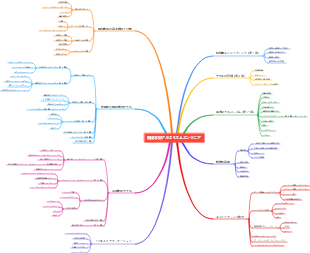
本組織体制は、州営電力網のデジタルプラットフォームを「業務・技術融合」のコアエンジンとし、4 つのチームが連携して運用されます。業務要件チームが現場の痛みポイントを把握して業務プロセスを最適化し、データガバナンスチームがデータ品質とセキュリティを管理して高付加価値なデータサービスを提供します。技術開発チームがシステムアーキテクチャの設計と安定的な実装を担い、プロモーション&サポートチームがユーザートレーニングや問題対応を通じてプラットフォームの価値を最大化します。各チームが役割を明確にしつつ連携することで、業務と技術の深度な融合を推進し、電力網のデジタルトランスフォーメーションを加速させます。
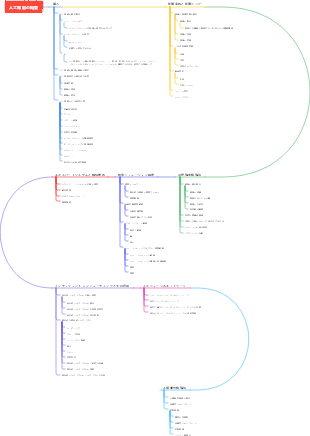
2026-03-05 09:22:30 に編集されましたThis template, created with EdrawMind, provides a structured workflow for weekly coordination meetings focused on MEP (Mechanical, Electrical, Plumbing) pipeline layout. It follows a four-stage cycle: starting with Issue Identification (Clash Detection) to detect pipeline conflicts, moving to Meeting Agenda preparation to define discussion topics, then On-site Discussion to review and resolve issues on the construction site, and finally Resolution & Update to document solutions and track progress. This template can be reused to standardize MEP coordination processes, ensuring clear communication, efficient problem-solving, and smooth construction progress.
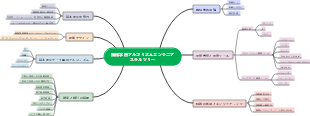
This template, created with EdrawMind, outlines a quarterly checklist for preparing materials for green building certification. It is divided into four sequential quarters: Q1 focuses on Basic Material Preparation, including collecting project approval documents and compiling self-assessment reports; Q2 covers Technical Data Improvement, such as organizing energy consumption calculation books and preparing green construction proof materials; Q3 involves On-site Inspection Preparation, including organizing construction process materials and verifying certification standards; and Q4 is for Formal Application, which includes completing online reporting and cooperating with expert on-site reviews. This template can be reused to systematically prepare for green building certification, ensuring all requirements are met and the process is efficient.
This template, created with EdrawMind, provides a comprehensive framework for daily monitoring of deep foundation pit construction. It covers six key monitoring areas: Retaining Wall Top Displacement, Settlement of Surrounding Buildings, Groundwater Level, Pit Bottom Heave, Support Axial Force, and Data Summary & Analysis. Each section specifies monitoring points, frequency, and warning values to ensure safety. The template can be reused to standardize monitoring practices, track structural stability, and trigger immediate alarms if warning thresholds are exceeded, thus mitigating risks during foundation pit construction.
This template, created with EdrawMind, provides a structured workflow for weekly coordination meetings focused on MEP (Mechanical, Electrical, Plumbing) pipeline layout. It follows a four-stage cycle: starting with Issue Identification (Clash Detection) to detect pipeline conflicts, moving to Meeting Agenda preparation to define discussion topics, then On-site Discussion to review and resolve issues on the construction site, and finally Resolution & Update to document solutions and track progress. This template can be reused to standardize MEP coordination processes, ensuring clear communication, efficient problem-solving, and smooth construction progress.
This template, created with EdrawMind, outlines a quarterly checklist for preparing materials for green building certification. It is divided into four sequential quarters: Q1 focuses on Basic Material Preparation, including collecting project approval documents and compiling self-assessment reports; Q2 covers Technical Data Improvement, such as organizing energy consumption calculation books and preparing green construction proof materials; Q3 involves On-site Inspection Preparation, including organizing construction process materials and verifying certification standards; and Q4 is for Formal Application, which includes completing online reporting and cooperating with expert on-site reviews. This template can be reused to systematically prepare for green building certification, ensuring all requirements are met and the process is efficient.
This template, created with EdrawMind, provides a comprehensive framework for daily monitoring of deep foundation pit construction. It covers six key monitoring areas: Retaining Wall Top Displacement, Settlement of Surrounding Buildings, Groundwater Level, Pit Bottom Heave, Support Axial Force, and Data Summary & Analysis. Each section specifies monitoring points, frequency, and warning values to ensure safety. The template can be reused to standardize monitoring practices, track structural stability, and trigger immediate alarms if warning thresholds are exceeded, thus mitigating risks during foundation pit construction.
州営電力網デジタルプラットフォーム「業務・技術融合」組織体制
業務・技術融合コアエンジン
業務要件チーム
要件調査と分析、痛みポイントの的確な把握
業務プロセスの整理と最適化設計
高品質な要件ドキュメントの作成と変更管理
データガバナンスチーム
データ標準の開発とデータ品質の全行程管理
データセキュリティ管理と資産インベントリ
高付加価値データサービスとサポートの提供
技術開発チーム
システムアーキテクチャ設計と技術選定
コア機能のコーディング、実装、パフォーマンス最適化
技術的課題の調査と解決、システム安定性の確保
プロモーション&サポートチーム
ユーザートレーニング、ローンチプロモーション、運用・メンテナンスサポート
問題フィードバックへの迅速な対応と処理
継続的な最適化提案の収集とイテレーションの推進