Wondershare EdrawMind
MindMap Gallery Canzone di chimica inorganica Edizione Tianyou Capitolo 13 Mappa mentale degli elementi della famiglia boro
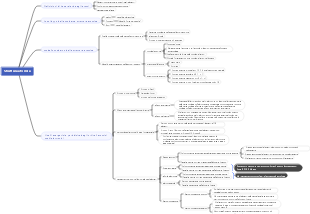
Canzone di chimica inorganica Edizione Tianyou Capitolo 13 Mappa mentale degli elementi della famiglia boro
Questa è una mappa mentale sul capitolo 13 Elementi del gruppo del boro. Il contenuto principale include: gallio, indio, tallio, elemento di alluminio e suoi composti, elemento di boro e suoi composti.
Edited at 2024-04-05 22:02:02
- Breve storia del tempo
Questa è una mappa mentale su una breve storia del tempo. "Una breve storia del tempo" è un'opera scientifica popolare con un'influenza di vasta portata. Non solo introduce i concetti di base della cosmologia e della relatività, ma discute anche dei buchi neri e dell'espansione dell'universo. questioni scientifiche all’avanguardia come l’inflazione e la teoria delle stringhe.
- Il coraggio di essere odiato
Dopo aver letto "Il coraggio di essere antipatico", "Il coraggio di essere antipatico" è un libro filosofico che vale la pena leggere. Può aiutare le persone a comprendere meglio se stesse, a comprendere gli altri e a trovare modi per ottenere la vera felicità.
- Appunti di lettura di Il coraggio di non piacere.
"Il coraggio di essere antipatico" non solo analizza le cause profonde di vari problemi nella vita, ma fornisce anche contromisure corrispondenti per aiutare i lettori a comprendere meglio se stessi e le relazioni interpersonali e come applicare la teoria psicologica di Adler nella vita quotidiana.
Canzone di chimica inorganica Edizione Tianyou Capitolo 13 Mappa mentale degli elementi della famiglia boro
- Breve storia del tempo
Questa è una mappa mentale su una breve storia del tempo. "Una breve storia del tempo" è un'opera scientifica popolare con un'influenza di vasta portata. Non solo introduce i concetti di base della cosmologia e della relatività, ma discute anche dei buchi neri e dell'espansione dell'universo. questioni scientifiche all’avanguardia come l’inflazione e la teoria delle stringhe.
- Il coraggio di essere odiato
Dopo aver letto "Il coraggio di essere antipatico", "Il coraggio di essere antipatico" è un libro filosofico che vale la pena leggere. Può aiutare le persone a comprendere meglio se stesse, a comprendere gli altri e a trovare modi per ottenere la vera felicità.
- Appunti di lettura di Il coraggio di non piacere.
"Il coraggio di essere antipatico" non solo analizza le cause profonde di vari problemi nella vita, ma fornisce anche contromisure corrispondenti per aiutare i lettori a comprendere meglio se stessi e le relazioni interpersonali e come applicare la teoria psicologica di Adler nella vita quotidiana.
- Recommended to you
- Outline