MindMap Gallery epithelial tissue
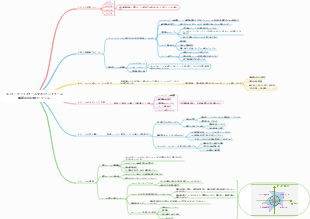
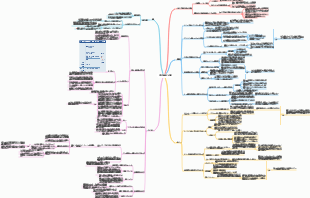
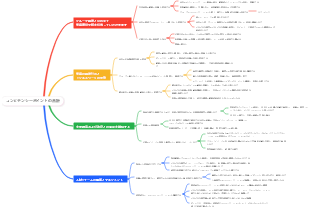
This is a mind map about epithelial tissue, including the main structural characteristics and functions, Covered epithelium, glandular epithelium and glands, The special structure of epithelial tissue, etc.
Edited at 2024-02-05 18:17:36Avatar 3 centers on the Sully family, showcasing the internal rift caused by the sacrifice of their eldest son, and their alliance with other tribes on Pandora against the external conflict of the Ashbringers, who adhere to the philosophy of fire and are allied with humans. It explores the grand themes of family, faith, and survival.
This article discusses the Easter eggs and homages in Zootopia 2 that you may have discovered. The main content includes: character and archetype Easter eggs, cinematic universe crossover Easter eggs, animal ecology and behavior references, symbol and metaphor Easter eggs, social satire and brand allusions, and emotional storylines and sequel foreshadowing.
[Zootopia Character Relationship Chart] The idealistic rabbit police officer Judy and the cynical fox conman Nick form a charmingly contrasting duo, rising from street hustlers to become Zootopia police officers!
Avatar 3 centers on the Sully family, showcasing the internal rift caused by the sacrifice of their eldest son, and their alliance with other tribes on Pandora against the external conflict of the Ashbringers, who adhere to the philosophy of fire and are allied with humans. It explores the grand themes of family, faith, and survival.
This article discusses the Easter eggs and homages in Zootopia 2 that you may have discovered. The main content includes: character and archetype Easter eggs, cinematic universe crossover Easter eggs, animal ecology and behavior references, symbol and metaphor Easter eggs, social satire and brand allusions, and emotional storylines and sequel foreshadowing.
[Zootopia Character Relationship Chart] The idealistic rabbit police officer Judy and the cynical fox conman Nick form a charmingly contrasting duo, rising from street hustlers to become Zootopia police officers!
epithelial tissue
Main structural features and functions
1. Many cells, regular shape, tight arrangement, little extracellular matrix
2. There is polarity. Cells are divided into free surface and basal surface.
3. Most are avascular and have sensory nerve endings
4. Epithelial tissue is divided into coated epithelium, glandular epithelium, etc., which have the functions of protection, absorption, secretion and excretion.
Covering epithelium
single layer epithelium
single layer squamous epithelium
Polygonal, oval-shaped nucleus, located in the center of the cell; adjacent cells are jagged.
single layer cuboidal epithelium
Polygonal, round core, centered, secretion and absorption
simple columnar epithelium
Goblet cells (with striated borders, good for intestinal absorption)
pseudostratified ciliated columnar epithelium
columnar (most, with numerous cilia on the free surface), spindle, cone, and goblet cells The positions of the nuclei are not at the same level, but the bases are all attached to the basement membrane
stratified epithelium
Stratified squamous epithelium
Basal cells are short columnar and are stem cells with the ability to proliferate and differentiate. The flat cells on the outermost layer gradually fall off
Stratified columnar epithelium
metastatic epithelium
surface cells, cover cells middle layer cells basal cells
When the bladder is empty, the cap cells take on a large cuboidal shape. When the bladder is full and expanded, the cap cells appear flat.
glandular epithelium and glands
Glandular epithelium: an epithelium composed of glandular cells that mainly performs secretory functions
Gland: an organ mainly composed of glandular epithelium
Exocrine glands: have ducts that discharge secretions into the tracheal cavity or body surface
Secretory part: often called acini, composed of a single layer of glandular cells with a lumen in the center
Glandular cells are mostly cone-shaped
serous cells
LM: The cytoplasm at the base is strongly basophilic and the top contains eosinophilic secretory granules. EM: RER at the base, GC and secretory granules in the supranuclear region
mucus cells
LM: Most of the cytoplasm is almost colorless and appears as foam or vacuoles. EM: RER, GC and rough myxocytes
Ducts: composed of single or stratified epithelium, some can also secrete or absorb water and electrolytes
Endocrine glands: no ducts, secretions enter the blood or lymph fluid
The special structure of epithelial tissue
free surface
Microvilli: Long rows of microfilaments
Cilia: longitudinally arranged microtubules
side
Tight junction (TJ) (zonules of atresia)
The top of the side of cells; more common in single column, single epithelium
Intermediate junction (IJ) (adhesive zonules)
On the top of the epithelial cells; there are filaments outside the cytoplasm, and there are thin layers of dense material and microfilaments in the cytoplasm, which form the terminal network (microvilli).
Desmosome (De)
Cadherin, anchoring protein, keratin filaments; developed in stratified squamous epithelium of skin susceptible to friction, esophagus, etc.
Gap junction (GJ) (communication connection)
The intercellular space is very narrow, and the columnar protein is called a connectosome (6 rod-shaped subunits); electrical impulses can be transmitted between cardiomyocytes, smooth muscle cells, and nerve cells; chemical information can be transmitted through this
basal surface
basement membrane
Placode: secreted by epithelial cells
transparent layer
Dense layer
Reticular plate: secreted by fibroblasts of connective tissue
mesh fiber
matrix
(a little collagen fiber)
Plasma membrane infoldings: common in renal tubules, etc.; LM: basal longitudinal striations; EM: long mitochondria
Hemidesmosomes: anchor epithelial cells to the basement membrane
Under the capillary endothelium, around muscle cells and some glial cells, the basement membrane consists only of the basal plate