Wondershare EdrawMind
Galería de mapas mentales Competencia Emocional del Medico
Competencia Emocional del Medico
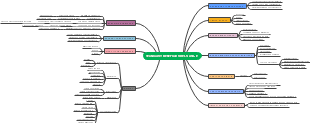
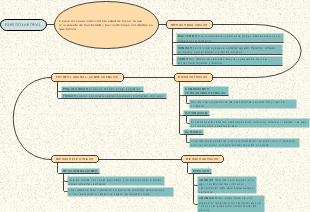
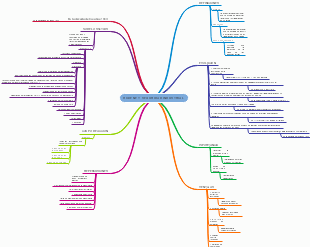
La motivación emocional es la respuesta emocional inmediata del médico en una situación médica y es la base de la normalidad y la salud de EB (hipótesis que se refieren al comportamiento emocional básico, Behavior emocional básico). Los patrones emocionales básicos de los médicos incluyen empatía, cuidado y paciencia, mientras que los patrones emocionales avanzados implican empatía más profunda, análisis tranquilos en la toma de decisiones y respeto por la privacidad del paciente. Estas dinámicas emocionales no solo afectan la calidad de la comunicación médico - paciente, sino que también están directamente relacionadas con la formulación e implementación del plan de tratamiento. Por lo tanto, cultivar y mantener la capacidad emocional de los médicos es crucial para mejorar la calidad de los servicios médicos y la satisfacción de los pacientes.
Editado a las 2021-06-30 17:30:42,
- PERSONALIDADES PERTINENTES
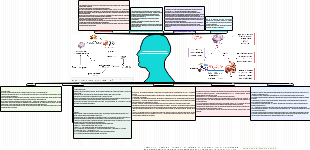
Los determinantes sociales como la cultura y la personalidad juegan un papel crucial en el comportamiento individual y la interacción social. Aunque la cultura guarda una relativa independencia respecto de quienes la practican, influye profundamente en la forma de pensar y actuar de las personas. La diferencia entre personalidad, neurosis y psicosis radica en que la personalidad es un patrón de comportamiento relativamente estable, la neurosis implica ansiedad y angustia emocional, y la psicosis implica trastornos mentales graves. El grupo familiar y los vínculos también desempeñan un papel importante en la formación de la personalidad y la salud mental, ya que el entorno familiar puede influir en el desarrollo emocional y las habilidades sociales de una persona.
- Competencia Emocional del Medico
La motivación emocional es la respuesta emocional inmediata del médico en una situación médica y es la base de la normalidad y la salud de EB (hipótesis que se refieren al comportamiento emocional básico, Behavior emocional básico). Los patrones emocionales básicos de los médicos incluyen empatía, cuidado y paciencia, mientras que los patrones emocionales avanzados implican empatía más profunda, análisis tranquilos en la toma de decisiones y respeto por la privacidad del paciente. Estas dinámicas emocionales no solo afectan la calidad de la comunicación médico - paciente, sino que también están directamente relacionadas con la formulación e implementación del plan de tratamiento. Por lo tanto, cultivar y mantener la capacidad emocional de los médicos es crucial para mejorar la calidad de los servicios médicos y la satisfacción de los pacientes.
Competencia Emocional del Medico
- PERSONALIDADES PERTINENTES
Los determinantes sociales como la cultura y la personalidad juegan un papel crucial en el comportamiento individual y la interacción social. Aunque la cultura guarda una relativa independencia respecto de quienes la practican, influye profundamente en la forma de pensar y actuar de las personas. La diferencia entre personalidad, neurosis y psicosis radica en que la personalidad es un patrón de comportamiento relativamente estable, la neurosis implica ansiedad y angustia emocional, y la psicosis implica trastornos mentales graves. El grupo familiar y los vínculos también desempeñan un papel importante en la formación de la personalidad y la salud mental, ya que el entorno familiar puede influir en el desarrollo emocional y las habilidades sociales de una persona.
- Competencia Emocional del Medico
La motivación emocional es la respuesta emocional inmediata del médico en una situación médica y es la base de la normalidad y la salud de EB (hipótesis que se refieren al comportamiento emocional básico, Behavior emocional básico). Los patrones emocionales básicos de los médicos incluyen empatía, cuidado y paciencia, mientras que los patrones emocionales avanzados implican empatía más profunda, análisis tranquilos en la toma de decisiones y respeto por la privacidad del paciente. Estas dinámicas emocionales no solo afectan la calidad de la comunicación médico - paciente, sino que también están directamente relacionadas con la formulación e implementación del plan de tratamiento. Por lo tanto, cultivar y mantener la capacidad emocional de los médicos es crucial para mejorar la calidad de los servicios médicos y la satisfacción de los pacientes.
- Recomendados
- Resumen