マインドマップギャラリー 「受験脳科学」マインドマップ
本書は、「学習」と「記憶」についての脳科学をテーマにした大衆科学読み物です。著者は「情報を効果的に記憶する方法」という問題に焦点を当て、脳科学の最先端の研究と実験を組み合わせて、人間の脳の「記憶と忘れ」の原理を一般的な方法で説明します。情報をフィルタリングして保存する人間の脳のメカニズムを理解するだけでなく、人間の脳のルールを柔軟に使用し、「脳を騙す」ことで「長期記憶の変換」を達成し、応用する記憶方法と戦略を教えます。人間の脳における情報の「理解と伝達」現象。 また、「記憶力の悩み」や「やる気のなさ」といった学習者の相談事例に対して、著者は脳科学や心理学の観点からも提言を行っている。本書は、高校受験、大学受験、大学院受験、公務員試験、職業資格試験など、さまざまな試験対策の参考書として、また日常の「効率的な記憶法」としても活用できます。仕事と勉強。
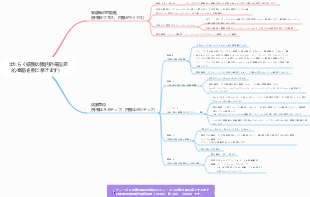
2024-04-12 17:02:28 に編集されましたThis template, created with EdrawMind, provides a structured workflow for weekly coordination meetings focused on MEP (Mechanical, Electrical, Plumbing) pipeline layout. It follows a four-stage cycle: starting with Issue Identification (Clash Detection) to detect pipeline conflicts, moving to Meeting Agenda preparation to define discussion topics, then On-site Discussion to review and resolve issues on the construction site, and finally Resolution & Update to document solutions and track progress. This template can be reused to standardize MEP coordination processes, ensuring clear communication, efficient problem-solving, and smooth construction progress.
This template, created with EdrawMind, outlines a quarterly checklist for preparing materials for green building certification. It is divided into four sequential quarters: Q1 focuses on Basic Material Preparation, including collecting project approval documents and compiling self-assessment reports; Q2 covers Technical Data Improvement, such as organizing energy consumption calculation books and preparing green construction proof materials; Q3 involves On-site Inspection Preparation, including organizing construction process materials and verifying certification standards; and Q4 is for Formal Application, which includes completing online reporting and cooperating with expert on-site reviews. This template can be reused to systematically prepare for green building certification, ensuring all requirements are met and the process is efficient.
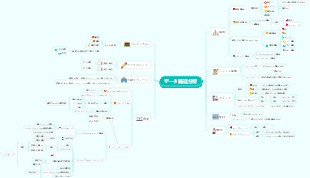
This template, created with EdrawMind, provides a comprehensive framework for daily monitoring of deep foundation pit construction. It covers six key monitoring areas: Retaining Wall Top Displacement, Settlement of Surrounding Buildings, Groundwater Level, Pit Bottom Heave, Support Axial Force, and Data Summary & Analysis. Each section specifies monitoring points, frequency, and warning values to ensure safety. The template can be reused to standardize monitoring practices, track structural stability, and trigger immediate alarms if warning thresholds are exceeded, thus mitigating risks during foundation pit construction.
This template, created with EdrawMind, provides a structured workflow for weekly coordination meetings focused on MEP (Mechanical, Electrical, Plumbing) pipeline layout. It follows a four-stage cycle: starting with Issue Identification (Clash Detection) to detect pipeline conflicts, moving to Meeting Agenda preparation to define discussion topics, then On-site Discussion to review and resolve issues on the construction site, and finally Resolution & Update to document solutions and track progress. This template can be reused to standardize MEP coordination processes, ensuring clear communication, efficient problem-solving, and smooth construction progress.
This template, created with EdrawMind, outlines a quarterly checklist for preparing materials for green building certification. It is divided into four sequential quarters: Q1 focuses on Basic Material Preparation, including collecting project approval documents and compiling self-assessment reports; Q2 covers Technical Data Improvement, such as organizing energy consumption calculation books and preparing green construction proof materials; Q3 involves On-site Inspection Preparation, including organizing construction process materials and verifying certification standards; and Q4 is for Formal Application, which includes completing online reporting and cooperating with expert on-site reviews. This template can be reused to systematically prepare for green building certification, ensuring all requirements are met and the process is efficient.
This template, created with EdrawMind, provides a comprehensive framework for daily monitoring of deep foundation pit construction. It covers six key monitoring areas: Retaining Wall Top Displacement, Settlement of Surrounding Buildings, Groundwater Level, Pit Bottom Heave, Support Axial Force, and Data Summary & Analysis. Each section specifies monitoring points, frequency, and warning values to ensure safety. The template can be reused to standardize monitoring practices, track structural stability, and trigger immediate alarms if warning thresholds are exceeded, thus mitigating risks during foundation pit construction.
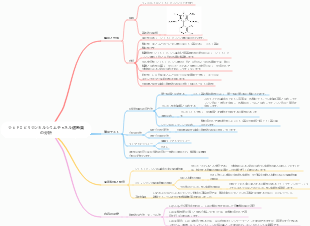
「受験脳科学」マインドマップ
脳科学における効率的な記憶方法
記憶力は繰り返しのトレーニングに依存します
記憶とは何ですか
記憶とは新しい神経回路の形成です
長期記憶と短期記憶に分けられる
海馬は、短期記憶が長期記憶になるかどうかを決定する責任があります。
判断基準は短期間に繰り返し言及されているかどうか
長期記憶は大脳皮質に保存される
繰り返し学習すると記憶力が向上する
科学的なペースでレビューする
1回目の復習:勉強2日目
2回目のレビュー:1回目のレビューから1週間後
3回目のレビュー:2回目のレビューから2週間後
4回目のレビュー:3回目のレビューから1か月後
出力を使用して入力を強制する
人間の脳はインプットよりもアウトプットを重視する
学習と復習はインプット、テストと試験はアウトプットです
記憶力を向上させる鍵
LTPは記憶の源です
LTP(長期増強)とは、海馬が刺激されるとニューロン間の結合が強化され、人々の記憶力も向上することを意味します。
LTPを生成するには海馬を繰り返し刺激する必要がある
LTPを奪われた動物は記憶を生成できないことが実験で判明
LTPを高める方法
好奇心を動かしてシータ波を刺激する
緊張、興奮、期待の状態にあるとき、シータ波が現れます。
飽きて同じものに興味がなくなるとシータ波は消えてしまいます。
シータ波が現れると記憶効率が10倍になる
気分の変動を利用して記憶を助ける
幸せなときは記憶力が良くなる
モーツァルト効果: モーツァルトの音楽は人々に幸福感を与え、学業成績を向上させることができます。
感動的な学習方法: 知識ポイントをストーリーに組み込むことで、人々が感情的になり、記憶に残りやすくなります。
圧力を下げる
ストレスはLTP生成を阻害する
ライオン記憶法
お腹を空かせて歩き、室温を下げると効果的に記憶力が向上します
グレリンは海馬のLTP生成を促すので、食前の勉強に適しています。
歩いたり、移動中の車に座ったりすると、シータ波が現れます。
室温が高すぎると、人の危機感が弱まり、脳の血行に影響を与え、思考力が低下します。
睡眠も学習の一部です
脳は睡眠時間を利用して情報を整理します
人が眠っている間、海馬は情報を分類し、調べます。
眠っていないと、海馬に情報を整理して選択する機会が与えられません。
海馬が整理する時間がなくなった情報は、整理されていないものとして破棄されます。
記憶回復現象
人間の脳は、覚えたばかりの知識に比べ、数日前に学習して整理された知識の方が使いやすいということです。
この現象が起こるということは、脳内の情報がうまく分類され、整理されていることを意味します。
1日の時間を有効に使える学習プラン
食事前の空腹は勉強に最適
寝る前も学習のゴールデンタイム
朝食と夕食後は、課外の本を読んだり、テレビを見たり、休憩したりできます。
昼寝ができる
昼寝前の時間もしっかり勉強しましょう。
脳の曖昧さを利用して学習メカニズムを最適化する
記憶が曖昧です
生存本能は記憶の性質が曖昧であると判断する
刻々と変化する現実に対処するには、過去の記憶に頼らなければなりません
刻々と変化する環境では、正確すぎる記憶は役に立たない知識になってしまいます。
例: 運悪くライオンに噛まれてしまった場合は、ある例から推測し、トラが危険であることを覚えておく必要があります。
段階的なアプローチ
人間の脳にとって、段階的に暗記することは効率的な学習方法です。
得意科目を優先して学習し、自分の強みを伸ばしましょう
能力転移現象: 1つのことを学んだ後、他のことを学ぶための基本的な能力が身につく
自分の弱点を特定したら、それを段階的に克服する必要もあります。
メソッドメモリを有効活用する
3種類の記憶
経験記憶
簡単に思い出せる、過去の経験に関連した記憶を指します。
知識記憶
機会がなければ思い出すのが難しい知識や情報の記憶を指します。
メソッドメモリ
練習を通じて習得しなければならない記憶を指します
メソッドメモリは拡張するメモリです
特定の知識ポイントや問題解決手順ではなく、原則とルールを覚えてください。
例: 語源を分析して単語を記憶する