マインドマップギャラリー 酵素の分子構造と機能
生化学、人間の健康第 9 版には、酵素の分類が含まれており、酵素の分子組成には酵素の活性中心である補因子が含まれることがよくあります。 アイソザイムなど
2024-02-08 16:43:46 に編集されましたThis template, created with EdrawMind, provides a structured workflow for weekly coordination meetings focused on MEP (Mechanical, Electrical, Plumbing) pipeline layout. It follows a four-stage cycle: starting with Issue Identification (Clash Detection) to detect pipeline conflicts, moving to Meeting Agenda preparation to define discussion topics, then On-site Discussion to review and resolve issues on the construction site, and finally Resolution & Update to document solutions and track progress. This template can be reused to standardize MEP coordination processes, ensuring clear communication, efficient problem-solving, and smooth construction progress.
This template, created with EdrawMind, outlines a quarterly checklist for preparing materials for green building certification. It is divided into four sequential quarters: Q1 focuses on Basic Material Preparation, including collecting project approval documents and compiling self-assessment reports; Q2 covers Technical Data Improvement, such as organizing energy consumption calculation books and preparing green construction proof materials; Q3 involves On-site Inspection Preparation, including organizing construction process materials and verifying certification standards; and Q4 is for Formal Application, which includes completing online reporting and cooperating with expert on-site reviews. This template can be reused to systematically prepare for green building certification, ensuring all requirements are met and the process is efficient.
This template, created with EdrawMind, provides a comprehensive framework for daily monitoring of deep foundation pit construction. It covers six key monitoring areas: Retaining Wall Top Displacement, Settlement of Surrounding Buildings, Groundwater Level, Pit Bottom Heave, Support Axial Force, and Data Summary & Analysis. Each section specifies monitoring points, frequency, and warning values to ensure safety. The template can be reused to standardize monitoring practices, track structural stability, and trigger immediate alarms if warning thresholds are exceeded, thus mitigating risks during foundation pit construction.
This template, created with EdrawMind, provides a structured workflow for weekly coordination meetings focused on MEP (Mechanical, Electrical, Plumbing) pipeline layout. It follows a four-stage cycle: starting with Issue Identification (Clash Detection) to detect pipeline conflicts, moving to Meeting Agenda preparation to define discussion topics, then On-site Discussion to review and resolve issues on the construction site, and finally Resolution & Update to document solutions and track progress. This template can be reused to standardize MEP coordination processes, ensuring clear communication, efficient problem-solving, and smooth construction progress.
This template, created with EdrawMind, outlines a quarterly checklist for preparing materials for green building certification. It is divided into four sequential quarters: Q1 focuses on Basic Material Preparation, including collecting project approval documents and compiling self-assessment reports; Q2 covers Technical Data Improvement, such as organizing energy consumption calculation books and preparing green construction proof materials; Q3 involves On-site Inspection Preparation, including organizing construction process materials and verifying certification standards; and Q4 is for Formal Application, which includes completing online reporting and cooperating with expert on-site reviews. This template can be reused to systematically prepare for green building certification, ensuring all requirements are met and the process is efficient.
This template, created with EdrawMind, provides a comprehensive framework for daily monitoring of deep foundation pit construction. It covers six key monitoring areas: Retaining Wall Top Displacement, Settlement of Surrounding Buildings, Groundwater Level, Pit Bottom Heave, Support Axial Force, and Data Summary & Analysis. Each section specifies monitoring points, frequency, and warning values to ensure safety. The template can be reused to standardize monitoring practices, track structural stability, and trigger immediate alarms if warning thresholds are exceeded, thus mitigating risks during foundation pit construction.
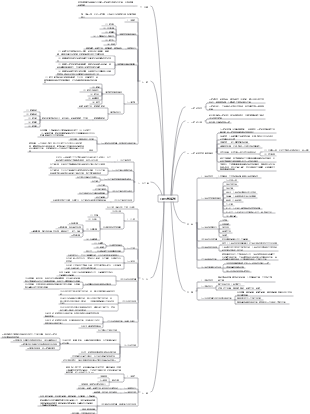
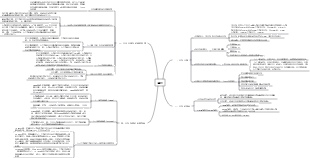
酵素の分子構造と機能
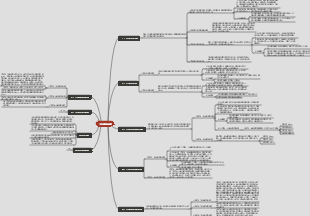
酵素の分類
酵素: 触媒機能を持つ生体高分子
オリゴメラーゼ: 非共有結合によって結合された複数の同一または異なるペプチド鎖 (つまり、サブユニット) で構成される酵素。
多酵素系 (多酵素複合体): 特定の代謝経路において、一連の連続反応を順番に触媒する、異なる触媒機能を持ついくつかの酵素が互いに集合して、構造的および機能的な全体を形成することがあります。
多機能酵素: ポリペプチド鎖は、複数の活性中心と異なる触媒機能を持つ酵素で構成されます。
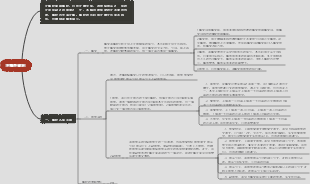
酵素の分子構成には補因子が含まれることが多い
酵素
単純酵素:加水分解後のアミノ酸成分のみを含み、他の成分を含まない酵素。
結合酵素
酵素タンパク質
反応の特異性とその触媒機構を決定する
補因子
反応の性質と種類を判断する
低分子有機化合物
金属イオン
補因子
補酵素
ほとんどの場合、非共有結合によって酵素タンパク質に結合しますが、この結合は比較的緩やかで、透析または限外濾過によって除去できます。
酵素反応では、補酵素は基質として作用し、プロトンまたは基を受け取り、その後酵素タンパク質から離れ、別の酵素反応に参加して、運ばれたプロトンまたは基を外に移送します。またはその逆も同様です。
義足ベース
d は酵素タンパク質と共有結合を形成し、強く結合しているため、透析や限外濾過による除去が困難です。
補欠分子族は、酵素反応中に酵素タンパク質から離れることができません。
効果
酵素反応では、主に電子、プロトン(または基)の移動に関与したり、キャリアとして機能したりします。
酵素活性中心
酵素分子内で基質に特異的に結合し、基質から生成物への変換を触媒できる特定の三次元構造を持つ領域を酵素の活性中心と呼びます。
酵素
オプションのグループ
必須グループ
アクティブセンター外の必須グループ
必須グループ
結合基
基質と補酵素を認識して結合し、酵素-基質の遷移状態複合体を形成します
触媒基
基質内の特定の化学結合の安定性に影響を与え、基質から生成物への反応を触媒します。
酵素の活性中心は三次構造と、疎水性基で囲まれた「疎水性ポケット」を持ち、酵素と基質の結合を促進します。
アイソザイム
同じ化学反応を触媒するが、異なる分子構造、物理的および化学的特性、さらには酵素タンパク質の免疫学的特性さえも持つ酵素のグループ。
組織細胞特有の特徴 組織細胞に病変がある場合、組織特異的アイソザイムが組織内に放出される可能性があり、これは臨床疾患の診断に役立ちます。