マインドマップギャラリー 2型糖尿病
これは、糖尿病の概念を紹介する 2 型糖尿病に関するマインド マップです。 疫学、 診断、 病因、合併症、治療など
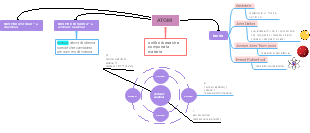
2024-01-30 11:02:28 に編集されましたThis template, created with EdrawMind, provides a structured workflow for weekly coordination meetings focused on MEP (Mechanical, Electrical, Plumbing) pipeline layout. It follows a four-stage cycle: starting with Issue Identification (Clash Detection) to detect pipeline conflicts, moving to Meeting Agenda preparation to define discussion topics, then On-site Discussion to review and resolve issues on the construction site, and finally Resolution & Update to document solutions and track progress. This template can be reused to standardize MEP coordination processes, ensuring clear communication, efficient problem-solving, and smooth construction progress.
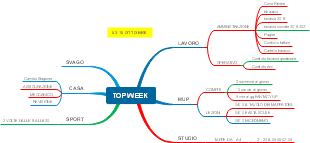
This template, created with EdrawMind, outlines a quarterly checklist for preparing materials for green building certification. It is divided into four sequential quarters: Q1 focuses on Basic Material Preparation, including collecting project approval documents and compiling self-assessment reports; Q2 covers Technical Data Improvement, such as organizing energy consumption calculation books and preparing green construction proof materials; Q3 involves On-site Inspection Preparation, including organizing construction process materials and verifying certification standards; and Q4 is for Formal Application, which includes completing online reporting and cooperating with expert on-site reviews. This template can be reused to systematically prepare for green building certification, ensuring all requirements are met and the process is efficient.
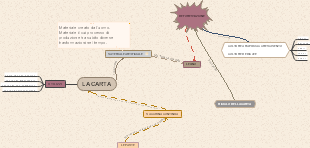
This template, created with EdrawMind, provides a comprehensive framework for daily monitoring of deep foundation pit construction. It covers six key monitoring areas: Retaining Wall Top Displacement, Settlement of Surrounding Buildings, Groundwater Level, Pit Bottom Heave, Support Axial Force, and Data Summary & Analysis. Each section specifies monitoring points, frequency, and warning values to ensure safety. The template can be reused to standardize monitoring practices, track structural stability, and trigger immediate alarms if warning thresholds are exceeded, thus mitigating risks during foundation pit construction.
This template, created with EdrawMind, provides a structured workflow for weekly coordination meetings focused on MEP (Mechanical, Electrical, Plumbing) pipeline layout. It follows a four-stage cycle: starting with Issue Identification (Clash Detection) to detect pipeline conflicts, moving to Meeting Agenda preparation to define discussion topics, then On-site Discussion to review and resolve issues on the construction site, and finally Resolution & Update to document solutions and track progress. This template can be reused to standardize MEP coordination processes, ensuring clear communication, efficient problem-solving, and smooth construction progress.
This template, created with EdrawMind, outlines a quarterly checklist for preparing materials for green building certification. It is divided into four sequential quarters: Q1 focuses on Basic Material Preparation, including collecting project approval documents and compiling self-assessment reports; Q2 covers Technical Data Improvement, such as organizing energy consumption calculation books and preparing green construction proof materials; Q3 involves On-site Inspection Preparation, including organizing construction process materials and verifying certification standards; and Q4 is for Formal Application, which includes completing online reporting and cooperating with expert on-site reviews. This template can be reused to systematically prepare for green building certification, ensuring all requirements are met and the process is efficient.
This template, created with EdrawMind, provides a comprehensive framework for daily monitoring of deep foundation pit construction. It covers six key monitoring areas: Retaining Wall Top Displacement, Settlement of Surrounding Buildings, Groundwater Level, Pit Bottom Heave, Support Axial Force, and Data Summary & Analysis. Each section specifies monitoring points, frequency, and warning values to ensure safety. The template can be reused to standardize monitoring practices, track structural stability, and trigger immediate alarms if warning thresholds are exceeded, thus mitigating risks during foundation pit construction.
糖尿病
コンセプト
さまざまな病気による代謝異常
炭水化物
脂肪
タンパク質
特徴: 慢性高血糖
インスリン分泌不足および/または機能不全
慢性多臓器損傷
機能不全や故障さえも
疫学
有病率 10.9% (2013 年)
前糖尿病
診断基準
空腹時血糖値:6.1~7.0
糖負荷2時間後:7.8~11.1
有病率 35.7%
5~10年後に見直す
1/3が糖尿病を発症
1/3をノーマル換算
1/3はIGTを維持
特徴
主にタイプ2
女性よりも男性の方が若干多い (11.1%: 9.6%)
民族の違い(満州族と漢族が多く、チベット族は4.3%低い)
都市は農村部よりも高い:経済発展は低開発よりも高い
大規模な未診断ベース: 63% (2013)
肥満および過体重の糖尿病患者の大幅な増加
認識率、治療率、コントロール率が低い
診断
WHO (1999) 基準
糖尿病の症状: 血糖値が常に 11.1 mmol/L (200 mg/dl) 以上
空腹時血糖値 (FPG) レベル >=7.0mmol/L (126mg/dl)
OGTT 検査において、2 時間血糖値 >=11.1mmol/L (200mg/dl)
毛細血管血糖ではなく静脈血糖に基づく
糖化ヘモグロビン(HbA1c)スクリーニング
結果は安定しています
食事の時間や短期的なライフスタイルの変化に影響されない
低い変動性
検査は無制限です
良好な患者コンプライアンス
過去 3 か月間の血糖コントロールを反映できます
病因
遺伝的要因
インスリン抵抗性
膵島B細胞機能欠陥
環境要因
扱う
スポーツ
効果
運動のアドバイス
予防
ダイエット
リーズナブルな食事
食べ物の推薦
薬
ビグアニデス
分泌促進剤
スルホニル尿素
グリニド
感作物質
αグリコシダーゼ阻害剤
ジペプチジルペプチダーゼIV阻害剤
ナトリウム-グルコース共輸送体2阻害剤
グルカゴン様ペプチド-1受容体アゴニスト
ガイドに沿った複合投薬プロセスの簡単な説明
簡単な紹介
自己監視
各時間帯の血糖検査の意義を説明する
糖尿病教育
合併症
微小血管合併症のメカニズム
高血糖と末期糖化生成物
強化されたポリオール代謝バイパス
ヘキソサミン経路の強化
プロテインキナーゼCの活性化
血行動態の変化
大血管合併症のメカニズム
インスリン抵抗性症候群は大血管疾患を引き起こす
炎症と免疫反応
内皮損傷
網膜症
危険因子
病因
臨床症状
推奨される治療法
糖尿病性腎症
機構
扱う
糖尿病性神経障害
機構
扱う