マインドマップギャラリー ピラミッド原理
ピラミッド原則とは、どのような問題を解決できるのか、その解決方法、ツールなどを紹介するマインドマップです。
2024-01-22 21:46:15 に編集されましたThis article discusses the Easter eggs and homages in Zootopia 2 that you may have discovered. The main content includes: character and archetype Easter eggs, cinematic universe crossover Easter eggs, animal ecology and behavior references, symbol and metaphor Easter eggs, social satire and brand allusions, and emotional storylines and sequel foreshadowing.
[Zootopia Character Relationship Chart] The idealistic rabbit police officer Judy and the cynical fox conman Nick form a charmingly contrasting duo, rising from street hustlers to become Zootopia police officers!
This is a mind map about Deep Analysis of Character Relationships in Zootopia 2, Main content: 1、 Multi-layer network of relationships: interweaving of main lines, branch lines, and hidden interactions, 2、 Motivation for Character Behavior: Active Promoter and Hidden Intendant, 3、 Key points of interaction: logic of conflict, collaboration, and covert support, 4、 Fun Easter eggs: metaphorical details hidden in interactions.
This article discusses the Easter eggs and homages in Zootopia 2 that you may have discovered. The main content includes: character and archetype Easter eggs, cinematic universe crossover Easter eggs, animal ecology and behavior references, symbol and metaphor Easter eggs, social satire and brand allusions, and emotional storylines and sequel foreshadowing.
[Zootopia Character Relationship Chart] The idealistic rabbit police officer Judy and the cynical fox conman Nick form a charmingly contrasting duo, rising from street hustlers to become Zootopia police officers!
This is a mind map about Deep Analysis of Character Relationships in Zootopia 2, Main content: 1、 Multi-layer network of relationships: interweaving of main lines, branch lines, and hidden interactions, 2、 Motivation for Character Behavior: Active Promoter and Hidden Intendant, 3、 Key points of interaction: logic of conflict, collaboration, and covert support, 4、 Fun Easter eggs: metaphorical details hidden in interactions.
ピラミッド原理
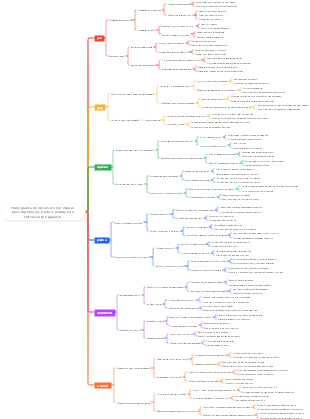
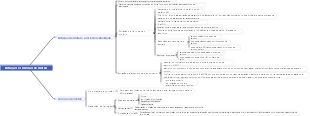
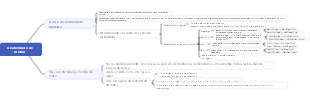
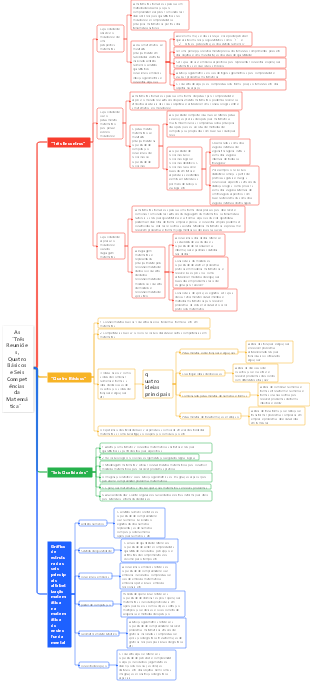
ピラミッド原則とは何ですか
ピラミッド原則は情報を管理する体系的な方法です
要点: 思考のプラットフォームを構築し、情報を体系的に管理し、思考、表現、行動を結び付けます。
ポイント: ネットワーク情報をツリー状のロジックに整理し、線形思考で表現する
どのような問題が解決できるでしょうか?の解き方?
1. 思考力を向上させる
結論を先に
明確にする必要がある
空にすることはできません
情報を整理する
時系列的に
空間的/構造的秩序
重要な順序
論理的演繹シーケンス
検査基準:MECE法
サポートする引数は重要ではないか省略されています
ステップ 1: まず、関連するアイデアを山に分割します。 ステップ 2: 時間、空間、重要性、演繹を使用してロジックを水平方向に整理します。 ステップ 3: 垂直方向に考えてテーマを要約します。 ステップ 4: MECE ルールを使用して、重複や漏れがないことを確認します。
2. 表現力の向上(口頭、書面)
最も重要なことは相手の認知的負荷を軽減することです
やり方:3つのポイント
1 つの目標: 質問を使用して断片的な情報を結び付ける
両方向
トップダウン: 質問に対する答えを見つける
ボトムアップ: 答えのある質問を見つける (つながりを見つけ、核心的な問題を特定する)
3つの原則
垂直: 各レベルの考えは、次のレベルの考えの要約である必要があります。
水平 1: 各グループのアイデアは同じ論理カテゴリに属している必要があります
水平方向 2: 各グループ内のアイデアは論理的な順序で編成する必要があります
人々の興味を引く方法: SCQA モデル
S:背景
背景を紹介することで、特定の部分に焦点を当てながら、聴衆との合意形成が容易になります。 一定の時間と空間の中で
C: 衝突
背景の対立を利用して課題を作り、そのトピックに対する聴衆の興味を呼び起こします。
Q: 問題(どうすればよいか)
問題を打破する
A: 答えてください
1. 物事を明確に説明するには、認知的負荷を最小限に抑える必要があります。 2. 認知的負荷を軽減するには、完全なコンテンツと明確な階層を備えた情報を提供する必要があります。 3. ピラミッド構造を構築することはできますが、1 つの目標、2 つの方向、3 つの原則の 3 つの点に注意する必要があります。 4. 他の人の興味を引きたい場合は、SCQA モデルを使用できます。
3. 問題の解決策を見つける
「空の傘」モデル
何を——》なぜ——》何をすべきか
1. 問題を定義する
2. 問題を解決する: 大胆な仮説を立て、慎重に検証する
3. 検証方法:具体的な構造に基づいて重要な問題を見つける
関連する方法とツール
A4紙のメモの取り方
ステップ 1: A4 用紙を見つけて前に置きます。 ステップ 2: 「思考をより論理的にする方法」など、左上隅のメモのトピックについて交渉します。 ステップ 3: 1 分以内に、頭に浮かんだ関連内容をすばやく書き留めます (4 ~ 6 ポイント、1 ポイントあたり 30 ワード以内)。
ヘ・ファンの三手
鮮明に書くことよりも明確に書くことが重要です
最初のヒント: 自然な各段落の最初の文は、この段落の中心的なアイデアでなければなりません。 2 番目のトリック: それぞれの自然な段落の後の文には、進行、並列、比較など、論理的な関係がなければなりません。 ヒント 3: 前の自然な段落の最初の文と次の自然な段落の最初の文の間には論理的な関係がなければなりません。 それが進行、並置、またはコントラストであっても。