Galerie de cartes mentales L'exploration du Concept de l'Environnement Naturel
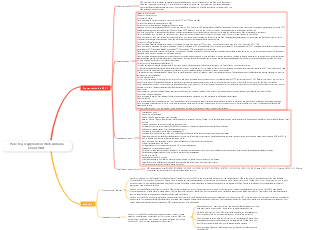
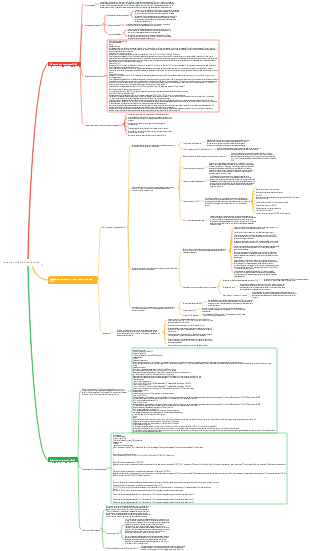
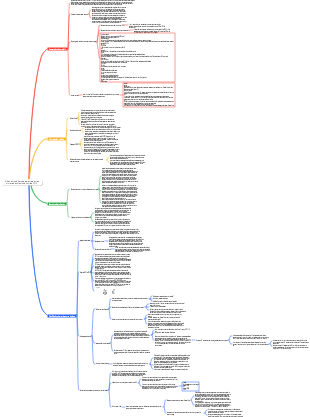
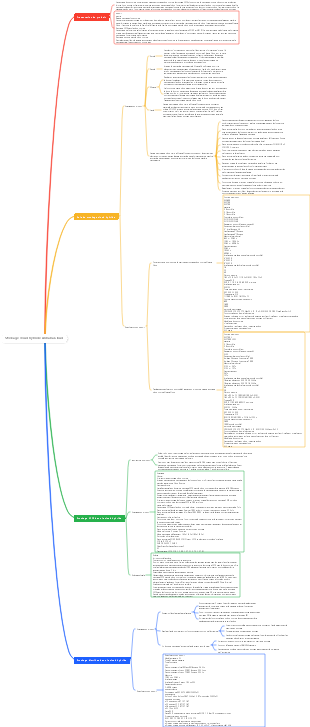
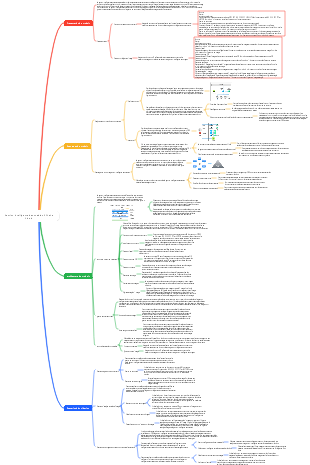
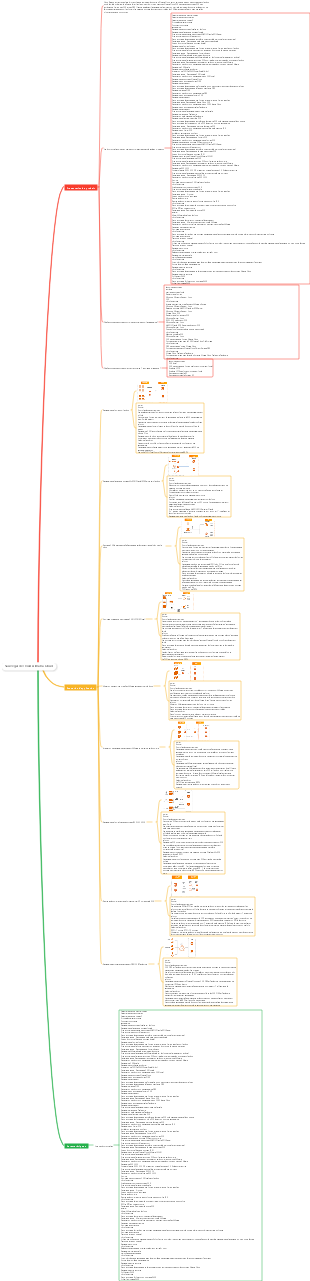
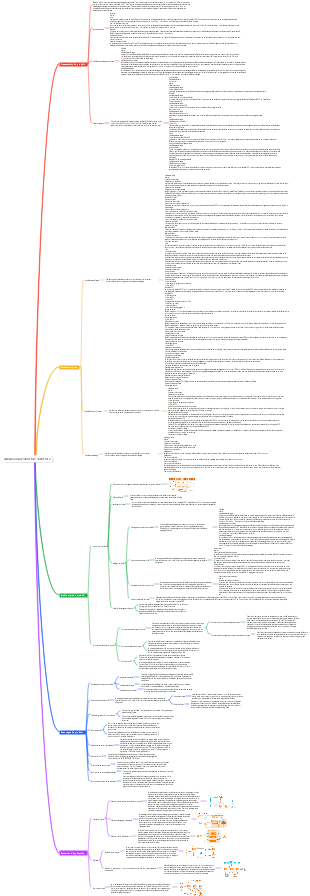
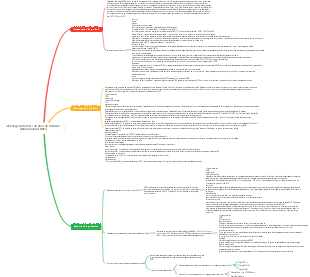
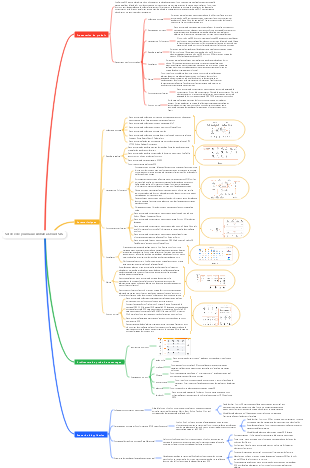
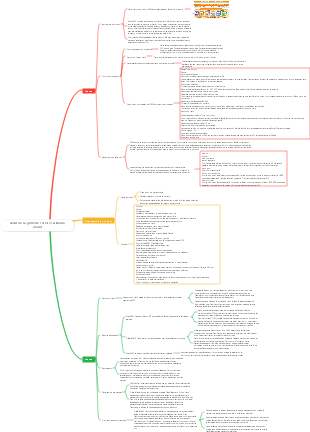
Cette carte mentale, créée avec EdrawMax, se concentre sur l'exploration du concept de l'environnement naturel. Elle détaille la définition fondamentale, les composants de l'environnement naturel, leurs relations, ainsi que les points de vue communs et les cadres logiques. Elle analyse également les applications et les types théoriques, et fournit un résumé des questions clés abordées. Ce diagramme offre une compréhension approfondie de la structure et de la dynamique de l'environnement naturel.
Modifié à 2025-10-23 12:37:42L'exploration du milieu naturels
Core Definition
Terminology Explanation
The term "milieu naturel" natural environment refers to any natural setting that ensures favorable conditions for the life of living beings without human intervention
It includes physical, chemical, and biological components interacting to maintain life sustainability
Core Concept
A natural environment is an ecosystem where biotic living and abiotic nonliving components coexist and interact dynamically
It supports life processes by offering food, shelter, reproduction zones, and necessary conditions like water and oxygen
The concept emphasizes autonomy from direct human manipulation, highlighting natural ecological balance
Core Concept
A natural environment is an ecosystem where biotic living and abiotic nonliving components coexist and interact dynamically
It supports life processes by offering food, shelter, reproduction zones, and necessary conditions like water and oxygen
The concept emphasizes autonomy from direct human manipulation, highlighting natural ecological balance
Components of a Natural Environment
Biotic Components Les êtres vivants
Include all living organisms present in the environment such as plants, animals, insects, fungi, and microorganisms
Example from the pond ecosystem
Birds like "Canard" duck
Fish species "Carpe" carp, "Brochet" pike, "Linnée"
Insects like "Libellule" dragonfly, "Moustique" mosquito, and their larvae "Larves"
Amphibians or reptiles "Grenouille" frog
Other aquatic animals "Nénuphar" water lily plants that provide habitat
Abiotic Components Les composants abiotiques
Physical and chemical elements such as water, soil, temperature, sunlight, oxygen, minerals, and nutrients that shape the environment
For example, water quality and temperature in the pond determine which species can thrive
Relationships Between Components
Food Chains and Food Webs
Living organisms are linked by feeding relationships, where one species serves as food for another
In the pond ecosystem
Mosquito larvae serve as food for fish like carp or pike
Dragonflies Libellule prey on mosquitoes
Ducks feed on aquatic plants and small fish or insects
These interactions maintain population balance and energy flow
Habitat and Shelter Relationships
Plants like water lilies Nénuphar provide shelter and breeding grounds for fish and insects
Frogs require underwater and land zones to complete their life cycle
Competition and Symbiosis
Different species may compete for food, space, or mates
Symbiotic relationships, such as between certain aquatic plants and microbes, enhance nutrient cycling
Structural Unity Commun to All Living Beings
Shared Biological Features
All organisms in a natural environment share basic requirements water, oxygen, nutrients and life processes growth, reproduction, metabolism
Cellular structure is a unifying trait
Ecological Niches
Each species occupies a distinct ecological niche, a specific role or position in the environment, which minimizes direct competition
For example, fish species may feed at different water depths or on different prey types
Population Dynamics
Populations fluctuate in size according to resource availability, predation, and environmental factors
The structural unity incorporates adaptability and diversity to sustain ecosystem resilience
Case Study Pond Ecosystem Étang
Visual Representation
The pond ecosystem shown includes a variety of animal species and plants, illustrating biodiversity in a confined natural habitat
Application
Understanding each species’ role helps in conservation efforts and managing water quality
For example, controlling mosquito populations affects predatorprey balances
Ecosystem Services
The pond supports biodiversity, water filtration, carbon storage, and provides food and habitat for many species
Human Interaction Impact
Though natural, such ecosystems can be influenced by human activity indirectly pollution, climate change
Understanding natural relationships is crucial for minimizing negative impacts
Derivation and Logical Framework
Starting Point Observation of Natural Settings
Identify all components visible flora, fauna, water, soil
Classification of Components
Separate into living biotic and nonliving abiotic groups
Mapping Interactions
Unifying Conceptual Model
Ecosystem – a community of organisms and their physical environment interacting as a system
Application of Ecological Principles
Energy flow sunlight → plants producers → herbivores → carnivores
Nutrient cycling decomposition by microbes returns nutrients to plants
Comparative Analysis with Artificial Environments
Natural vs Artificial Environments
Artificial environments are created or heavily modified by humans urban areas, farms
Natural environments function autonomously, maintaining equilibrium without human management
Differences in Biodiversity
Natural environments usually harbor greater species diversity and more complex interactions
Artificial environments often simplify ecosystems and may introduce invasive species
Management and Conservation Perspectives
Understanding natural environmental components aids restoration of degraded habitats
Artificial environments may simulate natural conditions but lack full ecological functions
Broader Applications and Interdisciplinary Links
Ecology and Environmental Science
Study of natural environments informs biodiversity protection and ecosystem services evaluation
Biology and Zoology
Species identification, life cycles, and behavior analysis occur within natural environments
Geography and Earth Sciences
Physical features like water bodies shape natural habitats
Education and Awareness
Teaching about natural environments raises awareness of human dependence on ecological balance
Policy and Sustainability
Protecting natural environments ensures longterm viability of natural resources for society
Summary of Key Questions Addressed
What are the components of a natural environment?
Biotic and abiotic parts that together sustain life
What are the relationships between these components?
Food chains, competition, habitat provision, and symbiosis
What is the common structural unity across living beings?
Shared basic life requirements, ecological niches, and adaptive mechanisms
1 The natural environment encompasses all living and nonliving things occurring naturally, including ecosystems, wildlife, and landscapes that sustain life
2 Biodiversity is vital within the natural environment, contributing to ecological balance and providing resources like food, medicine, and clean water
3 Climate change poses significant threats to the natural environment, impacting weather patterns, species survival, and habitats worldwide
4 Conservation efforts aim to protect endangered species and restore damaged ecosystems, ensuring the sustainability of the natural environment for future generations
5 Human activities, such as deforestation and pollution, dramatically alter the natural environment, leading to habitat loss and declining species populations
6 The natural environment offers recreational opportunities, promoting mental and physical health through activities like hiking, birdwatching, and nature photography
7 Education about the natural environment fosters awareness and encourages sustainable practices, helping individuals make informed decisions regarding their ecological footprints
8 Stronger policies and global cooperation are essential for safeguarding the natural environment, ensuring collective action against environmental degradation and climate change
Découvrire des êtres vivants du sol dans le sol