 Wondershare EdrawMind
マインドマップギャラリー プロジェクト管理システムのフレームワークに関する完全な知識
- 8
プロジェクト管理システムのフレームワークに関する完全な知識
システム知識の帰納とシステム知識分析を含む、PMBOK プロジェクト管理 PMP 知識システムの完全版。いいね、収集大歓迎です!
2024-03-19 16:19:09 に編集されました
- おすすめ
- アウトライン


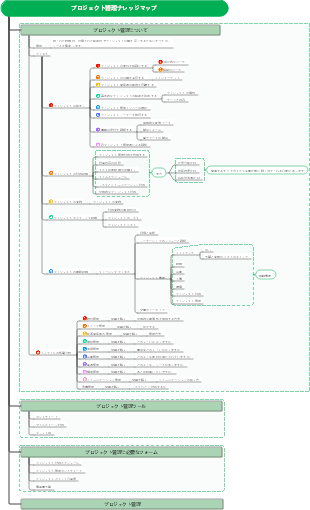
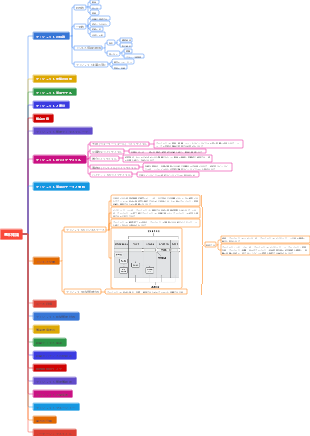
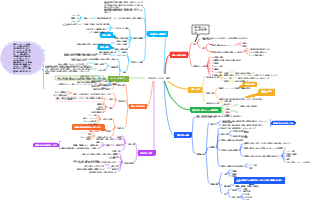

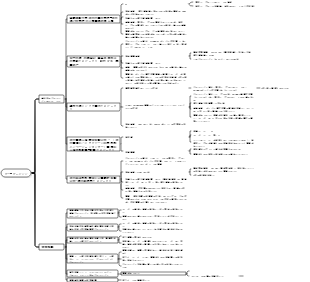
プロジェクト管理システム フレームワークの完全な知識
システム知識のまとめ
システム知識分析
プロジェクトとプロジェクト管理
プロジェクト
意味
プロジェクトとは、独自の製品、サービス、または成果を生み出すために行われる一時的な作業です
特性
目的
プロジェクトは、特定のリソース、方法、手段を通じて目標を達成するために実行されます。
一時的
生み出さなければならない独自かつ許容可能な結果、製品、またはサービスの機能
進歩的な詳細
すべての作業やタスクを最初から計画できるわけではありません。プロジェクトが進行するにつれて、それぞれの進捗状況やアクティビティが継続的に改良されていきます。
リソースの制約
三重制約
範囲
スケジュール
料金
プロジェクトが異なれば優先順位も異なります
3 つの主要な制約
リソース
危険
品質
プロジェクト管理
意味
プロジェクト管理は、プロジェクトのニーズを満たすために、知識、スキル、ツール、テクニックをプロジェクト活動に適用することです。
管理
整理する
プロジェクトマネージャー
プロジェクトの目標を達成するためにチームを率いるために、実行組織によって任命された個人
運用管理者
業務運営の効率性を確保する責任を負う
機能マネージャー
特定の領域または事業部門の経営監視に重点を置く
プロジェクト管理室 (PMO)
協力的な
制御する
コマンドの種類
ポートフォリオ、プログラム、プロジェクト、サブプロジェクト
プログラム
個別に管理した場合には得られない利点を達成するために、調整された方法で管理される、相互に関連するプロジェクト、サブプログラム、およびプログラム活動のセット
プログラムとプロジェクトの管理は、プログラムとプロジェクトを正しい方法で実施することに重点を置いています
プロジェクト セット間に依存関係がある
ポートフォリオ
戦略的目標を達成するために一緒に管理されるプロジェクト、プログラム、サブポートフォリオ、およびオペレーションの集合
ポートフォリオ、プロジェクト管理は、適切なプログラムとプロジェクトの開発に重点を置きます
プロジェクト ポートフォリオ間に依存関係はありません
プロジェクト、プログラム、ポートフォリオのいずれであっても、それらはすべて組織戦略を実装するために設計されています。 プロジェクト<プログラム<プロジェクトポートフォリオ<戦略
組織ガバナンスとプロジェクトガバナンス
組織ガバナンスの枠組み
ルール
ポリシー
プログラム
仕様
関係
システム
プロセス
組織構造のタイプ
構造タイプ
機能的
意味
この組織構造を採用する場合、プロジェクトは 1 つの部門が主体となり、1 つの部門が複数のプロジェクトを担当することになります。したがって、プロジェクト メンバーは 2 人になります。 。 主要。
該当する状況
主に 1 つの部門で完了するプロジェクトや、比較的成熟した技術を持つプロジェクトに適しています。
アドバンテージ
プロジェクト業務の主体を機能部門とすることで、機能部門のリソース集中のメリットを最大限に発揮することができ、プロジェクトに必要なリソースの供給とプロジェクト成果物の品質を確保し、プロジェクトの柔軟性を高めることができます。人員の使用。
機能部門内の技術専門家を部門が実施するさまざまなプロジェクト間で共有できるため、人的資源の節約とリソースの無駄が削減されます。
同じ部門内の専門家は、簡単にコミュニケーションを取り、相互にサポートできるため、技術的な問題を創造的に解決するのに非常に役立ちます。同じ部門の専門家は知識や経験を簡単に交換でき、プロジェクト メンバーはキャリアの継続性と安全性を確保できます。
プロジェクト メンバーがプロジェクトから異動したり退職したりした場合、そのメンバーが所属する機能部門は、プロジェクト テクノロジーの継続性を維持するために追加の人員を割り当てることができます。
プロジェクト メンバーは、プロジェクトの完了と自分の部門の機能的な作業の完了を統合できるため、プロジェクトの一時的な性質によってプロジェクト メンバーに生じる不確実性を軽減できます。
欠点がある
顧客と機能部門の利益の間には、しばしば矛盾が生じます。機能部門は、自分の部門の利益のために顧客のニーズを無視し、自分の機能部門の活動のみに焦点を当てます。プロジェクトと顧客の利益は考慮されないことがよくあります。優先度;
プロジェクトを完了するために複数の機能部門が必要な場合、または 1 つの機能部門内で完了する必要があるプロジェクトが複数ある場合、リソースのバランスに問題が発生します。
プロジェクトを複数の部門で完了する必要がある場合、権限の分割はさまざまな機能部門間のコミュニケーション、団結、協力に役立ちません。プロジェクト マネージャーには、プロジェクトの進行状況を管理する十分な権限がありません。
プロジェクト メンバーは依然として管理上、各機能部門のリーダーに従属しています。プロジェクト マネージャーは、プロジェクト メンバーに対する完全な権限を持っていません。プロジェクト マネージャーは、プロジェクト メンバーの懸念を解消するために、機能部門と継続的にコミュニケーションをとる必要があります。
プロジェクトの種類
意味
プロジェクトベースの組織構造では、プロジェクト マネージャーはプロジェクトのリソースを制御する十分な権限を持っています。プロジェクト メンバーは 1 人のリーダーに直属します
該当する状況
先駆的なプロジェクトや、スケジュール、コスト、品質などの要件が厳しいプロジェクトなど、比較的リスクの高いプロジェクトに適しています。人材が不足している企業や規模の小さい企業には適していません。
アドバンテージ
プロジェクト マネージャーはプロジェクトに対して全責任を負い、プロジェクトのニーズに応じて社内または社外のリソースを自由にプロジェクトに動員できます。
プロジェクト型組織は、単一の目標を持ち、プロジェクトを中心に業務を整理するため、意思決定のスピードが速くなり、プロジェクトチームのチームスピリットを最大限に発揮できます。 、これはプロジェクトのスムーズな完了に役立ちます。
プロジェクト マネージャーがプロジェクト メンバーに対するすべての権限を持ち、プロジェクト メンバーはプロジェクト マネージャーに対してのみ責任を負います。これにより、プロジェクト メンバーが複数のリーダーの下に置かれ、機能的なプロジェクト組織の下で途方に暮れる状況が回避されます。プロジェクト マネージャーが本物です。そしてプロジェクトの唯一のリーダー。
組織構造がシンプルで運営しやすいです。プロジェクトメンバーは同じ部門に直接所属しており、メンバー間のコミュニケーションが簡単かつ迅速に行えるため、コミュニケーション効率が向上し、意思決定が迅速化されます。
欠点がある
プロジェクトベースの組織では、あるプロジェクトの専用リソースが空いたとしても、同時に実行されている他の同様のプロジェクトにリソースを適用することはできません。ある程度の資源の無駄を引き起こす。
社内の独立したプロジェクトベースの各組織は比較的閉鎖的な環境にあり、会社のマクロ方針やガイドラインを完全かつ真に実行することは難しく、会社の長期的な発展に影響を与える可能性があります。
プロジェクトベースの組織では、プロジェクトが完了すると、プロジェクト メンバーは別のプロジェクトに送られるか、解雇されます。プロジェクト メンバーにとっては、キャリアの継続性や安全性が欠如しています。
プロジェクトは細分化されており、プロジェクト間の情報交換が不足しているため、プロジェクト メンバーの作業が不均等になります。
マトリックス型
意味
プロジェクトのニーズに応じて、各部門から適切なプロジェクト担当者を選出し、一時的なプロジェクトチームを編成します。プロジェクト完了後、プロジェクトチームは解散し、各メンバーは元の部門に戻ります。マネージャーは仕事を報告します。
該当する状況
標準化された管理と明確な分業やプロジェクトを機能別部門にまたがる企業に適しています。
アドバンテージ
専任のプロジェクト マネージャーがプロジェクト全体に責任を負い、プロジェクトに重点を置き、問題を迅速に解決します。最短の時間で人材を割り当て、チームを形成し、さまざまな役割を持つ人材をまとめます。
マトリックス管理では、複数のプロジェクトがさまざまな機能部門のリソースを共有でき、人的リソースがより効果的に活用され、冗長性が削減されます。
それはプロジェクトの目標の実現と会社の目標と方針の実施に役立ちます。
プロジェクトメンバーになった後も、解雇される心配なく元の職能部門に戻れるほか、自社の別部門と接触する機会も増えるため、プロジェクトメンバーの不安が軽減されます。
欠点がある
機能マネージャーとプロジェクトマネージャーの間で権力の衝突が起こりやすいです。
リソースの共有により、プロジェクト間で競合が発生する可能性があります。
プロジェクトメンバーには複数のリーダーがいます。つまり、従業員は二重のリーダーシップを受け入れる必要があるため、不安やストレスを抱えることがよくあります
プロジェクト管理室 (PMO)
意味
戦略的目標を達成するために、ポートフォリオ、プログラム、プロジェクト管理を組織の推進力と統合するフレームワークは、組織が適切なプロジェクトに取り組み、主要なリソースを適切に割り当てられるように設計されています。これは、組織のすべてのレベルが戦略的ビジョンを理解するのに役立ちます。ビジョンを裏付ける組織、取り組み、目標、および支払われる成果。
協力的な
制御する
コマンドの種類
プロジェクトの関係者
意味
プロジェクトの決定、活動、または結果に影響を与える可能性のある個人、グループ、または組織だけでなく、プロジェクトの決定、活動、または結果によって影響を受ける、または影響を受けると考えられる個人、グループ、または組織を指します。
ソース
社内の利害関係者
スポンサー
リソースマネージャー
プロジェクト管理室 (PMO)
プロジェクト組織運営委員会
プログラムマネージャー
他のプロジェクトのプロジェクトマネージャー
チームメンバー
外部の利害関係者
クライアント
エンドユーザー
サプライヤー
株主
監督当局
競合他社選手
プロジェクトマネージャーの役割
意味
プロジェクトの結果に責任を持つ
スポンサー
なぜ
プロジェクトマネージャー
何
どうやって
いつ
どこ
いくら
運用管理者
どのように感じるか
音域
プロジェクトチーム
整理する
業界
選考科目
リーダーシップ
技術プロジェクト管理
戦略とプロジェクト管理
クロスドメイン
能力
PMI タレント トライアングル
技術的なプロジェクト管理能力
関連する症状
価値観を核にプロジェクトを実行する
経営コミュニケーション
リスクの評価と管理
ステークホルダーの参加
予算とリソースを計画および管理する
進捗を計画および管理する
品質の企画・管理
企画・運営範囲
統合されたプロジェクト計画
統合を実行する
プロセスレベルでの統合
49工程
認知レベルの統合
ビュー
コンテキストレベルの統合
文化
地域差
変更の管理
調達の計画と管理
プロジェクト成果物の管理
適切な方法論を決定する
プロジェクトのガバナンス構造(チーム、コミュニケーションメカニズム、権利と責任などを含む)を確立する
プロジェクトの問題を管理する
マネジメントプロジェクトの知識蓄積と経験
クロージングの計画と管理
戦略的および経営管理能力
関連する症状
プロジェクトのコンプライアンスと実現可能性を計画および管理する
プロジェクトのメリットと価値を提供する
環境変化を評価して対処する
組織変革を支援する
リーダーシップスキル
コンテンツが含まれています
対人コミュニケーション
品質とスキル
政治、権力
リーダーシップとマネジメントの比較
リーダーシップのスタイル
人格
関連する症状
チームを作る
チームを率いる
チームの対立を管理する
チームのパフォーマンスをサポートする
トレーニングチームのメンバー
チームの障害に対処し、取り除く
プロジェクト契約の交渉
利害関係者の管理
合意形成
プロジェクトの成功と利益の管理
商業的価値
事業運営から得られる定量的な純利益
ビジネス文書
ビジネスケース
文書化された経済的実現可能性調査レポートは、十分な定義が欠けている選択されたソリューションの利点を効果的に実証するために使用され、その後のプロジェクト管理活動を開始するための基礎となります。
メリットの実現可能性分析
ライフサイクル
プロジェクトのライフサイクル
意味
プロジェクトが開始から終了まで通過する段階を説明します。
開始→整理・準備→実行→終了
含む
スタートアップフェーズ
計画段階
実行フェーズ
舞台の扉
プロジェクトの段階
意味
開始時刻と終了時刻を明確に定義し、開始基準を定義(開始文書の承認を取得する、開始会議を開催するなど)、終了基準を定義(成果物が確認され引き渡されている)、論理的な関係を持つプロジェクト活動の集合体。リソース要件
ステージゲート/ステージレビュー/ステージゲート/主要な決定ポイントとステージ入口またはステージ出口)
プロジェクトのパフォーマンスとさまざまなプロジェクト文書やビジネス文書を比較するためにステージの最後に設置されます。
フェーズ≠プロセスグループ
プロジェクトの終了
タイプ
予測/ウォーターフォール
反復的な
増分
適応型 (アジャイル、反復、増分)
ハイブリッド (予測反復/適応)
プロジェクト管理のライフサイクル
意味
プロジェクトの目標の達成を管理するプロセスです。プロジェクト ライフ サイクルの各段階は、一連のプロジェクト管理活動を通じて実行されます。これらの管理活動はプロジェクト管理プロセスと呼ばれます。各プロジェクト管理プロセスは、適切なプロジェクト管理ツールと技術を通じて、1 つ以上のインプットを 1 つ以上のアウトプットに変換します。
含む
5つのプロセスグループ
プロセスグループを開始します
意味
新しいプロジェクトまたは既存プロジェクトの新しいフェーズを定義し、そのプロジェクトまたはフェーズの開始を承認する一連のプロセス
コンテンツが含まれています
プロジェクト憲章の作成
利害関係者を特定する
企画プロセスグループ
意味
範囲を明確にし、目標を最適化し、目標を達成するためのアクションプランを策定するための一連のプロセス
コンテンツが含まれています
プロジェクト管理計画を作成する
計画範囲管理
要件を収集する
範囲を定義する
WBSの作成
企画進捗管理
アクティビティを定義する
シーケンスアクティビティ
アクティビティの継続時間を見積もる
活動リソースの見積もり
進捗計画を作成する
計画コスト管理
見積もりコスト
予算編成
品質管理を計画する
リソース管理の計画
企画コミュニケーション管理
企画コミュニケーション管理
リスク管理の計画
リスクを特定する
定性的なリスク分析の実施
定量的なリスク分析の実施
リスク対応を計画する
企画・調達・管理
利害関係者の関与を計画する
実行プロセスグループ
意味
プロジェクト要件を満たすためにプロジェクト管理計画で特定された作業を完了するための一連のプロセス
コンテンツが含まれています
プロジェクト作業を指示および管理する
プロジェクトの知識の管理
経営品質
リソースへのアクセス
チームの構築
経営陣
経営コミュニケーション
リスク対応の実施
調達の実施
利害関係者の関与を管理する
監視プロセスグループ
意味
プロジェクトの進行状況とパフォーマンスを追跡、レビュー、調整し、必要な変更を特定し、対応する変更を開始する一連のプロセス (プロジェクト中に常に存在します)
コンテンツが含まれています
プロジェクトの作業を監視する
総合的な変更管理を実装する
制御範囲
進行状況を制御する
コストの管理
品質管理
制御リソース
コミュニケーションを監督する
見落としリスク
購入をコントロールする
利害関係者の参加を監督する
クロージングプロセスグループ
意味
実行されたプロジェクト、フェーズ、またはプロセスが正式に完了または終了すること
コンテンツが含まれています
プロジェクトの終了
購入を終了する
トップ 10 の知識分野 49 のサブプロセス
統合管理
意味
プロジェクト管理プロセス グループのさまざまなアクティビティを特定、定義、結合、統合、調整する
プロジェクト憲章の作成
入力
ビジネス文書
ビジネスケース
給付管理計画
プロトコル
契約
覚書
サービスレベル契約
合意
念書
口頭合意
Eメール
その他の書面による合意
事業環境要因
組織プロセス資産
ツール技術
専門家の判断
データ収集
ブレーンストーミング
フォーカスグループ方式
面接方法
対人スキルとチームスキル
競合管理
ガイド
会議の管理
ミーティング
出力
プロジェクト計画書
WHY の定義: 承認文書の作成
何
プロジェクトの目的
測定可能なプロジェクト目標と成功基準
高レベルの要件
プロジェクトの概要、境界、主要な成果物
プロジェクト全体のリスク
仮説ログ
仮定と制約
全体的なマイルストーンスケジュール
事前に承認された財源
主要な関係者のリスト
プロジェクトの承認要件
プロジェクトの成功を評価する基準
プロジェクトの成功についての結論は誰が導き出すのでしょうか?
プロジェクトを承認するのは誰ですか
プロジェクトの終了基準
どのような状況でプロジェクトを終了またはキャンセルする必要がありますか?
プロジェクトマネージャーの責任と権限
プロジェクト憲章を承認したスポンサーまたはその他の人の名前と権限
誰が
スポンサーが設置
プロジェクトマネージャーによって開発され、スポンサーによって承認されました
どうやって
いつ
プロジェクトが始まる前に
早いほど良い
構造
誰が
午後によって書かれました
スポンサーの承認
なぜ
承認する
予定
承認する
いつ
できるだけ早く
計画を立てる前に
何
目的、目標
上級
仮説ログ
プロジェクト管理計画を作成する
入力
プロジェクト計画書
その他のプロセス出力
事業環境要因
組織プロセス資産
ツールとテクニック
専門家の判断
データ収集
ブレーンストーミング
チェックリスト
フォーカスグループ
インタビュー
対人スキルとチームスキル
競合管理
ガイド
会議の管理
ミーティング
出力
プロジェクト管理計画
10大サブプラン
スコープ管理計画
需要管理計画
進捗管理計画
コスト管理計画
品質管理計画
資源管理計画
コミュニケーション管理計画
リスク管理計画
調達管理計画
ステークホルダーエンゲージメント計画
その他のコンポーネント
変更管理計画
構成管理計画
パフォーマンス測定ベンチマーク
プロジェクトのライフサイクル
開発手法
マネジメントレビュー
3 つの主要なベンチマーク
範囲
料金
スケジュール
プロジェクト作業のガイドと管理
入力
プロジェクト管理計画 (任意のコンポーネント)
プロジェクトファイル
変更ログ
教訓登録
マイルストーンリスト
プロジェクトコミュニケーション記録
プロジェクトスケジュール
要件追跡マトリックス
リスクレジスター
リスクレポート
承認された変更リクエスト
組織プロセス資産
事業環境要因
ツールとテクニック
専門家の判断
プロジェクト管理情報システム
ミーティング
出力
成果物
パフォーマンスデータ
問題ログ
変更要求
是正処置
注意事項
欠陥の修復
更新する
プロジェクト管理計画の更新
任意のコンポーネント
プロジェクトファイルの更新
アクティビティリスト
仮説ログ
教訓登録
要件文書
リスクレジスター
利害関係者登録
組織プロセス資産の更新
プロジェクトの知識の管理
入力
プロジェクト管理計画 (任意のコンポーネント)
プロジェクトファイル
教訓登録
プロジェクト チームが作業指示書を発送します
リソースの内訳構造
サプライヤーの選択基準
利害関係者登録
成果物
事業環境要因
組織プロセス資産
道具
専門家の判断
知財管理
情報管理
対人スキルとチームスキル
アクティブリスニング
ガイド
リーダーシップ
対人コミュニケーション
政治的意識
出力
教訓登録
プロジェクト管理計画の更新 (任意のコンポーネント)
組織プロセス資産の更新
プロジェクトの作業を監視する
入力
プロジェクト管理計画 (任意のコンポーネント)
プロジェクトファイル
仮説ログ
推定根拠
コスト予測
問題ログ
教訓登録
マイルストーンリスト
品質レポート
リスクレジスター
リスクレポート
進捗予測
仕事のパフォーマンス情報
プロトコル
事業環境要因
組織プロセス資産
ツール技術
専門家の判断
データ分析
根本原因分析
費用便益分析
収益価値分析
代替案分析
トレンド分析
偏差分析
意思決定
ミーティング
出力
仕事のパフォーマンスレポート
変更要求
プロジェクト管理計画の更新 (任意のコンポーネント)
プロジェクトファイルの更新
コスト予測
問題ログ
教訓登録
リスクレジスター
進捗予測
総合的な変更管理を実装する
何
出力
仕事のパフォーマンスレポート
承認された変更リクエスト
プロジェクト管理計画の更新 (任意のコンポーネント)
プロジェクトファイルの更新(変更ログ)
ツール技術
専門家の判断
変更管理ツール
意思決定
投票する
権威主義的な意思決定
多基準の意思決定分析
データ分析
代替案分析
費用便益分析
ミーティング
入力
プロジェクト管理計画
変更管理計画
構成管理計画
スコープベースライン
進行状況のベースライン
原価ベース
プロジェクトファイル
推定根拠
要件追跡マトリックス
リスクレポート
仕事のパフォーマンスレポート
なぜ
変更要求
事業環境要因
組織プロセス資産
どのようにプロセス
変更要求
範囲
料金
品質
影響を分析する
CCBの承認
変更履歴を更新する
関係者に通知する
プロジェクト管理計画を更新する
変更を実装する
確認する
WHO職員
提案する
内部
外部の
スポンサー
利害関係者
承認する
基準
CCB
非ベンチマーク
午後
タブー
直接
忘れる
先延ばし
プロジェクトまたはフェーズの終了
入力
プロジェクト計画書
プロジェクト管理計画 (任意のコンポーネント)
プロジェクトファイル (ほぼすべて)
仮説ログ
推定根拠
変更ログ
問題ログ
教訓登録
マイルストーンリスト
プロジェクトコミュニケーション記録
品質管理測定結果
品質レポート
要件文書
リスクレジスター
リスクレポート
受領のための成果物
ビジネスケース
ビジネスケース
給付管理書類
プロトコル
調達書類
組織プロセス資産
ツール技術
専門家の判断
データ分析
ファイル分析
回帰分析
トレンド分析
偏差分析
ミーティング
出力
プロジェクトファイルの更新
教訓登録
最終製品、サービス、または成果物の引き渡し
最終報告書
何
最終レポートでプロジェクトのパフォーマンスを要約する
コンテンツ
プロジェクトまたはフェーズの概要
範囲目標、範囲評価基準、完了基準の達成を証明する証拠
品質目標、プロジェクトと製品の品質の評価基準、関連する検証情報、実際のマイルストーンの納期と逸脱の理由
許容可能なコスト範囲、実際のコスト、逸脱の理由を含むコスト目標
特定された最終製品、サービス、または結果の概要
組織プロセス資産の更新
情報が企業ナレッジベースに確実に保存されるようにする
構造
何を(インストラクターは理解しています)
リソース配分:役割分担
競合するニーズのバランスを取る: 対立
リスク対応策
切断工程:49
知識領域の関係: 範囲 スケジュール コスト
5大プロセス(個人理解)統合能力の拡大
起動する
プロジェクト憲章の作成
計画
プロジェクト管理計画を作成する
埋め込む
プロジェクト作業のガイドと管理
プロジェクトの知識の管理
モニター
プロジェクトの作業を監視する
変更を実装する
エンディング
プロジェクトまたはフェーズの終了
スコープ管理
意味
プロジェクトが、プロジェクトのさまざまなプロセスを正常に完了するために必要なすべての作業を実行し、実行するだけであることを確認します。
計画範囲管理
入力
プロジェクト計画書
プロジェクト管理計画
品質管理計画
プロジェクトのライフサイクルの説明
開発手法
事業環境要因
組織プロセス資産
ツール技術
専門家の判断
データ分析
どうやって
確認する
プロトタイプ
標準化されたプロセス
代替案分析
TRIZ理論とイノベーション
発明の40原則
ミーティング
出力
スコープ管理計画
スコープステートメントを作成する
WBSテーブルの作成
責任割り当てマトリックスを作成する
成果物の正式な受領
プロセス範囲の変更
需要管理計画
計画、追跡、およびレポートの要件
構成管理アクティビティ
要件に優先順位を付ける
製品の寸法を決定する
追跡行列のプロパティ
要件を収集する
入力
プロジェクト計画書
プロジェクト管理計画
スコープ管理計画
需要管理計画
ステークホルダーエンゲージメント計画
プロジェクトファイル
仮説ログ
教訓登録
利害関係者登録
ビジネス文書
ビジネスケース
プロトコル
事業環境要因
組織プロセス資産
ツール技術
専門家の判断
データ収集
ブレーンストーミング
インタビュー
フォーカスグループ
アンケート
ベンチマーク
データ分析
ファイル分析
意思決定
投票する
独裁的な意思決定
多基準の意思決定分析
データパフォーマンス
親和性図
クリエイティブなグループ化
マインドマッピング
分類
対人スキルとチームスキル
名目上のグループ手法
投票の並べ替え
構造化されたブレーンストーミング
観察する/話す
ガイド
共同アプリケーション設計または開発 (JAD)
品質機能展開 (QFD)
ユーザーストーリー
システム相互作用図
ビジュアルインタラクティブなシステム図
プロトタイプメソッド
漸進的な明瞭さ
出力
要件文書
ビジネスニーズ
ステークホルダーのニーズ
ソリューションの要件
機能要件
非機能要件
移行と準備のニーズ
プロジェクトの要件
品質要件
要件追跡マトリックス
シート
要件はビジネス目標またはプロジェクト目標に関連付けられています
ソースから成果物までの製品要件
範囲を定義する
入力
プロジェクト計画書
プロジェクト管理計画計画
スコープ管理計画
プロジェクトファイル
仮説ログ
要件文書
リスクレジスター
事業環境要因
組織プロセス資産
ツール技術
専門家の判断
データ分析
代替案分析
意思決定
多基準の意思決定分析
対人コミュニケーションとチーム管理スキル
ガイド
製品分析
出力
スコープ管理マニュアル
製品範囲の説明
成果物
合否基準
プロジェクトの除外
ファイルの更新
仮説ログ
要件文書
要件追跡マトリックス
利害関係者登録
WBSの作成
何
入力
プロジェクト管理計画
スコープ管理計画
プロジェクトファイル
プロジェクト管理マニュアル
需要管理
事業環境要因
組織プロセス資産
道具
専門家の判断
壊す
出力
スコープベースライン
プロジェクトスコープステートメント
WBS
WBS辞書
ワークパッケージ
企画パッケージ
プロジェクトファイルの更新
仮説ログ
要件文書
どうやって
ブレーンストームアイデア
民主主義が先、中央集権化は後
トップダウン分解
ボトムアップ検証
なぜ
簡略化する
定量化する
範囲の確認
入力
プロジェクト管理計画
スコープ管理計画
需要管理計画
スコープベースライン
プロジェクトファイル
教訓登録
品質レポート
要件文書
要件追跡マトリックス
検証された成果物
仕事のパフォーマンスデータ
ツール技術
診る
意思決定
投票する
出力
受領のための成果物
仕事のパフォーマンス情報
変更要求
プロジェクトファイルの更新
教訓登録
要件文書
要件追跡マトリックス
制御範囲
入力
プロジェクト管理計画
スコープ管理計画
需要管理計画
変更管理計画
構成管理計画
スコープベースライン
パフォーマンス測定ベンチマーク
プロジェクトファイル
教訓登録
要件文書
要件追跡マトリックス
仕事のパフォーマンスデータ
組織プロセス資産
道具
データ分析
偏差分析
トレンド分析
出力
変更要求
仕事のパフォーマンス情報
プロジェクト管理計画の更新
スコープ管理計画
スコープベースライン
進行状況のベースライン
原価ベース
パフォーマンス測定ベンチマーク
プロジェクトファイルの更新
教訓登録
要件文書
要件追跡マトリックス
進捗管理
意味
プロジェクトを期限内に完了するために必要なさまざまなアクティビティを管理する
企画進捗管理
入力
プロジェクト計画書
プロジェクト管理計画
スコープ管理計画
開発手法
秋
アジャイル
事業環境要因
組織プロセス資産
ツールとテクニック
専門家の判断
データ分析
ミーティング
出力
進捗管理計画
プロジェクトスケジュールモデルの開発
リリースとイテレーションのスケジュールの長さ
正確さ
測定の単位
組織プログラムのリンク
プロジェクトスケジュールモデルのメンテナンス
制御閾値
パフォーマンス測定の計画
レポート形式
アクティビティを定義する
入力
プロジェクト管理計画
進捗管理計画
スコープベースライン
事業環境要因
組織プロセス資産
道具
専門家の判断
壊す
ローリングプランニング
漸進的な明瞭さ
スコープは引き続きアクションに分割されます
ミーティング
出力
アクティビティリスト
アクティビティのプロパティ
マイルストーンリスト
変更要求
プロジェクト管理計画の更新
進行状況のベースライン
原価ベース
シーケンスアクティビティ
入力
プロジェクト管理計画
進捗管理計画
スコープベースライン
プロジェクトファイル
アクティビティのプロパティ
アクティビティリスト
仮説ログ
マイルストーンリスト
事業環境要因
組織プロセス資産
道具
先行図面
PDM アクティビティ関係 (リード線図)
終了してFSを開始する
コンプリートからコンプリートまでのFF
SS始めます
SFの始まりから終わりまで
ADMネットワーク関係(矢印図)
依存関係を特定して統合する
必須の依存関係
選択的な依存関係
内部依存関係
外部依存関係
リードとラグ
プロジェクト管理情報システム
出力
プロジェクト進捗ネットワーク図
何
グラフィックス
活動進捗関係
形状
パスの収束
パスの分岐
ファイルの更新
アクティビティリスト
アクティビティのプロパティ
仮説ログ
マイルストーンリスト
アクティビティの継続時間を見積もる
意味
ジョブを完了するために必要となる可能性のある作業時間データの時間推定値。 この推定時間は断続的な時間を考慮する必要があることに注意してください。
持続時間(実消費時間)=実時間(稼働時間) 断続時間(非稼働時間)
入力
プロジェクト管理計画
進捗管理計画
スコープベースライン
プロジェクトファイル
アクティビティリスト
アクティビティのプロパティ
仮説ログ
教訓登録
マイルストーンリスト
プロジェクト チームが作業指示書を発送します
リソースの内訳構造
リソースカレンダー
リソース要件
リスクレジスター
事業環境要因
組織プロセス資産
ツール技術
専門家の判断
類推推定
類推を使用して、過去の同様のプロジェクト活動の実際の時間に基づいて、現在のプロジェクト活動に必要な時間を推定および推定します。
類似性、業界データ
パラメータ推定
履歴データ プロジェクトパラメータ 統計的関係
三点推定
特定の仮定に基づいてさまざまなアクティビティの時間を見積もる方法。
危険
ボトムアップ推定
データ分析
代替案分析
埋蔵量分析
緊急時準備金
経営進捗ベンチマークの導入
既知-未知
管理予備金
進捗ベースラインには含まれない
不明-不明
意思決定
ミーティング
出力
期間の見積もり
推定根拠
プロジェクトファイルの更新
アクティビティのプロパティ
仮説ログ
教訓登録
進捗計画を作成する
入力
プロジェクト管理計画
進捗管理計画
スコープベースライン
プロジェクトファイル
アクティビティリスト
アクティビティのプロパティ
推定根拠
期間の見積もり
仮説ログ
教訓登録
マイルストーンリスト
プロジェクト進捗ネットワーク図
プロジェクト チームが作業指示書を発送します
リソースカレンダー
リソース要件
リスクレジスター
プロトコル
事業環境要因
組織プロセス資産
ツール技術
ネットワーク分析の進捗
クリティカルパス方式
リソースの最適化
リソースバランシング
リソースの平滑化
データ分析
What-if シナリオ分析
シミュレーション
モンテカテロ分析
リードとラグ
進行状況の圧縮
ファストトラック (高リスク)
急ぎの作業(高コスト)
プロジェクト管理情報システム
アジャイルなリリース計画
出力
進行状況のベースライン
プロジェクト管理計画の更新
進捗管理計画
原価ベース
プロジェクトスケジュール管理計画
ガントチャート
マイルストーンチャート
プロジェクト進捗ネットワーク図
プロジェクトファイルの更新
アクティビティのプロパティ
仮説ログ
期間の見積もり
教訓登録
リソース要件
リスクレジスター
プロジェクトカレンダー
進捗データ
変更要求
進行状況を制御する
入力
プロジェクト管理計画
進捗管理計画
原価ベース
進行状況のベースライン
スコープベースライン
パフォーマンス測定ベンチマーク
プロジェクトファイル
教訓登録
プロジェクトカレンダー
リソースカレンダー
仕事のパフォーマンスデータ
組織プロセス資産
ツール技術
データ分析
収益価値分析
反復バーンダウン チャート
人事考課
トレンド分析
偏差分析
What-if シナリオ分析
クリティカルパス方式
プロジェクト管理情報システム
リソースの最適化
進み量 遅れ量
進行状況の圧縮
出力
仕事のパフォーマンス情報
進捗予測
変更要求
プロジェクト管理計画の更新
進捗管理計画
進行状況のベースライン
原価ベース
パフォーマンス測定ベンチマーク
プロジェクトファイルの更新
仮説ログ
推定根拠
教訓登録
プロジェクトスケジュール
リソースログ
リスクレジスター
進捗データ
原価管理
意味
承認されたコストの範囲内でプロジェクトを完了するために、コストの計画、見積もり、予算編成、資金調達、資金調達、コストの管理、制御などのさまざまなプロセスを指します。
計画コスト管理
入力
プロジェクト計画書
プロジェクト管理計画
進捗管理計画
リスク管理計画
事業環境要因
組織プロセス資産
ツール技術
専門家の判断
データ分析
ミーティング
出力
コスト管理計画
測定の単位
人時間
正確さ
正確さ
組織プログラムのリンク
制御閾値
パフォーマンス測定ルール
レポート形式
その他の情報
見積もりコスト
入力
プロジェクト管理計画
コスト管理計画
品質管理計画
スコープベースライン
プロジェクトファイル
教訓登録
プロジェクトスケジュール
リソース要件
リスクレジスター
事業環境要因
市況
公開されている事業情報
為替レートとインフレ率
組織プロセス資産
ツール技術
専門家の判断
ボトムアップ推定
類推推定
パラメータ推定
三点推定
データ分析
代替案分析
埋蔵量分析
品質コスト
プロジェクト管理情報システム
意思決定
出力
原価見積
推定根拠
プロジェクトファイルの更新
仮説ログ
教訓登録
リスクレジスター
予算編成
入力
プロジェクト管理計画
コスト管理計画
資源管理計画
スコープベースライン
プロジェクトファイル
推定根拠
原価見積
プロジェクトスケジュール
リスクレジスター
ビジネス文書
ビジネスケース
給付管理計画
プロトコル
事業環境要因
組織プロセス資産
ツール技術
専門家の判断
費用の概要
データ分析
埋蔵量分析
履歴情報の見直し
資金調達限度額残高
融資
出力
原価ベース
プロジェクトの資金要件
プロジェクトファイルの更新
原価見積
プロジェクトスケジュール
リスクレジスター
コストの管理
入力
プロジェクト管理計画
コスト管理計画
原価ベース
パフォーマンス測定ベンチマーク
プロジェクトファイル
リスクレジスター
プロジェクトの資金要件
仕事のパフォーマンスデータ
組織プロセス資産
ツール技術
専門家の判断
データ分析
収益価値分析EV
PV—AC
計画値PV
計画作業量 * 予算単価
実費AC
実際の作業完了量×実際の単価
偏差分析
進捗偏差SV
SV=EV-PV
コスト差異CV
CV=EV-AC
スケジュールパフォーマンスインデックスSPI
SPI=EV/PV
コストパフォーマンス指数CPI
CPI=EV/AC
ETCは完了時に見積もる必要があります
残りの作業を完了するためにどれくらいの予算が残っていますか?
ETC=(BAC-EV)/CPI
完了時見積り EAC
さまざまな時点でプロジェクトを完了するための残りのコストを見積もる
EAC=AC(BAC-EV)/CPI
トレンド分析
アイコン
予測する
埋蔵量分析
完成までのパフォーマンス指標
情報管理システム
出力
公演情報
コスト予測
変更要求
プロジェクト管理計画の更新
コスト管理計画
原価ベース
パフォーマンス測定ベンチマーク
プロジェクトファイルの更新
仮説ログ
推定根拠
原価見積
教訓登録
リスクレジスター
品質管理
意味
関係者の期待に応えるために、組織の品質ポリシーを適用してプロジェクトと製品の品質要件を計画、管理、制御するプロセス
品質管理を計画する
入力
プロジェクト計画書
プロジェクト管理計画
需要管理計画
リスク管理計画
ステークホルダーエンゲージメント計画
スコープベースライン
プロジェクトファイル
仮説ログ
要件文書
要件追跡マトリックス
リスクレジスター
利害関係者登録
事業環境要因
組織プロセス資産
ツール技術
専門家の判断
データ収集
ベンチマーク
ブレーンストーミング
インタビュー
データ分析
費用便益分析
品質コスト
一貫性コスト (失敗の回避)
予防コスト
コストを評価する
不整合コスト(障害による)
内部障害のコスト
外部故障コスト
意思決定
多基準の意思決定分析
データパフォーマンス
フローチャート
論理データモデル
マトリックス図
マインドマッピング
試験・検査計画
ミーティング
出力
品質管理計画
品質対策
プロジェクト管理計画の更新
リスク管理計画
スコープベースライン
プロジェクトファイルの更新
教訓登録
要件追跡マトリックス
リスクレジスター
利害関係者登録
経営品質
入力
プロジェクト管理計画
品質管理計画
プロジェクトファイル
教訓登録
品質管理測定結果
品質対策
リスクレポート
組織プロセス資産
ツール技術
データ収集
チェックリスト
データ分析
代替案分析
ファイル分析
プロセス分析
根本原因分析
意思決定
多基準の意思決定分析
データパフォーマンス
親和性図
特性要因図(特性要因図、なぜなぜ図など)
フローチャート
ヒストグラム
マトリックス図
散布図
パレート
監査
Xのデザイン
問題が解決しました
品質向上の手法
デミングサークルPDCA
シックスシグマ
出力
品質レポート
テストおよび評価ドキュメント
変更要求
プロジェクト管理計画の更新
品質管理計画
スコープベースライン
進行状況のベースライン
原価ベース
プロジェクトファイルの更新
問題ログ
教訓登録
リスクレジスター
品質管理
入力
プロジェクト管理計画
品質管理計画
プロジェクトファイル
教訓登録
品質対策
テストおよび評価ドキュメント
問題ログ
リスクレジスター
承認された変更リクエスト
検証された成果物
仕事のパフォーマンスデータ
事業環境要因
組織プロセス資産
ツール技術
データ収集
チェックリスト
チェックリスト
統計的サンプリング
アンケート
データ分析
人事考課
根本原因分析
検査(レビュー、ピアレビュー、監査または検査)
テスト
データパフォーマンス
因果関係図
管理図
同じ側の7時、7時ルール
ヒストグラム
散布図
ミーティング
承認された変更リクエストを確認する
振り返り/学んだ教訓
出力
品質管理測定結果
検証された成果物
仕事のパフォーマンス情報
変更要求
プロジェクト管理計画
品質管理計画
資源管理
意味
プロジェクトのさまざまなプロセスを完了するために必要なリソースを特定、取得、管理する
リソース管理の計画
入力
プロジェクト計画書
プロジェクト管理計画
品質管理計画
スコープベースライン
プロジェクトファイル
プロジェクトスケジュール
要件文書
リスクレジスター
利害関係者登録
事業環境要因
組織プロセス資産
ツール技術
専門家の判断
データパフォーマンス
階層的な
作業分解組織 (WBS)
組織内訳構造 OBS
リソース内訳構造 (RBS)
責任割り当てマトリックス
ラム
ラシ
テキストタイプ
組織論
ミーティング
出力
資源管理計画
リソースを特定する
リソースへのアクセス
役割と責任(役割、権限、責任、能力)
プロジェクト組織図
プロジェクトチームのリソース管理
トレーニング
チームビルディング
リソース制御
認定制度
チーム憲章
プロジェクトファイルの更新
仮説ログ
リスクレジスター
活動リソースの見積もり
入力
プロジェクト管理計画
資源管理計画
スコープベースライン
プロジェクトファイル
アクティビティのプロパティ
アクティビティリスト
仮説ログ
リソースカレンダー
リスクレジスター
事業環境要因
組織プロセス資産
ツール技術
専門家の判断
ボトムアップ推定
類推推定
パラメータ推定
データ分析
代替案分析
プロジェクト管理情報システム
ミーティング
出力
リソース要件
推定根拠
リソース内訳構造 (RBS)
プロジェクトファイルの更新
アクティビティのプロパティ
仮説ログ
教訓登録
リソースへのアクセス
入力
プロジェクト管理計画
資源管理計画
調達管理計画
原価ベース
プロジェクトファイル
プロジェクトスケジュール
リソースカレンダー
リソース要件
利害関係者登録
事業環境要因
組織プロセス資産
ツール技術
意思決定
多基準の意思決定分析
対人スキルとチームスキル
交渉
派遣前
仮想チーム
出力
物的資源配分シート
プロジェクト チームが作業指示書を発送します
リソースカレンダー
変更要求
プロジェクト管理計画の更新
資源管理計画
原価ベース
プロジェクトファイルの更新
教訓登録
プロジェクトスケジュール
リソース内訳構造 (RBS)
リソース要件
リスクレジスター
利害関係者登録
事業環境要因に関する最新情報
組織プロセス資産の更新
チームの構築
入力
プロジェクト管理計画
資源管理計画
プロジェクトファイル
教訓登録
プロジェクトスケジュール
プロジェクト チームが作業指示書を発送します
リソースカレンダー
プロジェクト計画書
事業環境要因
組織プロセス資産
ツールとテクニック
集中オフィス
仮想チーム
通信技術
対人スキルとチームスキル
競合管理
影響
励起
理論
タックマンのはしご理論
形状
ショック
仕様
成熟した
解散
モチベーション理論
マズローの欲求理論
Herzberg の 2 要素理論
健康管理
励起
マクレガーXY理論
大内の理論Z
フロムの期待理論
マクレランドの達成動機理論
アダムスの公平性理論
交渉
チームビルディング
評価と報酬
トレーニング
個人およびチームの評価
ミーティング
出力
チームのパフォーマンス評価
個人スキルの向上
チーム能力の向上
チームメンバーの離職率の削減
チームの結束力の強化
変更要求
プロジェクト管理計画の更新
資源管理計画
プロジェクトファイルの更新
教訓登録
プロジェクトスケジュール
プロジェクト チームが作業指示書を発送します
リソースカレンダー
チーム憲章
ビジネス環境プライバシーに関する最新情報
組織プロセス資産の更新
経営陣
入力
プロジェクト管理計画
資源管理計画
プロジェクトファイル
問題ログ
教訓登録
プロジェクト チームが作業指示書を発送します
チーム憲章
仕事のパフォーマンスレポート
チームのパフォーマンス評価
事業環境要因
組織プロセス資産
ツール技術
対人スキルとチームスキル
競合管理
協力/問題解決
妥協/調停
寛容/順応する
力/命令
退却/回避
決定する
感情的知性
影響
リーダーシップ
プロジェクト管理情報システム
出力
プロジェクト管理計画の更新
資源管理計画
進行状況のベースライン
原価ベース
プロジェクトファイルの更新
問題ログ
教訓登録
プロジェクト チームが作業指示書を発送します
変更要求
事業環境要因に関する最新情報
制御リソース
入力
プロジェクト管理計画
資源管理計画
プロジェクトファイル
問題ログ
教訓登録
物的資源配分表
プロジェクトスケジュール
リソース内訳構造 (RBS)
リソース要件
リスクレジスター
仕事のパフォーマンスレポート
プロトコル
組織プロセス資産
ツール技術
データ分析
代替案分析
費用便益分析
人事考課
トレンド分析
問題が解決しました
対人スキルとチームスキル
交渉
影響
プロジェクト管理情報システム
出力
仕事のパフォーマンス情報
変更要求
プロジェクト計画の更新
資源管理計画
進行状況のベースライン
原価ベース
プロジェクトファイルの更新
仮説ログ
問題ログ
教訓登録
物的資源配分表
リソース内訳構造 (RBS)
リスクレジスター
コミュニケーション管理
意味
プロジェクト情報のタイムリーかつ適切な計画、収集、生成、リリース、保管、検索、管理、制御、監督、および最終処分を保証するプロセス
企画コミュニケーション管理
入力
プロジェクト計画書
プロジェクト管理計画
資源管理計画
ステークホルダーエンゲージメント計画
プロジェクトファイル
要件文書
利害関係者登録
事業環境要因
組織プロセス資産
ツールとテクニック
専門家の判断
コミュニケーションニーズ分析
通信技術
コミュニケーションモデル
通信方法
インタラクティブコミュニケーション
プッシュコミュニケーション
プルコミュニケーション
対人スキルとチームスキル
コミュニケーションスタイルの評価
政治的意識
文化的意識
データパフォーマンス
ステークホルダーの関与評価マトリックス
ミーティング
出力
コミュニケーション管理計画
プロジェクト管理計画の更新
ステークホルダーエンゲージメント計画
プロジェクトファイルの更新
プロジェクトスケジュール
利害関係者登録
経営コミュニケーション
入力
プロジェクト管理計画
資源管理計画
コミュニケーション管理計画
ステークホルダーエンゲージメント計画
プロジェクトファイル
変更ログ
問題ログ
教訓登録
品質レポート
リスクレポート
利害関係者登録
仕事のパフォーマンスレポート
事業環境要因
組織プロセス資産
ツールとテクニック
通信技術
通信方法
コミュニケーションスキル
コミュニケーション能力
フィードバック
非言語スキル
デモ
プロジェクト管理情報システム
プロジェクトレポートを公開しました
人間と機械の関係とチームスキル
アクティブリスニング
競合管理
文化的意識
会議の管理
対人コミュニケーション
政治的意識
ミーティング
出力
プロジェクトコミュニケーション記録
プロジェクト管理計画の更新
コミュニケーション管理計画
ステークホルダーエンゲージメント計画
プロジェクトファイルの更新
問題ログ
教訓登録
プロジェクトスケジュール
リスクレジスター
利害関係者登録
組織プロセス資産の更新
コミュニケーションを監督する
入力
プロジェクト管理計画
資源管理計画
コミュニケーション管理計画
ステークホルダーエンゲージメント計画
プロジェクトファイル
問題ログ
教訓登録
プロジェクトコミュニケーション記録
仕事のパフォーマンスデータ
事業環境要因
組織プロセス資産
ツールとテクニック
専門家の判断
プロジェクト管理情報システム
データ分析
ステークホルダーの関与評価マトリックス
対人スキルとチームスキル
観察する/話す
ミーティング
出力
仕事のパフォーマンス情報
変更要求
プロジェクト管理計画の更新
コミュニケーション管理計画
ステークホルダーエンゲージメント計画
プロジェクトファイルの更新
問題ログ
教訓登録
利害関係者登録
危機管理
意味
計画、リスクの特定、リスクの分析、モニタリングリスクへの対応のプロセス
基本的な情報の概念
危険因子
確率、影響、出来事、原因、状態
リスクに対する姿勢
リスク回避
リスク中立
リスクを求める人
危機管理
イベント以外のリスク
変動リスク
曖昧さのリスク
プロジェクトの回復力
統合リスク管理
リスク管理の計画
入力
プロジェクト計画書
プロジェクト管理計画書(すべての文書)
プロジェクトファイル
利害関係者登録
事業環境要因
組織プロセス資産
ツールとテクニック
専門家の判断
データ分析
ステークホルダー分析
ミーティング
出力
リスク管理計画
リスクを特定する
入力
プロジェクト管理計画
需要管理計画
進捗管理計画
コスト管理計画
品質管理計画
資源管理計画
リスク管理計画
スコープベースライン
進行状況のベースライン
原価ベース
プロジェクトファイル
仮説ログ
原価見積
期間の見積もり
問題ログ
教訓登録
要件文書
リソース要件
利害関係者登録
プロトコル
調達書類
事業環境要因
組織プロセス資産
ツールとテクニック
専門家の判断
データ収集
ブレーンストーミング
チェックリスト
インタビュー
データ分析
根本原因分析
仮定と制約の分析
SWOT分析
ファイル分析
対人スキルとチームスキル
ガイド
ヒントリスト
ミーティング
出力
プロジェクトファイル
リスクレジスター
特定されたリスクのリスト
潜在的リスクの責任者
考えられるリスク対応策のリスト
プロジェクトファイルの更新
仮説ログ
問題ログ
教訓登録
リスクレポート
定性的なリスク分析の実施
入力
プロジェクト管理計画
リスク管理計画
プロジェクトファイル
仮説ログ
リスクレジスター
利害関係者登録
事業環境要因
組織プロセス資産
ツールとテクニック
専門家の判断
データ収集
インタビュー
データ分析
リスクデータの品質評価
リスクの確率と影響の評価
他のリスクパラメーターの評価
対人スキルとチームスキル
ガイド
リスク分類
データパフォーマンス
確率と影響のマトリックス
階層図
ミーティング
出力
プロジェクトファイルの更新
仮説ログ
問題ログ
リスクレジスター
リスクレポート
定量的なリスク分析の実施
入力
プロジェクト管理計画
リスク管理計画
スコープベースライン
進行状況のベースライン
原価ベース
プロジェクトファイル
仮説ログ
推定根拠
原価見積
コスト予測
期間の見積もり
マイルストーンリスト
リソース要件
リスクレジスター
リスクレポート
進捗予測
事業環境要因
組織プロセス資産
ツールとテクニック
専門家の判断
データ収集
インタビュー
対人スキルとチームスキル
ガイド
不確実性がどのように現れるか
データ分析
シミュレーション(モンテカルロ解析)
感度分析 (トルネード プロット)
デシジョン ツリー分析 (期待金銭価値 EMV)
影響図
出力
プロジェクトファイルの更新
リスクレポート
リスク対応を計画する
入力
プロジェクト管理計画
資源管理計画
リスク管理計画
原価ベース
プロジェクトファイル
教訓登録
プロジェクトスケジュール
プロジェクト チームが作業指示書を発送します
リソースカレンダー
リスクレポート
利害関係者登録
事業環境要因
組織プロセス資産
ツールとテクニック
専門家の判断
データ収集
インタビュー
対人スキルとチームスキル
ガイド
脅威対応戦略
報告
避ける
移行
緩和する
受け入れる
機会対処戦略
報告
開ける
共有
改善する
受け入れる
緊急対応戦略
プロジェクト全体のリスク対応戦略
避ける
開ける
転送または共有
軽減または改善する
受け入れる
データ分析
代替案分析
費用対効果の分析
意思決定
多基準の意思決定分析
出力
プロジェクト管理計画の更新
進捗管理計画
コスト管理計画
品質管理計画
資源管理計画
調達管理計画
スコープベースライン
進行状況のベースライン
原価ベース
プロジェクトファイルの更新
仮説ログ
コスト予測
教訓登録
プロジェクトスケジュール
プロジェクト チームが作業指示書を発送します
リスクレジスター
リスクレポート
リスク対応の実施
入力
プロジェクト管理計画
リスク管理計画
プロジェクトファイル
教訓登録
リスクレジスター
リスクレポート
組織プロセス資産
ツールとテクニック
専門家の判断
対人スキルとチームスキル
影響
プロジェクト管理情報システム
出力
変更要求
プロジェクトファイルの更新
問題ログ
教訓登録
プロジェクト チームが作業指示書を発送します
リスクレジスター
リスクレポート
見落としリスク
入力
プロジェクト管理計画
リスク管理計画
プロジェクトファイル
教訓登録
リスクレジスター
リスクレポート
問題ログ
仕事のパフォーマンスデータ
仕事のパフォーマンスレポート
ツールとテクニック
データ分析
技術的なパフォーマンス分析
埋蔵量分析
監査
ミーティング
出力
プロジェクト管理計画の更新 (すべて)
プロジェクトファイルの更新
仮説ログ
問題ログ
教訓登録
リスクレジスター
リスクレポート
調達管理
意味
プロジェクト外部から調達または取得した製品、サービス、成果などのさまざまなプロセス
企画・調達・管理
入力
プロジェクト計画書
ビジネス文書
ビジネスケース
給付管理計画
プロジェクト管理計画
スコープ管理計画
品質管理計画
資源管理計画
スコープベースライン
プロジェクトファイル
マイルストーンリスト
プロジェクト チームが作業指示書を発送します
要件文書
要件追跡マトリックス
リソース要件
リスクレジスター
利害関係者登録
事業環境要因
組織プロセス資産
事前承認販売者リスト
正式な調達ポリシー、手順、ガイドライン
契約の種類
一括契約
固定総額
合計価格とインセンティブ手数料
合計価格に経済価格調整を加えたもの
費用償還契約
コストプラスインセンティブ料金契約
コストプラス固定料金契約
コストプラスインセンティブ料金契約
仕事と資材の契約
ツールとテクニック
専門家の判断
データ収集
市場調査
データ分析
作るか買うかの分析
サプライヤー選択分析
ミーティング
出力
調達管理計画
調達戦略
入札書類
情報の招待状
見積依頼
プロポーズへの誘い
購入作業明細書
サプライヤーの選択基準
決断を下すか購入するか
独立したコスト見積もり
変更要求
プロジェクトファイルの更新
教訓登録
マイルストーンリスト
要件文書
要件追跡マトリックス
リスクレジスター
利害関係者登録
組織プロセス資産の更新
調達の実施
入力
プロジェクト管理計画
スコープ管理計画
需要管理計画
コミュニケーション管理計画
リスク管理計画
調達管理計画
構成管理計画
原価ベース
プロジェクトファイル
教訓登録
プロジェクトスケジュール
要件文書
リスクレジスター
利害関係者登録
調達書類
売り手の提案
事業環境要因
組織プロセス資産
ツールとテクニック
専門家の判断
宣伝する
入札者会議
データ分析
提案評価
対人スキルとチームスキル
交渉
出力
入札者会議
プロトコル
変更要求
プロジェクト管理計画の更新
需要管理計画
品質管理計画
コミュニケーション管理計画
リスク管理計画
調達管理計画
スコープベースライン
進行状況のベースライン
原価ベース
プロジェクトファイルの更新
教訓登録
要件文書
要件追跡マトリックス
リソースカレンダー
リスクレジスター
利害関係者登録
購入をコントロールする
入力
プロジェクト管理計画
需要管理計画
リスク管理計画
調達管理計画
変更管理計画
進行状況のベースライン
プロジェクトファイル
仮説ログ
マイルストーンリスト
品質レポート
教訓登録
要件文書
要件追跡マトリックス
リスクレジスター
利害関係者登録
プロトコル
調達書類
承認された変更リクエスト
仕事のパフォーマンスデータ
事業環境要因
組織プロセス資産
ツールとテクニック
専門家の判断
クレーム管理
データ分析
パフォーマンス監査
収益価値分析
トレンド分析
診る
監査
出力
クローズド調達 (クローズド調達)
仕事のパフォーマンス情報
調達書類の更新
変更要求
プロジェクト管理計画の更新
リスク管理計画
調達管理計画
進行状況のベースライン
原価ベース
プロジェクトファイルの更新
教訓登録
リソース要件
要件追跡マトリックス
リスクレジスター
利害関係者登録
資産の更新を処理する
お支払いプランとリクエスト
販売者のパフォーマンス評価文書
事前認定販売者リストの更新
得られた教訓ナレッジベース
調達ファイル
利害関係者の管理
意味
プロジェクトに影響を与える、または影響を受ける人物や組織を特定し、プロジェクトに対する関係者の期待と影響を分析し、関係者がプロジェクトの意思決定と実行に参加できるよう適切な管理戦略を策定します。
利害関係者を特定する
入力
プロジェクト計画書
ビジネス文書
ビジネスケース
給付管理計画
プロジェクト管理計画
コミュニケーション管理計画
ステークホルダーエンゲージメント計画
プロジェクトファイル
変更ログ
問題ログ
要件文書
プロトコル
事業環境要因
組織プロセス資産
ツールとテクニック
専門家の判断
データ収集
アンケート
ブレーンストーミング
データ分析
ステークホルダー分析
ファイル分析
データパフォーマンス
ステークホルダーマッピング分析/パフォーマンス
ミーティング
出力
利害関係者登録
変更要求
プロジェクト管理計画の更新
需要管理計画
リスク管理計画
コミュニケーション管理計画
ステークホルダーエンゲージメント計画
プロジェクトファイルの更新
休日の日記
問題ログ
リスクレジスター
利害関係者の関与を計画する
入力
プロジェクト計画書
プロジェクト管理計画
コミュニケーション管理計画
資源管理計画
リスク管理計画
プロジェクトファイル
仮説ログ
変更ログ
問題ログ
プロジェクトスケジュール
リスクレジスター
利害関係者登録
プロトコル
事業環境要因
組織プロセス資産
ツールとテクニック
専門家の判断
データ収集
ベンチマーク
データ分析
仮定と制約の分析
根本原因分析
意思決定
優先順位付け/格付け
データパフォーマンス
マインドマッピング
ステークホルダーの関与評価マトリックス
種類が分かりません
耐性がある
中性
協力的な
リーダーシップタイプ
ミーティング
出力
ステークホルダーエンゲージメント計画
利害関係者の関与を管理する
入力
プロジェクト管理計画
コミュニケーション管理計画
変更管理計画
リスク管理計画
ステークホルダーエンゲージメント計画
プロジェクトファイル
変更ログ
問題ログ
教訓登録
利害関係者登録
事業環境要因
組織プロセス資産
ツールとテクニック
専門家の判断
コミュニケーションスキル
フィードバック
対人スキルとチームスキル
競合管理
交渉
観察する/話す
政治的意識
文化的意識
基本的なルール
ミーティング
出力
変更要求
プロジェクト管理計画の更新
コミュニケーション管理計画
ステークホルダーエンゲージメント計画
プロジェクトファイルの更新
変更ログ
問題ログ
教訓登録
利害関係者登録
利害関係者の参加を監督する
入力
プロジェクト管理計画
コミュニケーション管理計画
資源管理計画
ステークホルダーエンゲージメント計画
プロジェクトファイル
問題ログ
教訓登録
プロジェクトコミュニケーション記録
リスクレジスター
利害関係者登録
仕事のパフォーマンスデータ
事業環境要因
組織プロセス資産
ツールとテクニック
データ分析
代替案分析
根本原因分析
ステークホルダー分析
意思決定
多基準の意思決定分析
投票する
データパフォーマンス
ステークホルダーの関与評価マトリックス
コミュニケーションスキル
フィードバック
デモ
対人スキルとチームスキル
アクティブリスニング
リーダーシップ
対人コミュニケーション
文化的意識
政治的意識
ミーティング
出力
仕事のパフォーマンス情報
変更要求
プロジェクト管理計画の更新
コミュニケーション管理計画
資源管理計画
ステークホルダーエンゲージメント計画
プロジェクトファイル
問題ログ
教訓登録
リスクレジスター
利害関係者登録
製品ライフサイクル
意味
構想、実現、成長、成熟、衰退に至る、製品の進化全体における一連の段階を指します。
含む
市場調査
製品開発
試作
大量生産
オペレーション
維持する
上場廃止
事業環境要因
組織内で
組織文化、構造、ガバナンス
インフラストラクチャー
施設とリソースの地理的分布
情報技術ソフトウェア
リソースの利用可能性
スタッフの能力
組織の外で
市場環境
社会と文化
法的制限
ビジネスデータベース
学術研究
政府または業界の標準
財務上の考慮事項
金利、通貨
物理的環境要因
組織プロセス資産
プロセス、方針、手順
実行組織が保持および使用する計画、プロセス、ポリシー、手順および知識ベース
一部またはすべてのプロジェクト実行組織が含まれる
組織の知識ベース
プロジェクトの実行または管理に使用できる成果物、実践、知識
組織の過去のプロジェクトから学んだ教訓や歴史情報も含まれます
プロジェクトの成果物をカットする
意味
プロジェクトを管理するための適切なプロジェクト管理プロセス、インプット、ツール、テクニック、ライフサイクルフェーズを選択します。
プロジェクト情報の種類
仕事のパフォーマンスデータ
実行される各アクティビティ中に収集された生の観察と測定値
仕事のパフォーマンス情報
統合分析から得られるパフォーマンスデータ
仕事のパフォーマンスレポート
作業パフォーマンス情報をまとめた物理的または電子的なプロジェクト文書
財政措置
現在価値PV
未来のお金または過去のお金を現在価値に換算したもの
割引率R
将来価値FV
FV=PV*(1R)の年乗
正味現在価値NPV
収入の現在価値から支出の現在価値を引いたもの、大きいほど良い
内部収益率 IRR
正味現在価値が 0 になる割引率。大きいほど良い
回収期間 PBP
入力が出力と等しくなるまでの期間は小さいほど良い
効率コスト比 BCR
効率とコストの比率は大きいほど良い
投資利益率(ROI)
平均利益/プロジェクト投資額*100%、大きいほど良い