Wondershare EdrawMind
心智圖資源庫 印度列國時代與百家爭鳴
印度列國時代與百家爭鳴
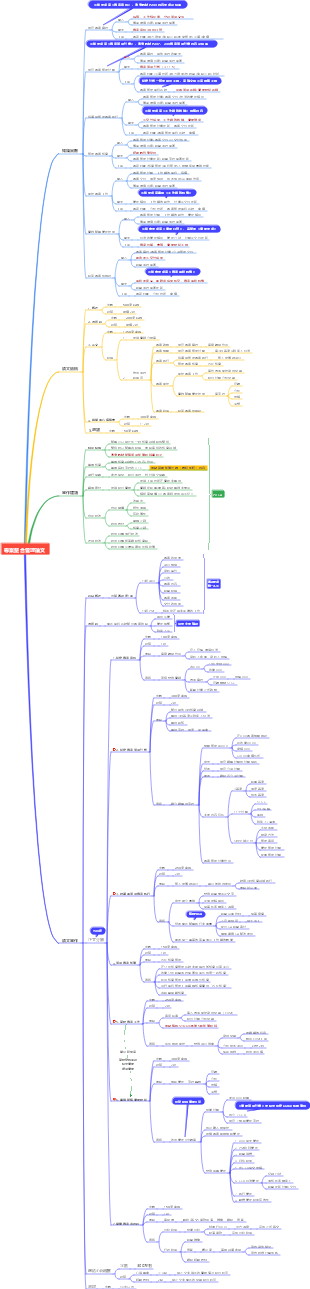
這是一篇關於印地安列國時代與百家爭鳴的心智圖,主要內容包括:列國時代(西元前6世紀-前4世紀),百家爭鳴。
編輯於2024-11-20 22:21:31
- Reproductive system
This template shows the structure and function of the reproductive system in the form of a mind map. It introduces the various components of the internal and external genitals, and sorts out the knowledge clearly to help you become familiar with the key points of knowledge.
- Interpretation and summary of relationship field e-book
This is a mind map about the interpretation and summary of the relationship field e-book, Main content: Overview of the essence interpretation and overview of the relationship field e-book. "Relationship field" refers to the complex interpersonal network in which an individual influences others through specific behaviors and attitudes.
- Accounting books and accounting records
This is a mind map about accounting books and accounting records. The main contents include: the focus of this chapter, reflecting the business results process of the enterprise, the loan and credit accounting method, and the original book of the person.
印度列國時代與百家爭鳴
- Reproductive system
This template shows the structure and function of the reproductive system in the form of a mind map. It introduces the various components of the internal and external genitals, and sorts out the knowledge clearly to help you become familiar with the key points of knowledge.
- Interpretation and summary of relationship field e-book
This is a mind map about the interpretation and summary of the relationship field e-book, Main content: Overview of the essence interpretation and overview of the relationship field e-book. "Relationship field" refers to the complex interpersonal network in which an individual influences others through specific behaviors and attitudes.
- Accounting books and accounting records
This is a mind map about accounting books and accounting records. The main contents include: the focus of this chapter, reflecting the business results process of the enterprise, the loan and credit accounting method, and the original book of the person.
- 推薦給您
- 大綱