マインドマップギャラリー Pericarditis
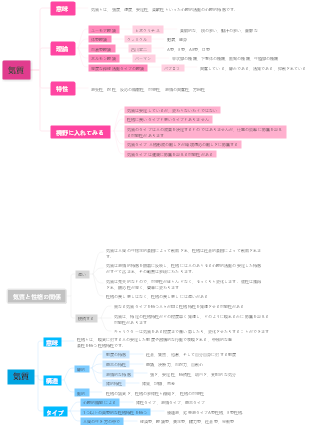
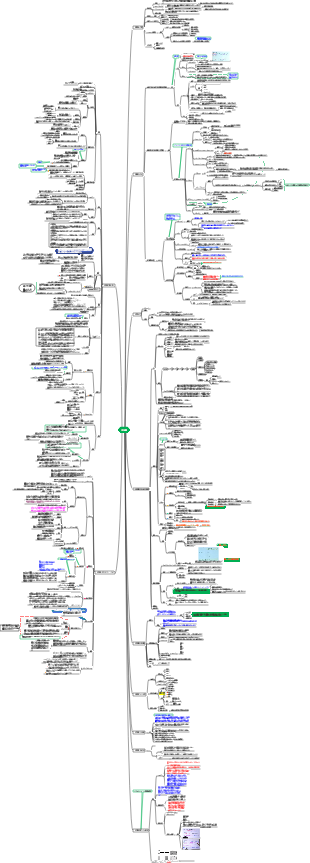
Este es un mapa mental sobre la pericarditis, que incluye principalmente: pericarditis restrictiva, derrame pericárdico y tamponio pericárdico, pericarditis aguda y general. El resumen es integral y meticuloso, adecuado como materiales de revisión.
2025-02-20 17:55:14 に編集されましたThis is a mind map about the annual work plan of the three pillars of human resources. The main contents include: strategic human resources planning, talent recruitment and allocation, employee performance management, employee training and development, employee relationships and communication, employee welfare and care, human resources information system construction, regulatory compliance and risk management, and organizational culture construction.
This is a mind map for the diagnosis and treatment of acute cerebral hemorrhage in patients with hemodialysis. The annual incidence of acute cerebral hemorrhage in patients with hemodialysis is (3.0~10.3)/1000, and the main cause is hypertension. Compared with non-dialysis patients, the most common bleeding site is the basal ganglia area, accounting for 50% to 80%; but the bleeding volume is large and the prognosis is poor, and the mortality rate is 27% to 83%. Especially for patients with hematoma >50ml, hematoma enlarged or ventricular hemorrhage on the second day after onset, the prognosis is very poor.
The logic is clear and the content is rich, covering many aspects of the information technology field. Provides a clear framework and guidance for learning and improving information technology capabilities.
This is a mind map about the annual work plan of the three pillars of human resources. The main contents include: strategic human resources planning, talent recruitment and allocation, employee performance management, employee training and development, employee relationships and communication, employee welfare and care, human resources information system construction, regulatory compliance and risk management, and organizational culture construction.
This is a mind map for the diagnosis and treatment of acute cerebral hemorrhage in patients with hemodialysis. The annual incidence of acute cerebral hemorrhage in patients with hemodialysis is (3.0~10.3)/1000, and the main cause is hypertension. Compared with non-dialysis patients, the most common bleeding site is the basal ganglia area, accounting for 50% to 80%; but the bleeding volume is large and the prognosis is poor, and the mortality rate is 27% to 83%. Especially for patients with hematoma >50ml, hematoma enlarged or ventricular hemorrhage on the second day after onset, the prognosis is very poor.
The logic is clear and the content is rich, covering many aspects of the information technology field. Provides a clear framework and guidance for learning and improving information technology capabilities.
Pericarditis
General
Anatomía
Una bolsa de corazón
Capa de pared
Capa sucia
Cavidad pericárdica
15-50 ml de líquido
Efecto de lubricación
Función
fijado
barrera
Proteger
Evitar la hinchazón excesiva del corazón
Clasificación
tiempo
Pericarditis aguda
< 6W
Pericarditis subaguda
6W-marzo
Pericarditis crónica
> Marcha
Causas
Pericarditis infecciosa
Pericarditis no infecciosa
Síndrome de posmistólico
Inmune y alérgico
Pericarditis aguda
Causas
Infección viral (más común), infección de tuberculosis, post mistomia ...
patología
Fibrina → exudibilidad (acumulación de fluido) → cambio de constricción
Espectáculos y letreros
Temprano
Pericarditis celulósica (Villi Heart)
Actuación
La manifestación más importante
Dolor en el pecho;
Vs infarto de miocardio dolor opaco, doloroso dolor
Irradiar a la extremidad superior izquierda
Tos, posición de variante, respiración profunda → empeorar el dolor
Letreros
Sentón de fricción de fricción pericárdica/sentimiento de fricción pericárdica
Intercostal 3-4, margen izquierdo del esternón (área de exposición cardíaca)
Consistente con los latidos
Tarde
Pericarditis exudativa (derrame pericárdico)
Vea abajo
examinar
Primera opción
UCG
Película en el pecho
Adulto> 250 ml
Niños> 150 ml
Sentir menos y no se puede ver
El más valioso/más significativo
Punción pericárdica
ECG
Continuas de cable de plomo bajo voltaje
ST SECCIÓN BOW ARRADA
Pregunta
Resumir
Infarto de miocardio → ST Segment Arch se eleva hacia la parte posterior
Variantes Angina Pectoris → Elevación transitoria del segmento ST
Angina general Pectoris → ST Segment Depresión
tratar
Tratamiento de enfermedades primarias
Alivio del dolor
AINE
Glucocorticoide
Reducir la respuesta inflamatoria
Ataques repetidos
Resección pericárdica
Líquido punzante pericárdico
Derrame pericárdico y tamponada pericárdica
Causas
Tumor, idiopático, infeccioso
patología
Exudado agudo pericárdico ≥200ml → comprimir el corazón → Limite la diastólica ventricular → congestión de circulación sistémica, presión arterial baja → bloqueo de presión cardíaca
Actuación
El rendimiento más importante/más destacado
Dificultad para respirar
La sangre no puede entrar en el corazón, y se estanca en los pulmones, pero no mucho, la mayor parte está circulando en el cuerpo
Letreros
El límite del corazón se expande a ambos lados
auscultación
El sonido del corazón está lejos;
Está a miles de millas de distancia
Signo ewart
Hay un sonido en la percusión debajo de la escápula izquierda.
Sonidos de respiración bronquial
Oye, tanta agua
Beck Triple juicio
Heart Tamponade
Apertura de la vena yugular
Presión arterial
El sonido del corazón es débil y muy lejano
Pulso de succión (pulso superior)
El pulso se debilitó/desapareció al inhalar
Derrame pericárdico
Es extraño que haya agua en el pericardio
Vs asma también tiene esta señal
La presión alta en el pecho al inhalar no es propicio para el reflujo de la sangre, menos sangre y pulso débil
examinar
Primera opción
UCG
Película en el pecho
Centro triangular
Pollo asado
ECG
Continuas de cable de plomo bajo voltaje
ST SECCIÓN BOW ARRADA
Confirmado
Punción pericárdica
tratar
Tratamiento basado en síntomas
AINE
Glucocorticoide
Heart Tamponade
Primera opción
Pericarpinación ≤200 ml/tiempo
Pericarditis constrictiva
definición
El corazón está rodeado de fibrosis densamente engrosada o pericárdico calcificado, y los trastornos diastólicos ventriculares a menudo son crónicos
Causas
Tuberculoso
El más común
Pericarditis inespecífica, pericarditis supurativa, pericarditis traumática
patología
Restricción diastólica ventricular → salida ↓ → compensación de frecuencia cardíaca acelerada → vena yugular enojado
Espectáculos y letreros
Actuación
Se relaciona principalmente con la disminución del gasto cardíaco y la congestión de circulación sistémica
Palpitaciones, disnea, hígado grande, derrame abdominal, edema de las extremidades inferiores
Letreros
Apertura de la vena yugular
Signo de Kussmaul
El corazón suena lejos y ligero
examinar
radiografía
La sombra del corazón es triangular o esférica
ECG
UCG
Más comúnmente utilizado
tratar
Pericarditis constrictiva crónica
Primera opción
Resección pericárdica
Pacientes con condición estable
Tratamiento antiinflamatorio durante 2-3 meses
Pericarditis tuberculosa
Tratamiento anti-tuberculosis, continúe luchando contra la tuberculosis durante 1 año después de la cirugía