心智圖資源庫 Labubu 的營銷策略解析
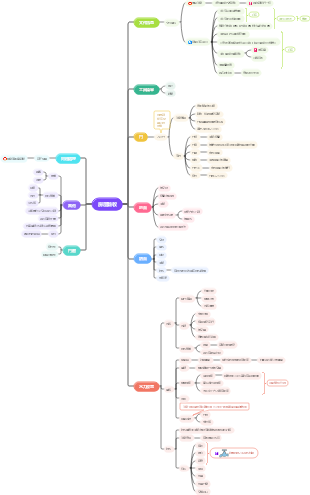
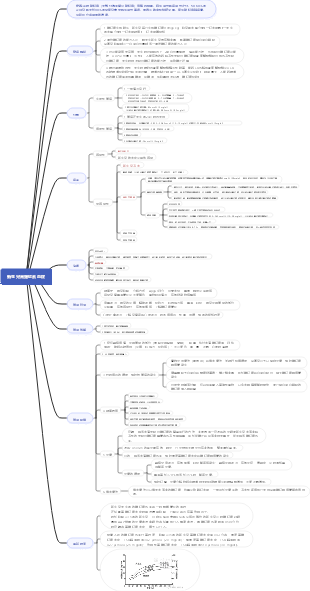
【LABUBU:顛覆傳統的潮玩社交貨幣】這只醜萌叛逆的九牙小怪獸正席捲全球!香港插畫家龍家升設計的LABUBU以膠毛絨材質和反差視覺衝擊打破可愛範式,北京POP LAND巨型雕像與洗腦神曲《Labubu之歌》激發打卡熱潮。通過限量發售、區域限定款飢餓營銷,聯動蕾哈娜/貝克漢姆等明星帶貨,形成從愛馬仕聯名到泰國搶購潮的跨界破圈。線下快閃店與交換會培育娃圈文化,玩家通過開箱視頻、表情包UGC持續發酵話題,二級市場溢價更強化其社交貨幣屬性。
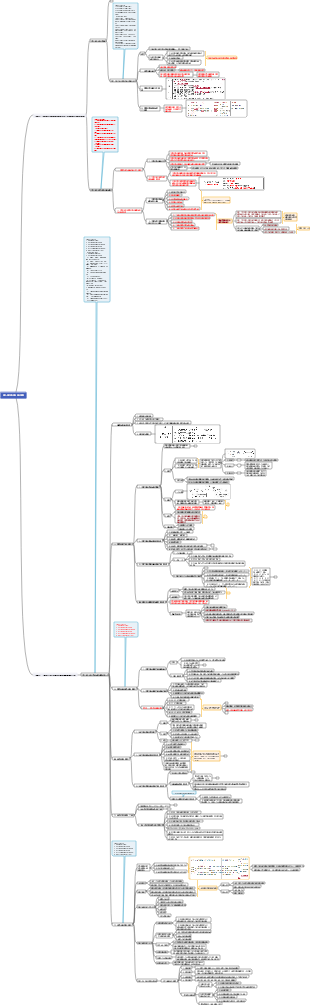
編輯於2025-06-16 16:53:34This is a flowchart illustrating the process of archiving monthly failure analysis reports and tracking the implementation of improvement measures. The diagram is structured into five main steps, each with specific tasks and sub-tasks.Monthly Report Collection & Organization: This step involves collecting failure analysis reports from various departments, reviewing them for completeness, and categorizing them by product, failure mode, and severity. Root Cause Analysis & Statistics: Here, the focus is on categorizing causes, analyzing trends, identifying root causes, and compiling statistics on high-frequency failure modes and key components. Improvement Measure Formulation & Assignment: This step includes formulating improvement measures, assigning responsibilities, and setting timelines for implementation.Measure Implementation Tracking & Verification: It involves tracking the progress of implementation, verifying effectiveness, and confirming issue closure.Knowledge Base Update & Monthly Report Output: The final step covers archiving reports, updating the knowledge base, and compiling monthly summaries.This template can be easily reused and adapted using tools like EdrawMind to suit different organizational needs.
This is a timeline infographic detailing the annual product certification acquisition countdown process, structured into four sequential phases. The first phase, Certification Planning & Initiation, encompasses goal setting, timeline planning, resource preparation, defining specific certification objectives such as CCC/CE/FCC, formulating an annual plan with key milestones, and allocating necessary budget, personnel, and sample resources. Following this, the Application & Testing Phase involves material submission, coordination with certification agencies, core testing procedures, preparation of technical documents, application forms, and samples, selection of the appropriate certification agency, and execution of critical safety, EMC, and RF tests. The subsequent Rectification & Acquisition Phase focuses on addressing and rectifying any identified issues, re-verification processes, acquisition of the certificate, analysis of test issues, implementation of necessary fixes, and modification of samples for supplemental testing. Finally, the Countdown Monitoring phase emphasizes tracking progress, managing risks, monitoring remaining days and key milestones, managing time, technical, and cost risks, and maintaining effective internal and external communication throughout the process. This comprehensive template can be readily reused and adapted using tools like EdrawMind to meet diverse organizational requirements.
This is a flowchart detailing the weekly update and review plan for technical documents. The process is divided into six main stages, each with specific tasks and responsibilities. It begins with Weekly Planning, where the document scope is defined, update objectives are set, and schedules are arranged. Next, Document Updates involve maintaining various documents such as hardware design documents, test specifications, and BOM tables, alongside version control and archiving. Internal Review Preparation follows, focusing on compiling review materials, identifying participants, and setting agendas. The Review Meeting stage includes document examination, problem discussion, decision recording, and responsibility allocation. After the meeting, Review Feedback Processing takes place, involving issue tracking, document modification, quality checks, and closure verification. Finally, Output Deliverables are prepared, including official release versions, release notifications, review reports, and plans for the next week. This structured approach ensures systematic and efficient management of technical documents, and the template can be easily adapted using tools like EdrawMind.
This is a flowchart illustrating the process of archiving monthly failure analysis reports and tracking the implementation of improvement measures. The diagram is structured into five main steps, each with specific tasks and sub-tasks.Monthly Report Collection & Organization: This step involves collecting failure analysis reports from various departments, reviewing them for completeness, and categorizing them by product, failure mode, and severity. Root Cause Analysis & Statistics: Here, the focus is on categorizing causes, analyzing trends, identifying root causes, and compiling statistics on high-frequency failure modes and key components. Improvement Measure Formulation & Assignment: This step includes formulating improvement measures, assigning responsibilities, and setting timelines for implementation.Measure Implementation Tracking & Verification: It involves tracking the progress of implementation, verifying effectiveness, and confirming issue closure.Knowledge Base Update & Monthly Report Output: The final step covers archiving reports, updating the knowledge base, and compiling monthly summaries.This template can be easily reused and adapted using tools like EdrawMind to suit different organizational needs.
This is a timeline infographic detailing the annual product certification acquisition countdown process, structured into four sequential phases. The first phase, Certification Planning & Initiation, encompasses goal setting, timeline planning, resource preparation, defining specific certification objectives such as CCC/CE/FCC, formulating an annual plan with key milestones, and allocating necessary budget, personnel, and sample resources. Following this, the Application & Testing Phase involves material submission, coordination with certification agencies, core testing procedures, preparation of technical documents, application forms, and samples, selection of the appropriate certification agency, and execution of critical safety, EMC, and RF tests. The subsequent Rectification & Acquisition Phase focuses on addressing and rectifying any identified issues, re-verification processes, acquisition of the certificate, analysis of test issues, implementation of necessary fixes, and modification of samples for supplemental testing. Finally, the Countdown Monitoring phase emphasizes tracking progress, managing risks, monitoring remaining days and key milestones, managing time, technical, and cost risks, and maintaining effective internal and external communication throughout the process. This comprehensive template can be readily reused and adapted using tools like EdrawMind to meet diverse organizational requirements.
This is a flowchart detailing the weekly update and review plan for technical documents. The process is divided into six main stages, each with specific tasks and responsibilities. It begins with Weekly Planning, where the document scope is defined, update objectives are set, and schedules are arranged. Next, Document Updates involve maintaining various documents such as hardware design documents, test specifications, and BOM tables, alongside version control and archiving. Internal Review Preparation follows, focusing on compiling review materials, identifying participants, and setting agendas. The Review Meeting stage includes document examination, problem discussion, decision recording, and responsibility allocation. After the meeting, Review Feedback Processing takes place, involving issue tracking, document modification, quality checks, and closure verification. Finally, Output Deliverables are prepared, including official release versions, release notifications, review reports, and plans for the next week. This structured approach ensures systematic and efficient management of technical documents, and the template can be easily adapted using tools like EdrawMind.
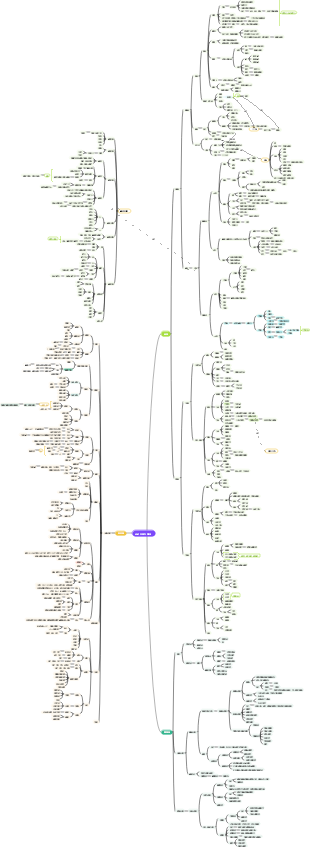
LABUBU
營銷密碼
1
IP設計背景
設計師
香港插畫家龍家升
無國界 的文化混搭
北歐精靈傳說
亞洲可愛文化
子主題
視覺符號
9顆尖銳獠牙
翳耳
誇張表情
毛茸茸的身體
異色的圓眼睛等
子主題
與其他潮玩的可愛形成對比,另有一種“叛逆”色彩
醜萌、笨拙、俏皮、古靈精怪
形成反差視覺衝擊
同時推動了二級市場的溢價,製造稀缺感,形成話題效應
2
產品策略
飢餓營銷
分批次限量發售
突擊上架熱賣/隱藏款
提升產品的不確定性
區域限定銷售等
不同市場推出不同顏色組合系列
基礎盲盒
降低入門門檻
整套盲盒
滿足收藏需求
限量雕塑
匹配高端收藏玩家
產品矩陣佈局
鑰匙扣、包掛
穿搭配飾
場景化設計產品
低門檻、高頻率使用產品
在地化設計
日本
伏見稻荷神社限定款
加拿大
楓葉收藏款
新加坡
魚尾獅款
泰國
傳統泰服款
工藝創新與材質
labubu手辦
膠毛絨材質
強化了LABUBU在地的文化認同感,並形成區域限定,激發消費者的收集慾望
3
傳播策略
明星效應
LISA帶動泰國、越南等市場搶購潮
labubu與愛馬仕搭配
歐美明星蕾哈娜、Dua Lipa等攜帶挂件出門
足球巨星貝克漢姆演繹labubu玩偶
社交媒體營銷
UGC內容生態創建
開箱視頻、表情包創作等
“娃圈”文化建設
線下交換會
主題快閃店
cosplay等活動
IP角色號運營
LABUBU九顆牙
跨界合作
PRONOUNCE X LABUBU
高定娃娃、紫毛娃10、大米蘭20
內容延伸
《labubu之歌》、《labubu大首領之舞》等
洗腦神曲為消費者提供UGC創作素材,更易於傳播
線下樂園打造
北京城市樂園 POP LAND
巨型雕像打卡
將labubu打造成為一個社交貨幣,讓用戶主動分享