MindMap Gallery Nursing Care Plan Stages
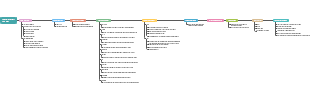
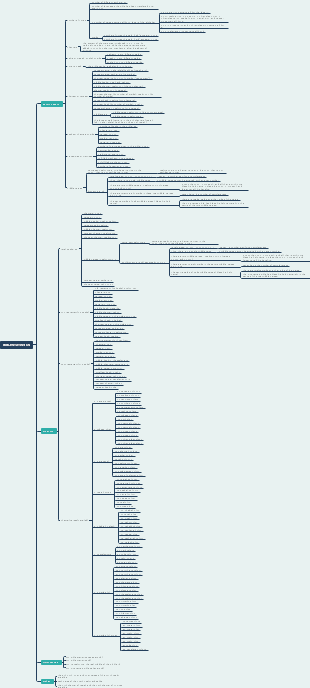
This Edraw mind map provides an overview of the stages in a nursing care plan, including diagnosis and planning. It is a valuable tool for nursing students, healthcare professionals, and educators, facilitating understanding and implementation of patient care strategies. The template helps to structure and communicate the steps in effective patient care and management.
Edited at 2024-01-14 18:20:49This Edraw mind map provides an overview of the stages in a nursing care plan, including diagnosis and planning. It is a valuable tool for nursing students, healthcare professionals, and educators, facilitating understanding and implementation of patient care strategies. The template helps to structure and communicate the steps in effective patient care and management.
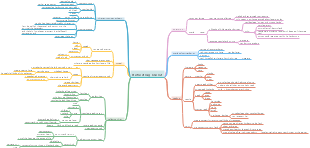
This Edraw template presents a comprehensive mind map on Florence Nightingale's Naturalistic Views, encompassing her pivotal ideas and nursing concepts. The mind map starts with an introduction to Nightingale's naturalistic philosophy, outlining its essence and significance. It then branches out into her main views, highlighting her emphasis on the environmental impact on health, the importance of hygiene in nursing, and the role of observation and data analysis in improving patient care. Additionally, the template explores Nightingale's nursing concepts, including her holistic approach to patient well-being and her emphasis on prevention rather than just treatment. Ideal for nursing students, healthcare professionals, or anyone interested in Florence Nightingale's contributions to the nursing field, this template offers a visual and organized overview of her naturalistic views and nursing principles.
Introducing the Phase 5 Evaluation Mind Map from Edraw, this template offers a comprehensive overview of the various stages and types of evaluation. The mind map begins with a breakdown of the distinct stages of evaluation, from initial planning to final analysis, ensuring a thorough and systematic approach. Within each stage, key evaluation activities and considerations are highlighted. Additionally, the template explores different types of evaluation, such as formative, summative, and process-oriented, providing a framework for selecting the most appropriate evaluation methods. Ideal for educators, project managers, and anyone involved in the evaluation process, this template serves as a valuable tool for ensuring effective and informed decision-making.
This Edraw mind map provides an overview of the stages in a nursing care plan, including diagnosis and planning. It is a valuable tool for nursing students, healthcare professionals, and educators, facilitating understanding and implementation of patient care strategies. The template helps to structure and communicate the steps in effective patient care and management.
This Edraw template presents a comprehensive mind map on Florence Nightingale's Naturalistic Views, encompassing her pivotal ideas and nursing concepts. The mind map starts with an introduction to Nightingale's naturalistic philosophy, outlining its essence and significance. It then branches out into her main views, highlighting her emphasis on the environmental impact on health, the importance of hygiene in nursing, and the role of observation and data analysis in improving patient care. Additionally, the template explores Nightingale's nursing concepts, including her holistic approach to patient well-being and her emphasis on prevention rather than just treatment. Ideal for nursing students, healthcare professionals, or anyone interested in Florence Nightingale's contributions to the nursing field, this template offers a visual and organized overview of her naturalistic views and nursing principles.
Introducing the Phase 5 Evaluation Mind Map from Edraw, this template offers a comprehensive overview of the various stages and types of evaluation. The mind map begins with a breakdown of the distinct stages of evaluation, from initial planning to final analysis, ensuring a thorough and systematic approach. Within each stage, key evaluation activities and considerations are highlighted. Additionally, the template explores different types of evaluation, such as formative, summative, and process-oriented, providing a framework for selecting the most appropriate evaluation methods. Ideal for educators, project managers, and anyone involved in the evaluation process, this template serves as a valuable tool for ensuring effective and informed decision-making.
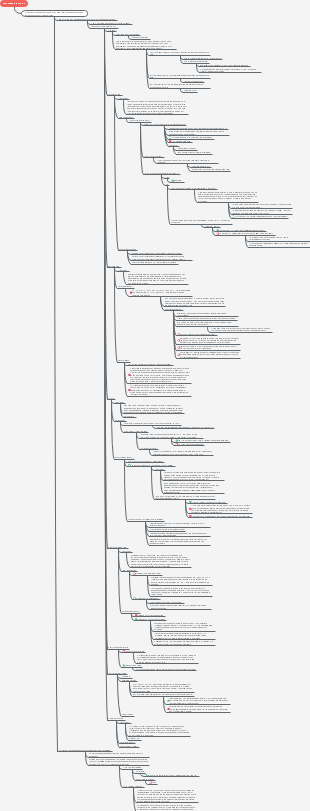
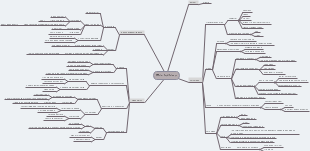
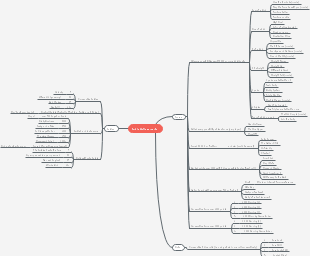
Etapas del Plan de Cuidados
1ª Etapa: Valoración
Proceso organizado y sistematizado, en el cual se observa el estado del paciente, para posteriormente realizar una recogida de datos. Las fases son:
1. Recogida de datos
Tipos de datos
De apreciación
De tiempo
De variabilidad
Fuente de datos
Primarias o directas
Secundarias o indirectas
Método de obtención de datos
Entrevista
Factores
Ambientales
Técnicos
Comunicación no verbal
Tipos de preguntas
Abiertas
Cerradas
De reflexión
Intencionadas
Tres pasos
Inicio
Cuerpo
Cierre
Exploración física
Validación de datos
Confirmación de datos objetivos
Comparar con distintas fuentes
Anotar cualquier corrección o adición
Organización de datos
Personal
Globalizador
Integrales
Operativo
Registro de documentación
2ª Etapa: Diagnóstico
Fase en la que se determina el problema del paciente a partir de los signos y síntomas. Las fases son:
1. Proceso de datos
Clasificación
Interpretación
Verificación
2. Elaboración del diagnóstico
Utilización del formato PES
Diagnóstico real
Diagnóstico de riesgo
Diagnostico de promoción de la salud
3. Verificación del diagnóstico
4. Documentación del diagnóstico
3ª Etapa: Planificación
Tras la determinación del diagnóstico, con los datos obtenidos se procede a realizar un plan de cuidados para poder determinar los objetivos que se quieren alcanzar. Las fases son:
1. Selección de prioridades
Maslow
Kalish
2. Establecimiento de los objetivos y de los resultados esperados
Objetivos del paciente
Objetivos de la enfermera
A corto plazo
A medio plazo
A largo plazo
Componentes
Sujeto
Verbo
Circunstancia
Condición
Tiempo
Normas
3. Intervenciones/actividades de enfermería (NIC)
Interdependientes
Independientes
De cuidado directo
De cuidado indirecto
4. Anotación del plan de cuidados
4ª Etapa: Ejecución
Realización del plan de cuidados planificado en la etapa anterior. Las fases son:
1. Intervención
Valoración continuada
Planificación
Educación
2. Documentación o registro
Hª orientada a las fuentes de información
Hª orientada a los problemas
Hª realizada a ordenador
Registro clínico
SVOP
SVOPEE
5ª Etapa: Evaluación
Última etapa, en la que se evalúa la evolución del paciente con los resultados obtenidos después de la ejecución. Las fases son:
1. Recogida de datos y comparar con el estado del paciente
2. Fase de juicio o conclusión
3. Fase de revisión y ajuste del plan