マインドマップギャラリー Nursing - Multiple Organ Dysfunction
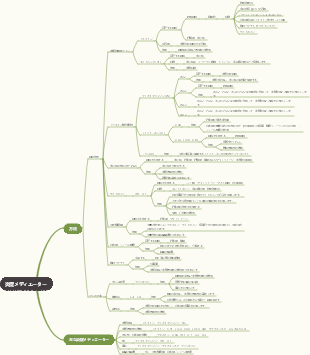
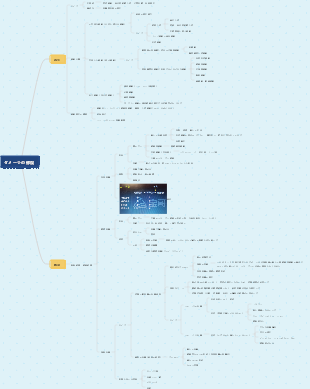
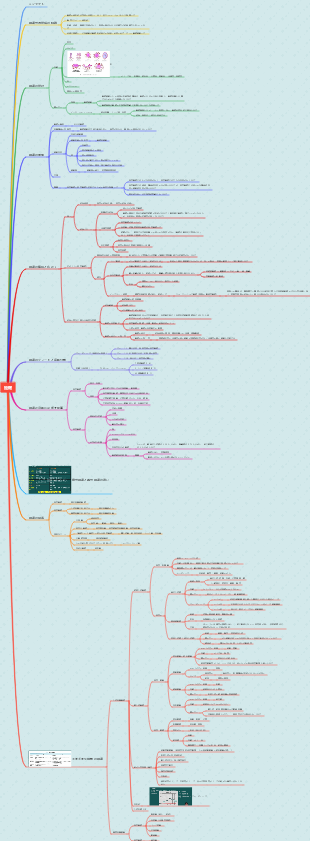
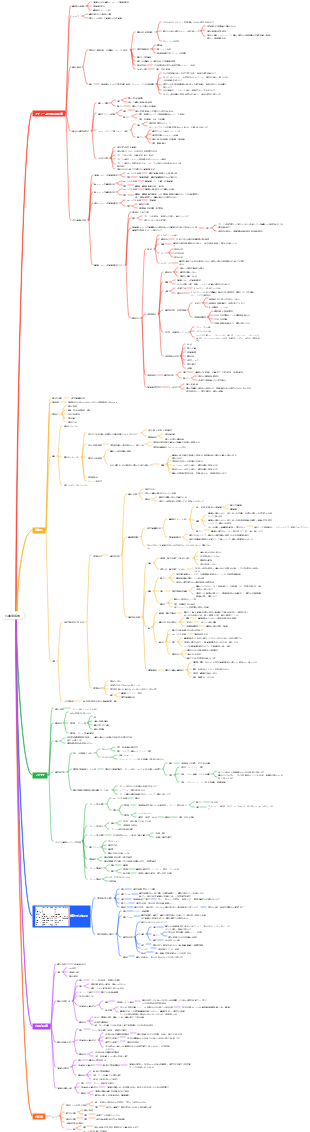
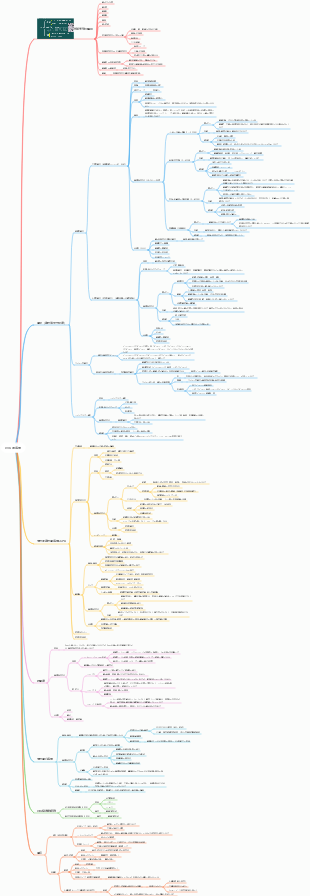
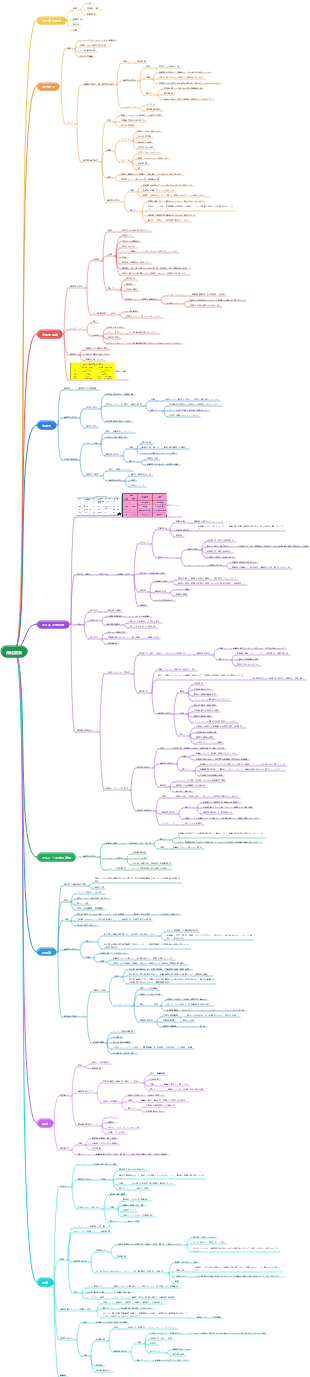
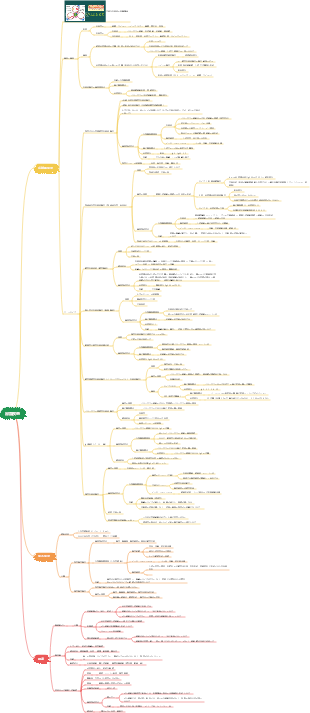
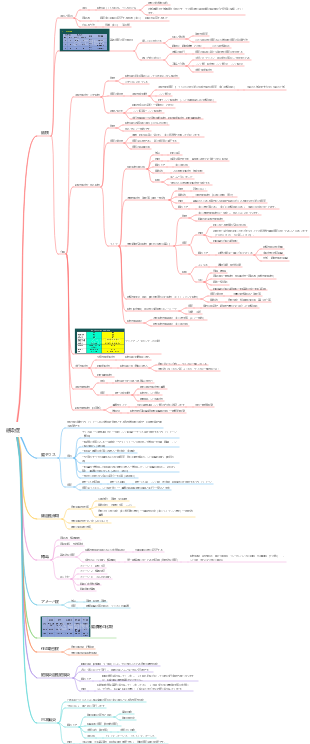
This is a mind map about thirteen chapters of multiple organ dysfunction, including acute respiratory distress syndrome (ARDS), sepsis, multiple organ dysfunction syndrome (MODS), etc.
2023-11-24 17:13:25 に編集されましたChapter Thirteen Multiple Organ Dysfunction
acute respiratory distress syndrome (ARDS)
concept
Cause and pathogenesis
The most important risk factor for acute respiratory distress syndrome in my country: severe pneumonia
Pathological basis: alveolar-capillary injury
clinical manifestations
In addition to the corresponding symptoms and signs of the primary disease, the earliest symptoms are accelerated breathing, progressively worsening dyspnea, and cyanosis, often accompanied by irritability, anxiety, sweating, etc.
Early signs may be normal, or only a small amount of fine moist rales may be heard in both lungs; in later stages, vesicular sounds may be heard more frequently, and there may be tubular breath sounds.
Wrong question: The lungs of patients with ARDS are also called "little lungs" or "baby lungs"
First aid principles
Actively treat the primary disease; improve oxygen delivery and correct hypoxia; maintain tissue perfusion to prevent further tissue damage; and perform organ function testing and protection to avoid the occurrence of primary disease.
Elaborate
1. Primary disease treatment
Infection is a common cause of ARDS. After the occurrence of ARDS, it is easy to be complicated by infection. We need to be highly vigilant and actively prevent and control it.
2. respiratory support therapy
Remove or control the causative factors or primary diseases in a timely manner.
Correct hypoxemia, ensure systemic oxygen delivery, and improve tissue and cell hypoxia.
Target: SaO2 (arterial blood oxygen saturation) ≥90%, PaO2 (arterial blood oxygen partial pressure) >60mmHg
Elaborate
low tidal volume ventilation
Ventilation: 6ml/kg, and limit the airway platform pressure to ≤30cmH2O
Reason: Due to the significant reduction in lung volume in ARDS, conventional or large tidal volume ventilation will cause alveolar overexpansion and increase alveolar shear force, leading to ventilator-associated lung injury (VALI).
Complications: hypercapnia
Positive end-expiratory pressure (PEEP)
Can improve the ventilation function of ARDS
Recruitment method (RM)
Intermittent administration of higher airway pressure or tidal volume can recruit collapsed alveoli, improve alveolar ventilation, and thereby improve oxygenation.
prone position ventilation
It can reduce the pleural pressure gradient, reduce the compression effect of the heart on the lungs, promote alveolar recruitment in gravity-dependent areas, improve ventilation and blood flow imbalance, and thereby improve oxygenation.
High frequency oscillatory ventilation (HFOV)
Extracorporeal Membrane Oxygenation: ECMO can improve hypoxemia while removing CO2
3. medical treatement
Glucocorticoids: A small amount can be used in the early stage, but not in the late stage.
NO: Inhaled NO is not used as routine treatment, only when routine treatment cannot improve severe hypoxemia.
Analgesics, sedation and muscle blockers
4. Fluid management: Allow the patient to have a mild negative fluid balance (-1000~-500ml/d), and maintain the capillary wedge pressure at 14~16cmH2O
5. Nutritional support: start enteral nutrition as early as possible
6. Extrapulmonary organ function support and protection
Nursing measures
1. Immediate care measures
(1) Monitor vital signs
(2) Keep airway open
(3) Properly implement oxygen therapy
(4) mechanical ventilatory support
2. Organ function monitoring
3. Artificial airway care
Maintain airbag pressure: 25~30cmH2O
4. Mechanical ventilation care
5. Prone ventilation care
6. ECMO care
7. NO care
8. Analgesia and Sedation Care
9. Nutritional support care: Since the patient's epiglottic reflex has not fully recovered, he cannot eat within two hours after extubation to prevent aspiration.
10. early activity
sepsis
concept
Judgment of condition
1. There is bacteriological evidence or highly suspicious focus of infection
2. The SOFA score increase value is ≥2. If the patient does not have this data, qSOFA is feasible.
Those who meet two or more conditions can be initially diagnosed as sepsis.
3. After adequate fluid resuscitation, sepsis patients still need vasopressor drugs to maintain mean arterial pressure ≥65mmHg and blood lactate >2mmol/L
A diagnosis of septic shock was made.
4.
First aid principles
1. Early fluid resuscitation: fluid resuscitation + vasoactive drugs glucocorticoids
To maintain the patient's blood pressure, the vasoactive agent of choice is norepinephrine
2. Anti-infective treatment: used within 1 hour after diagnosis of sepsis, with a delay of no more than 3 hours
3. Treatment of the source of infection: rapid diagnosis and timely treatment of the infected site
4. Glucocorticoids
Low dose and short course of treatment
Intravenous hydrocortisone, 200mg/d
5. Support symptomatic treatment
Nursing measures
1. Immediate care measures
fluid resuscitation
Resuscitation goal within 6 hours
1. CVP: 8~12mmHg
2. MAP≥65mmHg
3. Urine output ≥0.5ml/(kg·h)
4. ScvO2≥70% or SvO2≥65%
Disease detection and symptomatic support
2. routine care
(1) Monitor vital signs
(2) Various indwelling pipes are kept in good condition
(3) Closely observe and record the patient's various inputs and outputs, and calculate fluid balance in a timely, accurate and complete manner
(4) Follow doctor’s instructions and administer medication promptly, reasonably and correctly.
(5) Proper nutritional support
(6) Suitable position: semi-recumbent position with head of bed elevated 30°~45°
(7) Management: Pressure injuries, incontinence dermatitis, etc.
(8) Irritable, comatose patients: protective measures
3. Organ function testing and care
4. Infection Prevention and Care
5. Pain, agitation and delirium management
6. early activity
7. Complication observation
Multiple Organ Dysfunction Syndrome (MODS)
concept
It refers to a clinical syndrome in which reversible dysfunction occurs simultaneously or sequentially in two or more organs on the basis of primary lesions of the body caused by a variety of acute pathogenic factors.
Differences from other diseases
1. Before the onset of the disease, the organ function is basically normal or the organ function is damaged but in a relatively stable physiological state.
2. The organs that experience dysfunction or failure are often not those directly damaged by the primary pathogenic factors, but occur in distant organs from the primary damage.
3. There is a certain interval from the first blow to organ dysfunction, which is often greater than 24 hours, and in most patients it is several days.
4. Multiple organ dysfunction occurs sequentially, with the lungs and gastrointestinal being affected first.
5. Case changes in affected organs lack specificity
6. The condition develops rapidly
7. MODS, organ dysfunction and pathological damage triggered by acute pathogenic factors are reversible
8. The dysfunctional organ function lacks pathological specificity
9. Infection, shock, trauma, acute brain dysfunction, etc. are common causes
clinical manifestations
Course of disease: 14 to 21 days, experiencing four states: shock, resuscitation, hypercatabolic state, and organ failure
First aid principle: There is no specific treatment method. The main treatment measures are to detect, support and protect organ function, prevent organ failure, and at the same time actively treat the primary disease and reduce organ damage caused by inflammatory reaction.
1. Primary disease treatment
2. Correct tissue hypoxia and improve oxygen metabolism disorders
3. Organ function support and protection
4. Metabolic support and conditioning
5. Rational use of antibiotics
6. immune conditioning
Nursing measures
1. immediate care
2. routine care
3. Condition observation
4. , organ function monitoring and care
5. Pain, agitation and delirium management
6. early activity
7. psychological and spiritual support